
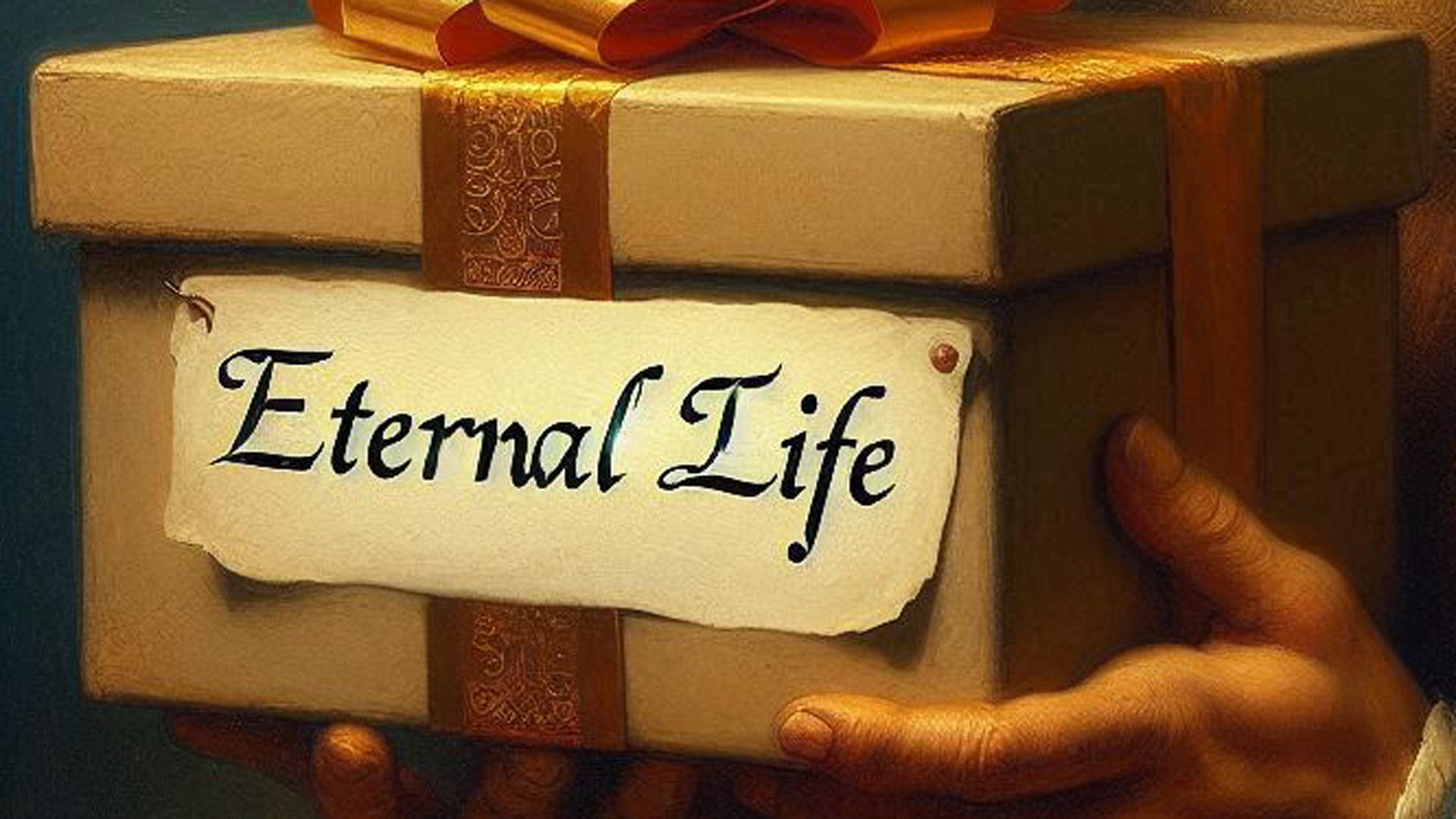
 The question of how badly Christians can sin and still be saved troubled me for many years. Growing up in Southern California in the 70’s, I attended Pentecostal churches where I was taught that I could forfeit my salvation through acts of sin or by renouncing my faith. When I asked, “What sins can make me lose my salvation?” the answers were never clear. They varied depending on whom I asked, leaving me confused and uncertain. Because I was a sinful child, I thought I lost my salvation daily and would come to God each day, asking to be saved again. I repeated this process countless times over the years, to the point of fatigue and frustration. Eventually, for about a decade, I walked away from the Lord and lived as a prodigal son. Those were wasted years of sinful living, and even decades later, I still carry the painful marks of those memories.[1]
Later, after being humbled and returning to God, I studied the Scriptures more deeply and came to understand that the Bible teaches eternal life cannot be forfeited (John 3:16; 5:24; 10:28). That is, once we are saved, we are always saved. This truth gave me peace about my eternal destiny, knowing it was secured by the finished work of Jesus Christ on the cross. Interestingly, it also ignited a fire of gratitude, motivating me to serve the Lord out of love and appreciation rather than fear. Love flourishes in an environment where one feels safe and secure. When I came to understand that my eternal security is grounded in God’s grace and not in my own efforts, it freed me from the tyranny of fear and the bondage of legalism.
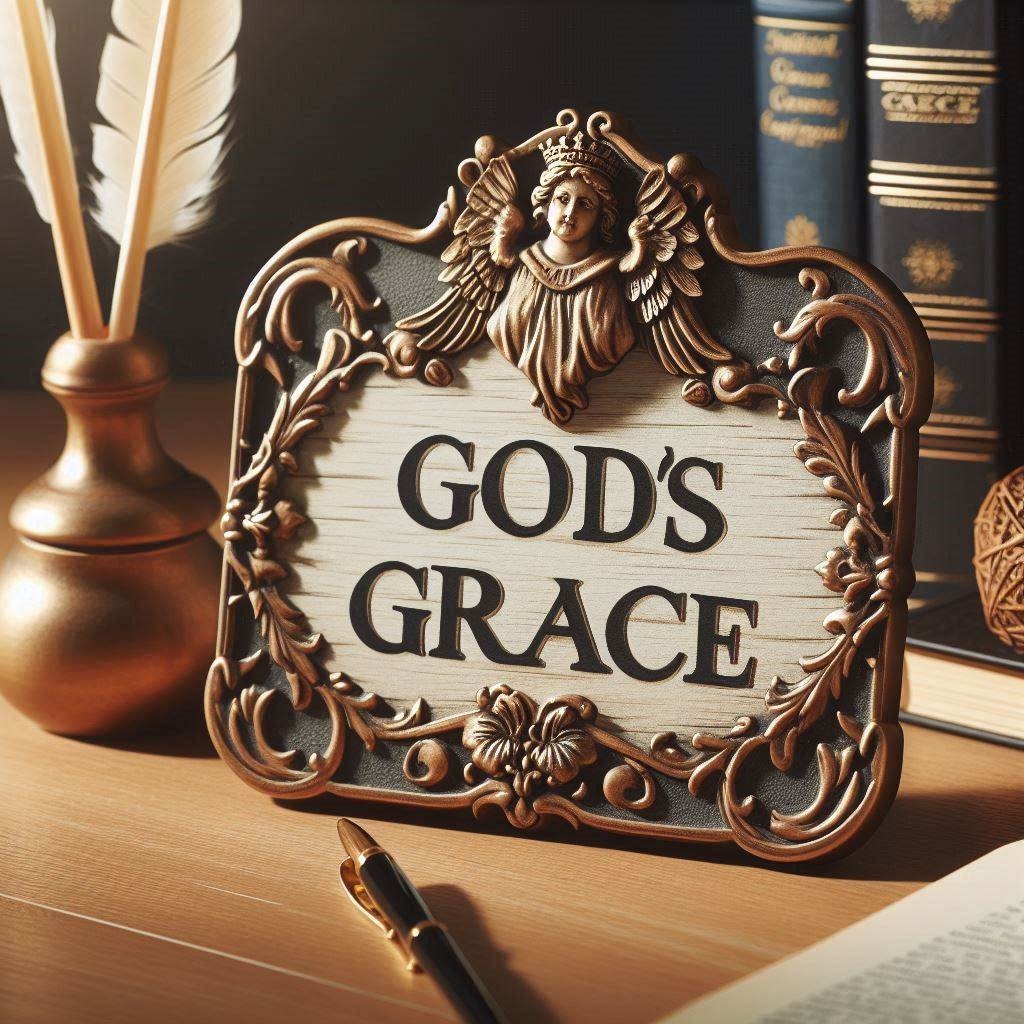 I came to understand that eternal life is a gift of God’s grace, based entirely on the finished work of Jesus Christ. While on the cross, after Jesus paid my sin debt in full, He said, “It is finished!” (John 19:30). That is, my salvation was fully accomplished at the cross. Jesus purchased it in full—there is nothing more for me to pay. Salvation comes to me freely as a gift from God (Eph 2:8-9). By its very nature, a gift means the giver has paid 100% of the cost and offers it freely. If I had to pay anything at all, it would cease to be a gift and become something I had purchased, either in part or in whole. But God’s Word declares, “The free gift of God is eternal life in Christ Jesus our Lord” (Rom 6:23).
Eternal life is free, and once received, it cannot be forfeited or returned. It does not depend in any way on my good works, obedience, or perseverance. While good works are commanded (Gal 6:10) and rewarded (1 Cor 3:10-15), they are not required to validate my salvation. Furthermore, no amount of sin I commit can undo what God has accomplished. My good works did not save me, and my sin cannot unsave me. Salvation is of the Lord, not of me. He alone gets all the credit and glory, for He alone saves.
My confidence in eternal salvation comes from looking to God and His Word rather than myself. Though I often fail God and others, God never fails me (2 Tim 2:13). Scripture assures me, “Whoever believes in Him shall not perish, but have eternal life” (John 3:16), “He who believes in the Son has eternal life” (John 3:36a), and “everyone who beholds the Son and believes in Him will have eternal life” (John 6:40b). Jesus also said, “Truly, truly, I say to you, he who believes has eternal life” (John 6:47), and “I give eternal life to them, and they will never perish; and no one will snatch them out of My hand” (John 10:28).
I have trusted in Jesus as my Savior; therefore, I have eternal life. The apostle John wrote, “These things I have written to you who believe in the name of the Son of God, so that you may know that you have eternal life” (1 John 5:13). By definition, eternal life cannot be lost; if it could, it would not be eternal. Salvation is not maintained by human effort but by God’s power. In the end, “I know whom I have believed, and I am convinced that He is able to guard what I have entrusted to Him until that day” (2 Tim 1:12).
What Happens When I Sin?
If I turn from the Lord and persist in sin (which is always a possibility), there will be consequences—sometimes severe—but loss of salvation is not one of them. God’s Word assures me that the one who trusts in Jesus as Savior “has eternal life, and does not come into judgment, but has passed out of death into life” (John 5:24) and that “there is now no condemnation for those who are in Christ Jesus” (Rom 8:1). While sin does not affect my eternal security, it does carry serious consequences.
First, sin brings about a loss of fellowship with God. John wrote, “If we say that we have fellowship with Him and yet walk in the darkness, we lie and do not practice the truth” (1 John 1:6). Though sin breaks my fellowship with Him (1 John 1:5-7), it does not nullify my sonship (Gal 3:26; 2 Tim 2:13). Restoration of fellowship comes through confession, as John states, “If we confess our sins, He is faithful and righteous to forgive us our sins and to cleanse us from all unrighteousness” (1 John 1:9). Second, sin can bring God’s discipline into my life. The Bible tells me His discipline is a reflection of His love for me, “For those whom the Lord loves He disciplines” (Heb 12:6a). Jesus, speaking to Christians, said, “Those whom I love, I reprove and discipline; therefore, be zealous and repent” (Rev 3:19). Third, if I persist in sin, I risk forfeiting eternal rewards at the judgment seat of Christ (1 Cor 3:12-15; 2 Cor 5:10; 2 John 8). This judgment evaluates how I lived in this world—whether I lived for Christ or conformed to the philosophies and values of the world. However, it is not a judgment concerning my salvation. Fourth, sin damages my Christian testimony before others. After David’s sin with Bathsheba, the prophet Nathan told him, “By this deed you have given occasion to the enemies of the Lord to blaspheme” (2 Sam 12:14). David’s sin not only harmed his own reputation but also gave others occasion to blaspheme the Lord.
How Does God Want Me to Live?
 The doctrine of eternal security does not grant me license to live in sin, but rather provides the firm foundation for a life of obedience and holiness. Knowing that my salvation is secure, I am freed from the fear of losing my eternal standing, which allows me to focus on living a life that honors God and reflects His goodness. I am motivated by love and gratitude, not fear. As God’s child, I am called to walk in a manner worthy of my calling (Eph 4:1), to perform good works (Gal 6:10), to be conformed to the image of Christ (Rom 8:29), and to live as an ambassador for Him (2 Cor 5:20). Scripture teaches that the grace of God, which brings salvation, also instructs me to deny ungodliness and worldly desires, and to live a life that is sensible, righteous, and godly in the midst of this present age (Tit 2:11-12). Far from encouraging a careless or indulgent lifestyle, the doctrine of eternal security compels me to pursue holiness, knowing that I am already secure in Christ. The security of my salvation motivates me to live in a way that glorifies God and edifies others.
Dr. Steven R. Cook
If this article has enriched your understanding and walk with Christ, and you feel led to support my ministry, your generosity is greatly appreciated. Your gifts enable me to continue sharing the gospel of grace and providing in-depth biblical teachings. Thank you for partnering with me in this mission.
Related Articles:
- Free Grace Salvation
- The Free Gift of God is Eternal Life
- Two Kinds of Forgiveness with God
- Two Kinds of Forgiveness with People
- Confession of Sin for the Christian
- The Price of Forgiveness
- Forgiveness in Action
- The Manifold Grace of God
- Knowing and Doing the Will of God
- The High Calling of God’s Servant
- The Life of Faith
- The Righteous Lifestyle of the Believer
- Walking Worthy of God’s Call to Service
- The Cross & Crucifixion of Jesus
–
[1] I find it interesting that Paul referenced his past as a persecutor of the church three times in his letters (Acts 22:4-5; Acts 26:9-11; Gal 1:13-14). Though he was forgiven and saved, he still carried those memories and it caused him grief.