 I have appreciation for some Calvinist teachers who have been valuable sources of theological insight. While there are doctrines I agree with them on—such as the Trinity and the Hypostatic Union—there are also significant points of disagreement. For instance, I differ with them on matters of ecclesiology, as many adhere to replacement theology. Additionally, I find their eschatology lacking, as most adopt a faulty hermeneutic and deny doctrines such as the rapture of the church, the future tribulation, and the literal millennial reign of Christ on earth. Although there are aspects of their soteriology I find appealing, their views on election are troubling. What follows is a critical examination of the five points of Calvinism.
- Total Depravity – Because of sin, people are spiritually dead, not able to come to God or believe the gospel message itself. The strict Calvinists’ view of total depravity translates to total inability. They regard people as totally unable to respond to the things of God; like a corpse. John Frame states, “We can never come to God out of our own resources. We are helpless to do anything to save ourselves. This condition is sometimes called total inability” (italics his).[1] I. Packer states, “Total depravity entails total inability, that is, the state of not having it in oneself to respond to God and his Word in a sincere and wholehearted way (John 6:44; Rom 8:7–8).”[2] In other words, total inability suggests that humans, in their fallen state, lack the inherent ability or capacity to choose God, repent, or believe in Him without divine intervention. This perspective views human nature as spiritually dead or corrupt to the extent that individuals are entirely dependent on God’s grace and enabling for any positive response to the call of faith.
- Unconditional Election – Strict Calvinists believe that people, being totally depraved (i.e., totally unable), will never choose God. Therefore, God has chosen to save some persons, and leaves the majority to perish forever in the lake of fire. According to the doctrine of unconditional election, God’s choice of who will be saved is not based on any conditions or qualifications found within people. Instead, it is solely based on His own purposes, will, and grace. This means that God chooses some individuals for salvation purely out of His mercy and sovereign decision, not because of any inherent goodness or merit in those individuals. Wayne Grudem states, “Election is an act of God before creation in which he chooses some people to be saved, not on account of any foreseen merit in them, but only because of his sovereign good pleasure.”[3] John Frame states, “Election simply means ‘choice.’ The doctrine of election is that, ultimately, it is God’s choice that determines whether someone will be saved or lost.”[4] Those whom God has elected to be saved will be called (through the preaching of the gospel), regenerated (i.e., made spiritually alive), and given a special kind of faith that enables them to believe in Christ. This is entirely a work of God and is referred to as monergism.
- Limited Atonement – This is the view that Christ’s sacrifice on the cross was intentionally and specifically designed for the salvation of the elect—those individuals whom God has chosen for redemption. In other words, the atonement is considered available and effective only for a particular group of people chosen by God, and not for all of humanity universally. Many Reformed theologians prefer the phrase Particular Redemption, which, according to Wayne Grudem, is the teaching “that Christ died for particular people (specifically, those who would be saved and whom he came to redeem).”[5] They like the phrase Particular Redemption better than Limited Atonement because it communicates a positive statement that Christ’s atoning death is effective for the elect.
- Irresistible Grace – This is the teaching that God works in the hearts of His elect in a such a way that they will respond positively to the gospel message. The idea is that when God decides to extend His grace to an individual, He does so in a way that ensures the person will respond positively and be drawn into a saving relationship with Him. The grace of God is considered irresistible in the sense that it overcomes any resistance or opposition in the individual’s heart, bringing about their conversion and salvation. Wayne Grudem says that irresistible grace “refers to the fact that God effectively calls people and also gives them regeneration, and both actions guarantee that we will respond in saving faith.”[6] James Montgomery Boice says irresistible grace relates “only to the elect and inevitably draws them to faith in Christ. Because God is sovereign in their salvation, it is not possible for them permanently or effectively to reject this effectual calling. God’s grace is irresistible and invincible; the Spirit never fails to accomplish his saving purpose in the mind, the heart, and the will of God’s chosen people.”[7]
- Perseverance of the Saints – All God’s elect, after being born again, are kept eternally and will persevere in their Christian faith to the end of their lives. According to this doctrine, if an individual has truly experienced God’s saving grace, their salvation is secure, and they cannot lose it. This assurance is grounded in the belief that God’s work of salvation is both sovereign and effective. Proponents of perseverance of the saints argue that the grace of God not only initiates salvation but also ensures its continuation and completion. Wayne Grudem states, “The perseverance of the saints means that all those who are truly born again will be kept by God’s power and will persevere as Christians until the end of their lives, and that only those who persevere until the end have been truly born again.”[8] The perseverance of the saints lies at the heart of Lordship Salvation. John MacArthur says, “lordship salvation is nothing other than the doctrine of perseverance!”[9] John Frame affirms lordship salvation, saying, “you cannot accept Christ as Savior without accepting him as Lord. Jesus says that if we love him, we must keep his commandments (John 14:15). To receive Jesus as Lord is to make a commitment to keeping his commandments.”[10]
Summary of Strict Calvinism
According to strict Calvinism, every person—minus Jesus—has been corrupted by sin and, being spiritually dead, is totally unable to respond to God’s gospel call. But God, in His mercy, elected to save some persons and to leave the majority of humanity to perish forever in the lake of fire. God’s election is based on His unconditional choice and not on anything within the lost sinner. Furthermore, to bring about the salvation of the elect, God sent Christ into the world to die an atoning death only for those whom He elected to save. And, having called His elect, God regenerates them, gives them a special faith to believe, and then works in their hearts in such a way that His call is irresistible and effective to save. Lastly, those who are truly saved, though they may fall into occasional sin, will, nonetheless, persevere in their faith to the end of their lives, and thus prove they were truly one of God’s elect.
A Few Criticisms
First, Calvinism’s view of total depravity is questionable. Their view is that total depravity means total inability. Despite the profound impact of sin on human nature, the Bible does not portray people as entirely incapacitated. Yes, all mankind is “dead” in their sins (Eph 2:1); but death does not mean total inability, but total separation from God, for even those who were dead still “walked according to the course of this world” (Eph 2:2). Mankind is totally depraved in the sense that sin corrupts every part of our being, intellect, will, and sensibility. However, it does not mean that fallen people are unable to respond in faith to the gospel of grace.
 The first example of spiritual death in the Bible is found in the Garden of Eden. God had warned Adam and Eve, saying, “from the tree of the knowledge of good and evil you shall not eat, for in the day that you eat from it you will surely die” (Gen 2:17). The warning was that if they disobeyed God, on that very day, they would die. Adam and Eve experienced spiritual death at the moment they disobeyed God. Yet, immediately after the fall, in their state of spiritual death (and death means separation, not cessation), they could sense God’s presence in the Garden, as they “heard the sound of the LORD God walking in the garden” (Gen 3:8). Furthermore, Adam heard God’s voice when He “called to the man” (Gen 3:9), and Adam responded to Him, saying, “I heard the sound of You in the garden” (Gen 3:10a). Though they could not undo their newly fallen sinful state, it did not render them totally unable to perceive God or to respond to Him when He called out to them. And they did respond positively to the Lord when He promised to provide a descendant, a Seed of the woman, who would crush the head of the serpent (Gen 3:15). They also responded positively by accepting God’s provision of clothing after He killed an animal, took its skin, and covered their nakedness (Gen 3:21).
The Genesis 3 passage addresses God’s sovereignty, for He did not have to interact with Adam and Eve. And it addresses His righteousness and justice, for Adam and Eve did experience spiritual death and punishment. And it reveals His grace and mercy, as God promised to provide a Savior through the woman, and He also provided animal skins as a covering for their nakedness. Furthermore, it reveals that Adam and Eve, though fallen and corrupted by sin, could still hear and respond to God, and by faith accept His provisions, which provisions resulted in their salvation. I think Norman Geisler gets it right when he states:
“Clearly a sick person is able to receive a cure, just as a dirty person can embrace cleansing and a person in the dark can accept light. In every case, the sinner is incapable of doing these things by himself (in his own strength); lacking spiritual life, he needs the aid of the grace of God. Total depravity, then, means “total inability to achieve/obtain the solution to our sin by ourselves,” not “total inability to accept it from God.’”[11]
Second, Calvinism’s view of unconditional election raises serious questions about God’s justice, mercy, and love toward fallen people who have no say over the eternal outcome of heaven or hell. If Calvinism is correct, then His elect will be saved and spend eternity forever in heaven, because God wills it, and the non-elect will be damned forever to suffer in the lake of fire, because God has foreordained it. Any rational thinking person will naturally ask: How is that just? How is that love?
Calvinism teaches that God, though able to save everyone, has sovereignly decided to save only a small portion of humanity, leaving the rest to perish forever in the lake of fire, where He sends them. But this raises the question, if all mankind is born in sin, through no fault of their own, and utterly helpless to save themselves or to respond to God’s offer of salvation (as Calvinists teach), and God has elected to save only a fraction of these lost persons (though He could save all), how then is He just to condemn people to the lake of fire for something over which they have absolutely no option for pardon? That’s like condemning a man with no legs for his failure to compete in a 100 meter race, and then punishing him for coming in last. In an attempt to protect their understanding of God, Calvinists will commonly argue that God is not required to save anyone, and that He is loving and merciful if He elects to save any at all. But again, the question arises, how is it fair to judge and condemn the vast majority of humanity to an eternal suffering when they personally did not choose to be born sinful and had no power to respond positively to God (as Calvinists teach)? That’s like berating a person born blind for not being able to appreciate a Rembrandt painting and then punishing him severely for not describing the artist’s colors accurately.
 The Bible teaches that faith in Christ is the sole condition for securing God’s salvation and all attendant blessings (John 3:16; Acts 4:12; 16:31; Gal 2:16; 3:26). Faith does not save; Christ saves. Faith is merely the instrument by which lost sinners receive Christ as Savior. And once we believe in Christ as Savior, we are “justified as a gift by His grace through the redemption which is in Christ Jesus” (Rom 3:24), and “justified by faith apart from works of the Law” (Rom 3:28). Salvation is free, and it is received freely by “the one who does not work, but believes in Him who justifies the ungodly, his faith is credited as righteousness” (Rom 4:5). Our salvation was accomplished entirely by Jesus at the cross when He shed His blood at Calvary, for we are redeemed “with precious blood, as of a lamb unblemished and spotless, the blood of Christ” (1 Pet 1:19). And because our salvation was fully accomplished at the cross, there is nothing left for us to pay. Nothing at all. Salvation is a gift, given freely to us who don’t deserve it. That’s grace, which is unmerited favor, underserved kindness, unwarranted love, unearned generosity, and unprovoked goodness. Scripture reveals, “For by grace you have been saved through faith; and that not of yourselves, it is the gift of God; not as a result of works, so that no one may boast” (Eph 2:8-9). Salvation is never what we do for God; rather, it’s what He’s done for us by sending His Son into the world to live a righteous life and die a penal substitutionary death on the cross in our place, “the just for the unjust, so that He might bring us to God” (1 Pet 3:18).
Our faith needs to be in Jesus alone. Scripture says of Jesus, “whoever believes in Him will have eternal life” (John 3:15), and “whoever believes in Him shall not perish, but have eternal life” (John 3:16), and “He who believes in Him is not judged” (John 3:18), and “He who believes in the Son has eternal life” (John 3:36). Jesus Himself said, “Truly, truly, I say to you, he who believes has eternal life” (John 6:47), and “I am the resurrection and the life; he who believes in Me will live even if he dies” (John 11:25), and “I am the door; if anyone enters through Me, he will be saved” (John 10:9), and “I am the way, and the truth, and the life; no one comes to the Father but through Me” (John 14:6), The apostle John wrote, “He who has the Son has the life; he who does not have the Son of God does not have the life” (1 John 5:12). These passages emphasize that eternal life is obtained by believing in Jesus Christ. Those who reject Jesus as Savior will spend eternity away from God in the lake of fire, for “These will pay the penalty of eternal destruction, away from the presence of the Lord and from the glory of His power” (2 Th 1:9; cf., Rev 20:15).
To be saved, we must turn to Christ alone for salvation and trust Him completely to rescue us from eternal damnation. We must believe the gospel message, “that Christ died for our sins according to the Scriptures, and that He was buried, and that He was raised on the third day according to the Scriptures” (1 Cor 15:3-4). Knowing the good news of what God accomplished for us, we must then “Believe in the Lord Jesus” (Acts 16:31), and trust exclusively in Him, for “there is salvation in no one else; for there is no other name under heaven that has been given among men by which we must be saved” (Acts 4:12). We should not look to ourselves for salvation, for there is nothing in us that can save us. Salvation is by grace alone, through faith alone, in Christ alone.
 Third, the Bible teaches unlimited atonement. This is the biblical view that Jesus died for everyone, and though His death is sufficient to save everyone, the benefits of the cross are applied only to those who believe in Him as Savior. Jesus’ atonement for sins is the basis for reconciliation, because God has judged our sins in the Person of Christ who died on the cross in our place. Jesus is “the Lamb of God who takes away the sin of the world!” (John 1:29), and “who desires all men to be saved and to come to the knowledge of the truth” (1 Tim 2:4), and “who gave Himself as a ransom for all” (1 Tim 2:6), and tasted “death for everyone” (Heb 2:9), and “is the Savior of all men, especially of believers” (1 Tim 4:10), “For the grace of God has appeared, bringing salvation to all men” (Tit 2:11), and “He Himself is the propitiation for our sins; and not for ours only, but also for those of the whole world” (1 John 2:2; cf., 1 John 4:10), and “the Father has sent the Son to be the Savior of the world” (1 John 4:14). Peter wrote of “false prophets” and “false teachers” who “deny the Master who bought them” (2 Pet 2:1).
Because Christ died for everyone, everyone is savable. And though the death of Christ is sufficient to save everyone, only those who believe will benefit from His work on the cross. And when people believe in Jesus, accepting the fact the He died for their sins, was buried, and raised again on the third day (1 Cor 15:3-4), and trust solely in Him as Savior (Acts 4:12; 16:31), they receive “forgiveness of sins” (Acts 10:43; cf., Eph 1:7), and “eternal life” (10:28). Arnold Fruchtenbaum states, “Those who hold to limited atonement do not come to their conclusion based upon the exegesis of Scripture because the fact is that there is no passage anywhere in the Bible that says He died only for the elect…The defense for limited atonement is not based upon exegesis; it is based upon logic.”[12] According to David Allen:
“Limited atonement is a doctrine in search of a text. No one can point to any text in Scripture that states clearly and unequivocally that Christ died for the sins of a limited number of people to the exclusion of others. Most Calvinists admit this. Alternatively, a dozen clear texts in the New Testament explicitly affirm Christ died for the sins of all people, and another half dozen plus that indirectly suggest it.”[13]
Fourth, individuals are not coerced or irresistibly drawn against their will. Instead, God’s grace is universally available to all, inviting them to respond willingly. Jesus said, “And I, when I am lifted up from the earth, will draw all people to myself” (John 12:32). God’s call to salvation is universal, and it means that “everyone who calls on the name of the Lord will be saved” (Rom 10:13). But God’s offer of salvation can be resisted. There are a number of passages that emphasize human volition. Concerning unbelieving Israel, Jesus said, “Jerusalem, Jerusalem, who kills the prophets and stones those who are sent to her! How often I wanted to gather your children together, the way a hen gathers her chicks under her wings, and you were unwilling” (Matt 23:37). John said that one is judged eternally, “because he has not believed in the name of the only begotten Son of God” (John 3:18b). And when speaking to unbelievers, Jesus said, “You search the Scriptures because you think that in them you have eternal life; it is these that testify about Me; and you are unwilling to come to Me so that you may have life” (John 5:39-40). If someone perishes eternally, it is because they failed to respond to God and His drawing them to Himself. Stephen, when about to be stoned to death, said to his unbelieving attackers, “You men who are stiff-necked and uncircumcised in heart and ears are always resisting the Holy Spirit; you are doing just as your fathers did” (Acts 7:51). All who end up in the lake of fire are there by personal choice—not because God failed to love them or make provision for their eternal salvation.
 Fifth, God gives eternal life to those who believe in Jesus as their Savior and preserves them forever. The apostle John wrote, “whoever believes in Him will have eternal life” (John 3:15), and “God so loved the world, that He gave His only begotten Son, that whoever believes in Him shall not perish, but have eternal life” (John 3:16). And Jesus pointed others to Himself, saying, “For this is the will of My Father, that everyone who beholds the Son and believes in Him will have eternal life, and I Myself will raise him up on the last day” (John 6:40), and “Truly, truly, I say to you, he who believes has eternal life” (John 6:47; cf., John 10:28). Eternal life is what the believer possesses at the moment of faith in Christ. This eternal life is connected with being in a relationship with Jesus Christ. John wrote, “God has given us eternal life, and this life is in His Son. He who has the Son has the life; he who does not have the Son of God does not have the life” (1 John 5:11-12). At the time of faith in Christ, all Christians are said to be “in Christ Jesus” (1 Cor 1:30), and “Christ in you” (Col 1:27), and “your life is hidden with Christ in God” (Col 3:3). According to Robert B. Thieme Jr., “When anyone believes in Christ, God the Father instantly imputes His own life to that person—‘He who has the Son has the life [God’s eternal life]’ (1 John 5:11–12).”[14] And Merrill F. Unger adds, “This life is nothing less than ‘Christ in you, the hope of glory’ (Col. 1:27). It is likened to a birth from above (John 3:3; 1:13) and is dependent upon receiving Christ as Savior. ‘He who has the Son has the life; he who does not have the Son of God does not have the life’ (1 John 5:12).”[15]
In summary, God is absolutely sovereign (Psa 10:16; 135:6; Dan 4:35; Isa 46:10; 1 Tim 6:15; Eph 1:11b), and in His sovereignty, He offers salvation to everyone, and saves those who place their faith in Christ (John 3:16; Acts 4:12; 16:31; Gal 3:26; Eph 1:4; 1 Pet 1:1-2). God is righteous and just (2 Ch 12:6; Psa 11:7; Psa 33:5), and judges everyone fairly, for “there is no partiality with God” (Rom 2:11), and He says, “I take no pleasure in the death of the wicked, but rather that the wicked turn from his way and live” (Ezek 33:11a). Peter said, “I most certainly understand now that God is not one to show partiality, but in every nation the man who fears Him and does what is right is welcome to Him” (Acts 10:34-35). And Paul wrote, “For he who does wrong will receive the consequences of the wrong which he has done, and that without partiality” (Col 3:25). Furthermore, God is loving and gracious (Ex 34:6; Psa 86:15), and is described as “the God of all grace” (1 Pet 5:10), who sits upon a “throne of grace” (Heb 4:16), who “gives grace to the afflicted” (Prov 3:34), and provides salvation “by grace” through faith in Jesus (Eph 2:8-9; cf., Acts 15:11; Rom 3:24). Jesus is said to be “full of grace and truth” (John 1:14), and the Holy Spirit is called “the Spirit of grace” (Heb 10:29). And God loves everyone and desires their salvation (John 3:16; 1 Tim 2:4; Tit 2:11; 2 Pet 3:9).
 God will provide gospel information to all who are positive to Him and want to know Him. And when people believe in Christ as their Savior, they “receive forgiveness of sins” (Acts 10:43), God’s “gift of righteousness” (Rom 5:17), His gift of “eternal life” (John 10:28), are “reconciled to God” (Rom 5:10), have “peace with God” (Rom 5:1), and are “rescued from the domain of darkness, and transferred to the kingdom of His beloved Son” (Col 1:13). But if people go negative to God and “suppress the truth in unrighteousness” (Rom 1:18), and do “not believe” (John 3:18) in Christ as their Savior, then, by their own choice, they reject His offer of salvation, and “the wrath of God abides on them” (John 3:36). Having rejected God’s offer of forgiveness of sins and eternal live, these will be “thrown into the lake of fire” (Rev 20:15), where they will spend all eternity, forever separated from God, because that’s what they chose. They are judged on the basis of their works (Rev 20:10-14), which do not measure up to the perfect righteousness of God; therefore, they are not eligible to spend eternity with Him, having rejected His gift of righteousness (Rom 5:17; 2 Cor 5:21; Phil 3:9). And God, from His sovereignty, permits this to happen.
Unlike Calvinism, this biblical view preserves the sovereignty of God as well as His righteousness, justice, love and mercy, and makes Him completely fair when He saves those who believe in Christ as their Savior, and condemns the lost for their willful rejection of His offer of eternal life.
Dr. Steven R. Cook
Related Articles:
—
__
[1] John M. Frame, Salvation Belongs to the Lord: An Introduction to Systematic Theology (Phillipsburg, NJ: P&R Publishing, 2006), 112.
[2] J. I. Packer, Concise Theology: A Guide to Historic Christian Beliefs (Wheaton, IL: Tyndale House, 1993), 84.
[3] Wayne A. Grudem, Systematic Theology: An Introduction to Biblical Doctrine (Leicester, England; Grand Rapids, MI: Inter-Varsity Press; Zondervan Pub. House, 2004), 670.
[4] John M. Frame, Salvation Belongs to the Lord, 177.
[5] Wayne A. Grudem, Systematic Theology, 596.
[6] Ibid., 700.
[7] James Montgomery Boice, Philip Graham Ryken, and R. C. Sproul, The Doctrines of Grace: Rediscovering the Evangelical Gospel (Wheaton, IL: Crossway Books, 2002), np.
[8] Wayne A. Grudem, Systematic Theology, 788.
[9] John MacArthur, Jr., “Perseverance of the Saints”, The Master’s Journal, 4 (1993), 9.
[10] John M. Frame, Salvation Belongs to the Lord, 197.
[11] Norman L. Geisler, Systematic Theology, Volume Three: Sin, Salvation (Minneapolis, MN: Bethany House Publishers, 2004), 126.
[12] Arnold G. Fruchtenbaum, God’s Will & Man’s Will: Predestination, Election, & Free Will, ed. Christiane Jurik, 2nd Edition. (San Antonio, TX: Ariel Ministries, 2014), 44.
[13] David L. Allen, “A Critique of Limited Atonement,” in Calvinism: A Biblical and Theological Critique, ed. David L. Allen and Steve W. Lemke (Nashville, TN: B&H Academic, 2022), 71.
[14] Robert B. Thieme, Jr. “Eternal Life with God”, Thieme’s Bible Doctrine Dictionary, 89.
[15] Merrill F. Unger, “Eternal Life,” The New Unger’s Bible Dictionary (Chicago: Moody Press, 1988).
 Scripture first establishes that salvation is provided for all and received through faith alone in Christ alone (John 3:16; 1 Tim. 2:3–4; 1 John 2:2; 2 Pet. 3:9). Jesus “bore our sins in His body on the cross” (1 Pet. 2:24) and “died for sins once for all, the just for the unjust, so that He might bring us to God” (1 Pet. 3:18). Because Jesus paid our sin debt in full, God now offers forgiveness of sins (Acts 10:43) and eternal life as a free gift (Rom. 6:23; Eph. 2:8–9) to all who simply believe in Jesus as their Savior (Rom. 3:28; 4:5; 5:1). Scripture is plain: “Whoever believes in Him shall not perish, but have eternal life” (John 3:16; cf. Acts 16:31). The object of our faith is Jesus, the God-Man (John 1:1, 14; Col. 2:9), who “died for our sins… was buried… was raised on the third day… and appeared” alive to many witnesses (1 Cor. 15:3–8). At that moment of faith in Christ, God places the believer into union with His Son (1 Cor. 12:13; Col. 1:13), and from that point forward, the believer participates in all that is true of Christ.
 Paul repeats the idea of predestination in verse 11 to make the point clear. God decided ahead of time what would be true of those in Christ. He gave them a future and a role in His plan. This fits with what Paul says later, that we are “created in Christ Jesus for good works… prepared beforehand” (Eph. 2:10). At the same time, God is actively guiding history, “working all things after the counsel of His will” (Eph. 1:11), while still calling people to believe in Christ. The ultimate goal of all this is God’s glory. Paul says it is “to the praise of His glory” (Eph. 1:12). Those who first believed in Christ, likely Jewish believers, were the first part of this plan, and Gentiles were added soon after (Eph. 1:13). Together, all believers share in what God is doing.


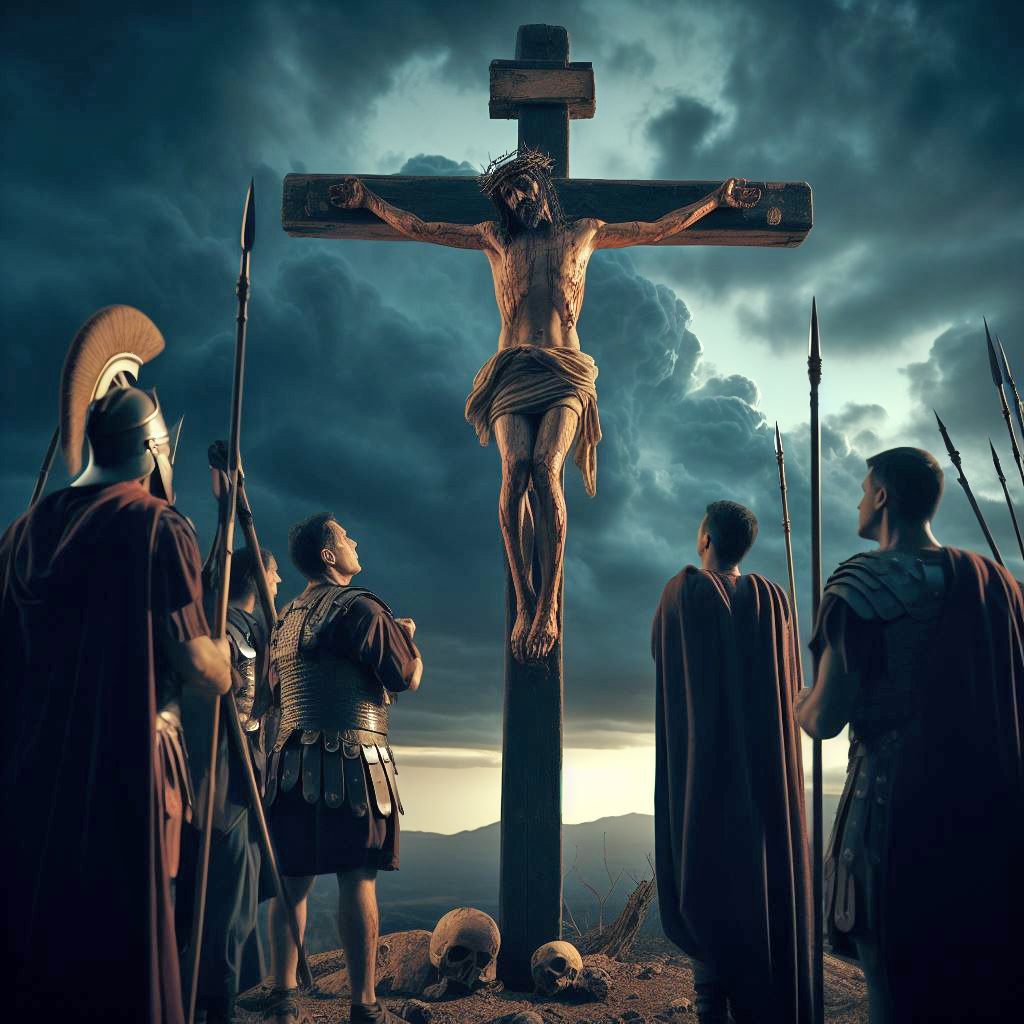


 What does it mean that eternal life is free? Free means it comes from God to us without charge. No payment is required of us before, during, or after salvation. No payment at all. It’s 100% free. No strings attached. It’s free to us because Christ did all the work when He hung on the cross, bore our sins, died in our place and paid the penalty that was due to us. This was all according to God the Father’s plan from eternity past. Nearly 2,000 years ago, God the Father sent God the Son into the world to accomplish our salvation. Jesus is God in the flesh (John 1:1, 14), “For in Him all the fullness of Deity dwells in bodily form” (Col 2:9). The merger of God and man occurred by means of God the Holy Spirit who brought about the union within the womb of the virgin Mary (Isa 7:14; Luke 1:30-35; Gal 4:4). The purpose of His coming was for our salvation, “For the Son of Man has come to seek and to save that which was lost” (Luke 19:10). The motivation was love, “For God so loved the world, that He gave His only begotten Son” (John 3:16a), and God “loved us and sent his Son to be the atoning sacrifice for our sins” (1 John 4:10). This work on the cross was necessary, for if we could save ourselves, then Jesus would not have needed to come and die in our place. But He came, and He lived the sinless life we cannot live (1 Pet 2:22; 1 John 3:5), and He alone dealt with our sins on the cross (2 Cor 5:21). And the means of payment for our sins was His “precious blood, as of a lamb unblemished and spotless, the blood of Christ” (1 Pet 1:19). The blood of Christ is the only coin of the heavenly realm that God the Father accepts as payment for our sin debt. While on the cross, “Christ died for our sins” (1 Cor 15:3), He died in our place, “the just for the unjust, so that He might bring us to God” (1 Pet 3:18).
 After Jesus paid for all our sins, “He said, ‘It is finished!’ And He bowed His head and gave up His spirit” (John 19:30). Salvation was finished at the cross. Finished! There’s nothing for us to pay, because Jesus paid it all. God had to arrange it this way, because we are totally unworthy and helpless to save ourselves. “For there are none righteous, not even one…for all have sinned and fall short of the glory of God” (Rom 3:10, 23). And Paul wrote, “For while we were still helpless, at the right time Christ died for the ungodly…[and] God demonstrates His own love toward us, in that while we were yet sinners, Christ died for us” (Rom 5:6, 8). Because Jesus died for everyone, everyone is savable, for God has brought “salvation to all men” (Tit 2:11), and He “desires all men to be saved” (1 Tim 2:4), and is “not wishing for any to perish” (2 Pet 3:9). After Jesus died, He was placed in a grave and was resurrected to life on the third day (Acts 2:23-24; 4:10; 10:40; 1 Cor 15:3-4), never to die again (Rom 6:9). He conquered sin and death and made a way for us to be saved from eternal damnation. Salvation is never what we do for God, but rather, what He’s done for us through the person and work of Jesus Christ.
 It’s crucial to clarify that faith itself does not have the power to save. Jesus is the one who saves. Faith is merely the means, or the “empty hand” that receives God’s free gift. Just as a hand receives a gift without offering anything in return, so too does faith receive salvation without contributing anything to it. This reflects the grace of God—His unmerited favor. The gift of eternal life is available to all people, but it can only be received by those who believe in Christ as their Savior. Many people stumble over the simplicity of the gospel because it’s difficult to imagine that God could offer something so wonderful as a free gift. But His free gift is that simple to receive. Others stumble because of pride, because they want to feel like they’re doing something to help save themselves. But there’s no place for pride when it comes to the gospel of grace. God alone gets all the glory, for He does all the work, and we receive the benefit of His effort. He alone saves.
 A large portion of humanity buys into the great lie that we have the ability within ourselves to save ourselves, or at least to help God in the salvation process, whether to a small or large degree. The Bible is plain that salvation is completely by grace and not by human works (Eph 2:8-9). Grace is unmerited favor; it is undeserved goodness. Grace flows from the heart of a giver who loves graciously and chooses to bestow kindness regardless of merit. None of us deserve God’s salvation, and we cannot, by any means whatsoever, earn it. The beauty of grace is that it is given freely, without cost to the recipient, and with no expectation of payment. It’s a gift. Free and simple.
 In grace, the kindness shown is rooted in the goodness and open-handedness of the giver and is in no way predicated on the beauty or worth of the object. In fact, grace is greatest when the object is the least worthy or most undeserving, for if any merit can be given by the recipient, then grace ceases to be grace. Human works do not save. They never have, and never will. God expects good works to follow salvation (Gal 6:10; Eph 2:10), but they are never the condition of it (Rom 4:4-5; Gal 2:16).
 Any human effort to save oneself, whether as a prerequisite, corequisite, or postrequisite to faith in Christ, automatically produces a false gospel that saves no one. Salvation is entirely from the Lord. God sent His Son to die for our sins, and to die for all of them. And the Son accomplished the Father’s work on the cross, forever satisfying every righteous demand of the Father concerning our sins. The plain teaching of Scripture is that Jesus is “the Lamb of God who takes away the sin of the world!” (John 1:29), and “Christ died for sins once for all, the just for the unjust, so that He might bring us to God” (1 Pet 3:18), and “He Himself is the propitiation for our sins; and not for ours only, but also for those of the whole world” (1 John 2:2). As spiritually impoverished, we approach God with the empty hands of faith, offering nothing but receiving everything He offers. It’s important to understand that faith does not save; rather, Christ saves. He alone deserves all glory and credit, and we receive the blessings of His sacrifice on the cross.
 Eternal salvation is a free gift from God, available to all who desire it. Jesus died for everyone (John 3:16; Heb 2:9; 1 John 2:2), which means everyone is savable, and the gospel of grace is open to all who want it. The Bible speaks of “God our Savior, who desires all men to be saved and to come to the knowledge of the truth” (1 Tim 2:3-4), who has brought “salvation to all men” (Tit 2:11), and is “not wishing for any to perish but for all to come to repentance” (2 Pet 3:9). Faith in Christ is the sole condition for salvation. Scripture states, “whoever believes in Him shall not perish, but have eternal life” (John 3:16), and “you are all children of God through faith in Christ Jesus” (Gal 3:26), and “I have written to you who believe in the name of the Son of God, in order that you may know that you have eternal life” (1 John 5:13). Paul tells us, “The free gift of God is eternal life in Christ Jesus our Lord” (Rom 6:23). Eternal life is completely free because none of us can earn it; the cost is too high, and we lack the currency to pay for such a priceless gift. But Jesus paid our sin debt in full, having died on the cross in our place, and we were redeemed “with precious blood, as of a lamb unblemished and spotless, the blood of Christ” (1 Pet 1:19). The blood of Christ is the coin of the heavenly realm that paid our sin debt, and when we trust in Christ as our Savior, all the benefits of the cross are applied to us, and we receive eternal life.
 The gospel is the good news that addresses the bad news of human sinfulness and separation from a holy God. Despite our helplessness and deserving of eternal punishment, God’s solution is the gospel of grace, which reveals Jesus Christ took our sins upon Himself, died, was buried, and resurrected on the third day (1 Cor 15:3-4). At the cross, God judged our sin as His righteousness required, and pardons the sinner as His love desires. Salvation from eternal damnation is a free gift offered to all who trust in Christ alone, which emphasizes God’s infinite grace rather than our human effort. This ultimate gift, paid for by Jesus’s sacrifice, underscores the Bible’s message that “the free gift of God is eternal life in Christ Jesus our Lord” (Rom 6:23), highlighting God’s generosity and the completeness of Christ’s work on the cross.
 We are helpless to save ourselves, but God made a way, and this because He loves us and desires our salvation. He loves us so much that He sent His Son into the world to pay the sin debt we cannot pay. We’re told, “By this the love of God was manifested in us, that God has sent His only begotten Son into the world so that we might live through Him. In this is love, not that we loved God, but that He loved us and sent His Son to be the propitiation for our sins” (1 John 4:9-10). Nearly 2,000 years ago, God the Father sent God the Son into the world to take upon Himself humanity (Isa 7:14; Luke 1:30-35; John 1:1; 14; Heb 10:5), to be free from sin (2 Cor 5:21; Heb 4:15; 1 Pet 2:22; 1 John 3:5) and to live a perfectly righteous life. Jesus said, “I have come down from heaven, not to do My own will, but the will of Him who sent Me” (John 6:38; cf., John 7:29; 8:29; Gal 4:4). Jesus was sent by the Father to be “the Lamb of God who takes away the sin of the world” (John 1:29), for “God so loved the world, that He gave His only begotten Son, that whoever believes in Him shall not perish, but have eternal life” (John 3:16).
 Jesus willingly went to the cross and paid our sin-debt (John 10:18). His death was a penal substitutionary sacrifice for us, as the Son of Man came “to give His life a ransom for many” (Mark 10:45). Paul wrote, “God demonstrates His own love toward us, in that while we were yet sinners, Christ died for us” (Rom 5:8). Peter said, “Christ also died for sins once for all, the just for the unjust, so that He might bring us to God” (1 Pet 3:18). His death on the cross was for all sins for all time, for “the death that He died, He died to sin once for all” (Rom 6:10), He “offered one sacrifice for sins for all time” (Heb 10:12), and “He Himself is the propitiation for our sins; and not for ours only, but also for those of the whole world” (1 John 2:2). Because of Jesus’ death on the cross, God “canceled out the certificate of debt consisting of decrees against us, which was hostile to us; and He has taken it out of the way, having nailed it to the cross” (Col 2:14). There’s nothing for us to add to Jesus’ work on the cross. Having paid our sin debt in full on the cross, Jesus said, “It is finished!” (John 19:30), and then He died.
 Salvation is a gift from the Lord. It is the most precious gift ever offered. And though the gift was very expensive to God, it is absolutely free to us. The precious gift of our salvation was paid in full by the Lord Jesus Christ who died for our sins, who hung between heaven and earth and paid our sin-debt. According to God’s Word, “the free gift of God is eternal life in Christ Jesus our Lord” (Rom 6:23). The words “free gift” translate the Geek noun charisma (χάρισμα) which, according to BDAG, refers to “that which is freely and graciously given, favor bestowed, gift.”
 After salvation-justification, the Lord directs us to begin a lifelong journey of faith (2 Cor 5:7; Heb 10:38; 11:6), and to “press on to maturity” (Heb 6:1). This glorifies God, edifies others, and results in the best life possible in this world. Good works is what God expects of His people. Jesus said, “Let your light shine before men in such a way that they may see your good works, and glorify your Father who is in heaven” (Matt 5:16). Paul wrote, “For we are His workmanship, created in Christ Jesus for good works, which God prepared beforehand so that we would walk in them” (Eph 2:10). The Lord instructs us “to deny ungodliness and worldly desires and to live sensibly, righteously and godly in the present age” (Tit 2:12) and to be “zealous for good deeds” (Tit 2:14). We agree with Paul who wrote, “So then, while we have opportunity, let us do good to all people, and especially to those who are of the household of the faith” (Gal 6:10). God clearly calls His people to a life of obedience and good works. There is no question about this. The Scriptures are plain on the matter, instructing us, “like the Holy One who called you, be holy yourselves also in all your behavior” (1 Pet 1:15). It is never the will of God that we sin; however, when we sin (and there is no Christian who does not sin), it is always His will that we handle it biblically by means of confession (1 John 1:9), which always results in forgiveness and restoration of fellowship. If we fail to walk in regular obedience to the Lord, we are subject to divine discipline in time (Heb 12:5-11), and loss of rewards in eternity (1 Cor 3:10-15; 2 John 1:8). Though believers may turn from the Lord and pursue a life of sin, these will also experience divine punishment, even to the point of physical death (1 Cor 11:30; 1 John 5:16-17), but will not forfeit their salvation, which is not possible (John 10:28).
 In the Gospels, the “tradition of the elders” (Matt 15:2) refers to a set of oral and written traditions and interpretations of the Mosaic Law that were passed down within Jewish society by the religious leaders (what became known as the Mishna and Talmud). These traditions were not part of the written Torah but were considered by some Jewish groups, particularly the Pharisees, to be equally authoritative with the Scriptures. The Pharisees believed in the importance of upholding these traditions alongside the written Law. Jesus challenged the authority of the religious leaders by emphasizing the primacy of God’s commandments according to the Mosaic Law. Jesus accused the scribes and Pharisees of breaking God’s law, saying, “you invalidate the Word of God for the sake of your tradition (Matt 15:6), and “Neglecting the commandment of God, you hold to the tradition of men” (Mark 7:8), and “You are experts at setting aside the commandment of God in order to keep your tradition” (Mark 7:9).
 Biblically, we know God calls His children to a life of good works, “which He prepared beforehand so that we would walk in them” (Eph 2:10), and when the occasion arises, to “do good to all people, and especially to those who are of the household of the faith” (Gal 6:10), and to be “zealous for good deeds” (Tit 2:14). Though good deeds should follow salvation, they are never the condition of it. Faith alone in Christ alone is the sole condition of salvation. Faith + good works are taught by Arminians and those who promote Lordship Salvation. But Free Grace teachers advocate that eternal salvation is by grace alone (Rom 3:24; Eph 2:8-9), through faith alone (Rom 3:28; 5:1; Gal 2:16; Eph 2:8-9), in Christ alone (John 14:6; Acts 4:12), provided as a free gift from God. Paul said we are “justified as a gift by His grace through the redemption which is in Christ Jesus” (Rom 3:24), and “the free gift of God is eternal life in Christ Jesus our Lord” (Rom 6:23), and “by grace you have been saved through faith; and that not of yourselves, it is the gift of God” (Eph 2:8). A gift is often given as a gesture of affection or goodwill. And it is given willingly to someone without expectation of payment in return, no strings attached, being paid in full by the giver and offered absolutely free to the recipient. If the recipient has to pay for the item in any way, in part or in whole, it ceases to be a gift. But salvation is a gift from God, and this means it cannot be earned through human effort or good works. Good works have no saving merit in God’s sight (Isa 64:6; Rom 4:4-5; Eph 2:8-9; Tit 3:5). When a person accepts the gospel message that Christ died for them, was buried, and raised on the third day (1 Cor 15:3-4), and then personally believes in Jesus as their Savior, they are immediately and forever justified in the eyes of the Lord. Justification in God’s sight is a once-and-done event that forever declares a person is right with the Lord, and this because the finished work of Christ has been applied to them at the moment they trusted Jesus as their Savior. At the moment of faith in Christ, “everyone who believes in Him receives forgiveness of sins” (Acts 10:43), receives “the gift of righteousness” (Rom 5:17), which is “the righteousness which comes from God on the basis of faith” (Phil 3:9), and “the free gift of…eternal life” (Rom 6:23; cf., John 10:28). At the moment of spiritual birth (1 Pet 1:3, 23), the believer is sealed by God the Holy Spirit (Eph 1:13; 4:30), and thus cannot be unsealed.
 Love is an intrinsic attribute of God that motivated Him to reach into time and space and offer salvation to lost sinners who have offended Him. This was a voluntary act of love on the part of God, as He was in no way compelled to act. But He did act for our benefit, and this is most pronounced in the sending of His Son to die for us. In Scripture, we are told, “For God so loved the world, that He gave His only begotten Son, that whoever believes in Him shall not perish but have eternal life” (John 3:16). Here, the apostle John used the Greek verb agapao (ἀγαπάω), which speaks of God’s love for lost sinners, and His love was manifest toward us by providing His uniquely born Son as an atoning sacrifice for sin so that we might not spend eternity in the lake of fire. Instead, we might believe in His Son and come to possess eternal life. Love here is universal, extending to all of humanity. It is gracious because the object is undeserving (Rom 5:8). It is giving, as God gave His precious Son to die for us. It is simple, being received by faith alone in Christ alone (Acts 4:12; Eph 2:8-9). And it is salvific, saving those who accept God’s Son as their Savior (John 1:12; Gal 3:26).




 The Bible reveals God is absolutely righteous and set apart from all that is sinful (Psa 11:7; 99:9; Hab 1:13; 1 John 1:5) and He hates and condemns sin (Deut 25:16; Psa 5:5; 45:7; Prov 8:13; 15:9, 26; 20:9; Zech 8:17; Rom 1:18; Col 3:6; Heb 1:9). The problem for us is that all mankind is sinful (Gen 6:5; 8:21; 1 Ki 8:46; Psa 143:2; Eccl 7:20; Isa 59:2; 64:6; Jer 17:9; Rom 3:10; 3:23; Eph 2:1-2; 1 John 1:8, 10). Not only are we sinful, but our good works have no saving merit (Rom 4:4-5; Gal 2:16; Eph 2:8-9; Tit 3:5). Our salvation was accomplished 100% by Jesus who died on the cross for our sins. Salvation is never what we do for God, but what He’s done for us at the cross (Rom 5:8; 6:10; 1 Cor 15:3-4; 1 Pet 3:18). God offers to justify and save us freely as a gift, totally apart from any good works we may perform (Rom 3:24, 28, 4:5; Gal 2:16; Eph 2:8-9; Tit 3:5; 1 Pet 3:18). God’s salvation comes to us who have trusted in Christ as our Savior (John 3:15-18; 6:40; 10:28; 11:25; 14:6; Acts 4:12; 16:31; 1 John 5:12). Salvation means we have forgiveness of sins (Eph 1:7), the gift of righteousness (Rom 5:17; 2 Cor 5:21; Phil 3:9), eternal life (John 10:28), are part of the family of God (Gal 3:26; 1 John 3:1), are blessed with many spiritual blessings (Eph 1:3), and will never face condemnation (Rom 8:1, 33).
 When we understand these truths by studying Scripture and accept them by faith, we have assurance of our salvation because we trust in God and His Word (Psa 119:160; John 17:17). The apostle Paul wrote, “I know whom I have believed and I am convinced that He is able to guard what I have entrusted to Him until that day” (2 Tim 1:12). The apostle John wrote, “God has given us eternal life, and this life is in His Son. He who has the Son has the life; he who does not have the Son of God does not have the life” (1 John 5:11-12). The assurance of salvation does not come by looking to ourselves, but to the One who saved us. John also wrote, “These things I have written to you who believe in the name of the Son of God, so that you may know that you have eternal life” (1 John 5:13). Assurance of salvation is not a guessing game for those who have trusted in Jesus as their Savior, but is a confidence that is rooted in the revelation of God’s Word. For those of us who have trusted in Jesus as our Savior—believing He died for our sins, was buried, and raised again on the third day—we have eternal life. According to Zane Hodges, “It should be said here that all true assurance of salvation and eternal life must rest on the ‘testimony of God,’ for only that testimony has full reliability and solidity.”
 The Word of God is the objective basis for what we believe, and our focus should always be on learning and living His Word so that we can expunge any false ideas and properly calibrate our thinking to align with His divine revelation. Jesus said we have “eternal life…and will never perish” (John 10:28); therefore, there is no danger of us losing our salvation, for there is “no condemnation for those who are in Christ Jesus” (Rom 8:1), and “Who will bring a charge against God’s elect? God is the one who justifies” (Rom 8:33). The matter of our eternal destiny was settled at the cross when Jesus paid the penalty for all our sins. And Jesus’ work on the cross was perfectly applied to us at the moment we trusted in Him as our Savior.
 As Christians, when we think of salvation, it most often pertains to our spiritual deliverance from the lake of fire, which is the place of eternal suffering for those who reject Christ as Savior. John tells us, “if anyone’s name was not found written in the book of life, he was thrown into the lake of fire” (Rev 20:15). Spiritual salvation is the most important kind of salvation mentioned in the Bible, for it matters little if one is rescued a thousand times from physical danger, but ultimately fails to receive deliverance from the danger of hell. God loves everyone and is “not wishing for any to perish but for all to come to repentance” (2 Pet 3:9). And He has made a way for lost sinners to be saved from hell and brought to heaven, and this through His Son, Jesus, for “there is salvation in no one else; for there is no other name under heaven that has been given among men by which we must be saved” (Acts 4:12).
 In Acts 4:12, Peter states, “There is salvation in no one else; for there is no other name under heaven that has been given among men by which we must be saved.” And the name he’s talking about is the name of Jesus, the theanthropic Person who came into this world (John 1:1, 14), lived a sinless life (2 Cor 5:21; Heb 4:5; 1 John 3:5), and went to the cross and died a penal substitutionary death for all mankind (1 Cor 15:3-4; 1 Pet 3:18). Peter dogmatically states that salvation is found only in Jesus Christ. This is exclusive, for it means there is only way to be saved. The word “must,” in Acts 4:12, translates the Greek verb δεῖ dei, which speaks of divine necessity. This means it is necessary to come to Jesus, and Jesus alone, for our salvation, “for there is no other name under heaven that has been given among men by which we must be saved.” We need only Christ to be saved. And to be saved (σῴζω sozo) calls for one action only, and that is to trust in Christ as our Savior. This means we accept the good news “that Christ died for our sins according to the Scriptures, and that He was buried, and that He was raised on the third day according to the Scriptures” (1 Cor 15:3-4). And if we trust in Jesus as our Savior, we will have forgiveness of sins (Eph 1:7), eternal life (John 10:28), and the gift of righteousness (Rom 5:17; Phil 3:9). Here is grace, as we can be forgiven and made right with God. We are saved by grace alone, through faith alone, in Christ alone (Eph 2:8-9). We are not required to produce any works to be saved (Rom 4:4-5). None whatsoever. No works before, during, or after salvation, “For we maintain that a man is justified by faith apart from works of the Law” (Rom 3:28). Our forgiveness of sins and eternal life are a free gift from God to us, paid in full by the Lord Jesus. We are helpless to save ourselves (Rom 5:6-10), and we come with the empty hands of faith, offering nothing, only receiving the free gift that God offers to us. Once we are saved, good works should follow salvation (Eph 2:10; Tit 2:11-14), but they are NEVER the condition of it. Good works that follow salvation earn us rewards in heaven; but heaven itself is the blessing that comes to us by grace, and this blessing to us is the work of Christ alone.
 The good news of the gospel is that Jesus died for everyone (John 3:16; 1 John 2:2), which means everyone is savable. That’s unlimited atonement. But, though Christ died for everyone, the benefit of salvation is given only to those who believe in Jesus as their Savior. These are the elect. The gospel message is simple, even a child can understand it and be saved. If you’ve not trusted in Jesus as Savior, then I “beg you on behalf of Christ, be reconciled to God” (2 Cor 5:20). Turn to Christ as your Savior, believing He died for your sins, was buried, and raised again on the third day. And no matter what your past sins may be, no matter how many or egregious, God will forgive you (Eph 1:7), give you eternal life (John 10:28), and bless you with a portfolio of spiritual assets (Eph 1:3) that will open for you the most wonderful life you can have in this world; a life in relationship with God. And this all starts when you simply believe in Christ as your Savior. This is the most important decision you can make in your life, for it determines both the quality of life you have in this world, as well as your eternal destiny afterwards.
 There are numerous passages in the Bible that place faith as the necessary prerequisite to regeneration. It is written, “For God so loved the world, that He gave His only begotten Son, that whoever believes in Him shall not perish, but have eternal life” (John 3:16), and Jesus said, “This is the will of My Father, that everyone who beholds the Son and believes in Him will have eternal life” (John 6:40). In these and other instances, “eternal life” is given after we believe in Jesus as our Savior. Furthermore, people are condemned, not because God has not made a way for them to be saved, but because of their unwillingness to come to Christ as Savior. The issue is individual choice, not inability. The apostle John said, “He who believes in Him is not judged; he who does not believe has been judged already, because he has not believed in the name of the only begotten Son of God” (John 3:18). Jesus, speaking to unsaved persons, said, “You search the Scriptures because you think that in them you have eternal life; it is these that testify about Me; and you are unwilling to come to Me so that you may have life” (John 5:39-40). Jesus said the Holy Spirit convicts everyone of sin (John 16:8), particularly the sin of unbelief, “because they do not believe in Me” (John 16:9). There is only one sin that keeps a person out of heaven, and that is the sin of unbelief; of rejecting Jesus as the only Savior. Apparently unbelievers may resist the Holy Spirit, as Stephen said in his sermon, “You men who are stiff-necked and uncircumcised in heart and ears are always resisting the Holy Spirit” (Acts 7:51a).
 Scripture reveals that “God is now declaring to men that all people everywhere should repent” (Acts 17:30). This means they must not trust in themselves or any system of good works to save, but must trust in Christ, and Christ alone to save. Faith does not save. Christ saves. Faith is the non-meritorious instrument by which we receive eternal life. The Strict-Calvinist believes Christ died only for the elect (Matt 1:21; John 10:15), and only the elect are savable. The Moderate-Calvinist believes Christ died for everyone (John 3:16; Heb 2:9; 1 John 2:2); therefore, everyone is savable, though only the elect will believe. Paul said, “For the grace of God has appeared, bringing salvation to all men” (Tit 2:11), and that God “desires all men to be saved and to come to the knowledge of the truth” (1 Tim 2:4). Peter stated, “The Lord is not slow about His promise, as some count slowness, but is patient toward you, not wishing for any to perish but for all to come to repentance” (2 Pet 3:9). Like the apostle Paul, I “beg you on behalf of Christ, be reconciled to God” (2 Cor 5:20). You can be saved by believing the gospel message “that Christ died for our sins according to the Scriptures, and that He was buried, and that He was raised on the third day according to the Scriptures” (1 Cor 15:2-4).