God Desires Eternal Salvation for Everyone

God desires eternal salvation for everyone. Scripture declares that He “desires all men to be saved and to come to the knowledge of the truth” (1 Tim 2:4), that “the grace of God has appeared, bringing salvation to all men” (Tit 2:11), and that He is “not wishing for any to perish but for all to come to repentance” (2 Pet 3:9). Nearly 2,000 years ago, God the Son took on humanity and entered the world on a rescue mission—“to seek and to save that which was lost” (Luke 19:10). He accomplished this mission at the cross, where He died in our place, bearing the judgment we deserved. Jesus “gave Himself as a ransom for all” (1 Tim 2:6; cf. Mark 10:45), offering “one sacrifice for sins for all time” (Heb 10:12). As Peter affirms, “Christ died for sins once for all, the just for the unjust, so that He might bring us to God” (1 Pet 3:18). He was buried and raised on the third day, never to die again (1 Cor 15:3–4; Rom 6:9). His resurrection proved the success of His work, for “He was handed over to die because of our sins, and He was raised to life to make us right with God” (Rom 4:25).

Living the Sanctified Christian Life

Eternal salvation unfolds in three tenses. Phase one is justification—past tense. That’s the moment you trusted in Jesus Christ as your Savior. You were saved from the penalty of sin (John 3:16; Rom 5:1; 8:1). It’s instantaneous, permanent, and entirely by grace through faith (Eph 2:8-9). Eternal life is a free gift from God (Rom 6:23). You didn’t earn it (Rom 4:5), you don’t maintain it (Gal 2:16), and you can’t lose it (John 10:28-29; Eph 1:13-14; 1 John 5:11-13). Phase two is sanctification—present tense. It’s the daily battle: learning doctrine (1 Pet 2:2), renewing the mind (Rom 12:2), being filled with the Spirit (Eph 5:18), walking by the Spirit (Gal 5:16), walking by faith (2 Cor 5:7; Heb 10:38), and saying “no” to the flesh (Rom 13:14). It’s not about staying saved—you’re already secure. It’s about growing up spiritually and living like a child of God (1 Pet 2:2; Eph 4:1). Rewards are at stake (1 Cor 3:12-15). Fellowship is on the line (1 John 1:6). Phase three is glorification—future tense. It’s the finish line. No more sin nature. No more death. You get a resurrection body, custom-fit for eternity (1 Cor 15:53; Phil 3:20-21). Face-to-face with Christ. No struggle, no failure—just perfect conformity to His image forever (1 John 3:2, 5). That’s your guaranteed future. All three phases are part of God’s gracious plan, but they must be kept distinct. Confuse them, and you’ll either fall into legalism or question your salvation. Get them clear, and you’ll live with confidence, freedom, and focus.

Genesis 6 and the Sons of God

This article examines the meaning of the phrase “sons of God” in Genesis 6:1–4, presenting three major interpretations. The first identifies them as the godly line of Seth intermarrying with the ungodly line of Cain. The second sees them as demon-possessed men. The third—and most strongly supported—view holds that the “sons of God” were fallen angels who took on human form and cohabited with women, producing a hybrid offspring. This view is reinforced by consistent usage of the Hebrew phrase bene ha-Elohim in reference to angels, supporting biblical texts (Job, 1 Pet 3:19-20; 2 Pet 2:4; Jude 6–7), and longstanding Jewish and early Christian interpretation.

Why and How I Pray for Israel

God’s faithfulness to Israel is rooted in His eternal covenant with Abraham, not in Israel’s performance or worthiness. Though the nation is currently under divine discipline for rejecting the Messiah, Scripture assures that God has not cast them off. His promises remain intact, and Israel’s future restoration is guaranteed by His unchanging character and covenant love (Gen 12:1–3; Rom 11:25–29). The pattern of Moses’ intercession in Exodus 32—appealing to God’s ownership of His people, His reputation among the nations, and His sworn promises—serves as a model for prayer today. Those who understand God’s plan for Israel are moved to pray, not merely for their safety, but for the fulfillment of God’s purposes, the vindication of His name, and the coming day when all Israel will turn to Messiah in faith (Zech 12:10; Rom 11:26).

Vertical and Horizontal Confession

Biblically speaking, there are two kinds of confession: vertical confession to God and horizontal confession to people. Both vertical and horizontal confession play crucial roles in the believer’s life, but they serve different purposes and yield different outcomes. Vertical confession restores our fellowship with God and secures forgiveness, as it is based on His unchanging faithfulness (Psa 32:5; 1 John 1:9). This process is always certain, for God’s forgiveness is not contingent upon our feelings or external circumstances. Horizontal confession, however, is a relational matter that seeks reconciliation with others and healing within the body of Christ (Matt 5:23–24; Jam 5:16).

Walk in Righteousness

To walk in righteousness means to live each day according to God’s revealed standards, reflecting His character through our attitudes, words, and actions. It’s not a self-righteous strut but a Spirit-led stride—a humble, faithful journey that begins with our standing in Christ and extends to our daily conduct. Scripture states, “The steps of a man are established by the Lord, and He delights in his way” (Psa 37:23). Righteousness is not merely a theological category—it’s a lifestyle that aligns us with God’s will and purposes. And as we pursue this path, we become living testimonies of God’s grace in a world darkened by sin (Matt 5:14-16).

Does the Spirit Draw Everyone?

Over the past year, I’ve been asked more than once, “Does the Holy Spirit draw everyone?” The answer, biblically, is yes. The Spirit draws all people, but not all respond positively. The drawing is universal in scope, but resistible in nature. Jesus declared, “And I, if I am lifted up from the earth, will draw all men to Myself” (John 12:32). The Greek verb helkō (ἑλκω)—translated “draw”—means to strongly attract, not to override the will. Christ’s crucifixion launched a global outreach consistent with God’s desire that “all men be saved and come to the knowledge of the truth” (1 Tim 2:4) and His unwillingness for “any to perish but for all to come to repentance” (2 Pet 3:9). Paul reinforced this same message, writing, “For the grace of God has appeared, bringing salvation to all men” (Tit 2:11).

Five Reasons Calvinism is Wrong

Calvinism has long exerted theological influence over many branches of the Church, offering a systematic framework known by the acronym TULIP—Total Depravity, Unconditional Election, Limited Atonement, Irresistible Grace, and Perseverance of the Saints. While the system seeks to uphold the sovereignty of God and the seriousness of sin, its rigid formulations often depart from the plain teaching of Scripture and, in doing so, distort key doctrines of salvation. Each point in the Calvinist construct contains embedded assumptions that collapse vital biblical distinctions—between depravity and inability, between God’s love and arbitrary election, between provision and application, and between faith and performance. This article aims to examine each of the five points, not out of theological sport, but out of a pastoral concern for the clarity of the gospel, the character of God, and the assurance of every believer. The truth of God’s Word is not merely to be systematized but rightly divided—and when Calvinism’s claims are laid alongside Scripture, it is evident that its conclusions must be graciously but firmly rejected.

Christians Under the Law of Christ

The Bible teaches that Christians today are not under the Mosaic Law but are governed by the Law of Christ (Gal 6:2). The apostle Paul states, “you are not under law but under grace” (Rom 6:14), and again, “Christ is the end of the law for righteousness to everyone who believes” (Rom 10:4). The Mosaic Law was given exclusively to the nation Israel as part of a covenant made at Sinai (Ex 19:5-6; Deut 5:1-3). Moses wrote, “These are the statutes and ordinances and laws which the Lord established between Himself and the sons of Israel through Moses at Mount Sinai” (Lev 26:46). The Mosaic Law was never intended as a universal code for all people or for all time. With the death of Christ, that covenant—and the law that sustained it—was rendered inoperative (Eph 2:15; Heb 8:13). Though the Law remains part of inspired Scripture and is valuable for teaching (2 Tim 3:16), it no longer functions as the rule of life for those who are in Christ.

The Ideal Man

Biblically, the ideal man is not autonomous but God-dependent. He is not ruled by selfish pride but shaped by humility, truth, and obedience to God. He devotes himself to the study of God’s Word (Psa 1:2; 2 Tim 2:15)—not merely to gain knowledge, but to know the Author and live wisely. He chooses wise friends and avoids fools (Prov 13:20). With a heart inclined toward obedience, he treasures Scripture as a lamp to his feet and a light to his path (Psa 119:105). He doesn’t separate theology from life but seeks to apply biblical truth to his thinking, relationships, work, and worship (Jam 1:22-25). For him, Bible doctrine is fuel for devotion, direction, and transformation. His convictions are rooted in truth, and his worldview is shaped by divine revelation, not cultural trends. If he leads in business, sports, or the military, he does so as a servant-leader—exercising authority with integrity, humility, and a view to the good of others (Mark 10:42-45).

Counting My Blessings

God has blessed me far beyond what I deserve, and I’m accountable for how I handle it. I don’t own these blessings—I manage them. My time, talents, and treasures belong to the Lord, and I’m called to use them for His glory and the good of others (1 Cor 10:31; 1 Pet 4:10–11). I want to enjoy what God has given, but never with entitlement. Gratitude is the right attitude. I reject both the hoarding mindset that clings to wealth and the guilt-ridden view that despises prosperity.

Biblical Thinking and Emotional Balance

The spiritual life is fundamentally rational, rooted in God’s Word rightly understood and applied (2 Tim 2:15; 3:16-17; 1 Pet 2:2; Jam 1:22). The Holy Spirit enables the believer to think clearly and act consistently with divine truth (1 Cor 2:12-16), producing a life aligned with the character and will of God (Rom 8:5-6; Gal 5:16, 22-23). When God’s Word governs the mind and positive volition directs the soul, the believer becomes spiritually stable. In this setting, emotion plays a legitimate, supportive role. It is healthy when subordinated to truth—enhancing joy, gratitude, courage, or compassion—but becomes dangerous when detached from doctrine and driven instead by the sin nature or worldly thinking (1 John 2:15-17). Emotion should follow truth, not lead it. When it leads, it distorts perception, fuels instability, and misguides decision-making.

Where You Look Determines How You Live

Spiritual maturity and mental health don’t happen by accident. It results from intentional focus—looking in the right direction. Far too many believers get tangled in introspection, endlessly examining themselves for signs of progress or failure. But Scripture calls us to a different orientation: upward toward God, outward toward others, and forward into the future God has promised. This tri-directional focus reflects a biblically grounded and grace-driven model for the Christian life.

Is Marijuana Spiritually Harmful?

Someone recently asked, “Do you think marijuana is harmful spiritually?” Yes, marijuana can be spiritually harmful—especially for believers who seek to live under the influence of the Holy Spirit and maintain a clear mind for godly thinking and decision-making. While Scripture doesn’t mention marijuana specifically, biblical principles give us solid footing for evaluating its spiritual impact. Discernment in areas not directly addressed in Scripture requires us to align our choices with God’s revealed will for righteousness and spiritual alertness (Rom 12:1-2).

Justification & Sanctification

Distinguishing between justification and sanctification is not a minor theological nuance—it’s a doctrinal dividing line with profound implications for how we understand our salvation, assurance, spiritual growth, and the Christian life. When we confuse these categories, we either burden ourselves with works to keep or prove our salvation, or we rob ourselves of the very motivation for obedience. We must keep the line sharp. Justification addresses our eternal position before God, while sanctification concerns our temporal condition in the world. When that boundary gets blurred, grace is either corrupted by legalism or rendered inert by license.

Pray for Israel, God’s Chosen People

Israel is God’s covenant nation, uniquely chosen out of all the peoples of the earth to serve His redemptive purposes in history. This divine selection was not based on national merit or numerical strength but solely on God’s sovereign love and fidelity to the promises made to Abraham, Isaac, and Jacob (Deut 7:6-9). The Abrahamic covenant—unconditional and everlasting (Gen 17:7)—established Israel as the vehicle through which God would bless the world. Though Israel’s national history has been marked by cycles of rebellion and judgment, God’s covenantal commitment to them has never been nullified. Even in their present condition of unbelief, they remain “beloved for the sake of the fathers” (Rom 11:28).

Humility Is Hard, But Worth It

Humility, expressed by the Hebrew word ʿānāw, refers to a lowly, dependent spirit that trusts in God rather than self. Moses is called very humble (Num 12:3), not because he was weak, but because he submitted fully to God’s authority. The Lord treasures this virtue, saying, “But to this one I will look, to him who is humble and contrite of spirit, and who trembles at My word” (Isa 66:2). Humility opens the heart to God’s instruction, grace, and favor—it is the soil in which spiritual growth takes root.

Israel, Globalism, and the Rapture

The Rapture of the Church is imminent—it could happen at any moment, without warning or prerequisite signs. However, while no event must occur before the Rapture, Scripture does reveal the conditions of the world leading up to the seven-year Tribulation that follows. As we observe present global trends, it appears that the stage is being set for the fulfillment of end-times prophecy. These developments, though not signs of the Rapture itself, may indicate how close the Tribulation—and thus the Rapture—may be.

The Great White Throne Judgment

The Great White Throne Judgment is the final courtroom scene in human history. It’s not a trial—it’s a sentencing. The evidence is already in. This is God’s last judgment on all unbelievers from every dispensation, from Cain to the last rebel at the end of the Millennium. It is described in Rev 20:11-15, and make no mistake—no believer will be present at this judgment (John 3:16-18; Rom 8:1). If you’re at the Great White Throne, you’re already on the wrong side of history—and eternity. The Judge is the Lord Jesus Christ, as Jesus said, “For not even the Father judges anyone, but He has given all judgment to the Son” (John 5:22). He sits on the Great White Throne, pure and blinding in righteousness and justice. Heaven and earth flee away—no place to hide, no defense attorneys, no character witnesses. Just perfect divine integrity measuring every unbeliever by the only standard that counts—God’s absolute righteousness.

An Ambassador for Christ

Paul was an ambassador for Christ, divinely commissioned to represent the King of heaven on earth. That calling shaped his identity—it wasn’t rooted in comfort, popularity, or freedom, but in God’s purpose for his life. Even when chained in a Roman prison, his role didn’t change. The world saw a captive; heaven saw a messenger on mission. His body may have been bound, but his spirit stood tall, anchored in the unchanging truth of who he was in Christ. Paul was “an ambassador in chains” (Eph 6:20).

How Can I Know I’m Saved?

The question “How can I know I’m really saved?” is one of the most common—and important—questions a Christian can ask. The answer must be rooted in the clear promises of Scripture, not in feelings, performance, or spiritual experiences. Biblically, the assurance of salvation rests entirely on the objective truth of God’s Word and the finished work of Jesus Christ—not on our fluctuating emotions, personal circumstances, or behavior. Salvation is by grace alone (Rom 6:23; Eph 2:8-9), through faith alone (Rom 3:28; Gal 2:16), in Christ alone (John 14:6; Acts 4:12). We are not saved by our works (Rom 4:4-5), commitment, fruit, or perseverance. Scripture states, “If we are faithless, He remains faithful, for He cannot deny Himself” (2 Tim 2:13). Salvation is never about what we do for God; it’s about what He has done for us through the Person and work of Jesus—the eternal Son of God—who died for our sins, was buried, and rose again on the third day (1 Cor 15:3-4).

What if I Don’t Feel Close to God?

Someone recently asked me, “What if I don’t feel close to God?” If you don’t feel close to God, don’t panic—you’re not alone. Countless believers have walked through dry seasons where God feels distant. The important thing to remember is that your relationship with God is based on truth, not feelings. Feelings fluctuate; truth does not. If you have trusted in Jesus Christ alone for salvation, you are permanently His—fully accepted, eternally secure, and unconditionally loved (John 1:12; Rom 8:38–39; Eph 1:6). You may not feel close, but God has promised, “I will never desert you, nor will I ever forsake you” (Heb 13:5). That’s not a mood—that’s a fact. Live by faith, not feelings.

False Additions to the Gospel

The gospel is good news precisely because it’s not about what we do for God, but about what He has done for us through Jesus Christ. When we add anything to faith—no matter how religious or heartfelt—we muddy the message of the gospel and rob it of its power. God’s offer of eternal life is simple and pure: “Believe in the Lord Jesus, and you will be saved” (Acts 16:31). That’s it. No aisle to walk, no prayer to recite, no checklist to complete. Just trust in the crucified and risen Savior who paid it all. Strip away the clutter, and you’ll find a gospel that is truly grace from start to finish—free, full, and forever.

Walk in Truth and Wait for Justice

As Christians, we live in a fallen world filled with hostility and injustice, and God calls us to a higher standard—one grounded in His persistent grace and governed by His perfect justice. We are never to repay evil for evil, nor allow hatred to fester in our hearts. Instead, we are commanded to love, bless, and pray for our enemies, trusting the Lord to settle all accounts in His time (Luke 6:27-28; Rom 12:17-21). However, biblical love is not synonymous with passivity or gullibility. Like Jesus and Paul, we must walk wisely, discerning when to avoid conflict (John 8:59; 12:36; Acts 9:23-25), and when to take lawful, prudent steps to protect ourselves (Matt 22:15-45; Acts 22:25-29). Love does not erase common sense; it refines it.

Recalibrating the Mind with Scripture

Biblical self-talk is the intentional act of bringing one’s thoughts into alignment with God’s truth by speaking His Word to oneself. It’s psychological recalibration, with Scripture as the standard for right thinking (orthodoxy). The believer replaces lies, fears, or unstable emotions with divine perspective—truth that steadies the soul and guides the heart. The battle for faith is often waged in the inner life, and Scripture-based self-talk is a vital weapon in the arsenal of spiritual stability.

Solomon: The Saved King Who Worshiped Idols

Solomon stands as one of the most fascinating and tragic figures in biblical history. His life began with divine favor and spiritual clarity, but ended in failure and divine discipline. Yet the biblical evidence supports the conclusion that Solomon was regenerate—a child of God who, despite his later-life apostasy, remained eternally secure in God’s grace. His story illustrates both the high privilege of being chosen by God and the severe consequences of spiritual compromise. But it also affirms the unbreakable nature of God’s saving promises—that a believer, once saved, is always saved (John 10:28; Rom 11:29; 2 Tim 2:13).

Eternal Life Is Free, but Eternal Rewards Are Earned

Eternal life is a free gift. Rewards are earned. We can’t lose our salvation—ever, because it’s an irrevocable free gift, by grace alone, through faith in Christ alone (John 10:28; Eph 2:8-9). It’s the gift of God (Rom 6:23), not of works (Rom 4:4-5). But while eternal life is secure, rewards are not. We can forfeit eternal rewards through failure in the spiritual life. Rewards are tied to faithfulness, obedience, and production under the filling of the Spirit. They’re not about keeping salvation. They’re about honor, authority, privilege, and commendation before Jesus Christ at the Judgment Seat of Christ (Rom 14:10; 2 Cor 5:10).

Sanctification and the Renewing of the Mind

Sanctification is like cleaning out a hoarder’s house. At the moment of faith, we’re made new in Christ—completely saved, sealed, and secure. But practically, our minds are often packed with years of mental clutter: lies, fear, guilt, bad theology, and survival tactics that no longer serve us. Like old junk, that stuff has to go. God doesn’t just clean house—He renovates it. His Spirit works through His Word to tear down strongholds and build a new way of thinking. This isn’t about earning His favor—we already have that in Christ (Rom 5:1). It’s about experiencing the freedom, clarity, and peace He wants for us, and being able to help others do the same.

The God Who Knows Your Name

One of the most comforting truths in the Christian life is that God knows us perfectly and loves us completely. It is said of the Lord, “He counts the stars and calls them all by name” (Psa 147:4). If God’s knowledge is that specific concerning His creation, how much more so regarding His children? Jesus reminded us that not even a sparrow falls to the ground apart from the Father’s will (Matt 10:29), and then added, “The very hairs of your head are all numbered” (Matt 10:30). God doesn’t merely notice us—He knows us. He knows when we sit down and when we rise up (Psa 139:2a), our thoughts before we think them (Psa 139:2b), and our words before we speak them (Psa 139:4).

Sovereignty and the Open Door of Grace

God is absolutely sovereign, but in His sovereignty, He chose to give mankind volition. That means people have the capacity to choose—to believe or reject, to obey or disobey. While all are born spiritually dead in Adam, that death is separation, not inability. A spiritually dead person is not a rock or a robot. Dead does not mean nonfunctional; it means cut off from God, not insensible. The Bible shows that unbelievers can perceive truth, respond to God, and are held accountable for doing so (Rom 1:18-20; Acts 17:27-31). The idea that only some are chosen to be saved and the rest left without any real chance is a theological fiction, not biblical doctrine. Scripture clearly states that Christ died for the sins of all humanity—not just the elect (1 John 2:2; Heb 2:9). The invitation is universal because the provision is universal. God desires all to be saved and come to the knowledge of the truth (1 Tim 2:4).

Why Regeneration Does Not Precede Faith

Strict Calvinism, particularly in its Lordship Salvation expression, teaches that genuine faith inevitably produces a life of obedience, perseverance, and good works, since regeneration precedes faith and imparts a supernatural ability to believe and obey. However, this view confuses justification with sanctification by making ongoing obedience a necessary proof of salvation. Biblically, all people are spiritually dead and totally depraved (Rom 3:10-12; Eph 2:1), yet God’s prevenient grace and the convicting work of the Spirit enable unbelievers to respond freely in faith (John 16:8-11). Faith precedes regeneration (John 3:16; Eph 1:13), and eternal life is a free gift received by grace through faith alone in Christ alone, apart from works (Rom 4:5; Eph 2:8-9). While discipleship involves lifelong obedience and is rewarded, it is not a condition for salvation (1 Cor 3:12-15; 2 Tim 4:7-8). The Lordship view undermines assurance by tying it to performance, rather than to God’s unchanging promise (John 10:28-29; 1 John 5:13).

The Kingdom Is Not Now

Many Christians today are confused about whether the kingdom of God is a present reality or a future hope. Some claim that Christ is already ruling on David’s throne, and that the Church is the kingdom foretold in the prophets. But a careful examination of Scripture reveals that, while God is always sovereign and Christ is indeed exalted, we are not living in the kingdom now. The promised Messianic kingdom—where Jesus rules from Jerusalem over a restored Israel and the nations—has not yet begun. Today, God governs providentially from heaven, Christ intercedes for us as High Priest, and the Spirit works within us to produce Christlike character. The kingdom is not now—but the King is coming. Until then, we walk by faith, rest in grace, and look forward to the day when “the kingdoms of this world become the kingdom of our Lord and of His Christ” (Rev 11:15).

Salvation is Free, Discipleship is Costly

Salvation is the gift of God—period. There are no strings attached, no preconditions, and no performance requirements. It is not a trade agreement, contract, or partnership. It is grace. That means it’s free. And if it’s not free, it’s not grace (Rom 11:6). The sole condition for receiving eternal life is personal faith in Jesus Christ—believing that He is the Son of God (John 1:1; Col 2:9) who died for our sins and rose again (1 Cor 15:3-4). No commitment, no works, no rituals, no emotional displays—just faith. Now, discipleship is another matter. That’s the Christian life. That’s growth (1 Pet 2:2), maturity (Heb 5:14), suffering (Phil 1:29; 2 Tim 3:12), service (Rom 12:1; Gal 5:13), and reward (1 Cor 3:14; 2 Cor 5:10). Discipleship costs. Salvation doesn’t. Jesus said, “If anyone wants to come after Me, he must deny himself, take up his cross daily, and follow Me” (Luke 9:23).

The Gospel of Grace

The gospel of Jesus Christ is the good news that God, in His love and grace, has provided a way of eternal salvation for all people through the death and resurrection of His Son. Scripture declares plainly that “Christ died for our sins according to the Scriptures… He was buried… He was raised on the third day” (1 Cor 15:3-4). This is not a limited offer to a select group. It is a universal provision, made available to whoever believes. Scripture states, “For God so loved the world, that He gave His only begotten Son, that whoever believes in Him shall not perish, but have eternal life” (John 3:16). The love of God and the sacrifice of Christ are not reserved for a predetermined few—they are extended to the entirety of the human race. Jesus is “the Lamb of God who takes away the sin of the world” (John 1:29), and He is “the propitiation… for the sins of the whole world” (1 John 2:2).

World Events that Imply the Rapture is Near

While we do not know the day or hour of the rapture of the church (1 Th 4:13-18), we can be discerning of the times and alert to developments that appear to be setting the stage for the coming Tribulation (1 Th 5:4-6). According to Scripture, the rapture will occur prior to the Tribulation, and it stands to reason that we may observe certain precursors unfolding before the Lord calls His church to heaven. In light of this, it seems that several world events and technological advances today align with what Scripture describes as dominant features of the Tribulation period, especially the rise of the Antichrist, a centralized global government, and a unified economic system (Dan 7:23-25; Rev 13:16-17). With this in mind, we identify several trends and developments that may help us see how the world is being prepared for these future realities.

Overwhelmed by God’s Grace

Over the past year, I have experienced an increasing desire to study, write, and share the gospel like never before. It feels as though a fire has been lit within me—a passion that at times seems almost overwhelming. Though I thoroughly enjoy thinking deeply about all of Scripture and discussing its many doctrines, my passion for proclaiming the simple, saving message of the gospel has taken priority in my heart and mind. Alongside this, my desire to think and live according to love and grace has grown stronger, shaping not only my theology but also my daily walk.

A Biblical Critique of Roman Catholic Doctrine

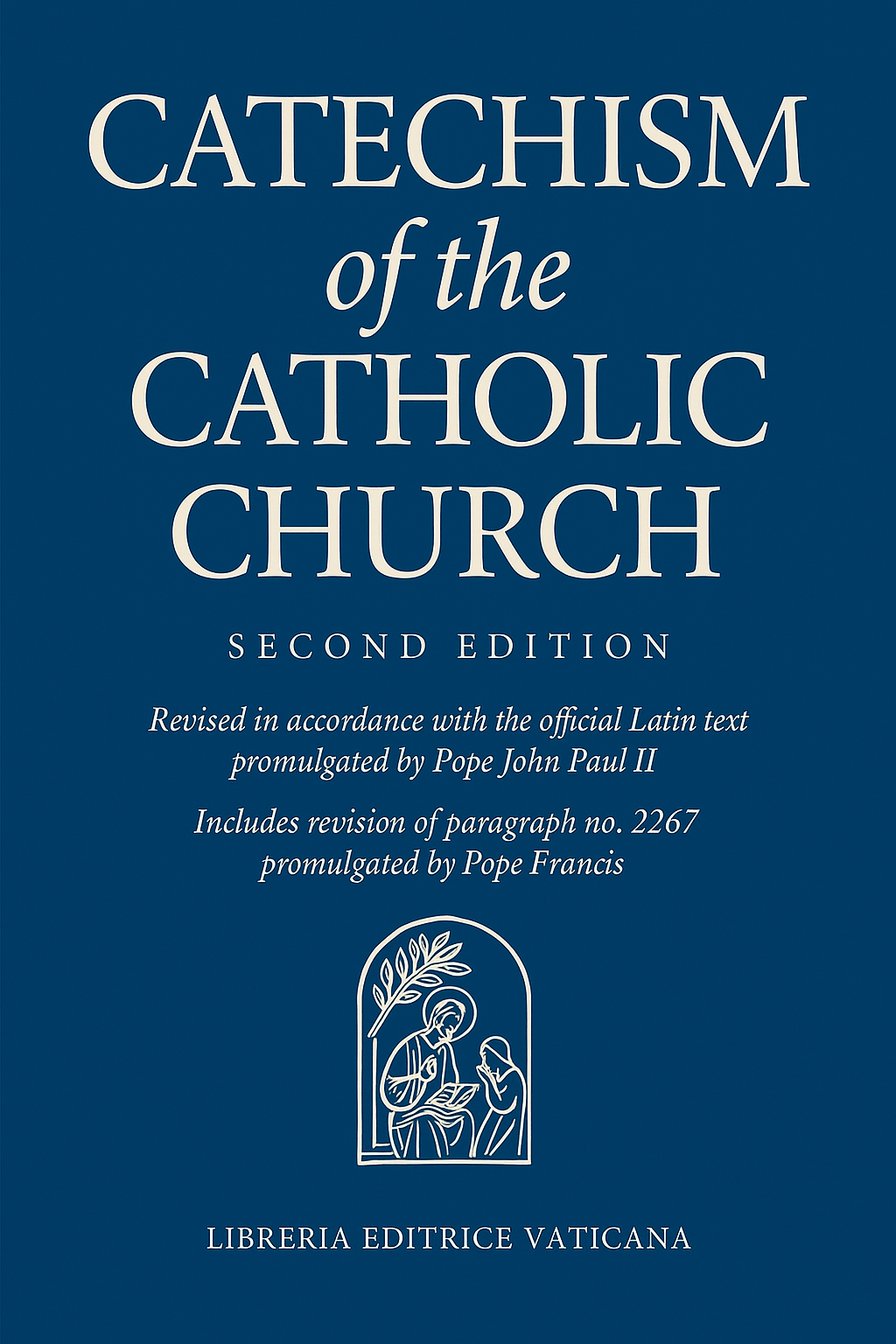
Though the Roman Catholic Church claims to uphold the grace of God in salvation, its official doctrines—particularly regarding justification, authority, the papacy, purgatory, the sacraments, priesthood, and Marian devotion—introduce theological errors that fundamentally distort the gospel message, adding human works, tradition, and ecclesiastical authority to what Scripture declares is received by grace alone through faith alone in Christ alone (Rom 3:28; Gal 2:16; Eph 2:8-9).

Sarah, A Woman of Faith

Sarah’s journey of faith is a wonderful testimony to God’s grace and faithfulness. Though she initially struggled with unbelief, her eventual trust in God’s promise highlights her spiritual journey of faith. As Sarah learned to rest not on her own abilities but on the faithfulness of God, she was counted among the greats in the Hall of Faith (Heb 11:11). Her story encourages us that faith is not about perfection but about growing in trust, even through our struggles and doubts. Like Sarah, we may face moments of weakness, but when we look to God’s character and His unchanging promises, our faith grows stronger. Sarah’s life serves as a reminder that God does not abandon us in our doubt, but graciously leads us to a place of firm conviction. Just as God was faithful to Sarah, He is faithful to us, proving that faith, even in its smallest beginnings, can move mountains when rooted in the trustworthiness of our faithful God.

Spiritual Attacks in the Natural Realm

Spiritual warfare is part of the Christian experience. While the battle is spiritual in origin, it often spills over into the visible and natural world. The Apostle Paul reminds us that our true enemies are not “flesh and blood” but “the spiritual forces of wickedness in the heavenly places” (Eph 6:12). Yet these dark forces often influence the natural realm—through physical illness, mental anguish, relational conflict, temptation, and even death. As believers, we must learn to detect these attacks and respond biblically, not mystically or fearfully, but with confidence in the victory already secured in Christ (Col 2:15).

Grace in the Workplace

When we live lives that honor God and edify others, it often paves the way for our own advancement. It’s a principle that favor flows where grace goes. In a world that relentlessly focuses on personal branding and professional advancement—where everything is geared toward self-promotion—believers are called to a higher standard: to serve without recognition, to bless without being asked, to love without expecting love in return, and to give with no prospect of receiving. For the growing Christian, virtue becomes its own reward. We work diligently, but we do so with heaven’s values in mind, not merely the goals of our employers. If we want to leave a lasting, positive impression in our workplaces, we must strive to reflect Christ in all we do.

Spiritual Health in a Sick World

As Christians living in a fallen world, we should not be surprised when adversity comes. It is the natural consequence of living in a creation under the curse of sin (Gen 3:17-19), where “the whole creation groans” (Rom 8:22), and where spiritual warfare rages invisibly behind visible circumstances (Eph 6:12). Adversity takes many forms—physical illness, relational conflict, financial strain, social or political hostility, or simply the grind of daily pressures. Often, these difficulties are part of God’s training ground for spiritual growth (Rom 5:3-5; Jam 1:2-4). And we know that God is always in control of life, and when He turns up the heat, He never takes His hand off the thermostat. And it in this fallen world that we live, work, raise our families, and engage in Christian service.

The Gift of Life and the Call to Discipleship

Eternal life is God’s gift to us (Rom 6:23; Eph 2:8-9). Discipleship is God’s work in us and through us, as we submit to Him (Jam 4:7), learn His Word (1 Pet 2:2), walk by faith (2 Cor 5:7), and advance to spiritual maturity (Heb 6:1). Eternal life is instantaneous and permanent, accomplished the moment we believe in Christ (John 3:16). Discipleship is progressive, a lifelong journey of transformation (Rom 12:2; 2 Cor 3:18; Col 2:6-7; Phil 1:6). God’s gift of eternal life secures our position in heaven (John 10:28), while discipleship determines our capacity to glorify Him in time and our reward in eternity (1 Cor 3:12-15; 2 Cor 5:10).

Repentance for Unbelievers and Believers

Repentance (Greek metanoeō) always refers to a change of mind. It is a mental shift—a reorientation of one’s thinking in response to divine truth. This change of mind may produce emotion or lead to action, but its essence is internal and volitional. Scripture uses the concept of repentance for both unbelievers (Acts 17:30; 20:21) and believers (Rev 2:5, 16; 3:3, 19), though the object and outcome of the change differ depending on context. 

God Does Not Promote Everyone

There are many among us whom God does not promote in this world—not because He does not love us, but because He knows that promotion in this life could lead to pride, self-reliance, or a distraction from His eternal purposes. God’s timing and plan for our growth often involve waiting and humility, as He seeks to prepare us spiritually, build our character, and protect us from the dangers of seeking glory in our own strength. Ultimately, His desire is for us to depend on Him and align with His will—not for our own advancement, but for His glory and the service of others.

When Grace Met Betrayal

When Judas came to betray Jesus, the Lord looked at him and, in a final act of grace, called him “friend” (Matt 26:50). Amazing. It was one of the most tender and tragic moments in all of Scripture. Jesus wasn’t blind to Judas’ intentions—He had already told the disciples that one of them would betray Him, and He knew exactly who it was (John 13:21-27). Yet when the traitor came with a kiss, Jesus met him not with anger, but with grace.

If You Died Today, Would You Go to Heaven?

I recently asked somebody, “If you were to die today would you go to heaven?” He said, “I don’t know.” When I asked him why he was uncertain, he said, “I’m not sure if I’ve been good enough.” His statement exposed the root of his confusion—works-based salvation. Sadly, he’s trying to measure up to God through human effort. That’s religion, not the gospel. Religion is man, by man’s efforts, trying to earn God’s approval. The gospel, in contrast, is God doing all the work, with man simply receiving what He has accomplished through Christ. Religion puts the burden on the sinner. The gospel places the focus on the Savior. Hell is full of religious people—those who trusted in their good works, their morality, or their church involvement to get them into heaven. But heaven is full of unworthy people who understood that salvation is a free gift, received by faith alone in Christ alone (John 3:16; Rom 6:23; Eph 2:8-9). God doesn’t ask us to work for eternal life—He calls us to believe in the One who did all the work. The issue is not what we do for God, but what He has done for us through the death, burial, and resurrection of His Son, Jesus (1 Cor 15:3-4).

Does God Promise Promotion and Prosperity?

Divine promotion is not earned through ambition, scheming, or strategic networking, but through humble dependence on the Lord and a consistent walk of faith. God honors those who honor Him—not by the standards of the world, but by the metrics of faithfulness, humility, and spiritual maturity (1 Sam 2:30; Prov 3:5-6). As believers, we are called to be diligent and responsible in whatever roles we are given, but we must resist the temptation to take matters into our own hands in pursuit of advancement. Our job is to remain faithful; God’s job is to promote us when we are ready and when it serves His greater purpose.

Grace Operates in the Low Places

The Bible reveals that “God is opposed to the proud but gives grace to the humble” (1 Pet 5:5b). In this passage, Peter is writing to believers, but the principle is true for everyone, saved or unsaved. Throughout Scripture, God is consistently presented as displaying grace (Ex 34:6; Psa 103:8; John 1:14). While God’s common grace shines on the just and unjust alike (Matt 5:45; Acts 14:16-17), He gives special grace to the humble (Jam 4:6).

The Importance of Jesus’ Resurrection

The resurrection of Jesus Christ stands as an indispensable feature of the Christian faith—historically grounded, theologically essential, and personally transformative. It is the Father’s validation of the Son’s work and the believer’s assurance of eternal life, power for daily living, and hope beyond the grave. To deny it is to unravel the very fabric of the gospel; to believe it is to stand firmly in the truth of God’s Word, secured by grace, and anchored in a living Savior who conquered death and lives forevermore. Because He lives, so shall we.

The Meaning of Good Friday

Good Friday is a day of paradox—darkness and light, sorrow and hope, death and life. At first glance, the day Jesus died doesn’t seem “good” at all. The sinless Son of God was betrayed, beaten, mocked, and nailed to a Roman cross (Matt 27:26-31; John 19:16-18). The sky went dark, and even the earth trembled … Continue reading The Meaning of Good Friday