We, as Christians, have a critical role in positively influencing culture by living out our faith with commitment and humility. In a society that is drifting further from biblical truth, our unwavering adherence to righteousness can bring about real transformation. By standing firm in God’s Word, sharing the gospel, and engaging with integrity, we can be a light in a dark world, trusting God to use our obedience for His purposes. We must always be mindful that while we are responsible for our faithful actions, the outcomes are in God’s hands, as each generation must choose God and live a life of faithful obedience.
An Example in Good King Josiah
 King Josiah of Judah (640–609 B.C.) was one of the few bright lights in an otherwise dark period of Israel’s history. Scripture tells us, “He did right in the sight of the Lord and walked in all the way of his father David, nor did he turn aside to the right or to the left” (2 Ki 22:2). Josiah stands out as a man who was positive to God and who responded with humility and obedience when confronted with divine truth. Jeremiah testified that Josiah “did justice and righteousness…and pled the cause of the afflicted and needy” (Jer 22:15–16). Because of his righteousness, God blessed Josiah, and “it was well with him” (Jer 22:15b). Josiah’s reign illustrates how one man’s faith and obedience to God can bring about real spiritual and cultural transformation, even if only for a time.
Josiah began seeking the Lord while still a teenager (2 Chr 34:3), and by age twenty he began tearing down the pagan altars and idols that had polluted Judah. His reforms weren’t surface-level; they were sweeping, comprehensive, and grounded in true devotion to Yahweh. But the turning point came in the eighteenth year of his reign when the Book of the Law was found in the temple (2 Ki 22:8). When Josiah heard the words of Scripture, he tore his clothes in sorrow. This reveals a heart that is sensitive to God and His Word. Wiersbe states, “How people respond to God’s Word is a good indication of their spiritual appetite and the strength of their desire to please the Lord.” (Warren Wiersbe, Be Distinct, p. 154). Josiah’s response was immediate, heartfelt, and obedient. He didn’t delay; rather, he submitted himself and his nation to the authority of God’s revealed Word.
 Josiah humbled himself and sought the Lord, and the Lord responded with grace, saying, “Because your heart was tender and you humbled yourself before the Lord… I truly have heard you” (2 Ki 22:19). He gathered the people, read the Law aloud, renewed the national covenant with God, purged the land of idolatry, restored proper worship, and reinstituted the Passover with remarkable zeal (2 Ki 23:1-25). The result was a temporary spiritual revival and cultural alignment with divine truth. Though God had already determined to judge the nation because of the sins of Manasseh (2 Ki 23:26-27), He delayed the destruction because of Josiah’s faith and faithfulness. Josiah demonstrates that when truth is recovered and received with humility, it produces personal and public reformation.
However, Josiah’s spiritual legacy did not continue into the next generation. His successors—Jehoahaz, Jehoiakim, Jehoiachin, and Zedekiah—were all spiritually bankrupt. None of them followed Josiah’s example. In an amazing display of wickedness, each subsequent king turned away from the Lord and “did evil in the sight of the Lord” (2 Ki 23:32, 37; 24:9, 19). They rejected the Word of God, oppressed the people, silenced the prophets, and returned to idolatry. Jehoiakim even burned the scroll of Jeremiah (Jer 36:23). Zedekiah resisted all prophetic counsel and ultimately rebelled against Babylon, bringing about the destruction of Jerusalem and the temple in 586 B.C.
This teaches us that the faith and obedience of one generation does not automatically carry over to the next. Each generation must respond positively to the Lord and choose to walk in righteous conformity to His Word. Josiah’s sons had access to truth, godly heritage, and spiritual opportunity—but they rejected it. As a result, the nation was judged, just as God had warned. The covenant blessings were forfeited, and the curses fell (cf. Deut 28).
Practical Steps for Christians to Positively Influence Culture
Like Josiah, Christians in America today are called to be a positive influence in a culture that is drifting from biblical truth. Though the Church is not under the Mosaic Covenant, and America is not a covenant nation like Israel, the principle remains that “Righteousness exalts a nation, but sin is a disgrace to any people” (Prov 14:34). Radmacher states, “Although each individual is responsible for his or her actions, the effects extend to the whole community.” (Earl Radmacher, Nelson’s New Illustrated Bible Commentary, 760). Believers are ambassadors for Christ (2 Cor 5:20), and our lives should reflect truth, grace, and righteousness. Here are five practical steps we can take to be a positive biblical influence:
 We must be personally committed to God’s Word. Josiah responded to Scripture with reverence and action. We need to read God’s Word and obey it, for it is in the obedience that blessing comes. As Jesus said, “Blessed are those who hear the word of God and observe it” (Luke 11:28). Biblical ignorance is a degenerative virus in any nation that accelerates divine discipline and guarantees cultural collapse. But when believers learn and live God’s Word under the filling of the Spirit, God provides temporal blessing by association, even if only for a limited period of historical grace (2 Tim 3:16-17).
- We need to support and promote sound Bible teaching. Churches must return to exegetical and expositional teaching of the Word of God. Doctrine matters. Emotionalism and entertainment may fill pews, but only truth transforms lives (Rom 12:2). Shallow teaching produces shallow thinking, and shallow thinking leads to spiritual instability. Only a steady intake of sound Bible teaching can equip believers to grow to maturity and stand firm in an age of confusion (Eph 4:14-15).
- We must intentionally pass on our faith to the next generation. Josiah’s example wasn’t enough for his sons. Parents, pastors, and teachers must train young people to think biblically, love the Lord, and stand firm in a confused world (Deut 6:6-7; Eph 6:4). Faith is not inherited—it must be taught, explained, and modeled with clarity and conviction. If we fail to ground the next generation in sound Bible teaching, Satan will gladly disciple them in error.
- We should engage the culture with courage and clarity. Josiah didn’t hide his convictions. He acted publicly with confidence. Likewise, we must speak truth in love (Eph 4:15), vote biblically, and influence our communities without compromise. Silence in the face of moral and spiritual decay is not neutrality—it’s surrender. God has called us to be salt and light in the world, preserving what is good and exposing what is false (Matt 5:13-16).
 We must pray for national revival and remain faithful even if it doesn’t come. God answered Josiah’s humble prayer, and He still listens today (1 Tim 2:1-4). Though we may not see cultural reform (as we hope), we can still be part of a spiritual remnant that honors Christ in a dark age. Our responsibility is not to guarantee results, but to walk in obedience and leave the outcomes to God. Even in seasons of decline, faithfulness shines brightest when the night is darkest (Phil 2:15-16).

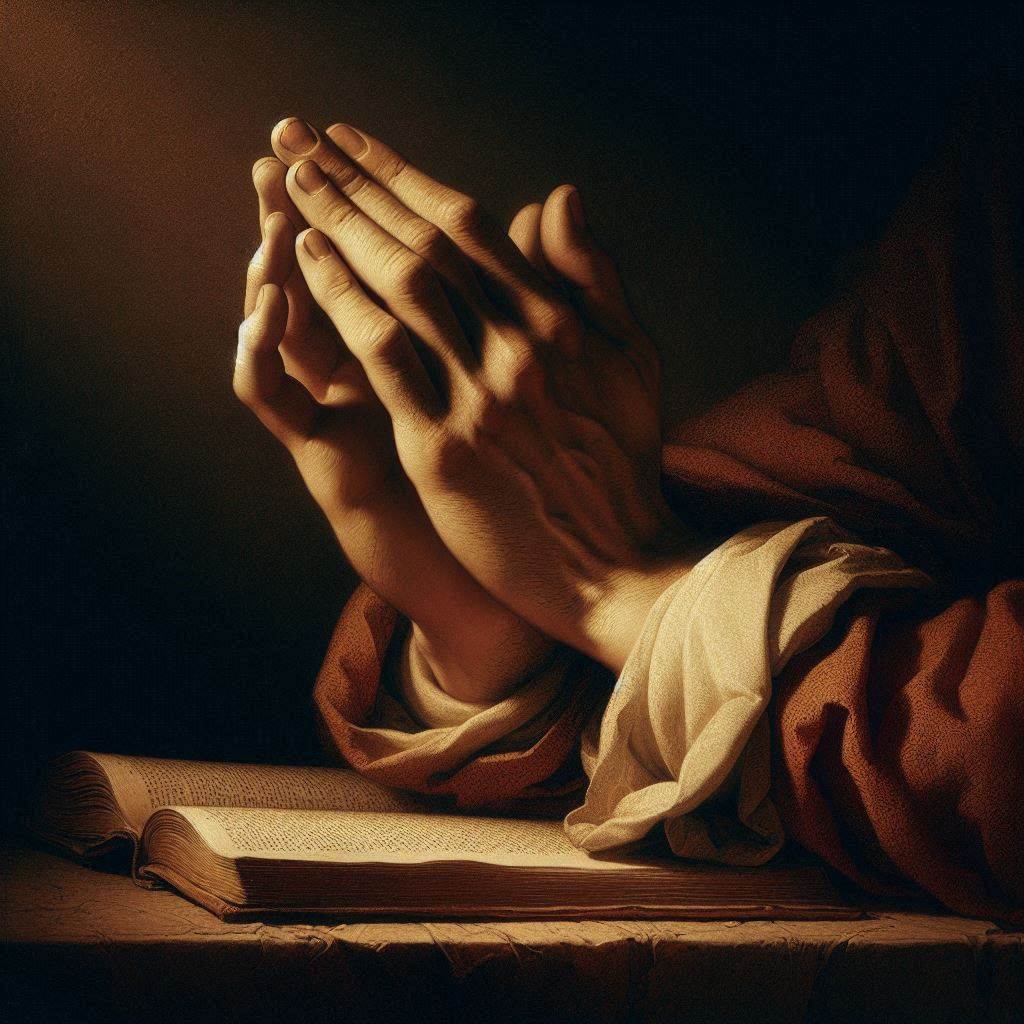
Josiah’s story reminds us that the influence of one faithful believer can make a difference. His legacy is a call to positive volition, obedience to Scripture, and courageous leadership. While we cannot control the choices of the next generation, we can make our own count, and we can trust God with the results. As Christians, God calls you to “prove yourselves to be blameless and innocent, children of God above reproach in the midst of a crooked and perverse generation, among whom you appear as lights in the world, holding fast the Word of life” (Phil 2:15-16a). Stand firm, Christian, and let the light of God’s truth shine through your life. As you walk in His Word, you not only reflect His light but also become an encouragement to others who are struggling in a dark world.
Dr. Steven R. Cook
If this article has enriched your understanding and walk with Christ, and you feel led to support my ministry, your generosity is greatly appreciated. Your gifts enable me to continue sharing the gospel of grace and providing in-depth biblical teachings. Thank you for partnering with me in this mission.
Related Articles:
- The Free Gift of God is Eternal Life
- A Good Soldier of Christ
- The Christian with Integrity
- What Motivates Christians to Live Righteously?
- The Righteous Lifestyle of the Believer
- Walking Worthy of God’s Call to Service
- Walking in the Light
- God Uses Imperfect People
- Knowing and Doing the Will of God
- The High Calling of God’s Servant
- The Life of Faith
 Those who are children of Satan are called “sons of disobedience” (Eph 2:2), are under “the dominion of Satan” (Acts 26:18), and reside in his “domain of darkness” (Col 1:13; cf., Rom 2:19). These walk “in the futility of their mind” (Eph 4:17b), and are “darkened in their understanding, excluded from the life of God because of the ignorance that is in them, because of the hardness of their heart” (Eph 4:18). Paul said that Satan “has blinded the minds of the unbelieving so that they might not see the light of the gospel of the glory of Christ, who is the image of God” (2 Cor 4:4). But these are not unwilling victims; for though they are born into Satan’s kingdom and “held captive by him to do his will” (2 Tim 2:26), they also enjoy what he offers and are said to “love the darkness rather than the Light” (John 3:19). The word love in this passage translates the Greek verb agapao (ἀγαπάω), which is in the active voice and means they willingly love the darkness of Satan’s world system and all their affections are tied to it. They continue as residents of his kingdom by choice and not by chance. Freedom awaits them if they want it. Freedom in Christ. But they don’t want freedom. And when given the opportunity to be liberated from their captor, they prefer to clutch their chains of familiar pleasures and practices than to step into the unknown freedom and responsibilities of liberty in Christ. Jesus said of them, “you are unwilling to come to Me so that you may have life” (John 5:40).
 It is to our benefit to realize we live in a fallen world, and when we walk with God, in total devotion to Christ, the world will reject us. Jesus said, “If the world hates you, you know that it has hated Me before it hated you. If you were of the world, the world would love its own; but because you are not of the world, but I chose you out of the world, because of this the world hates you” (John 15:18-19). We understand that the gospel of grace and solid Bible teaching will, on occasion, threaten other people’s pride and power, and we should not be surprised when they react negatively and with hostility, either verbally or physically. If possible, we are to get along with others and pursue peace (Rom 12:18), but never at the price of neglecting our mission to preach the gospel (Mark 16:15), or gather together for Bible study (Acts 2:42; 2 Tim 2:15), fellowship (Heb 10:25), worship (Eph 5:19-20), and prayer (1 Th 5:17). Because we live in a fallen world, there will be times when we must choose whether we will serve God or man. Of course, the correct choice is, “We must obey God rather than men” (Acts 5:29; cf. Dan 3:18). And though we may enjoy periods of peace and blessing, the world is currently under Satan’s control, which means it will only get worse, not better. As Christians, we are both realistic and optimistic about the world and the future. Realistic that we will not win the world to Christ during our time on earth (though not for want of effort by sharing the gospel and Bible teaching), and optimistic because we know Christ is coming back and will make everything right when He returns. Lastly, we must keep our focus on God and His Word (Isa 26:3; Col 3:2, 16), as it provides mental and emotional stability when trouble comes (and it will). Adversity is inevitable, and we must handle it by wisdom and faith.