The process of discovering one’s spiritual gift can be a rewarding and enlightening experience for the Christian, as it brings clarity to how God has designed each believer to serve within the body of Christ. Spiritual gifts are divine enablements given by the Holy Spirit at the moment of salvation for the purpose of building up the church (1 Cor 12:7; Eph 4:11-13). Though a Christian may feel joy and fulfillment when exercising their spiritual gift—knowing they are doing God’s will and serving others—the gifts are not given primarily for self-edification but for building up and benefiting others within the body of Christ. Each believer has at least one spiritual gift (1 Pet 4:10), and these gifts vary according to God’s sovereign will, for “one and the same Spirit works all these things, distributing to each one individually just as He wills” (1 Cor 12:11). To discern their spiritual gift, a Christian may prayerfully engage in several steps rooted in Scripture and practical experience:
Study of Scripture: Understanding what the Bible teaches about spiritual gifts is foundational. Key passages on this topic include Romans 12:3-8, 1 Corinthians 12:4-11, Ephesians 4:11-16, and 1 Peter 4:10-11. These passages list various gifts, such as teaching, exhortation, giving, mercy, administration, and serving. By studying these texts, a believer gains a biblical framework for understanding how gifts function and why they are given.
Prayer and Dependence on the Holy Spirit: Since spiritual gifts come from the Holy Spirit (1 Cor 12:4-6), it is essential to seek His guidance through prayer. Asking God for wisdom (Jam 1:5) and for the Holy Spirit’s direction is a key part of the process.
Self-Examination: Paul encourages believers to “think so as to have sound judgment” (Rom 12:3). This includes reflecting on how God may have uniquely equipped them in terms of abilities, interests, and passions. For instance, some may find great joy and effectiveness in teaching God’s Word, while others may excel in encouraging and comforting others.
Serving and Observing: Spiritual gifts often become apparent through active involvement in ministry. As believers serve in various capacities, they may discover which areas of service energize them and yield positive spiritual results. For example, someone who has the gift of teaching will likely find that others are edified and encouraged by their teaching, and they will feel fulfilled in this role.
Confirmation by other Christians: Other believers can often recognize spiritual gifts in a person before that individual fully realizes them. Fellow Christians may offer encouragement, saying things like, “You have a real gift for explaining Scripture,” or “You are so compassionate and have a way of bringing comfort to others.” These affirmations can provide valuable confirmation.
Spiritual gifts should operate in harmony with the fruit of the Spirit, which includes “love, joy, peace, patience, kindness, goodness, faithfulness, gentleness, and self-control” (Gal 5:22-23). Spiritual gifts will glorify God, edify others, and reflect the character of Christ. It is important to remember that spiritual gifts are not about personal status or self-promotion but about serving others and glorifying God (1 Cor 10:31; 1 Pet 4:10-11). They are given for the common good and to strengthen the church (1 Cor 12:7).
Christians, rather than focusing on trying to identify their specific spiritual gift, should prioritize advancing to spiritual maturity by consistently learning and applying God’s Word (2 Tim 2:15; 1 Pet 2:2: 2 Pet 3:18), living under the filling ministry of the Holy Spirit (Eph 5:18; Gal 5:16), and walking by faith (2 Cor 5:7; Heb 10:38). As believers grow spiritually, their gift will naturally manifest through service, becoming evident both to themselves and to others. Spiritual growth is central to fulfilling God’s will (Rom 12:1-2; Heb 6:1), and as believers mature, they will be equipped for ministry and better able to edify the body of Christ. Scripture emphasizes that God sovereignly bestows gifts and directs their use according to His purposes (1 Cor 12:4-7), meaning that as Christians walk in obedience and serve with humility, their spiritual gift will emerge in ways that align with God’s plan and bring blessing to others (1 Pet 4:10-11).
Dr. Steven R. Cook
If this article has enriched your understanding and walk with Christ, and you feel led to support my ministry, your generosity is greatly appreciated. Your gifts enable me to continue sharing the gospel of grace and providing in-depth biblical teachings. Thank you for partnering with me in this mission.
The Bible clearly teaches that God calls us to love and do good works. Scripture affirms that “we ourselves are taught by God to love one another” (1 Th 4:9) and exhorts us to “be imitators of God, as beloved children; and walk in love” (Eph 5:1-2). We are encouraged to “do good to all people, and especially to those who are of the household of the faith” (Gal 6:10), recognizing that “we are His workmanship, created in Christ Jesus for good works, which God prepared beforehand so that we would walk in them” (Eph 2:10). Furthermore, Scripture instructs us “to do good, to be rich in good works, to be generous and ready to share” (1 Tim 6:18). This call to godly living is grounded in God’s grace, for “the grace of God has appeared, bringing salvation to all men, instructing us to deny ungodliness and worldly desires and to live sensibly, righteously, and godly in the present age” (Tit 2:11-12). But what motivates us as Christians to serve the Lord and walk in obedience?
First, we are motivated by God’s love. Scripture states, “We love, because He first loved us” (1 John 4:19). Love begets love. When we grasp the depth of God’s love for us, it stirs in us a desire to please Him and to love others as we have been loved. Paul wrote, “For the love of Christ controls us, having concluded this, that one died for all, therefore all died; and He died for all, so that they who live might no longer live for themselves, but for Him who died and rose again on their behalf” (2 Cor 5:14-15).
Second, God’s grace compels us to serve Him out of gratitude, not obligation. Paul declared, “By the grace of God I am what I am, and His grace toward me did not prove vain; but I labored even more than all of them, yet not I, but the grace of God with me” (1 Cor 15:10). Grace transforms service from a burden into a joyful response to God’s unmerited favor. Paul also stated, “For the grace of God has appeared, bringing salvation to all men, instructing us to deny ungodliness and worldly desires and to live sensibly, righteously and godly in the present age” (Tit 2:11-12). Grace not only saves but also teaches and motivates good behavior.
Third, experiencing God’s mercies fuels our devotion and obedience. After expounding on “the mercies of God” in Romans 1–11, Paul urged us to “present [our] bodies as a living and holy sacrifice, acceptable to God, which is [our] spiritual service of worship” (Rom 12:1). Grasping the depth of God’s mercies naturally moves us toward a life of sacrificial service. Offering ourselves as a “living and holy sacrifice” means daily devotion—not out of fear, but from a heart of gratitude. God is repeatedly revealed as “merciful and gracious” toward us (Psa 86:15; 145:8; Jam 5:11).
Fourth, the promise of rewards at the Judgment Seat of Christ serves as a strong incentive for faithfulness. Paul emphasized, “We must all appear before the judgment seat of Christ, so that each one may receive compensation for his deeds done through the body, in accordance with what he has done, whether good or bad” (2 Cor 5:10). This accountability before Christ reminds us that our choices matter, encouraging us to live with purpose, knowing that faithfulness will be honored and rewarded in eternity (1 Cor 3:12-14; Rev 22:12). Paul wrote, “Therefore, my beloved brethren, be steadfast, immovable, always abounding in the work of the Lord, knowing that your toil is not in vain in the Lord” (1 Cor 15:58).
Fifth, Christ’s example of humility and obedience inspires our devotion. Hebrews 12:2 urges us to fix our eyes on Jesus, who endured suffering for the joy set before Him. His obedience and sacrificial love compel us to follow Him (John 13:15). Peter wrote, “For you have been called for this purpose, since Christ also suffered for you, leaving you an example for you to follow in His steps” (1 Pet 2:21). When we meditate on His endurance, selflessness, and unwavering commitment to the Father’s will, we are strengthened to persevere in our own calling (Phil 2:5-8; Rom 8:17).
Sixth, encouragement from other believers strengthens and motivates our spiritual growth, as Scripture says, “Let’s consider how to encourage one another in love and good deeds” (Heb 10:24-25). God designed the church for mutual edification, accountability, and encouragement, spurring us toward maturity (Eph 4:11-16). When we support one another through prayer, fellowship, and exhortation, we help each other persevere in faith and remain steadfast in devotion to Christ (Gal 6:2; 1 Th 5:11).
Seventh, the anticipation of Christ’s return motivates holiness and faithful service, for “everyone who has this hope set on Him purifies himself, just as He is pure” (1 John 3:3). Living with the eschatological certainty that we will see our Lord motivates us to live faithfully (Tit 2:13-14; Matt 24:45-47). This blessed hope instills a sense of urgency, reminding us that our time to serve Christ is limited and that we should be found faithful when He returns (2 Pet 3:11-12).
Eighth, a desire to glorify God compels our service. Jesus said, “Let your light shine before men in such a way that they may see your good works, and glorify your Father who is in heaven” (Matt 5:16). Service is not about self-promotion but about directing attention to God’s greatness. Paul stated, “Whether, then, you eat or drink or whatever you do, do all to the glory of God” (1 Cor 10:31). Peter added that our service should be empowered by God so that “in all things God may be glorified through Jesus Christ” (1 Pet 4:11).
But what about fear of God’s discipline? Does it motivate service? God does discipline His sinning children, as Scripture affirms, “For those whom the Lord loves He disciplines” (Heb 12:6). While divine discipline may restrain sin and correct our course, it is not necessarily a motivator for loving others and doing good. Rather, it serves as a loving correction that keeps us on the right path. Since it is corrective rather than punitive, it reminds us of God’s fatherly care. Those who respond properly to divine discipline turn from sin and return to a life of righteousness. Unfortunately, there are some Christians who will not turn from their sin, and the Lord deals with these children in His own way (1 Cor 3:10-15; 11:30; 1 John 5:15; 2 John 1:8).
Christian, you are deeply loved by God, and redeemed by the Lord who is merciful and gracious to you. Know the Lord and His goodness, and let His love compel you to a life of service to Him. Live each day in the light of eternity, for His glory and the edification of others, knowing that your labor in the Lord is never in vain. Stand firm in the faith, walk in righteousness, and glorify Him in all you do, for He who called you is faithful, and He will accomplish His work in you (1 Th 5:24).
Dr. Steven R. Cook
If this article has enriched your understanding and walk with Christ, and you feel led to support my ministry, your generosity is greatly appreciated. Your gifts enable me to continue sharing the gospel of grace and providing in-depth biblical teachings. Thank you for partnering with me in this mission.
Every human being—believer and unbeliever alike—will stand before God to be judged, but the nature of that judgment differs based on one’s relationship with Jesus Christ. The Bible presents two distinct judgments: the Judgment Seat of Christ (Bema Seat) for believers and the Great White Throne Judgment for unbelievers.
Judgment for Believers
For those who have placed their faith in Christ alone, their eternal destiny is secure, “whoever believes in Him shall not perish, but have eternal life” (John 3:16), and “He who believes in the Son has eternal life; but he who does not believe in the Son will not see life, but the wrath of God abides on him” (John 3:36). This wonderful gift—eternal life—is given to us at the moment of faith in Christ, for “the free gift of God is eternal life in Christ Jesus our Lord” (Rom 6:23). It is received by grace alone, through faith alone, totally apart from works (Rom 4:4-5; Gal 2:16; Eph 2:8-9; Tit 3:5). Those who possess eternal life will never face the lake of fire, for “there is now no condemnation for those who are in Christ Jesus” (Rom 8:1). However, though we will never face condemnation, we will stand before the Judgment Seat of Christ (Bema Seat)—not to determine salvation, but to evaluate our service, spiritual growth, and production during our time on earth.
This judgment will take place after the rapture of the Church (John 14:1-3; 1 Cor 15:50-53; Phil 3:20-21; 1 Th 1:1:10; 4:13-18; Tit 2:13; Rev 3:10). Concerning this judgment, Paul wrote, “For we will all stand before the judgment seat of God…[and] each one of us will give an account of himself to God” (Rom 14:10, 12). Elsewhere he wrote, “For we must all appear before the judgment seat of Christ, so that each one may be recompensed for his deeds in the body, according to what he has done, whether good or bad” (2 Cor 5:10).
At the Bema Seat judgment, Christ will evaluate our deeds, determining rewards or the loss of rewards (1 Cor 3:11-15). Works done in the power of the Holy Spirit and according to divine viewpoint will be classified as gold, silver, and precious stones. These will stand the test of divine evaluation, and each believer will be rewarded. However, works performed in the energy of the flesh—human effort apart from divine power—are classified as wood, hay, and straw, and will be burned up (1 Cor 3:12-15). The believer himself will still be saved, but his rewards will be diminished if his life was characterized by carnality rather than spiritual growth.
The rewards granted at the Bema Seat judgment include crowns, increased capacity for service and worship in eternity, and special honors given by Christ Himself (1 Cor 9:25; 2 Tim 4:8; Rev 2:26-27). This judgment is not punitive, as “there is no condemnation for those who are in Christ” (Rom 8:1)—but it is a serious evaluation of how each believer stewarded his time, talents, and doctrine in the spiritual life.
Judgment for Unbelievers
For those who reject Christ, their destiny is already sealed—eternal separation from God in the lake of fire. They will spend eternity apart from Him, for “he who does not believe in the Son will not see life, but the wrath of God abides on him” (John 3:36). These unbelievers “will pay the penalty of eternal destruction, away from the presence of the Lord and from the glory of His power” (2 Th 1:9). All unbelievers will stand before God at the Great White Throne Judgment (Rev 20:11-15). This judgment does not determine whether they will be condemned—that verdict was already rendered by their rejection of Christ—but rather the degree of their punishment in eternity.
At this judgment, all unbelievers from every age will be resurrected to stand before God. Because they rejected His perfect righteousness—His gift of righteousness (Rom 5:17; 2 Cor 5:21; Phil 3:9)—they will be judged according to their own works, which are utterly insufficient to meet God’s perfect standard (Isa 64:6; Rom 3:10-12). Their names will not be found in the Book of Life, confirming their eternal separation from God. As John wrote, “And if anyone’s name was not found written in the book of life, he was thrown into the lake of fire” (Rev 20:15).
While all unbelievers will suffer eternal punishment, the severity of that punishment will vary based on their deeds (Matt 11:21-24; Luke 12:47-48). Just as there are varying degrees of reward for believers, there are varying degrees of torment for the lost. The greater the rejection of truth, the greater the accountability. Those who had more exposure to God’s revelation but still rejected it will face a more severe judgment. Moral unbelievers will suffer less than immoral unbelievers.
In conclusion, every person will stand before God—believers at the Bema Seat for the purpose of rewards and unbelievers at the Great White Throne for the determination of their punishment. The Bema is an evaluation of faithfulness, while the Great White Throne is the final sentencing of those who refused to believe in Christ. One results in eternal rewards; the other, in eternal punishment. The issue is faith in Christ. Those who believe in Him for eternal life will never face condemnation (John 3:18), while those who reject Him remain under divine wrath (John 3:36). Choose Christ, and you choose eternal life, for “whoever believes in Him shall not perish, but have eternal life” (John 3:16b).
Dr. Steven R. Cook
If this article has enriched your understanding and walk with Christ, and you feel led to support my ministry, your generosity is greatly appreciated. Your gifts enable me to continue sharing the gospel of grace and providing in-depth biblical teachings. Thank you for partnering with me in this mission.
Salvation is by grace alone (Rom 6:23; Eph 2:8-9), through faith alone (Rom 3:28; Gal 2:16), in Christ alone (John 14:6; Acts 4:12), totally apart from works (Rom 4:4-5; Eph 2:8-9; Tit 3:5). However, after salvation, the Christian is called to a life of obedience, not as a means of securing salvation, but as the proper response to divine grace. Scripture states, “For the grace of God has appeared, bringing salvation to all men, instructing us to deny ungodliness and worldly desires and to live sensibly, righteously and godly in the present age” (Tit 2:11-12). Here, Paul presents a crucial doctrinal distinction—God’s grace not only provides salvation (phase one) but also serves as the ongoing instructor for the believer’s spiritual growth (phase two).
The phrase “the grace of God has appeared” refers to the historical manifestation of grace in the person and work of Jesus Christ. This grace is offered to “all men,” meaning salvation is universally available, though only appropriated by those who believe (John 1:12; 3:16; Acts 10:43). However, grace does not merely save—it instructs. The Greek word paideuō (παιδεύω), translated “instructing,” conveys the idea of disciplined training, much like the structured education of a child. God’s grace is intended to instruct and motivate the believer to “deny ungodliness and worldly desires.” When properly understood, grace leads to the rejection of human viewpoint, carnality, and the cosmos system that seeks to conform believers to its mold (Rom 12:2; 1 John 2:15-16).
Furthermore, grace instructs believers to “live sensibly, righteously and godly in the present age.” The word “sensibly” (sōphronōs, σωφρόνως) refers to self-discipline and objective thinking, aligning with divine viewpoint. “Righteously” (dikaiōs, δικαίως) pertains to just and upright conduct that aligns with God’s Word, and “godly” (eusebōs, εὐσεβῶς) emphasizes devotion to God. These virtues characterize the advancing believer who is positive to God and His Word and actively engaged in spiritual growth. The believer does not achieve this by human effort but through consistent intake and application of Bible doctrine under the filling of the Holy Spirit (Gal 5:16; Eph 5:18). Paul’s exhortation to Titus communicates the principle that grace, properly understood, leads to a disciplined, godly life, producing divine good that glorifies God in the devil’s world.
The Benefits of a Life of Obedience
A life of obedience by faith brings immense spiritual, mental, and practical benefits, aligning the believer with God’s perfect plan and opening the door to divine blessings that are given to the mature believer. The foundational principle is that obedience is not a legalistic burden but a response to grace, empowered by the Holy Spirit and grounded in divine viewpoint (Rom 12:2; Gal 5:16). When believers walk by faith, applying God’s Word, they experience both immediate and long-term benefits.
First, obedience by faith results in spiritual growth that leads to maturity. As believers process and apply Bible doctrine, their thinking is transformed, producing wisdom, discernment, and stability in the spiritual life (Col 2:6-7; Heb 5:14). This leads to capacity for blessing, an increasing understanding of God’s will, and the ability to handle adversity with divine viewpoint rather than human emotion (James 1:2-4).
Second, obedience leads to inner peace and joy. Believers who abide in Christ experience the peace of God, which surpasses all comprehension, guarding their hearts and minds (Phil 4:7). Joy is not based on circumstances but on a growing relationship with the Lord, producing confidence in His sovereignty and provision (John 15:10-11). Instead of being tossed about by fears, anxieties, or external pressures, the obedient believer stands firm in faith, relying on God’s promises (Isa 26:3; Rom 8:28).
Third, a life of faith-based obedience results in divine protection and blessing. While this does not mean a life free from suffering, it does mean that suffering is purposeful, bringing spiritual refinement rather than destruction (Rom 5:3-5; 1 Pet 1:6-7). God protects obedient believers, guiding their steps, delivering them from unnecessary pitfalls, and ensuring they remain in the sphere of His provision (Psa 37:23-25; Prov 3:5-6). Those who obey by faith experience unique blessings that are reserved for the spiritually advancing believer—strength in trials, divine resources in weakness, and the assurance of eternal rewards (2 Cor 12:9-10; Rev 2:26).
Fourth, faith-driven obedience brings effectiveness in spiritual service. The believer who walks in obedience becomes a vessel for divine good, producing fruit that glorifies God (John 15:5). Whether in evangelism, teaching, encouragement, or service, their life becomes an instrument of grace, impacting others for eternity (Gal 6:10; Eph 2:10; 2 Tim 2:21). Rather than operating from human effort or self-righteousness, the obedient believer serves from a position of strength, empowered by the Holy Spirit and driven by love for God (Gal 5:22-23; 2 Cor 5:14-15).
Ultimately, obedience by faith results in eternal rewards and glorification at the Judgment Seat of Christ. The believer who consistently applies doctrine and executes God’s plan will hear, “Well done, good and faithful servant” (Matt 25:21). While salvation is secured by grace alone through faith alone (Eph 2:8-9), rewards are contingent on faithfulness in the spiritual life (1 Cor 3:11-15). The obedient believer will share in Christ’s glory, ruling and reigning with Him in His coming kingdom (2 Tim 2:12; Rev 3:21).
In contrast, disobedience leads to divine discipline (Heb 12:6), and loss of rewards, for “If any man’s work is burned up, he will suffer loss [of reward]; but he himself will be saved [eternally], yet so as through fire” (1 Cor 3:15). Obedience by faith is not about external morality but about alignment with divine truth, walking in the Spirit, and living with an eternal perspective. It is the highest and most fulfilling way to live, bringing glory to God and maximum blessing to the believer.
Dr. Steven R. Cook
If this article has enriched your understanding and walk with Christ, and you feel led to support my ministry, your generosity is greatly appreciated. Your gifts enable me to continue sharing the gospel of grace and providing in-depth biblical teachings. Thank you for partnering with me in this mission.
At the moment of physical birth, every human being inherits a sin nature, passed down from Adam (Rom 5:12; Psa 51:5). This sin nature is the inner source of human corruption, influencing thoughts, emotions, and behaviors in opposition to God’s will (Jer 17:9; Mark 7:21-23). It manifests in various ways, ranging from self-righteous moralism to overt lawlessness, but both trends operate under the same principle—rebellion against divine righteousness. The unbeliever, possessing only the sin nature, has no spiritual life, no capacity for fellowship with God, and remains in a state of total depravity (Eph 2:1-3; Col 2:13). He may be moral or immoral, religious or irreligious, but he is always spiritually dead and incapable of pleasing God (Rom 8:7-8).
The sin nature has two primary trends—legalism and lawlessness. Those who trend toward legalism emphasize morality, religious works, and human effort as a means of achieving divine approval. These individuals often create and adhere to systems of manmade religion, attempting to approach God through ritual, self-denial, or personal merit. Such efforts are futile because salvation is by grace alone, through faith alone, in Christ alone, apart from works (Rom 4:4-5; Eph 2:8-9; Tit 3:5). Even after salvation, believers with a legalistic trend may fall into self-righteous arrogance, failing to recognize that the Christian life is lived by grace, not by works (Gal 3:1-3; 5:4). On the other hand, those who trend toward lawlessness indulge in sinful pleasures, rejecting divine authority in favor of unrestrained lusts. This results in patterns of behavior that include immorality, substance abuse, criminal activity, and a general pursuit of pleasure at the expense of divine viewpoint (Rom 1:24-32; Eph 4:17-19). These individuals seek happiness in temporal things, but their pursuits lead only to further enslavement to the flesh and eventual divine discipline (Gal 6:7-8; Heb 12:5-6).
At the moment of faith in Christ, the believer receives a new nature, one that is created by God in righteousness and holiness of the truth (2 Cor 5:17; Eph 4:22-24; Col 3:9-10). This new nature, referred to as the “new man,” desires to obey God, learn doctrine, and live in a manner pleasing to the Lord (Rom 7:22; 1 John 3:9). However, the old sin nature is not eradicated at salvation. Instead, the believer enters into a lifelong conflict between the flesh and the Spirit (Rom 7:14-25; Gal 5:16-17). Victory in this conflict is only achieved through the consistent intake and application of Bible doctrine under the filling of the Holy Spirit (Rom 12:2; Eph 5:18; Col 3:16). While the sin nature’s ruling power has been broken (Rom 6:11-14), its presence remains until we receive our glorified bodies (1 Cor 15:51-53; Phil 3:20-21; 1 John 3:5). The Christian life is not about suppressing the sin nature through human effort, but about growing in grace and knowledge (2 Pet 3:18), renewing the mind with divine truth (Rom 12:2), and living under the power of the Holy Spirit (Gal 5:22-23; Eph 5:18). Only by operating under divine power can the believer experience true victory over the sin nature and advance to spiritual maturity, fulfilling the purpose for which they were saved (Eph 2:10; Phil 2:12-13).
Differences Between the Sin Nature and New Nature
The sin nature, driven by selfish desires and the impulse to dominate (Rom 7:18; Gal 5:17), operates with urgency, seeking immediate gratification and exerting pressure to act contrary to God’s will. Paul describes this as a war between the flesh and the Spirit (Gal 5:16-17). The sin nature is not passive—it demands, manipulates, and entices, drawing believers toward self-centeredness. In contrast, the new nature, imparted at salvation (Eph 4:24; Col 3:9-10; 1 John 2:29; 3:9), is characterized by the fruit of the Spirit—love, joy, peace, patience, kindness, goodness, faithfulness, gentleness, and self-control (Gal 5:22-23). Unlike the sin nature, which compels through pressure, the new nature functions through positive volition, inviting the believer to walk in obedience. The Holy Spirit leads with conviction, encouragement, and truth (John 16:13; Rom 8:14), and the believer must choose to follow Him (Gal 5:25). The sin nature defies this process, ensuring an ongoing struggle for those who walk by the Spirit.
Before salvation, we were conditioned by the habits and instincts of the sin nature (Eph 2:1-3). Even after being made new in Christ (2 Cor 5:17) and receiving the indwelling Holy Spirit (Rom 8:9), our thinking and decision-making remain influenced by past experiences. The flesh has ingrained patterns—self-preservation, pride, impatience, impulsiveness—that do not disappear instantly. Spiritual growth involves unlearning these old patterns and aligning our thoughts with God’s truth. Romans 12:2 calls for transformation through the renewal of the mind, while Hebrews 5:14 associates maturity with discernment between good and evil. This process replaces human viewpoint with divine viewpoint (Rom 12:1-2). As we learn God’s Word (2 Tim 3:16-17; 1 Pet 2:2), we can walk by faith (2 Cor 5:7; Heb 10:38) in the filling and power of the Spirit (Gal 5:16; Eph 5:18), aligning with our new nature in Christ (1 John 3:6, 9).
As we grow in Christ, we become more attuned to the Spirit’s leading. Unlike the flesh, which compels and pressures, the new nature operates through the calm conviction of the Spirit (John 16:13; Rom 8:14). This requires spiritual attentiveness—reading to the Word, walking by faith, and yielding to the Spirit’s direction. Over time, we develop an increasing sensitivity to His guidance, much like a musician refining their ear for subtle variations in tone and pitch. Initially, distinguishing the aggressive pull of the flesh from the gentle leading of the Spirit can be challenging. But through consistent exposure to Scripture (Psa 119:105; 2 Tim 3:16-17), prayer, and application of Bible doctrine (Jam 1:22), we become more responsive to the Spirit’s voice. Spiritual growth is not instantaneous but a lifelong process of learning, failing, and being refined (Phil 1:6; 2 Pet 3:18). The challenge for the believer is daily choosing to yield to the Spirit rather than the flesh (Rom 6:11-13).
In summary, every human inherits a sin nature from Adam, which corrupts thoughts and behaviors in opposition to God (Jer 17:9; Rom 5:12). This nature manifests in both self-righteous legalism and lawless indulgence, leaving unbelievers spiritually dead and incapable of pleasing God (Rom 8:7-8; Eph 2:1-3). At salvation, believers receive a new nature, created in righteousness, yet the old sin nature remains, leading to an ongoing battle between the flesh and the Spirit (Rom 7:14-25; Gal 5:16-17). Spiritual victory comes not through human effort but by renewing the mind with God’s Word and walking in the power of the Holy Spirit (Rom 12:2; Gal 5:16; Eph 5:18). As believers grow in grace, they learn to reject the flesh’s impulses and align their lives with divine truth, fulfilling God’s purpose and glorifying Him (Phil 1:6; 2 Pet 3:18).
Dr. Steven R. Cook
If this article has enriched your understanding and walk with Christ, and you feel led to support my ministry, your generosity is greatly appreciated. Your gifts enable me to continue sharing the gospel of grace and providing in-depth biblical teachings. Thank you for partnering with me in this mission.
On February 10, 2005, in Carson City, Nevada, my wife and I stood before the Governor of Nevada, Kenny Guinn, along with the Nevada Supreme Court and the Nevada Attorney General. After a brief discussion, they unanimously granted me a full pardon for the crime that had sent me to prison in 1988. I was elated at this incredible blessing. Having a felony conviction had hindered me from obtaining jobs, securing housing, enrolling in academic institutions, and exercising my right to own and bear arms. The full pardon removed all those restrictions. And by the grace of God, a few months later, I was further blessed when a judge in Clark County, Nevada, agreed to seal my criminal records permanently. Now, if anyone runs a criminal background check on me, it comes back entirely blank—white as snow. Praise God!
God, in His sovereignty, orchestrated the events that led to my full pardon and the sealing of my records. He opened the door and made a way for this blessing. This was an expression of His unfailing love and logistical grace. The Word of God makes it clear that God is gracious and merciful and full of compassion (Psa 103:8-12). Jeremiah wrote, “The LORD’S lovingkindnesses indeed never cease, for His compassions never fail. They are new every morning; great is Your faithfulness” (Lam 3:22-23). Oh, how I rejoice in the goodness of God, for He has reached into time and space—into my life—and sovereignly worked to remove barriers and open doors for me. I say, “Bless the LORD, O my soul, and forget none of His benefits” (Psa 103:2), for “There is no other God like You! You forgive sin and pardon the rebellion of those who remain among Your people. You do not remain angry forever, but delight in showing loyal love” (Mic 7:18).
From a governmental perspective, my case highlights the proper function of civil authority as established by God. According to Romans 13:1-4, the role of government is to administer justice, restrain evil, and uphold righteousness. When the legal system operates properly, it punishes wrongdoing but also provides a mechanism for rehabilitation and restoration. A government that grants legitimate pardons recognizes when justice has been satisfied and allows individuals who have demonstrated change to reintegrate into society. This is government functioning under divine establishment principles, upholding justice while also applying mercy where appropriate. The restoration of my rights—including my ability to work, live freely, and bear arms—underscores a critical principle: government should never place an undue burden on those who have been rehabilitated (Prov 29:4; 1 Tim 2:1-2). My duty is to be a good citizen and abide the laws of the land, knowing that if I “Do what is good…[I] will have praise from the same” (Rom 13:3).
Distinctions Between Human and Divine Pardons
As an American citizen and a Christian, I have the privilege of being pardoned both by human officials and by the God of Heaven. Of course, the latter is infinitely more valuable. Though there are similarities between human and divine pardons, there are also appreciable differences.
Typically, a human pardon is granted based on perceived reformation, good behavior, or other justifying factors, considering whether the person has demonstrated remorse, rehabilitation, and is a low risk of reoffending. At the time of my pardon, I had gone fifteen years with steady employment, was involved in jail ministry for twelve years, and was half way through my Master’s degree. These governmental officials who granted me the pardon could see the track record of my improved behavior. In contrast, a divine pardon is granted solely by grace through faith in Christ, requiring no promise of moral improvement (Eph 2:8-9; Tit 3:5). The Bible teaches that “everyone who believes in Him receives forgiveness of sins” (Acts 10:43). Here, forgiveness is granted solely on the basis of faith in Christ. There is no mention of works, rituals, or human merit—only faith in Christ as the necessary and sufficient condition for receiving pardon. Elsewhere, it is written, “In Him we have redemption through His blood, the forgiveness of our trespasses, according to the riches of His grace” (Eph 1:7). Here, the basis of forgiveness is Christ’s sacrificial death, and the means by which it is applied to the believer is God’s grace. The phrase “according to the riches of His grace” underscores that forgiveness is entirely an unmerited gift from God, not something earned or deserved.
Furthermore, the moment a person believes in Jesus Christ as Savior, God declares that person righteous on the grounds that God’s perfect righteousness has been credited to their account (Rom 4:5-7). God gives His righteousness to one who believes in Christ as Savior. The Apostle Paul describes this as “the gift of righteousness” (Rom 5:17). It’s a free gift from God to us. This righteousness is not our own, which is relative to whatever standard we might follow, but God’s righteousness deposited in us. Paul calls it “the righteousness which comes from God on the basis of faith” (Phil 3:9). When God looks at us, as Christians, He sees His righteousness in us and declares us justified in His sight (Rom 3:24, 28; Gal 2:16). God justifies “the ungodly” the moment we believe (Rom 4:5), and we are “justified by faith apart from works of the Law” (Rom 3:28). Good works should follow our justification (Gal 6:10; Eph 2:10; Tit 2:11-14), but they are never a condition of it (John 3:16; Rom 4:1-5; Eph 2:8-9). We are justified before God, not because of any good works we do, but because of the work of Jesus on the cross and the imputed righteousness of God that is credited to our account (Rom 5:17; 2 Cor 5:21; Phil 3:9). Jesus paid our sin debt on the cross, and we are redeemed “with precious blood, as of a lamb unblemished and spotless, the blood of Christ” (1 Pet 1:19). As Christians, we are “justified by His blood” (Rom 5:9), and not by any good works we may produce before, during, or after salvation. That’s total grace!
A human pardon restores legal rights but does not change a person’s nature or guarantee permanent standing. A divine pardon removes the penalty of sin and grants believers eternal righteousness in Christ (Rom 5:17; 2 Cor 5:21; Phil 3:9). Unlike human pardons, which apply to specific offenses, God’s pardon covers all sin—past, present, and future (Psa 103:12; Heb 10:17), removing wrath and condemnation (John 3:16; Rom 8:1; 33-34). As Christians, God pardons all our sins, so that there is nothing that separates us from Him, nor ever will. As a Christian, all my future sins are already judicially forgiven by God and there’s no danger of facing the lake of fire, for “Christ died for sins once for all, the just for the unjust, so that He might bring us to God” (1 Pet 3:18). As a Christian, I am eternally secure in my relationship with God because I have eternal life (John 10:28), which can never be lost or forfeited because of personal sin. If I turn to sinful living (which is a possibility), I can experience divine discipline in time (Heb 12:6), loss of eternal rewards (1 Cor 3:10-15), and potentially face a painful death by the hand of God (1 Cor 11:30; 1 John 5:16-17). However, I will never face the lake of fire, for “there is now no condemnation for those who are in Christ Jesus” (Rom 8:1).
Both human and divine pardons grant release—the former from legal consequences, the latter from eternal separation from God (John 3:16; Rom 6:23). While human pardons involve acts of mercy, divine pardon is the ultimate expression of grace, freely given and freely received (Rom 6:23; Eph 2:8-9). A human pardon may restore civil rights, but only a divine pardon restores sinners to God as His children and heirs (John 1:12; Rom 8:17). The key difference is that human justice considers human behavior, while God’s justice, satisfied because of the work of Christ, grants righteousness through faith alone (2 Cor 5:21; Phil 3:9). A human pardon grants legal freedom, but only a divine pardon makes us spiritually alive and secures our eternal destiny forever with God.
Summary
Reflecting on my journey from conviction to pardon, I see the unmistakable hand of God’s grace at work. My full pardon and the sealing of my record were not just acts of human mercy but tangible demonstrations of God’s sovereign care and faithfulness. Through it all, I am reminded that while human justice can restore my legal standing, only divine justice—satisfied in Christ—can truly cleanse me from all sin and grant me eternal life. The contrast between human and divine pardons highlights the immeasurable grace of God, who does not require proof of reformation but justifies me—the ungodly—by faith alone in Christ alone. Though my past remains a historical fact, in Christ, I stand completely forgiven, clothed in His righteousness, and free from all condemnation. Just as my legal record is now white as snow, so too has God removed my sins—all of them—as far as the east is from the west (Psa 103:12). For this, I am humbled at His mercy, knowing that His grace opens doors for a future that is free from the burdens of my past.
Last year, I unexpectedly found myself caught in the crossfire of work-related drama, which briefly disrupted my psychological and emotional state. It took me a few days to evaluate the situation, diagnose my mental state, and recalibrate my thinking to align with God’s Word. From there, I chose to live by divine wisdom and walk by faith rather than fear, to be a victor and not a victim. Though unfairness in life is inevitable, adopting a victim mentality is optional. We should not be compelled to view life’s injustices through the lens of defeat. Instead, we can choose to frame unfairness from the biblical perspective, embrace the challenge, and live by faith, trusting that God’s wisdom and grace are sufficient for every circumstance.
Adopting a victim mentality is inherently self-defeating, even when we truly are victims. It shifts our focus to the injustice—real or imagined—rather than God’s solutions. A victim mentality places us in a position of weakness, not because of external circumstances, but because of an internal failure to apply divine truth by faith. If left unaddressed, the victim mentality leads to learned helplessness and a perpetual grievance mindset, making us bitter rather than better. Complaining solves nothing; instead, we must develop spiritual resilience through the intake and application of God’s Word (1 Pet 2:2; 2 Pet 3:18), walk by faith (2 Cor 5:7), and be “doers of the word, and not merely hearers who delude themselves” (Jam 1:22). When properly executed, this results in steady advancement in our spiritual walk, regardless of circumstances.
As Christians, when we process life through divine wisdom, “We know that God causes all things to work together for good to those who love God, to those who are called according to His purpose” (Rom 8:28). This changes our mindset and puts us in a place of strength rather than weakness. If we find ourselves in suffering, adversity, or injustice, we must recognize that God has permitted it for our spiritual growth (Jam 1:2-4), as He’s more concerned about the development of our Christian character than our creaturely comforts. Holding on to a victim mindset short-circuits divine viewpoint thinking and hinders our spiritual life by keeping us focused on self rather than Christ (Col 3:1-2; Heb 12:2). Victimhood is incompatible with our status as God’s children who are on a divine mission to function as ambassadors for Christ (2 Cor 5:20). By faith, we learn to rise above our circumstances and feelings.
Biblical Examples of Victors
Joseph in the Old Testament is a prime example of someone who framed unfair suffering from a divine perspective. Betrayed by his brothers, sold into slavery, falsely accused, and imprisoned, Joseph endured unfair suffering for 13 years (see Genesis chapters 37–50). Though Joseph suffered unjustly, he later framed his brothers’ actions from the divine perspective. Joseph told his brothers, “Do not be grieved or angry with yourselves, because you sold me here, for God sent me before you to preserve life” (Gen 45:5), and, “As for you, you meant evil against me, but God meant it for good in order to bring about this present result, to preserve many people alive” (Gen 50:20). Joseph’s brothers meant evil against him, and although Joseph suffered unfairly because of their actions, God worked through him to provide for and preserve the lives of those who meant him harm. Joseph’s response highlights his trust in God’s providence, forgiveness, and grace, as he refrained from seeking vengeance (Rom 12:19) and trusted in God’s ultimate plan (Rom 8:28). Joseph’s example demonstrates how to endure trials with faith, knowing that God can use suffering for His good purposes, even when we don’t fully understand the process.
The Apostle Paul provides another example of enduring unjust suffering without succumbing to a victim mentality (2 Cor 11:23-28). Why? Because he operated under divine viewpoint thinking, rather than a subjective human perspective. While human viewpoint often leads to bitterness, self-pity, or a sense of injustice, divine viewpoint—coupled with positive volition—transforms suffering into an opportunity for spiritual growth. Paul understood that God sovereignly allows trials for a greater purpose and that each hardship can produce perseverance, refine character, and ultimately lead to hope. This mindset allowed him to frame his circumstances through the lens of Scripture, viewing them not as random acts of injustice but as part of God’s plan for his sanctification. As a result, Paul could confidently declare, “we exult in our tribulations, knowing that tribulation brings about perseverance; and perseverance, proven character; and proven character, hope” (Rom 5:3-4). In this way, Paul embraced unfair suffering as a stepping stone in his spiritual development, and this made him a victor and not a victim.
Of course, Jesus is the ultimate example of framing unfair suffering from a divine perspective. Though sinless, He endured betrayal, false accusations, physical abuse, and crucifixion. Despite this unjust treatment, Jesus trusted in His Father’s plan for Him. In His final moments on the cross, He even prayed for His attackers, saying, “Father, forgive them; for they do not know what they are doing” (Luke 23:34). That’s grace in action. Jesus was in control of His thoughts and decisions and was not governed by the hatred of His attackers or the unfair situation. Scripture informs us that Jesus, “while being reviled, did not revile in return; while suffering, He uttered no threats, but kept entrusting Himself to Him who judges righteously” (1 Pet 2:23). Jesus’ example illustrates a victor’s mindset as He framed unfair suffering from the divine perspective and was confident that His Father’s purposes were accomplished through the injustice and evil actions of those who mistreated Him.
Choose Faith and Not Fear
As believers, we must not let unfair circumstances define us. When we are blindsided by difficulties, when emotions flare and we feel turned upside down, we must pull our thoughts together, recalibrate our thinking biblically, identify and restrain aberrant thoughts (2 Cor 10:5), frame our circumstances with divine viewpoint (Prov 3:5-6), and reject the emotionalism of victimhood. Instead of wallowing in self-pity, we must live by faith (2 Cor 5:7; Heb 10:38), claim Bible promises, and advance in the spiritual life. James exhorts us, “Consider it all joy, my brethren, when you encounter various trials, knowing that the testing of your faith produces endurance” (Jam 1:2-3). We are not called to escape adversity but to overcome it by learning and applying God’s Word in the walk of faith.
When we face unfair situations and fears arise—and they will—God desires that we look to Him in faith, for “God is our refuge and strength, a very present help in trouble” (Psa 46:1). God’s Word instructs us, “Do not be afraid of sudden fear…for the LORD will be your confidence” (Prov 3:25-26). God said, “Do not fear, for I am with you; do not anxiously look about you, for I am your God. I will strengthen you; I will help you; I will uphold you with My righteous right hand” (Isa 41:10). God’s Word is always true because He is true, for “He cannot lie” (Heb 6:18). As Scripture declares, “God is not a man, that He should lie, nor a son of man, that He should change His mind. Has He said, and will He not do it? Or has He spoken, and will He not make it good?” (Num 23:19). Yes, God will keep His Word! He has perfect integrity and always fulfills His promises. Be encouraged, for “God is for us” (Rom 8:31) and has promised, “I will never leave you or forsake you” (Heb 13:5). Therefore, “Trust in the LORD always, for the LORD GOD is the eternal Rock” (Isa 26:4).
This mode of thinking will position you as a victor, not a victim. It will elevate you to the spiritual high ground, granting you the strategic advantage necessary to overcome the enemy and his lies—deceptive schemes designed to defeat and discourage you from fulfilling God’s purpose for your life.
Conclusion
In conclusion, adopting a victim mentality not only hinders our spiritual growth but also undermines our ability to trust in God’s sovereignty and apply His Word to our circumstances. The examples of Joseph, Paul, and Jesus remind us that, regardless of the injustices we may face, we are called to frame our suffering through the lens of divine viewpoint, trusting that God works all things for good to those who love Him (Rom 8:28). By rejecting the emotionalism of victimhood and embracing faith, we are empowered to overcome adversity and advance in our spiritual walk. In times of difficulty, we must remind ourselves that God is our refuge and strength, and His promises are unwavering. As we choose faith over fear, we position ourselves as victors, equipped to defeat the enemy’s lies and fulfill God’s purpose for our lives, all while walking in the strength that comes from His Word and His unshakable promises.
Dr. Steven R. Cook
If this article has enriched your understanding and walk with Christ, and you feel led to support my ministry, your generosity is greatly appreciated. Your gifts enable me to continue sharing the gospel of grace and providing in-depth biblical teachings. Thank you for partnering with me in this mission.
The question of how badly Christians can sin and still be saved troubled me for many years. Growing up in Southern California in the 70’s, I attended Pentecostal churches where I was taught that I could forfeit my salvation through acts of sin or by renouncing my faith. When I asked, “What sins can make me lose my salvation?” the answers were never clear. They varied depending on whom I asked, leaving me confused and uncertain. Because I was a sinful child, I thought I lost my salvation daily and would come to God each day, asking to be saved again. I repeated this process countless times over the years, to the point of fatigue and frustration. Eventually, for about a decade, I walked away from the Lord and lived as a prodigal son. Those were wasted years of sinful living, and even decades later, I still carry the painful marks of those memories.[1]
Later, after being humbled and returning to God, I studied the Scriptures more deeply and came to understand that the Bible teaches eternal life cannot be forfeited (John 3:16; 5:24; 10:28). That is, once we are saved, we are always saved. This truth gave me peace about my eternal destiny, knowing it was secured by the finished work of Jesus Christ on the cross. Interestingly, it also ignited a fire of gratitude, motivating me to serve the Lord out of love and appreciation rather than fear. Love flourishes in an environment where one feels safe and secure. When I came to understand that my eternal security is grounded in God’s grace and not in my own efforts, it freed me from the tyranny of fear and the bondage of legalism.
I came to understand that eternal life is a gift of God’s grace, based entirely on the finished work of Jesus Christ. While on the cross, after Jesus paid my sin debt in full, He said, “It is finished!” (John 19:30). That is, my salvation was fully accomplished at the cross. Jesus purchased it in full—there is nothing more for me to pay. Salvation comes to me freely as a gift from God (Eph 2:8-9). By its very nature, a gift means the giver has paid 100% of the cost and offers it freely. If I had to pay anything at all, it would cease to be a gift and become something I had purchased, either in part or in whole. But God’s Word declares, “The free gift of God is eternal life in Christ Jesus our Lord” (Rom 6:23).
Eternal life is free, and once received, it cannot be forfeited or returned. It does not depend in any way on my good works, obedience, or perseverance. While good works are commanded (Gal 6:10) and rewarded (1 Cor 3:10-15), they are not required to validate my salvation. Furthermore, no amount of sin I commit can undo what God has accomplished. My good works did not save me, and my sin cannot unsave me. Salvation is of the Lord, not of me. He alone gets all the credit and glory, for He alone saves.
My confidence in eternal salvation comes from looking to God and His Word rather than myself. Though I often fail God and others, God never fails me (2 Tim 2:13). Scripture assures me, “Whoever believes in Him shall not perish, but have eternal life” (John 3:16), “He who believes in the Son has eternal life” (John 3:36a), and “everyone who beholds the Son and believes in Him will have eternal life” (John 6:40b). Jesus also said, “Truly, truly, I say to you, he who believes has eternal life” (John 6:47), and “I give eternal life to them, and they will never perish; and no one will snatch them out of My hand” (John 10:28).
I have trusted in Jesus as my Savior; therefore, I have eternal life. The apostle John wrote, “These things I have written to you who believe in the name of the Son of God, so that you may know that you have eternal life” (1 John 5:13). By definition, eternal life cannot be lost; if it could, it would not be eternal. Salvation is not maintained by human effort but by God’s power. In the end, “I know whom I have believed, and I am convinced that He is able to guard what I have entrusted to Him until that day” (2 Tim 1:12).
What Happens When I Sin?
If I turn from the Lord and persist in sin (which is always a possibility), there will be consequences—sometimes severe—but loss of salvation is not one of them. God’s Word assures me that the one who trusts in Jesus as Savior “has eternal life, and does not come into judgment, but has passed out of death into life” (John 5:24) and that “there is now no condemnation for those who are in Christ Jesus” (Rom 8:1). While sin does not affect my eternal security, it does carry serious consequences.
First, sin brings about a loss of fellowship with God. John wrote, “If we say that we have fellowship with Him and yet walk in the darkness, we lie and do not practice the truth” (1 John 1:6). Though sin breaks my fellowship with Him (1 John 1:5-7), it does not nullify my sonship (Gal 3:26; 2 Tim 2:13). Restoration of fellowship comes through confession, as John states, “If we confess our sins, He is faithful and righteous to forgive us our sins and to cleanse us from all unrighteousness” (1 John 1:9). Second, sin can bring God’s discipline into my life. The Bible tells me His discipline is a reflection of His love for me, “For those whom the Lord loves He disciplines” (Heb 12:6a). Jesus, speaking to Christians, said, “Those whom I love, I reprove and discipline; therefore, be zealous and repent” (Rev 3:19). Third, if I persist in sin, I risk forfeiting eternal rewards at the judgment seat of Christ (1 Cor 3:12-15; 2 Cor 5:10; 2 John 8). This judgment evaluates how I lived in this world—whether I lived for Christ or conformed to the philosophies and values of the world. However, it is not a judgment concerning my salvation. Fourth, sin damages my Christian testimony before others. After David’s sin with Bathsheba, the prophet Nathan told him, “By this deed you have given occasion to the enemies of the Lord to blaspheme” (2 Sam 12:14). David’s sin not only harmed his own reputation but also gave others occasion to blaspheme the Lord.
How Does God Want Me to Live?
The doctrine of eternal security does not grant me license to live in sin, but rather provides the firm foundation for a life of obedience and holiness. Knowing that my salvation is secure, I am freed from the fear of losing my eternal standing, which allows me to focus on living a life that honors God and reflects His goodness. I am motivated by love and gratitude, not fear. As God’s child, I am called to walk in a manner worthy of my calling (Eph 4:1), to perform good works (Gal 6:10), to be conformed to the image of Christ (Rom 8:29), and to live as an ambassador for Him (2 Cor 5:20). Scripture teaches that the grace of God, which brings salvation, also instructs me to deny ungodliness and worldly desires, and to live a life that is sensible, righteous, and godly in the midst of this present age (Tit 2:11-12). Far from encouraging a careless or indulgent lifestyle, the doctrine of eternal security compels me to pursue holiness, knowing that I am already secure in Christ. The security of my salvation motivates me to live in a way that glorifies God and edifies others.
Dr. Steven R. Cook
If this article has enriched your understanding and walk with Christ, and you feel led to support my ministry, your generosity is greatly appreciated. Your gifts enable me to continue sharing the gospel of grace and providing in-depth biblical teachings. Thank you for partnering with me in this mission.
[1] I find it interesting that Paul referenced his past as a persecutor of the church three times in his letters (Acts 22:4-5; Acts 26:9-11; Gal 1:13-14). Though he was forgiven and saved, he still carried those memories and it caused him grief.
The Bible mentions two kinds of forgiveness: judicial forgiveness, which removes the eternal penalty of sin at salvation (Eph 1:7), and parental forgiveness, which restores fellowship with God when believers confess their sins (1 John 1:9). At the moment of faith in Christ (John 3:16), the benefits of the cross are applied to us, and we receive forgiveness of sins and eternal life. Scripture affirms that “everyone who believes in Him receives forgiveness of sins” (Acts 10:43b; cf. Eph 1:7). This forgiveness is judicial in nature, granted by God as Judge. It is through the work of the cross that all our sins—past, present, and future—are completely forgiven at the moment of salvation (Col 2:13-14; Heb 10:10, 14). As a result, the threat of eternal separation from God in hell is forever removed, as Paul declares, “Therefore there is now no condemnation for those who are in Christ Jesus” (Rom 8:1). This judicial forgiveness secures our eternal standing before God and establishes an unbreakable relationship with Him as His children (John 1:12; 10:28; Rom 8:15-17).
Though Christians possess eternal life and are never in danger of the lake of fire, we continue to have a sin nature (1 John 1:8) and commit personal acts of sin (1 John 1:10). There are no sinless saints, for “there is not a righteous man on earth who continually does good and who never sins” (Eccl 7:20), and “we all stumble in many ways” (Jam 3:2). While our eternal standing before God as Judge is secure, our daily fellowship with Him as Father can be disrupted by sin. When this occurs, we are directed to seek forgiveness—not to regain salvation, but to restore fellowship. The apostle John instructs believers, “If we confess our sins, He is faithful and righteous to forgive us our sins and to cleanse us from all unrighteousness” (1 John 1:9). Fruchtenbaum correctly states, “This is not a salvation verse; it is simply a verse which deals with the sins committed by people who already are believers.”[1] This is a familial forgiveness, rooted in our relationship with God as our loving Father (Matt 6:9). Just as a misbehaving child may strain their relationship with a parent without dissolving it, so too sin hinders our communion with God without altering our secure position in His family. The confession of sin and the subsequent forgiveness granted by God are mentioned throughout the Bible (Psa 32:5; 51:1-4; Neh 1:6; Dan 9:4-5; Matt 3:6).
When Christians sin—and we all sin—we step outside of God’s will and grieve the Holy Spirit (Eph 4:30). In that moment, we are in a state of carnality, operating according to our sin nature (Rom 7:14-25; Gal 5:16-17). As disobedient children of God, we become subject to His loving discipline if we remain in that state (Heb 12:6; Rev 3:19). Restoration to fellowship with God requires His forgiveness, granted as a Father to His child, which brings us back into His will. It is never God’s will that we sin (1 John 2:1), but when we sin, it is always His will that we confess our sins to Him (1 John 1:9), receive His forgiveness and be restored to fellowship.
1 John 1:9 begins with the conditional particle “if” (ean, ἐάν), indicating that confession is not automatic but requires the believer’s volitional participation. In other words, each Christian must choose to come to God and confess their sin directly to Him. The Greek word for “confess” (homologeō, ὁμολογέω) means “to say the same thing” or “to agree.” Confession involves agreeing with God about the nature of one’s sin, acknowledging it for what it is without excuse or evasion. It is a personal admission to God of specific sins. The plural “sins” (hamartias, ἁμαρτίας) means individual acts of sin are in view and not the Christian’s sin nature.
The phrase “He is faithful and righteous” highlights God’s character as the basis for forgiveness. God’s faithfulness means He will act consistently with His promises. God cannot lie (Heb 6:18). He always keeps His Word. He is true to His relationship with believers, which ensures that He will forgive when confession occurs. God’s righteousness refers to His moral integrity and justice. Forgiving sin is not an act of compromise for God; rather, it is consistent with His righteous nature because Christ has already borne the penalty for all sin on the cross (Rom 3:24-26; 1 John 2:2). His forgiveness is legally and morally just. God always forgives our sins. The verb “to forgive” (aphiēmi, ἀφίημι) means to send away or release. This forgiveness does not pertain to eternal salvation, as justification before God is a once-for-all act (Rom 3:28; 5:1; Eph 2:8-9). Instead, it refers to the restoration of fellowship with God. Sin disrupts fellowship, and forgiveness restores the believer to intimate communion with Him (1 John 1:6-7).
And John tells us He will “cleanse us from all unrighteousness.” The term “cleanse” (katharizō, καθαρίζω) speaks of purification. This purification pertains to “all unrighteousness” (adikia, ἀδικία), which includes sins that may not have been explicitly confessed, for “All unrighteousness is sin” (1 John 5:17a). This demonstrates God’s comprehensive work of restoration when the believer comes to Him in humility and confession. While confession focuses on known sins, God’s grace extends to cleansing the believer of any unnamed sins or lingering unrighteousness. That is, when Christians confess their known sins to God, He forgives the specific sins that are named, and cleanses His child from all other sins that were not confessed. According to MacDonald:
“The forgiveness John speaks about here is parental, not judicial. Judicial forgiveness means forgiveness from the penalty of sins, which the sinner receives when he believes on the Lord Jesus Christ. It is called judicial because it is granted by God acting as Judge. But what about sins which a person commits after conversion? As far as the penalty is concerned, the price has already been paid by the Lord Jesus on the cross of Calvary. But as far as fellowship in the family of God is concerned, the sinning saint needs parental forgiveness, that is, the forgiveness of His Father. He obtains it by confessing his sin. We need judicial forgiveness only once; that takes care of the penalty of all our sins—past, present, and future. But we need parental forgiveness throughout our Christian life.”[2]
1 John 1:9 encourages believers to maintain transparency with God by regularly confessing sins. This practice keeps the believer in close fellowship with the Lord and provides ongoing assurance of His forgiveness and cleansing. It also fosters humility and reliance on God’s grace. As believers walk in the light (1 John 1:7), they can trust that God’s faithfulness and righteousness will sustain them in their relationship with Him.
In summary, judicial forgiveness is a once-for-all act accomplished at salvation, while familial forgiveness is ongoing and necessary for maintaining intimacy with God. Both stem from God’s grace, mediated through the person and work of Christ. Recognizing these distinctions enables believers to rest in the security of eternal life while actively pursuing restored fellowship with God through confession (Psa 32:2-5; 1 John 1:9). Thus, the believer can rejoice in the promise of eternal forgiveness while humbly seeking daily cleansing to walk in close fellowship with the Lord.
Dr. Steven R. Cook
If this article has enriched your understanding and walk with Christ, and you feel led to support my ministry, your generosity is greatly appreciated. Your gifts enable me to continue sharing the gospel of grace and providing in-depth biblical teachings. Thank you for partnering with me in this mission.
[1] Arnold G. Fruchtenbaum, Faith Alone: The Condition of Our Salvation: An Exposition of the Book of Galatians and Other Relevant Topics, ed. Christiane Jurik, Second Edition (San Antonio, TX: Ariel Ministries, 2016), 95.
[2] William MacDonald, Believer’s Bible Commentary: Old and New Testaments, ed. Arthur Farstad (Nashville: Thomas Nelson, 1995), 2310–2311.
Forgiveness comes at a price. Though it may be offered freely to the offender, it always costs the giver something. The word “forgive” translates the Greek verb aphiemi (ἀφίημι), which means to let go, cancel, send away, or pardon. Forgiveness refers to the act of releasing someone from a debt or offense without demanding payment or retribution. For example, in the Gospel of Matthew, Jesus told a parable about a king who had a servant who owed him a great debt of ten thousand talents (Matt 18:23-35). A talent was a unit of weight equal to 75 pounds, and the parable does not specify whether these were talents of silver or gold. If the debt were in silver, it would approximate 372 million dollars (at $31 an ounce); if in gold, it would be worth 32.4 billion dollars (at $2,700 an ounce). When the servant “did not have the means to repay” his debt (Matt 18:25), we are told, “the lord of that slave felt compassion and released him and forgave him the debt” (Matt 18:27). In Jesus’ parable, the king absorbed the loss, essentially forfeiting the massive amount of money owed to him and releasing the debtor from the obligation of repayment.
God Offers Forgiveness
God offers forgiveness to the entire human race who have sinned against Him. His forgiveness is possible because Jesus paid the overwhelming sin-debt we owed to God. Divine forgiveness is available to us because of the great price that Jesus paid when He was on the cross, when He died for the sins of the whole world (John 3:16; 1 John 2:2). Jesus’ death fully satisfied God’s righteous demands concerning our sin, for Jesus “Himself is the propitiation for our sins; and not for ours only, but also for those of the whole world” (1 John 2:2; cd. Rom 3:24-26; 1 John 4:10). The word “propitiation” translates the Greek word hilasmos (ἱλασμός) means appeasement or satisfaction. What John is saying is that Jesus’ sacrifice on the cross atoned for our sins in such a way that God’s anger was appeased by His death. The death of Christ was the sacrifice that satisfied the Father’s righteous demands concerning our sins.
The Price of Divine Forgiveness
Jesus paid the price for our sins. Divine forgiveness of sins is made possible because Christ has already paid the penalty for sin through His substitutionary death on the cross (1 Pet 2:24; 2 Cor 5:21). The blood of Christ was the coin of the heavenly realm that paid our sin-debt, as Peter wrote, “you were not redeemed with perishable things like silver or gold…but with precious blood, as of a lamb unblemished and spotless, the blood of Christ” (1 Pet 1:18-19). That was the price paid for our sins, and it was paid in full on the cross, where Jesus hung between heaven and earth. By believing in Christ, the sinner receives judicial forgiveness as a completed work, not as an ongoing process or conditional reward.
Christians who are already saved are instructed to confess their sins to God on a regular basis (1 John 1:9). This confession pertains to familial forgiveness, which restores fellowship with God as our Father after we have sinned. It is distinct from judicial forgiveness, which occurs as a single event when we trust in Christ and are declared righteous before God as Judge. Judicial forgiveness brings us into the family of God once and for all, while familial forgiveness is ongoing and restores our relational harmony with God (see my article: Two Kinds of Forgiveness with God).
God’s Forgiveness Must be Received
God’s forgiveness must be received by sinners, or the full benefits of the cross are not applied. Though Jesus died for everyone (John 3:16; 2 Cor 5:14-15; 1 Tim 2:5-6; 2 Pet 3:9; 1 John 2:2), the benefits of His work on the cross are applied only to those who believe in Him as Savior. We receive forgiveness of our sins at the moment we trust in Jesus as our Savior. Scripture states that “everyone who believes in Him receives forgiveness of sins” (Acts 10:43b; cf. Acts 13:38; 26:18; Col 1:14). The word “receives” translates the Greek verb lambanō (λαμβάνω), which means to receive, obtain, or take possession of something. The term often implies actively taking hold of something that is offered. In the context of Acts 10:43, the word indicates the reception of forgiveness is a gift from God, something made available through faith in Christ. God is satisfied with Jesus’ payment for our sins and He offers us total judicial forgiveness if we’ll accept His gracious terms and trust in Christ as our Savior.
Jesus is Our Example of Forgiveness
While on the cross, Jesus sought the forgiveness for those who crucified Him, praying, “Father, forgive them; for they do not know what they are doing” (Luke 23:34). Despite His suffering, Jesus displayed a forgiving attitude toward those who hated Him, lied about Him, mistreated Him, and crucified Him. His offenders were not seeking His forgiveness, yet He was willing to give it. By asking the Father to forgive those involved in His crucifixion—including the religious leaders, citizens, and soldiers—Jesus extended grace to His enemies and modeled His own teaching to love and pray for those who persecute us (Matt 5:44). His request for the Father to forgive functions as an imperative of request. Jesus was not demanding that the Father forgive but humbly and lovingly interceding on behalf of His persecutors. His prayer was not a declaration of forgiveness for His attackers, as forgiveness requires personal faith in Him. Only those who believe in Him receive forgiveness of sins, as Scripture states, “Everyone who believes in Him receives forgiveness of sins” (Acts 10:43). Instead, His prayer expressed a desire for their opportunity to receive forgiveness. If Jesus could pray for those who tortured and killed Him, how much more should we forgive others for their offenses against us (Col 3:13; Eph 4:32)? Through this prayer, Jesus emphasizes that God’s grace is greater than human sin.
We Should Forgive One Another
As Christians, we should be predisposed to forgive others. Scripture presents two kinds of forgiveness. The first is unconditional. This form of forgiveness is one-sided. It is extended by the one who has been offended, even when the offender does not seek forgiveness or turn from sinful behavior. Such forgiveness may still include wise boundaries to prevent further harm and to avoid the corrupting influence of an unrepentant offender. Unconditional forgiveness benefits the believer personally, because holding on to resentment is spiritually corrosive. Harboring unforgiveness is like drinking poison and hoping the other person dies. It damages the soul that carries it. The second kind is conditional forgiveness. This occurs when the offender seeks forgiveness and reconciliation. Here, agreement and restoration take place. Conditional forgiveness not only releases the offender from the offense, but also repairs and renews the broken relationship. These two forms of forgiveness parallel the two expressions of God’s grace in Scripture. Common grace is God’s kindness extended to all people regardless of their response to Him (Matt 5:45; Acts 14:17). Special grace refers to the blessings given to those who have trusted Christ as Savior and belong to His family (Gal 3:26; Eph 2:8–9).
The Price We Pay to Forgive Others
When we forgive someone who has wronged or hurt us, we release them from any debt they owe and we absorb the loss or pain into ourselves. They don’t deserve it, but neither did we deserve the forgiveness we received from God. He paid the price for our sin, and it was very costly to Him. And when we forgive, it can be costly to us as well. We forgive others as an act of obedience because God directs us to forgive as He has forgiven us (Eph 4:32). In doing so, we display His grace toward others who don’t deserve it. Forgiveness involves choosing to let go of resentment, anger, or the desire for personal vengeance against the offender, recognizing that God is the ultimate judge (Rom 12:19). Jesus taught that forgiveness should be extended repeatedly, reflecting God’s boundless mercy. When Peter asked Jesus, “Lord, how often shall my brother sin against me and I forgive him? Up to seven times?” (Matt 18:21). To which Jesus replied, “I do not say to you, up to seven times, but up to seventy times seven (Mat 18:22; cf. Luke 17:3-4).
Forgiveness can be especially difficult in situations where the offender is unrepentant or where forgiveness does not lead to reconciliation or restored trust. Forgiving another person is not a denial of the hurt caused, nor does it necessarily eliminate consequences for the offender (such as if he broke the law); however, it is an act of obedience and faith, trusting that God sees and will vindicate the wronged party according to His perfect justice (Psa 37:5-6), “after all it is only just for God to repay with affliction those who afflict you” (2 Th 1:6).
What Forgiveness is Not
Forgiveness does not mean forgetting the offense or erasing its memory. Rather, it involves choosing not to dwell on the wrong or allow it to dominate our thoughts and actions. Similarly, forgiveness does not eliminate all consequences of sin. Even when forgiveness is extended, the offender may still face legal, relational, or other repercussions as a result of their actions (Gal 6:7-8). Furthermore, forgiveness does not equate to enabling sinful behavior. It is not an invitation to tolerate or excuse ongoing wrongdoing, and it may require setting boundaries to ensure protection and accountability.
Forgive and Avoid
Though we are to have a forgiving spirit toward everyone, that does not mean we associate with everyone or allow them into our lives. The reality is that some people are dangerous and can cause us great harm if we befriend them. We can both forgive and avoid some people. There are people committed to a lifestyle of sin who will cause us harm and teach us bad ways if we associate with them. Scripture tells us, “Do not associate with a gossip” (Prov 20:19), and “do not associate with a man given to anger; or go with a hot-tempered man” (Prov 22:24), and “do not associate with rebels” (Prov 24:21). Paul said to Christians in Corinth, “I wrote to you not to associate with anyone who calls himself a Christian who is sexually immoral, or greedy, or an idolater, or verbally abusive, or a drunkard, or a swindler. Do not even eat with such a person” (1 Cor 5:11). And in his letter to the Christians in Thessalonica, Paul wrote, “If anyone does not obey our instruction in this letter, take special note of that person and do not associate with him, so that he will be put to shame” (2 Th 3:14). David wrote, “I do not associate with deceitful men, or consort with those who are dishonest. I hate the mob of evil men, and do not associate with the wicked” (Psa 26:4-5). The wicked are to be avoided, for they “are like the tossing sea, which cannot rest, and its waters toss up refuse and mud” (Isa 57:20).
Summary
In summary, forgiveness is a costly yet essential virtue for the believer, modeled perfectly by God and demonstrated supremely through the sacrificial death of Jesus Christ. Divine forgiveness, freely offered to all humanity, was made possible through the payment of our immense sin-debt by Christ’s substitutionary death on the cross (Rom 3:24-26; 1 John 2:2; 1 Pet 1:18-19). God’s forgiveness is judicial and permanent for those who trust in Christ (Acts 10:43; Eph 1:7). Christians are called to forgive others as an act of grace and obedience, reflecting the character of God (Eph 4:32; Col 3:13). Forgiveness does not negate justice, excuse sin, or eliminate the need for boundaries, but it releases the offended from bitterness and entrusts judgment to God, who is sovereign and righteous (Rom 12:19; 2 Th 1:6). Ultimately, forgiveness demonstrates humility, faith, and trust in God’s perfect justice, allowing us to glorify Him and maintain a spirit of grace even in difficult circumstances. By forgiving others, we follow Christ’s example, embodying His love and offering a testimony of the transformative power of His grace (Matt 5:44-45; 1 Pet 2:23).
Dr. Steven R. Cook
If this article has enriched your understanding and walk with Christ, and you feel led to support my ministry, your generosity is greatly appreciated. Your gifts enable me to continue sharing the gospel of grace and providing in-depth biblical teachings. Thank you for partnering with me in this mission.
The concept of divine institutions refers to foundational structures established by God to ensure order and stability within human society. Biblically, these institutions include: 1) individual responsibility, 2) marriage, 3) family, 4) human government, and 5) nationalism. Each of these divine institutions serve a unique purpose in promoting a stable and flourishing society. Robert B. Thieme Jr. states, “These institutions apply to believers and unbelievers—regardless of race, gender, or any other factor—and are ordained by God to restrain the sin nature and protect human freedom.”[1] Understanding and promoting these institutions allow us to align with God’s plan for the human race and to stand against Satan’s destructive strategies.
Individual responsibility is foundational, as God created humans in His image with the ability to make choices and the obligation to bear the consequences of their actions (Gen 1:26-28). Scripture reveals that “each one of us will give an account of himself to God” (Rom 14:12; cf. 2 Cor 5:10; 1 Pet 4:5). This personal accountability underpins moral behavior and the pursuit of righteousness. Marriage was established as a lifelong union between one man and one woman. In marriage, a man and a woman are regarded as “one flesh” in the sight of God (Gen 2:24), and Jesus said, “What therefore God has joined together, let no man separate” (Matt 19:6). Marriage provides companionship, love, and the proper context for raising children, reflecting the relationship between Christ and the Church (Eph 5:22-33). Family, which is closely tied to marriage, serves as the primary institution for nurturing and teaching subsequent generations. Parents are called to instill moral values and the knowledge of God in their children (Deut 6:6-7; Prov 22:6; Eph 6:4), while children are commanded to honor their parents (Ex 20:12; Eph 6:1-3), which fosters respect and stability across generations. Human government as a divine institution was instituted after the flood (Gen 9:5-6), and plays a critical role in maintaining order, upholding justice, and restraining evil. Governments are tasked with protecting the innocent and punishing criminals (Rom 13:1-7; 1 Pet 2:13-14), ensuring societal peace and security. Scripture reveals that healthy governments are “a minister of God to you for good” (Rom 13:4), and believers are called to submit to governing authorities (Rom 13:1-7; Tit 3:1; 1 Pet 2:13). However, this does not mean blind submission, as we may engage in acts of civil disobedience when necessary (Ex 1:15-17; Dan 3:1-18; 6:1-23; Acts 5:27-29). Nationalism emerged at the Tower of Babel, where God scattered humanity into distinct nations with their own languages and borders to prevent global unity in rebellion against Him (Gen 11:1-9). Scripture reveals that God “made from one man every nation of mankind to live on all the face of the earth, having determined their appointed times and the boundaries of their habitation” (Acts 17:26). This division hinders the potential for widespread tyranny.
Dr. Steven R. Cook
If this article has enriched your understanding and walk with Christ, and you feel led to support my ministry, your generosity is greatly appreciated. Your gifts enable me to continue sharing the gospel of grace and providing in-depth biblical teachings. Thank you for partnering with me in this mission.
God is always working on my heart to improve it. He loves me too much to quit on me. My spiritual growth and character development are important to Him. I thank Him for loving me, and I want to live in a way that pleases Him. He is very patient with me and extends great grace. I have learned over the years that “God is merciful and gracious, slow to anger and abounding in love and faithfulness” (Psa 86:15). As my loving Father, it is only natural that He would guide and shape me to embody and reflect the qualities intrinsic to His character.
Two of these divine qualities mentioned above—love and faithfulness—are specifically highlighted by Solomon, who instructed his son, “Do not let love and faithfulness leave you; bind them around your neck, write them on the tablet of your heart. Then you will find favor with God and people, and you will earn a good reputation.” (Prov 3:3-4). The word love translates the Hebrew noun chesed (חֶסֶד) which means love, kindness, loyalty, and mercy, often within the context of a covenant relationship. It is love that is loyal to a person because of promise. This is not a sentimental love, but a commitment-love, a loyal-love, one that is borne out of strength of character and moral integrity. It is used of “the faithful God who keeps covenant and steadfast love” (Deut 7:9). The word faithfulness translates the Hebrew noun emeth (אֱמֶת) which means to be firm, true, faithful, loyal, steadfast, or constant. It refers to someone who can be trusted to complete a task, like a “faithful messenger…who refreshes the soul of his employer” (Prov 25:13). Love signifies a commitment to a relationship, while faithfulness conveys the idea of staying the course and completing what has been started. The directive implies that love and faithfulness are not automatic qualities within us, but must be intentionally and actively cultivated.
In Scripture, only God is fully trustworthy, for He possesses perfect integrity and always keeps His Word, for “God is not a man, that He should lie, nor a son of man, that He should change His mind” (Num 23:19a). Isaiah wrote, “God is your constant source of stability; He abundantly provides safety and great wisdom; He gives all this to those who fear him” (Isa 33:6). While human relationships necessitate trusting others to some degree, we recognize that everyone fails at times and in various ways (even we fail ourselves and others). Therefore, our ultimate trust must rest in God, who never fails (Jer 17:5-8).
The phrase, “bind them around your neck” conveys a deliberate and self-imposed commitment to the qualities of love and faithfulness. This imagery suggests that these virtues might not remain with us naturally; therefore, we must intentionally fasten them to ourselves so they become a permanent part of who we are. Wearing them on the neck implies openness, much like displaying a beautiful gold necklace for others to see. The phrase “write them on the tablet of your heart” underscores the necessity of internalizing these virtues. Love and faithfulness should become so ingrained that they flow naturally in our words and actions. Just as words chiseled into stone are permanent, we must deliberately engrave these qualities on our hearts. This process takes time and requires consistent study, intentional reflection, and faithful application.
Solomon teaches that a life marked by love and faithfulness brings favor with both God and people. When we embody these virtues, we align ourselves with God’s will and express our love for Him through obedience. Love and faithfulness naturally attract others, as they foster strong relationships and establish a good reputation. God is faithful to help us develop these qualities when we sincerely desire them. By pursuing love and faithfulness, we grow in divine approval and human respect, living a life of integrity that blesses those around us and honors the Lord.
Dr. Steven R. Cook
If this article has enriched your understanding and walk with Christ, and you feel led to support my ministry, your generosity is greatly appreciated. Your gifts enable me to continue sharing the gospel of grace and providing in-depth biblical teachings. Thank you for partnering with me in this mission.
Jesus said, “I am the Light of the world; he who follows Me will not walk in the darkness, but will have the Light of life” (John 8:12). And He also declared, “I have come as Light into the world, so that everyone who believes in Me will not remain in darkness” (John 12:46). When we trust in Christ as our Savior, God rescues us “from the domain of darkness” and transfers us “to the kingdom of His beloved Son” (Col 1:13). This domain of darkness refers to Satan’s kingdom, a spiritual realm in which the majority of this world live. When one hear abouts Christ and the good news of the gospel, it affords them the opportunity to “turn from darkness to light and from the dominion of Satan to God” (Acts 26:18). Writing to Christians in Ephesus, Paul said, “you were formerly darkness, but now you are light in the Lord; walk as children of light—for the fruit of the light consists in all goodness and righteousness and truth—trying to learn what is pleasing to the Lord” (Eph 5:8-10).
You were Formerly Darkness
Prior to our salvation, we not only walked in the darkness, but Paul said, “you were formerly darkness” (Eph 5:8a). Darkness (skotos) is used both literally and figuratively in the Bible. Luke used the term literally when Christ was on the cross, saying, “darkness fell over the whole land” (Luke 23:44). Here, darkness is the result of the absence of sunlight, either partial or complete. However, Jesus used the word when talking to the chief priests, officers, and elders (Luke 22:52), saying, “this hour and the power of darkness are yours” (Luke 22:53). The Jewish authorities were operating according to Satan’s agenda and were, therefore, his instruments of evil to crucify the Messiah. The power of darkness includes demonic forces that dominate and drive this world system. Paul referred to them as “the rulers, the powers, the world forces of this darkness, [and] the spiritual forces of wickedness in the heavenly places” (Eph 6:12).
Paul used the verb form of darkness (skotoō) when talking about the pagan mind, which he described as “being darkened in their understanding, excluded from the life of God because of the ignorance that is in them, because of the hardness of their heart” (Eph 4:18; cf. Rom 1:21). The darkened mind is one devoid of divine revelation, where any genuine thought of God is excluded (ignorance), and it is driven by negative volition (hardness of heart).
Ephesians 5:8, Paul used darkness as a metaphor for spiritual blindness, separation from God, and participation in sin (cf. John 3:19-20). Darkness is a state of being as well, a sphere of residence, and a way of thinking and living. According to Solomon, the wicked are those “who leave the paths of uprightness to walk in the ways of darkness; who delight in doing evil and rejoice in the perversity of evil; whose paths are crooked, and who are devious in their ways” (Prov 2:13-15).
Now You are Light in the Lord
Now that we are saved, we “are light in the Lord” (Eph 5:8b), a truth that reflects our new identity in Christ. In the New Testament, the term light (phōs) is used both literally and metaphorically. Literally, it refers to physical light, such as the light of a lamp or the sun (Matt 5:15; Acts 12:7). Metaphorically, it symbolizes truth, holiness, life, and the presence of God. Jesus is described as the “Light of the world” (John 8:12), signifying His role as the revelation of God and the source of spiritual life.
The prepositional phrase “in the Lord” (en kuriō) denotes sphere or position and highlights our identity with Christ. Positional truth is distinct from experiential truth. But without positional truth, experiential truth would be impossible. By way of analogy, I am an American citizen, which speaks to my identity as a citizen of my country. My citizenship is a fixed reality that provides me with certain rights and privileges, as well as the responsibility to live as a good citizen. A noncitizen, by contrast, cannot enjoy the benefits that come with this status. Just as I cannot live as a good citizen of my country without first being a citizen, I cannot live the Christian life without first being in Christ. My identity in Christ—positional truth—forms the unchanging basis for my spiritual life, enabling me to live as God intends and to enjoy the blessings of salvation, blessings that an unbeliever cannot experience. Our position as light in the Lord brings a responsibility to reflect that light in our daily conduct. This means our performance—how we think, speak, and act—should align with our position in Christ. To walk as children of light is to live in a manner consistent with our new nature. This includes rejecting the deeds of darkness, such as immorality, greed, and deceit (Eph 5:3-7).
Walk as Children of Light
To us who are in Christ, Paul writes, “walk as children of light” (Eph 5:8c). This is the Lord’s will for us. The directive assumes we can walk in darkness, otherwise it’s an unnecessary command. The word walk translates the Greek verb peripateō, which is used here as a metaphor for how we live. The verb is in the active voice, present tense, and imperative mood. The active voice means we have the responsibility to act as God directs, and the present tense refers to habitual conduct, and the imperative mood means it’s a command to be obeyed. To walk as children of light means living transparently before God who sees all we think, say, and do. It also means we live in way that reflects His glory for others to see, and we seek to bring others to God through Christ and His Word that they might know and walk with the Lord too. But those who love the darkness (John 3:19)—and they are the majority of humanity—will avoid spiritual Christians because our values and lifestyle reveal the darkness of their hearts and lives, and they want nothing to do with us and will avoid biblical conversation and fellowship at all costs, even resorting to violence when they feel threatened.
The Fruit of the Light
Paul does not leave us guessing as to what the production of our walk with the Lord should look like, as he states, “for the fruit of the Light consists in all goodness and righteousness and truth” (Eph 5:9). The fruit refers to the qualities that are seen in God Himself (Gal 5:22-23), and when we are filled with the Spirit (Eph 5:15), and walk in the Spirit (Gal 5:16), the Light within us will shine forth and bear fruit for others to see. This requires us to walk in fellowship with God, to “walk in the Light as He Himself is in the Light” (1 John 1:7), which means submitting to Him (Jam 4:7) and walking by faith (2 Cor 5:7) as obedient-to-the-Word believers. But if we “walk in the darkness” (1 John 1:6), which is always a possibility for the Christian, there will be nothing noticeable to distinguish us from an unbeliever who lives in perpetual carnality (1 Cor 3:1-3).
Goodness (agathōsunē) connotes generosity in one’s dealings with others and reflects God’s generosity toward us as His children. It speaks of moral excellence that seeks God’s best in the lives of others by means of prayer, good works, and a heart of grace that is open handed toward the needy.
Righteousness (dikaiosunē) denotes conformity to a moral standard. Here, it speaks of the life that is rightly aligned with God’s character and Word. It is the life that is walking by faith in God’s Word and doing right in His sight, and such a life is manifest for others to see. Those who are positive to God and love His Word will celebrate the life that is in conformity with the Lord, and those who are negative to God and love evil will despise it.
Truth (alētheia) denotes genuineness and honesty. It refers to what is real and actual rather than what is false. Truth is the basis for making sense of what is, and abiding by right actions rather than living by lies and deception. It refers both to speech and conduct that is aligned with God and His Word.
Goodness and righteousness and truth were qualities of King Hezekiah, of whom it is written, “Hezekiah did throughout all Judah; and he did what was good, right and true before the LORD his God. Every work which he began in the service of the house of God in law and in commandment, seeking his God, he did with all his heart and prospered” (2 Ch 31:20-21).
Trying to Learn What is Pleasing to the Lord
Those of us who learn and live God’s Word on a regular basis are “trying to learn what is pleasing to the Lord” (Eph 5:10). There’s only one way to live a life that is pleasing to the Lord, and that is to learn His Word and walk by faith (2 Cor 5:7; Heb 10:38). God has revealed Himself and His will through His written Word, and when we devote ourselves to the daily study of Scripture, we come to know what pleases the Lord. Every thought, word, and deed must be measured by the Word God as it speaks to our conversations, friendships, resources, work ethic, and every aspect of life. When we yield our lives to God and walk by faith in obedience to His Word, we know that it pleases Him, for “without faith it is impossible to please Him” (Heb 11:6).
Light refers to the production of our lives, the good works we produce when filled with the Spirit (Eph 5:18), and walking with God (Gal 5:16). Jesus said to His disciples, “Let your light shine before men in such a way that they may see your good works, and glorify your Father who is in heaven” (Matt 5:16). It also speaks to our relationships, as we are instructed, “Do not be bound together with unbelievers; for what partnership have righteousness and lawlessness, or what fellowship has light with darkness?” (2 Cor 6:14).
Believer Beware
Christians should know there is a pseudo-light that deceives the ignorant, immature, and arrogant believer. Scripture reveals that “Satan disguises himself as an angel of light” (2 Cor 11:14) and that “his servants also disguise themselves as servants of righteousness” (2 Cor 11:15). This is a warning to Christians. Satan, described elsewhere as the “god of this world” who blinds the minds of unbelievers (2 Cor 4:4), operates through cunning and deceit. His ability to “disguise himself as an angel of light” illustrates his strategy of imitating what is good, righteous, and truthful to mislead others. The imagery of an angel of light conveys the idea that Satan’s deceptions often appear attractive, virtuous, and even spiritually legitimate, making them particularly dangerous. His goal is to distort God’s truth and lead people away from the genuine light of Christ, who is the true source of spiritual life and truth (John 8:12).
Similarly, Paul states that Satan’s servants “disguise themselves as servants of righteousness” (2 Cor 11:15). These individuals, whether false teachers or other agents of deception, cloak themselves in the appearance of godliness to gain credibility and influence. They may teach partial truths, use Scripture out of context, or adopt the language of righteousness while ultimately promoting doctrines or practices that lead people astray. Paul reveals the end of such individuals, saying, “Their end will be according to their deeds” (2 Cor 11:15). We must judge the root by the fruit (Matt 7:21-23). But to the degree Christians are ignorant of God’s Word, we are vulnerable to Satan’s influences, and the key to detecting them is through learning God’s Word, and the key to avoiding his traps is through living God’s Word.
In conclusion, as Christians, we are called to walk in the light, reflecting the truth, goodness, and righteousness that characterize our new identity in Christ. God has “rescued us from the domain of darkness, and transferred us to the kingdom of His beloved Son” (Col 1:13), where we are regenerated (1 Pet 1:3), indwelt by the Holy Spirit (1 Cor 3:16), baptized into union with Christ (1 Cor 12:13), sealed for the day of redemption (Eph 1:13; 4:30). Our new position comes with spiritual blessings that enable us to live spiritually pleasing lives (Rom 6:11-13). Our Christian walk requires a commitment to studying God’s Word (2 Tim 2:15; 1 Pet 2:2), being filled with the Spirit (Eph 5:18), walking in the Spirit (Gal 5:16), and living by faith (2 Cor 5:17; Jam 1:22). This life will naturally bear fruit that honors God and serves as a witness to others. However, we must remain vigilant against false lights, as Satan seeks to deceive with imitations of righteousness. By walking in the light, we fulfill our calling as children of God, bearing testimony to the world of His saving power.
Dr. Steven R. Cook
If this article has enriched your understanding and walk with Christ, and you feel led to support my ministry, your generosity is greatly appreciated. Your gifts enable me to continue sharing the gospel of grace and providing in-depth biblical teachings. Thank you for partnering with me in this mission.
There are two kinds of righteousness that matter to Christians: positional righteousness and experiential righteousness. Positional righteousness refers to the believer’s legal standing before God, achieved through faith in Jesus Christ (John 3:16; 2 Cor 5:21). The moment a person believes in Jesus Christ as Savior, God declares that person righteous on the grounds that God’s perfect righteousness has been credited to their account (Rom 4:5-7). God gives His righteousness to one who believes in Christ as Savior. The Apostle Paul describes this as “the gift of righteousness” (Rom 5:17). It’s a free gift from God to us. This righteousness is not our own, which is relative to whatever standard we might follow, but God’s righteousness deposited in us. Paul also calls it “the righteousness which comes from God on the basis of faith” (Phil 3:9). When God looks at us, as Christians, He sees His righteousness in us and declares us justified in His sight (Rom 3:24, 28; Gal 2:16). This righteousness is unchangeable and eternal because it depends entirely on Christ’s finished work (John 19:30) and God’s grace (Eph 2:8-9). And it cannot be given back to God after it’s been received, for all God’s gifts are irrevocable (Rom 11:29).
Experiential righteousness refers to the believer’s daily life and conduct as they grow in spiritual maturity and obedience to God’s Word (2 Tim 2:15; 3:16-17; Jam 1:22; 1 Pet 2:2). Often called practical righteousness, it involves living in a manner consistent with the believer’s positional righteousness. Scripture instructs us to “walk in a manner worthy of the calling with which you have been called” (Eph 4:1; cf. Col 1:10; Phil 1:27). Experiential righteousness is empowered by the Holy Spirit (Eph 5:18; Gal 5:16-25) and involves making choices that align with God’s moral standards as revealed in Scripture. The degree of experiential righteousness varies among believers, depending on their spiritual growth, volition, and discipline in applying God’s Word to their lives (Rom 6:13; Jam 1:22). In this sense, all believers practice relative righteousness, as some live more “rightly” than others (1 Sam 24:17; Jer 3:11) due to their greater knowledge and adherence to God’s Word.
Our practical righteousness is never perfect because we still possess sin natures (Rom 13:14; Gal 5:16; 1 John 1:8) and continue to commit sin (Rom 7:15-25; 1 John 1:10; 2:1). As Christians, “If we say, ‘We don’t have any sin,’ we make Him a liar, and His word is not in us” (1 John 1:10). Moreover, “We all stumble in many ways” (Jam 3:2), and “Indeed, there is not a righteous man on earth who continually does good and who never sins” (Eccl 7:20). However, as we grow in spiritual maturity, we will sin less, though we will never become sinless (i.e., totally without sin). As maturing Christians, we increasingly reflect God’s Word in our lives, manifesting greater righteousness in our thoughts, words, and actions. Our experiential righteousness grows as we learn and apply God’s Word, aligning our values with His (2 Tim 3:16-17). This pursuit of righteousness is not aimed at gaining favor with God but is a response to His grace. We serve the Lord out of gratitude for all He has done for us, motivated by our understanding of His love and mercy. The result is a life marked by integrity and priorities that align with God’s values.
Sadly, though some Christians possess God’s gift of righteousness (Rom 5:17; 2 Cor 5:21; Phil 3:9), eternal life (John 10:28), and the assurance that they will never face the lake of fire (John 5:24; Rom 8:1), they succumb to arrogance, operate by negative volition, and live according to their sinful natures. Instead of walking by the Spirit (Gal 5:16), they adopt the philosophies and values of Satan’s world system (1 John 2:15-16) and are “conformed to this world” (Rom 12:2). These are carnal Christians (1 Cor 3:1-3), who grieve the Holy Spirit (Eph 4:30), yield to the flesh (Gal 5:17-19), and live in opposition to God. Scripture calls such believers “adulteresses” and “enemies of God” when they align themselves with the world’s values (Jam 4:4). These carnal Christians are constantly under divine discipline, as “the Lord disciplines the one He loves, and He chastises every son whom He receives” (Heb 12:6; cf. Prov 3:11-12). Their carnality leads to the forfeiture of eternal rewards (1 Cor 3:15; 2 John 1:8) and can even result in premature physical death under the Lord’s judgment (1 John 5:16; cf. Lev 10:1-4; Acts 5:1-10; 1 Cor 11:30). Though eternally secure in Christ, they waste their spiritual potential and fail to glorify God in their earthly lives. Experiential righteousness is foreign to these Christians, and they are a blemish on the church.
Let us be Christians who operate in humility, walking by faith, and seeking to live in a manner that pleases God (2 Cor 5:7; Heb 10:38; 11:6). Let us learn and live God’s Word (2 Tim 3:16-17; 1 Pet 2:2; Jam 1:21-22), being transformed by the renewing of our minds (Rom 12:2) and confessing our sins as needed to maintain fellowship with Him (1 John 1:9). Let us be filled with the Spirit (Eph 5:18), walk by the Spirit (Gal 5:16), and manifest the fruit of the Spirit in our daily lives (Gal 5:22-23). We should also “walk in love” (John 13:34-35; Eph 5:2), and “rejoice always, pray without ceasing, and give thanks in everything” (1 Th 5:16-18). Let us perform good deeds (Gal 6:10; Eph 2:10), advance to spiritual maturity (Heb 6:1), and “grow in the grace and knowledge of our Lord Jesus Christ” (2 Pet 3:18). Such lives glorify God (1 Cor 10:31) and edify others as we use our spiritual gifts in service to the body of Christ (Rom 12:6-8; 1 Pet 4:10-11). Let us press on toward this high calling, remembering that our labor in the Lord is not in vain (1 Cor 15:58; Phil 3:13-14).
Dr. Steven R. Cook
If this article has enriched your understanding and walk with Christ, and you feel led to support my ministry, your generosity is greatly appreciated. Your gifts enable me to continue sharing the gospel of grace and providing in-depth biblical teachings. Thank you for partnering with me in this mission.
I have a worrier’s heart. It’s a weakness in me. I think I was born this way. My wife generally does not worry. It’s a strength in her. I think she was born that way. I think more people are like me than like my wife. Because of my mental proclivity to worry, I have to discipline my mind and control my thoughts. I find it’s easier for me to do when I’m consistently in God’s Word every day and all day. It guides me to think divine viewpoint and to prioritize God’s Word.
As Christians, God’s Word directs us not to worry about the future (Prov 12:25; Matt 6:25-34; Luke 12:22-31), to “Be anxious for nothing, but in everything by prayer and supplication with thanksgiving let your requests be made known to God” (Phil 4:6), and to “Cast all your anxiety on him because he cares for you” (1 Pet 5:7). This requires divine viewpoint thinking, disciplined mental focus, and a will to live by faith rather than succumbing to worry. It requires believers to “Watch over your heart with all diligence” (Pro 4:23a), to “destroy speculations and every lofty thing raised up against the knowledge of God, and take every thought captive to the obedience of Christ” (2 Cor 10:5), and to “keep seeking the things above, where Christ is, seated at the right hand of God” (Col 3:1).
Jesus instructed His disciples, saying, “Do not worry about tomorrow; for tomorrow will care for itself. Each day has enough trouble of its own” (Matt 6:34). This directive is relevant for all God’s people, for it is common for many to worry about the future. This verse, spoken as part of the Sermon on the Mount, encourages us to focus on living in the present rather than being consumed with anxiety about the future. The core of this teaching is that God, in His sovereignty, is already at work in the future and will provide for our needs in due time. Worrying about tomorrow is futile because it cannot change the future, and it only adds unnecessary stress to the challenges we face today.
Jesus acknowledges that “each day has enough trouble of its own,” and directs us to focus on the present and trust that God will handle the unknowns ahead. This teaching addresses the mental and emotional burdens that often arise when we anticipate problems or uncertainties in the future. Issues like health, finances, or relationships can overwhelm us, leading to psychological and emotional instability, but Jesus invites us to release those worries and trust in His provision.
The phrase “tomorrow will care for itself” informs us that God is the ultimate provider, and He is not surprised or caught off guard by the needs of the future. We are called to trust in His faithfulness to meet our needs when the time comes. Just as God provided manna for the Israelites each day in the wilderness (Ex 16:4), He promises to provide what we need for today. This teaching encourages us to rely on God’s daily grace, rather than being weighed down by concerns about what lies ahead.
By trusting in God’s provision and focusing on the present, we can achieve psychological and emotional stability. Instead of allowing worry to dominate our thoughts and emotions, we can choose to live by faith, embrace the present moment, and rely on God’s care for the future. In doing so, we experience His peace and strength, assured that He will provide for our needs both today and in the days to come.
What About Wise Preparation?
But is there a difference between worrying and wise preparation for the future? Yes. There is a difference. Worrying about tomorrow is characterized by anxiety and fear, often driven by uncertainty and a lack of trust in God’s provision. It involves excessive concern about future problems or potential outcomes, to the point that it becomes a mental and emotional burden. Worry is often irrational and can be driven by a sense of helplessness or a desire to control the uncontrollable. It leads to stress, mental exhaustion, depression, and a sense of being paralyzed or unable to act effectively in the present. Jesus directs us not to be anxious about what might happen tomorrow because it cannot change anything and often creates unnecessary distress (Matt 6:34). This requires obedience and discipline of mind.
Wise preparation for the future, on the other hand, is marked by prudence and responsibility. It involves making plans based on sound judgment, taking into account potential challenges, and considering how best to address them. Wise preparation is grounded in trust in God’s sovereignty and provision, recognizing that while we plan, we ultimately rely on God for the outcome. Solomon wrote, “The plans of the heart belong to man, but the answer of the tongue is from the LORD” (Prov 16:1). Wise planning is proactive, born not out of fear but from a desire to be a good steward of the resources, time, and opportunities God gives us. Solomon wrote, “The plans of the diligent lead surely to advantage” (Prov 21:5a). The person who wants to build something will “first sit down and calculate the cost to see if he has enough to complete it” (Luke 14:28b). This is wise planning. Wisdom involves thoughtful, intentional action, not anxious fretting over things we cannot control.
In summary, worrying about tomorrow focuses on potential and often inflated imaginary problems that generate fear, whereas wise preparation for the future involves careful planning and responsible action, done with a mindset of trust in God’s control over our circumstances. Worry steals from the present and often leads to psychological and emotional instability, while wise preparation enables us to think and live confidently in the present, secure in the knowledge that God is ultimately in control of our future.
Dr. Steven R. Cook
If this article has enriched your understanding and walk with Christ, and you feel led to support my ministry, your generosity is greatly appreciated. Your gifts enable me to continue sharing the gospel of grace and providing in-depth biblical teachings. Thank you for partnering with me in this mission.
Let’s face it: life is not fair. Sometimes it is unfair to our disadvantage, but at other times, it is unfair to our advantage. It is interesting how we are prone to cry foul when life is unfair to our disadvantage but are more than glad to accept and rejoice when it is unfair to our benefit. This inconsistency highlights the human tendency to be self-centered and myopic rather than God-focused and biblically wise. Scripture reminds us that we are all undeserving of God’s goodness, for “There is no one righteous, not even one… for all have sinned and fall short of the glory of God” (Rom 3:10, 23). If God dealt with us strictly based on fairness, we would face His righteous judgment and eternal separation from Him.
Growing Christians know God is gracious and does not treat us as we deserve. Ezra declared, “God has punished us less than our sins deserve” (Ezra 9:13b). Similarly, David wrote, “The LORD is compassionate and gracious, slow to anger and abounding in lovingkindness. He will not always accuse us, nor will He keep His anger forever. He has not dealt with us according to our sins, nor rewarded us according to our iniquities” (Psa 103:8-10). In this psalm, David portrays a heavenly courtroom where God, as Judge, possesses sufficient evidence to accuse and condemn us. Yet, God is also our Father, and because Jesus died for our sins (Rom 5:8; 1 Pet 3:18), His forgiveness and grace abound (Rom 5:20). God treats us far better than we deserve because our punishment was borne by Christ, who paid the penalty for our sins (Isa 53:4-6), and now we experience “the surpassing riches of His grace in kindness toward us in Christ Jesus” (Eph 2:7).
As Christians, our perspective must transcend human notions of fairness and focus on God’s sovereign grace and favor. God’s grace, by definition, is unmerited favor—something we receive not because of fairness, but because of His love and mercy (Eph 2:8-9). Our focus should not be on fairness but on gratitude for God’s grace. When tempted to cry foul over perceived injustices, we should instead reflect on the infinite grace we have received through Christ. Furthermore, when life’s unfairness works to our advantage, humility and gratitude should compel us to thank God and be gracious to others.
Ultimately, our focus should rest on God’s grace and purposes rather than temporal fairness. His ways are higher than our ways, and His thoughts higher than our thoughts (Isa 55:8-9), and we trust that His actions are always based on perfect wisdom. By keeping our eyes on His grace, we are reminded of the immeasurable blessings we have received, which far outweigh the injustices of life. In all circumstances, we can trust that God is just, merciful, and working all things together for good for those who love Him (Rom 8:28). In everything, we know that “God’s work is perfect, for all His ways are just; a God of faithfulness and without injustice, righteous and upright is He” (Deut 32:4).
Our Response to Unfairness
When treated unfairly, we should strive to respond in a way that reflects spiritual maturity and obedience to God’s Word. We must control our emotions, avoid reacting in anger or frustration, and instead rely on the Holy Spirit for self-control (Jam 1:19–20; Gal 5:22–23). We should respond with grace, speaking the truth in love while refraining from retaliation or vindictiveness, choosing instead to bless those who mistreat us (Eph 4:15; Rom 12:14). We should forgive quickly, even if the offender does not seek forgiveness, as forgiveness frees us from bitterness and allows us to maintain fellowship with God (Eph 4:32).
In every situation, we should turn to God in prayer, seeking His wisdom and strength to respond appropriately (Jam 1:5), and trust in His sovereignty, knowing that He will bring justice in His perfect timing (Rom 12:19). We are called to be “kindhearted and humble in spirit; not returning evil for evil or insult for insult, but giving a blessing instead” (1 Pet 3:8b–9a). Jesus serves as our ultimate example: “While being reviled, He did not revile in return; while suffering, He uttered no threats, but kept entrusting Himself to Him who judges righteously” (1 Pet 2:23). We are told, “Never take your own revenge, beloved, but leave room for the wrath of God, for it is written, ‘Vengeance is Mine, I will repay,’ says the Lord” (Rom 12:19). God has said, “If you do all that I say, then I will be an enemy to your enemies and an adversary to your adversaries” (Ex 23:22). Furthermore, “it is just for God to repay with affliction those who afflict you, and to give relief to you who are afflicted” (2 Th 1:6b-7a). God is both a defender and a dispenser of justice.
If the situation requires action, we can address the injustice respectfully and seek resolution through proper channels, as Paul did when he appealed to his rights as a Roman citizen (Acts 22:25). Above all, we must leave the outcome in God’s hands, knowing that “God causes all things to work together for good to those who love Him, to those who are called according to His purpose” (Rom 8:28). Our goal is to demonstrate faith in God’s sovereignty and a commitment to living out His Word, knowing that such a response pleases the Lord and serves as a testimony to others.
Dr. Steven R. Cook
If this article has enriched your understanding and walk with Christ, and you feel led to support my ministry, your generosity is greatly appreciated. Your gifts enable me to continue sharing the gospel of grace and providing in-depth biblical teachings. Thank you for partnering with me in this mission.
There is a difference between the Great White Throne Judgment (Rev 20:15-20) and the Judgment Seat of Christ (2 Cor 5:10; Rom 14:10). The Great White Throne Judgment is for unbelievers only and concerns their eternal condemnation based on their deeds. It results in their final separation from God in the lake of fire. No believer will be at the Great White Throne Judgment. The Judgment Seat of Christ, on the other hand, is for believers in Jesus Christ and concerns their rewards for faithfulness and service. It does not determine salvation, as all participants are already saved eternally (John 3:16; 10:28; Rom 6:23).
The Judgment Seat of Christ evaluation will take place in heaven and Jesus Himself will be the Judge. Scripture tells us, “For we must all appear before the judgment seat of Christ, so that each one may be recompensed for his deeds in the body, according to what he has done, whether good or bad” (2 Cor 5:10; cf. Rom 14:10). Again, this is not a judgment concerning who gets into heaven. That decision is made in time by those who believe in Christ as their Savior, for “whoever believes in Him shall not perish, but have eternal life” (John 3:16), and the person who believes in Christ “has eternal life, and does not come into judgment, but has passed out of death into life” (John 5:24), and “there is now no condemnation for those who are in Christ Jesus” (Rom 8:1).
The evaluation mentioned in 2 Corinthians 5:10 pertains to our being “recompensed” for how we lived, “whether good or bad.” The production of life for those who live as God intends will be classified as “gold, silver, and precious stones” (1 Cor 3:12a), and the production of those who live sinfully will be classified as “wood, hay, and straw” (1 Cor 3:12). The composition of material will be evaluated by fire, and “the fire itself will test the quality of each man’s work” (1 Cor 3:13). There will be two possible outcomes for Christians at this time. First, “If any man’s work which he has built on it remains, he will receive a reward” (1 Cor 3:14). That is, God will bless that Christian with rewards to be enjoyed for all eternity. Second, “If any man’s work is burned up, he will suffer loss of reward” (1 Cor 3:15a). But even though this Christian did not live optimally for God’s glory and edification of others, thus wasting his life on earth, he will still be in heaven because of the work of Christ that was applied to his life, and the eternal outcome is that “he himself will be saved, yet so as through fire” (1 Cor 3:15b).
Eternal salvation is based solely on the work of Christ and is received by grace alone (Eph 2:8-9), through faith alone (Rom 3:28; Gal 3:26), in Christ alone (John 3:16; 14:6; Acts 4:12). Eternal life is a free gift from God, with no strings attached, offered to all who simply believe in Christ as Savior. Scripture declares, “The free gift of God is eternal life in Christ Jesus our Lord” (Rom 6:23). All who receive this gift will spend eternity in heaven. Once you receive God’s free gift of eternal life, you can then begin the spiritual journey of walking with Him and accruing rewards in heaven.
How to Maximize Rewards in Heaven
That some Christians will be rewarded in heaven more than others means they possessed positive volition and made many good choices to know and walk with God, seeking His will above their own. The humble and maturing Christian is devoted to studying God’s Word (2 Tim 2:15; 3:16-17; 1 Pet 2:2), being filled with the Spirit (Eph 5:18), walking by means of the Spirit (Gal 5:16), living by faith (2 Cor 5:7; Heb 10:38), advancing to spiritual maturity (Heb 6:1), walking in love (Eph 5:2), doing good to others (Gal 6:10), being kind and forgiving (Eph 4:32), serving others spiritually (Phil 2:3-4; 1 Pet 4:10), and living “to the glory of God” (1 Cor 10:31). Such a life will glorify God in time and eternity and He will reward His faithful servant in the eternal state.
We should realize that Christians are not perfect this side of heaven. There are no sinless Christians. There never has been and never will be. If God were to say, “Let the sinless Christians serve Me,” there would be no one qualified. All Christians will commit sin, for “there is not a righteous man on earth who continually does good and who never sins” (Eccl 7:20; cf., 1 John 1:8, 10). To be clear, it is never the will of God that His children sin (1 John 2:1). Never. But when Christians sin (and they will), it is always God’s will that they humble themselves, accept responsibility for sins (Psa 32:3-5), confess them directly to Him to be forgiven (1 John 1:9), and then resume their spiritual walk of faith (2 Cor 5:7; Heb 10:38).
Sadly, it is possible for Christians to live carnally (1 Cor 3:1-3), commit every sin possible (Gal 5:19-21), and to live their entire lives as sinfully as unbelievers. These are arrogant Christians whom God will discipline for their sinfulness (Heb 12:6), which discipline can be severe (1 Cor 11:30), eventuate in the death penalty (1 John 5:16), and result in the forfeiture of eternal rewards (1 Cor 3:10-15; 2 John 1:8). Some Christians will live this way, and God will deal with them as His children.
Let us not be foolish, carnal Christians who live sinfully and invite God’s discipline (1 Cor 3:1-3; Heb 12:6). Rather, let us be wise and spiritual Christians who seek God’s glory (1 Cor 10:31), learn His Word daily (Psa 1:2; 1 Pet 2:2), walk by faith (2 Cor 5:7), and serve others in love for their edification and wellbeing (1 Pet 4:10). Such a life will be honored by the Lord when we stand before His judgment seat to be evaluated and rewarded for a good life. Yes. Let us be those Christians who live wisely and walk with the Lord.
In conclusion, the evaluation at the judgment seat of Christ underscores the importance of living a life that honors God, one that reflects positive volition, spiritual growth, and a commitment to His will. While all Christians are secure in their salvation through faith in Christ alone (John 3:16; 10:28; Rom 8:1), the rewards they receive will be determined by their faithfulness in walking with God (2 Cor 5:7), studying His Word (2 Tim 3:16-17; 1 Pet 2:2), and serving others in love (1 Pet 4:10). As we anticipate this evaluation, let us strive to be those who live wisely (Eph 5:15-17), walking by faith and seeking to glorify God in all things (1 Cor 10:31). In doing so, we will be rewarded for our devotion and service to Christ (2 Cor 5:10). Let us, therefore, live each day in light of eternity, with our eyes fixed on the prize that awaits those who faithfully follow Christ.
Dr. Steven R. Cook
If this article has enriched your understanding and walk with Christ, and you feel led to support my ministry, your generosity is greatly appreciated. Your gifts enable me to continue sharing the gospel of grace and providing in-depth biblical teachings. Thank you for partnering with me in this mission.
The Bible reveals that some things are more important than life itself. For the apostle Paul, his call to ministry was the most important thing to him. When speaking to the Elders at Ephesus, Paul said, “I do not consider my life of any account as dear to myself, so that I may finish my course and the ministry which I received from the Lord Jesus, to testify solemnly of the gospel of the grace of God” (Acts 20:24). The word “dear” translates the Greek adjective timian (τιμίαν), which means “costly, precious, of great worth…held in honor, high regard” (BDAG, 1005). Paul is expressing that he does not regard his life as precious or valuable for his own sake. His words reflect a self-sacrificial attitude in which his commitment to fulfilling his God-given mission took precedence over personal safety or comfort. Jesus taught this principle when He said, “If anyone wishes to come after Me, he must deny himself, and take up his cross and follow Me. For whoever wishes to save his life will lose it; but whoever loses his life for My sake will find it” (Matt 16:24-25). Paul exemplified this sacrificial life, saying, “The life which I now live in the flesh I live by faith in the Son of God, who loved me and gave Himself up for me” (Gal 2:20b). He also declared, “I have suffered the loss of all things, and count them but rubbish so that I may gain Christ” (Phil 3:8b).
Paul’s humble self-estimation was tied to his desire to fulfill the Lord’s will, as he said, “so that I may finish my course and the ministry which I received from the Lord Jesus” (Acts 20:24b). The phrase “so that” introduces a purpose clause, explaining why he endured trials and what motivated his ministry. Paul’s ultimate goal in life was to finish the course, which was the ministry he received from the Lord Jesus. There is no greater purpose a person can have than to be on a mission for the Lord. Paul’s mission from the Lord gave him a personal sense of destiny, which was connected with the God who called him into service.
Paul’s mission was “to testify solemnly of the gospel of the grace of God” (Acts 20:24c). This gospel reveals that salvation is a free gift from God, based solely on His grace and received through faith alone in Christ alone, apart from human works. The word “gospel” means “good news,” and for Paul, the essence of this good news is that “that Christ died for our sins according to the Scriptures, and that He was buried, and that He was raised on the third day according to the Scriptures” (1 Cor 15:3-4). When we trust in Jesus as our Savior (John 3:16; Acts 4:12; Rom 3:24-28), we receive forgiveness of sins (Acts 10:43; Eph 1:7), and the free gift of eternal life (John 10:28; Rom 6:23; Eph 2:8-9). The gospel excludes human merit or works as a basis for salvation (Rom 4:4-5; Gal 2:16; Eph 2:8-9; Tit 3:5). We are saved by the grace of God. Salvation is never what we do for God; rather, it’s what He has done for us through the death, burial, and resurrection of Jesus Christ, and it is a free gift, received by us with the empty hands of faith.
Paul’s ministry serves as a model of unwavering dedication to the Lord and living sacrificially for His glory and the benefit of others. Furthermore, it challenges believers to remain steadfast in proclaiming the simplicity of salvation through faith alone, recognizing that grace magnifies the work of Christ and excludes human boasting, as Paul wrote, “Let the one who boasts, boast in the Lord” (1 Cor 1:31). By the end of his life, Paul had completed the mission given to him by the Lord, as he told his friend, Timothy, “I have fought the good fight, I have finished the course, I have kept the faith” (2 Tim 4:7).
Dr. Steven R. Cook
If this article has enriched your understanding and walk with Christ, and you feel led to support my ministry, your generosity is greatly appreciated. Your gifts enable me to continue sharing the gospel of grace and providing in-depth biblical teachings. Thank you for partnering with me in this mission.
The stability of Christians is largely predicated on the biblical content and continuity of their thinking. It is not only what they think, but what they continue to think that provides stability in their souls. When God’s Word—divine viewpoint—flows through their daily thoughts, it enables them to frame life from a divine perspective and respond properly from a position of strength. The more Christians study, memorize, and apply God’s Word, the greater the benefits they will experience in their walk of faith. Achieving this requires positive volition, a commitment to learning, and a willingness to live as obedient-to-the-Word Christians.
Because we live in a fallen world, it’s inevitable that we will face difficulties. When fears arise—and they will—God desires that we look to Him in faith, for “God is our refuge and strength, a very present help in trouble” (Psa 46:1). Solomon wrote, “Do not be afraid of sudden fear…for the LORD will be your confidence” (Prov 3:25-26). God said, “Do not fear, for I am with you; do not anxiously look about you, for I am your God. I will strengthen you; I will help you; I will uphold you with My righteous right hand” (Isa 41:10). God’s Word is always true because He is true, for “He cannot lie” (Heb 6:18). As Scripture declares, “God is not a man, that He should lie, nor a son of man, that He should change His mind. Has He said, and will He not do it? Or has He spoken, and will He not make it good?” (Num 23:19). Yes, God will keep His Word! He has perfect integrity and always fulfills His promises. Be encouraged, for “God is for us” (Rom 8:31) and has promised, “I will never leave you or forsake you” (Heb 13:5). Therefore, “Trust in the LORD always, for the LORD GOD is the eternal Rock” (Isa 26:4).
Biblically, there will be times when it’s God’s will that you face hardships, such as when Joseph was sold into slavery (Gen 37:23-36; Psa 105:17-19), or Paul suffered as a minister for Christ (2 Cor 11:23-27). During those times of providential difficulty, God wants you to trust that He’s in control of the circumstances of your life and is directing the outcome for good, like He did with Joseph (Gen 45:5, 7, 50:20). Scripture states, “We know God works all things together for good to those who love Him, to those who are called according to His purpose” (Rom 8:28). Therefore, believers are instructed, “Trust in the LORD with all your heart and do not lean on your own understanding. In all your ways acknowledge Him, and He will make your paths straight” (Prov 3:5-6). It is God’s will that you trust His Word and walk by faith, to “Rest in the LORD and wait patiently for Him” (Psa 37:7), and “cast all our anxiety on Him, because He cares for you” (1 Pet 5:7), and “Be anxious for nothing, but in everything by prayer and supplication with thanksgiving let your requests be made known to God” (Phil 4:6). If you do this, then “the peace of God, which surpasses all comprehension, will guard your hearts and your minds in Christ Jesus” (Phil 4:7).
Interestingly, the phrase “do not fear” or similar commands like “fear not” appears in the Bible approximately 365 times (depending on the translation). The repeated encouragement not to fear underscores God’s sovereignty, faithfulness, and care for His people in every circumstance. Failure to live by faith and advance to spiritual maturity means the believer is not capitalizing on the blessings and resources God has provided.
Discipline of mind—controlling your thoughts—is vital to your walk of faith, for what you focus on shapes your mental and emotional state. Isaiah wrote, “The steadfast of mind You will keep in perfect peace, because he trusts in You” (Isa 26:3). Jeremiah said, “Blessed is the man who trusts in the LORD and whose trust is the LORD” (Jer 17:7). In times of trouble, you can take refuge in God, for “The LORD is good, a stronghold in the day of trouble, and He knows those who take refuge in Him” (Nah 1:7). As God’s child, you are called to “take every thought captive to the obedience of Christ” (2 Cor 10:5), and to “set your mind on the things above, not on the things that are on earth” (Col 3:2). If you know and practice these things, you’ll know the peace that comes from the Lord and the walk of faith.
In summary, the stability of your Christian life hinges largely on a disciplined mind that is shaped by God’s Word and a steadfast trust in His promises (Isa 26:3; Prov 3:5-6). By continually thinking on Scripture (Psa 1:2-3; Isa 55:8-9), and walking by faith in God and His Word (2 Cor 5:7; Heb 10:38; 11:6), you can navigate life’s challenges with divine perspective. God calls you to rest in His care (Psa 37:7), and to cast your worries on Him (1 Pet 5:7). Through His Word, He provides the wisdom, encouragement, and promises you need to remain stable and strong in the midst of trials (Psa 119:105; 2 Tim 3:16-17). As your thoughts and actions align with God’s Word, you will experience His peace (John 16:33), which guards your heart and enables you to walk faithfully in a fallen world (Phil 4:6-7).
Dr. Steven R. Cook
If this article has enriched your understanding and walk with Christ, and you feel led to support my ministry, your generosity is greatly appreciated. Your gifts enable me to continue sharing the gospel of grace and providing in-depth biblical teachings. Thank you for partnering with me in this mission.
The spiritual life is inseparably connected to the walk of faith, for to “walk by the Spirit” (Gal 5:16) is to “walk by faith” (2 Cor 5:7). The former assumes the latter. God the Holy Spirit inspired the Scriptures (2 Tim 3:16-17; 2 Pet 1:20-21), ensuring the written text is God’s authoritative revelation, the very “Word of God, which performs its work in you who believe” (1 Th 2:13b). It follows that God the Holy Spirit will instruct us in the Word He authored.[1] Jesus told His disciples, “the Holy Spirit…will teach you all things, and bring to your remembrance all that I said to you” (John 14:26), and “He will guide you into all the truth” (John 16:13). Paul said the Word of God is “the sword of the Spirit” (Eph 6:17), indicating that the Spirit works through Scripture to equip us for spiritual battles and faithful living. The “Word of God is living and active” (Heb 4:12) because the Spirit of God is living and active. The Spirit of God leads us by means of the Word of God, enabling us to understand, recall, and apply it to our lives by faith.
Furthermore, the fruit of being “filled with the Spirit” (Eph 5:18) is similar to the fruit of a mind saturated with God’s Word, where “the word of Christ richly dwells within” us (Col 3:16a). Being filled with the Spirit leads to “speaking to one another in psalms and hymns and spiritual songs, singing and making melody with your heart to the Lord; always giving thanks for all things in the name of our Lord Jesus Christ to God, even the Father” (Eph 5:19-20). Similarly, letting the Word of Christ richly dwell within us results in “psalms and hymns and spiritual songs, singing with thankfulness in your hearts to God” (Col 3:16b). The fruit of being filled with the Spirit and a mind saturated with God’s Word is similar, because the Spirit works though His Word. Wiersbe states, “In his Letter to the Ephesians, Paul emphasized being filled with the Spirit; in his Letter to the Colossians, he emphasized being filled with the Word. But the evidences of this spiritual fullness are the same!”[2] Radmacher states:
“In Ephesians 5:18 Paul wrote, “Be filled with the Spirit,” and in Colossians 3:16 he said, “Let the word of Christ dwell in you richly.” Though these commands differ, the results are the same, thus suggesting their close relationship. These verses therefore suggest that it is not possible for God’s Word to dwell in believers unless they are filled with the Spirit; and conversely, Christians can’t be filled with the Spirit without the Word of Christ dwelling in them.”[3]
To walk by faith is important to the spiritual life. Faith is a mental activity that relies on information. Biblically, faith is never blind. It is never an irrational leap into the unknown. Rather, it is a reasonable response that follows reliable information. Faith trusts facts. For example, none of us have personally seen the resurrected Christ, yet the record of Scripture is historically true and reliable, based on eyewitness accounts of people who walked with Jesus (Luke 1:1-4; John 20:27, 30-31; 21:24; Acts 4:20; 10:39; 1 Cor 15:3-8; 1 Pet 5:1; 2 Pet 1:16-19; 1 John 1:1). After Jesus’ resurrection, He appeared to many people and gave proof of victory over sin and death. These eyewitnesses include Mary Magdalene and other women (John 20:10-18; Matt 28:8-9), two disciples on the road to Emmaus (Luke 24:13-32), the disciples without Thomas (John 20:19-25), the disciples with Thomas (John 20:26-29), the disciples by the Sea of Galilee (John 21:1-23), Peter, James, and more than 500 brethren at one time (1 Cor 15:5-7), the disciples at Jerusalem before His ascension (Acts 1:3-9), Stephen at the time of his martyrdom (Acts 7:56), Saul on the road to Damascus (Acts 9:1-6; 1 Cor 15:8), and John on the island of Patmos (Rev 1:9-18).
Faith in Christ comes from accurate historical accounts, so that even though we do not see Jesus, we believe in Him. Jesus told Thomas, “Blessed are they who did not see, and yet believed” (John 20:29b). The writer of Hebrews said, “faith is confidence in what we hope for and assurance about what we do not see” (Heb 11:1). Peter communicated something similar to believers, saying, “though you have not seen Him, you love Him, and though you do not see Him now, but believe in Him, you greatly rejoice with joy inexpressible and full of glory, obtaining as the outcome of your faith the salvation of your souls” (1 Pet 1:8-9). These early Christians rejoiced even though they had not seen Jesus personally. They accepted the testimony of reliable witnesses who had known Jesus, and their faith in Him resulted in the salvation of their souls.[4]
Believing in Jesus as our Savior comes after we hear and accept as true the good news that Christ died for our sins, was buried, and rose on the third day (1 Cor 15:3-4), thus conquering sin and death. Jesus accomplished what we cannot—our eternal salvation. When we hear this good news of what Jesus has done for us, we can place our faith in Him (John 3:16; Acts 4:12) and be fully assured of forgiveness of sins (Acts 10:43; Eph 1:7) and eternal life (John 10:28; Rom 6:23). The benefits of the cross are applied to us the moment we believe in Jesus as our Savior. This simple act of faith results in our justification before God, “For we maintain that a man is justified by faith apart from works of the Law” (Rom 3:28), and “we have believed in Christ Jesus so that we may be justified by faith in Christ and not by the works of the Law” (Gal 2:16). Eternal salvation is by grace alone (Eph 2:8-9), through faith alone (Rom 3:24, 28; 5:1), in Christ alone (Acts 4:12).
Live by Faith
After being born again by faith alone in Christ alone, we are to continue in faith. Paul wrote, “as you have received Christ Jesus the Lord, so walk in Him” (Col 2:6). We received Jesus by faith, and after being born again, we are to “walk by faith, not by sight” (2 Cor 5:7). The word “walk” translates the Greek verb peripateō (περιπατέω), which is here used as a metaphor for how we live, behave, or habitually conduct our lives. To walk by faith means we learn and apply God’s Word to our lives (i.e., marriage, family, education, work, finances, etc.). It means obeying God’s directives, claiming His promises, and utilizing His resources for our daily problems. We are also instructed to “walk by the Spirit” and not the flesh (Gal 5:16). When we live by faith and depend on the Spirit for strength and guidance, we “walk in a manner worthy of the calling” with which we have been called (Eph 4:1).
As Christians, we are instructed to learn God’s Word that we might come to know our new identity in Christ and lay hold of the many blessings God has provided for us as His children. Gospel information started our journey of faith, and Bible doctrine is the basis for our spiritual walk and advance to maturity. The advancing believer is living the righteous life that God expects, for He says, “My righteous one shall live by faith” (Heb 10:38), and “faith is being sure of what we hope for, being convinced of what we do not see” (Heb 11:1 NET). To live by faith in God and His Word pleases Him, for “without faith it is impossible to please Him, for he who comes to God must believe that He is and that He is a rewarder of those who seek Him” (Heb 11:6). Paul said, “we have as our ambition…to be pleasing to Him” (2 Cor 5:9).
Christians who fail to live by faith, who choose not to learn and/or live by God’s Word, will default to humanistic philosophies, values, and experiences. In immature or carnal Christians, experiences and feelings will be regarded as more real, reliable, and important than God and His Word. Though we can enjoy our experiences and feelings (when they align with God), these are not stable, so we must be careful not to prioritize them or make them the base of operations. Divine wisdom should be our base of operations, as God wants us to learn and live His Word, to trust Him in all things, and to live by faith as obedient-to-the-Word children. When feelings rise high, faith must rise higher, lest we get bogged down and trapped in faulty reasonings that enslave and hinder our spiritual life and victory. The walk of faith requires discipline of mind and will.
Ultimately, “whatever is not from faith is sin” (Rom 14:23). Faith starts with God and His directives and promises. Once we learn about God’s directives, provisions and promises, He expects us to live by them, to be “doers of the word, and not merely hearers who delude” ourselves (Jam 1:22). It is possible to learn God’s Word and not apply it by faith, which is why James wrote, “to one who knows the right thing to do and does not do it, to him it is sin” (Jam 4:17). It is a sin not to live by faith. The writer to the Hebrews warned his readers, saying, “Take care, brethren, that there not be in any one of you an evil, unbelieving heart that falls away from the living God” (Heb 3:12). After hearing God’s Word, it is evil for a Christian not to believe it. It’s evil because God’s Word is absolute truth (2 Sam 7:28; Psa 119:160; John 17:17), and rejecting or doubting it implies that God, who cannot lie (Num 23:19; Tit 1:2; Heb 6:18), is untrustworthy, which is an affront to His perfect nature. This evil behavior was exemplified by the Israelites in the wilderness, for after they’d been delivered from Egyptian bondage, they failed to live by faith (Num 14:11), angered the Lord (Psa 95:8-11), and so forfeited the blessing of inheriting the land (Heb 3:15-18). The danger for us as Christians is that we might know God’s directives and promises, but fail to apply them by faith, and never benefit from His blessings. The writer to the Hebrews said, “Therefore, let us fear if, while a promise remains of entering His rest, any one of you may seem to have come short of it. For indeed we have had good news preached to us, just as they also; but the word they heard did not profit them, because it was not united by faith in those who heard” (Heb 4:1-2).
Hindrances to the Walk of Faith
The hindrances of Christian faith are ignorance of God’s Word (Hos 4:6), irrational and unwarranted fears (2 Tim 1:7), failure to claim promises (Heb 3:12), unwarranted self-reliance (Prov 3:5-6; Jer 17:5-7), yielding to the pressures and pleasures of the world (Jam 4:4; 1 John 2:15-16), and choosing the desires of the flesh rather than God’s will (Gal 5:16-17; 1 Pet 2:11). Ignorance of God’s Word guarantees failure in the Christian life, for we cannot live what we do not know. This is why we are to study God’s Word (2 Tim 2:15; 3:16-17; 1 Pet 2:2; 2 Pet 3:18), renovate our minds (Rom 12:1-2), live by faith in God (Prov 3:5-6; 2 Cor 5:7; Heb 10:38; 11:6), and walk by the Spirit rather than the desires of the flesh (Gal 5:16).
God’s Word is Reliable
Though Peter had personally seen and heard Christ (2 Pet 1:16-18), he told his readers, “We have the prophetic word made more sure” (2 Pet 1:19a). Other translations read, “we possess the prophetic word as an altogether reliable thing” (2 Pet 1:19a NET), and “We also have the prophetic message as something completely reliable” (2 Pet 1:19a NIV). The words “more sure” translate the Greek adjective bebaios (βέβαιος) which means reliable, dependable, or trustworthy. According to BDAG, it refers to “something that can be relied on not to cause disappointment.”[5] Kenneth Wuest states, “The idea here is of something that is firm, stable, something that can be relied upon or trusted in. The idea in the Greek text is, ‘We have the prophetic word as a surer foundation’ than even the signs and wonders which we have seen.”[6] Robert B. Thieme Jr., notes, “God’s Word is more real than empirical knowledge, more reliable than anything seen, heard, or felt (2 Pet 1:12–21). Unlike the grass that withers and the flowers that fade, ‘the word of our God stands forever’ (Isa 40:8). God guarantees that His Word never goes forth without accomplishing His will (Isa 55:11).”[7] The point is that God’s Word is absolutely reliable, “to which you do well to pay attention as to a lamp shining in a dark place” (2 Pet 1:19b).
In summary, the Christian life is a walk of faith that is empowered by the Holy Spirit and grounded in God’s Word. Faith is not blind or speculative; rather, it is a confident trust in the revealed truths of Scripture, producing a life that seeks to honor God through obedience and reliance on His promises. To walk by faith is to live in active dependence on God, letting His Word shape our thinking, guide our actions, and strengthen us for every challenge we may face. The Holy Spirit works through the Scriptures to instruct, remind, and empower us, enabling us to live the Christian life. As believers, we are called to a disciplined life of learning and applying God’s Word, and not trusting in experiences or feelings. The walk of faith is pleasing to God, honors Him, edifies others, and brings us mental and emotional stability.
Dr. Steven R. Cook
If this article has enriched your understanding and walk with Christ, and you feel led to support my ministry, your generosity is greatly appreciated. Your gifts enable me to continue sharing the gospel of grace and providing in-depth biblical teachings. Thank you for partnering with me in this mission.
[1] Divine revelation came by means of God the Holy Spirit. On three occasions Luke makes this very claim, saying, “Brethren, the Scripture had to be fulfilled, which the Holy Spirit foretold by the mouth of David concerning Judas, who became a guide to those who arrested Jesus” (Acts 1:16; cf. Psa 109:8), and “the Holy Spirit, through the mouth of our father David Your servant, said, ‘Why did the Gentiles rage, and the people devise futile things’” (Acts 4:24-25; cf. Psa 2:1), and “The Holy Spirit rightly spoke through Isaiah the prophet to your fathers” (Acts 28:25; cf. Isa 6:9). In each of these examples, the prophets were the mouthpiece of God, reveling His thoughts and expectations to people. Furthermore, the Spirit illuminates His Word to those with positive volition (John 7:17; 1 Cor 2:15). Unbelievers with negative volition suppress God’s revelation (Rom 1:18-20), and reject the things of the Spirit, which they “cannot understand” and regard as foolishness (1 Cor 2:14). Paul wrote, “Now we have received, not the spirit of the world, but the Spirit who is from God, so that we may know the things freely given to us by God, which things we also speak, not in words taught by human wisdom, but in those taught by the Spirit, combining spiritual thoughts with spiritual words” (1 Cor 2:12-13).
[2] Warren W. Wiersbe, The Bible Exposition Commentary, vol. 2 (Wheaton, IL: Victor Books, 1996), 140.
[3] Charles R. Swindoll and Roy B. Zuck, Understanding Christian Theology (Nashville, TN: Thomas Nelson Publishers, 2003), 887.
[4] The apostle John was an eyewitness to the life, death, burial, and resurrection of Jesus, and like other eyewitnesses (Matthew, Mark, and Luke), he documented the historical events of Messiah. The whole of John’s Gospel had a purpose, and that was to convince people that Jesus is the Messiah and that if they believed in Him, they would have eternal life. John wrote, “many other signs Jesus also performed in the presence of the disciples, which are not written in this book; but these have been written so that you may believe that Jesus is the Christ, the Son of God; and that believing you may have life in His name” (John 20:30-31). What John recorded in his Gospel is historically accurate and sufficient to lead a person to believe in Jesus as the Messiah and, after believing in Him, to be blessed with eternal life. That’s good news! When we preach Christ, we provide the necessary information for others to make an intelligent decision to believe in Him for eternal life. The gospel is good news information about the death, burial, and resurrection of Jesus (1 Cor 15:3-4). At a moment in time, a single act of believing in Jesus as our Savior will save us eternally. The Jesus we believe in is the God-Man (John 1:1, 14; Col 2:9), the Jewish Messiah (Matt 1:1, 17), who was sinless (1 John 3:5), died a substitutionary death for everyone (Mark 10:45; Rom 5:8), paid our sin-debt in full (Col 2:14; Heb 10:10, 14), was resurrected on the third day (Acts 10:40; Rom 6:9), and is the only Savior of mankind (John 14:6; Acts 4:12). The only response from us is to accept the good news and believe in Jesus as our Savior, for “whoever believes in Him shall not perish, but have eternal life” (John 3:16).
[5] William Arndt et al., A Greek-English Lexicon of the New Testament and Other Early Christian Literature (Chicago: University of Chicago Press, 2000), 172.
[6] Kenneth S. Wuest, Wuest’s Word Studies from the Greek New Testament, vol. 12 (Grand Rapids: Eerdmans, 1997), 34.
[7] Robert B. Thieme, Jr. “Word of God”, Thieme’s Bible Doctrine Dictionary, (Houston, TX., R. B. Thieme, Jr., Bible Ministries, 2022), 294.
Living by faith is both a science and an art due to the interplay between objective truths and subjective experiences that characterize the faith journey. Faith is grounded in the objective truths of Scripture. Just as science relies on established laws and principles, living by faith involves understanding and applying biblical truths. This includes doctrines such as God’s character (i.e., He is righteous, merciful, loving, gracious, etc.), claiming His promises (i.e., He provides, never leaves, etc.), and the walk of faith that obeys God’s directives as they relate to life (i.e., marriage, education, finances, etc.). Just as scientific methods yield consistent results when applied correctly, living by faith produces reliable outcomes in the believer’s life. When principles of faith are properly and consistently applied—such as trust in God during trials or the practice of Bible study and prayer—believers can expect to experience spiritual growth, peace, and guidance. The art of living by faith involves the personal, subjective experience of our walk with God. Each believer’s journey is unique, with individual responses to challenges they face. How God dealt with Abraham was different than Jeremiah, who was different than Paul or John. Faith requires creativity in how one applies biblical truths to everyday life. And though each passage of Scripture has only one meaning, the applications can be many.
Driving a car provides a good analogy. Just as driving requires an intuitive understanding of the vehicle’s controls—such as the ignition, steering wheel, gas pedal, and brakes—living by faith involves a personal, instinctive grasp of God’s guidance and promises. While knowing how to operate the car is crucial (science), a skilled driver must also be attuned to the nuances of the road, traffic patterns, and weather conditions (art). When driving properly, a driver must navigate obstacles—like road construction, detours, changes in weather, or sudden stops—which requires quick adjustments and creative solutions. This mirrors how believers face challenges in life, needing to adapt their faith to their own circumstances.
Renovating the Mind
At the moment of salvation, apart from the basics of the gospel, the believer’s mind is generally saturated with worldly thinking that needs to be expunged and replaced with divine viewpoint thinking via God’s Word. This renovation of the mind happens as we prioritize the intake and application of God’s Word to every aspect of life (i.e., education, marriage, finances, work, etc.). This means obeying the directive, “do not be conformed to this world, but be transformed by the renewing of your mind” (Rom 12:2). In this way, we are “trying to learn what is pleasing to the Lord” (Eph 5:10), and to “walk by faith and not by sight” (2 Cor 5:7). The walk of faith is what God expects of us, as He says, “My righteous one shall live by faith” (Heb 10:38), which we know pleases Him (Heb 11:6). As growing Christians who want to walk with the Lord, we need “the manifold wisdom of God” (Eph 3:10) rather than “the wisdom of this world” (1 Cor 3:19).
The process of cognitive renovation is a lifelong pursuit that involves aligning our thinking and actions with biblical truth. It emphasizes the consistent intake and application of God’s Word as the foundation for spiritual growth and stability. This mindset enables us to make sound decisions based on God’s Word, respond effectively to challenges, and develop the capacity to live spiritually. It involves evaluating life based on objective truths derived from Scripture, rather than relying on emotions, experiences, or sinful self-interests. Such orientation is essential for maintaining spiritual integrity and resisting negative influences that can neutralize our spiritual walk.
Learning and living are always a two-step process, as we cannot effectively live what we do not properly know. However, learning God’s Word is no guarantee that we will live by it, for it is possible to “know the right thing to do and not do it” (Jam 4:17). Living by faith necessitates both the content and continuity of divine viewpoint thinking. The content of the Bible provides the basis for a stable mind, while the continuity of divine viewpoint thinking enables the perpetuation of that stability, assuming the believer is claiming biblical promises rather than living in fear and applying God’s directives as an obedient believer rather than living selfishly or by worldly values. In this way, we prove ourselves “doers of the word, and not merely hearers” who are deceived (Jam 1:22). This process demands years of learning and living according to God’s Word, allowing us to master the details of life.
Because we live in a fallen world that is filled with sinful people, it’s natural that we will experience conflicts that will disrupt us and potentially knock us off course. God is aware of these difficulties and uses them to humble and teach us (Deut 8:1-5) and to help us grow in our walk with Him (Rom 5:3-4; Jam 1:2-4). As we face difficulties—and it’s inevitable that we will—we must learn to be flexible and adapt to our situations. Interestingly, ocean surfers learn to reorient their bodies while on their surf board in order to master unpredictable waves, which can be strong and threatening. Skilled surfers don’t fight the waves; instead, they adjust their stance and movements in response to the changing conditions. Training and agility are key to adaptability and resilience, while rigidity guarantees a crash. In the same way, Christians facing difficulties can learn to “ride the waves” of life by trusting in God’s provisions and guidance. Rather than being overwhelmed by circumstances, they can rely on biblical principles to find their balance and direction. Just as mastering surfing takes years of practice, so does learning and living according to God’s Word.
A Focused Mind
When we face difficulties in life, the first area to be affected is our thinking. Having a focused mind that is properly calibrated to God’s Word is crucial for living successfully as a Christian. When Jeremiah faced the crisis of Jerusalem’s destruction by Nebuchadnezzar in 586 B.C., he experienced psychological and emotional disequilibrium, saying, “My soul has been rejected from peace; I have forgotten happiness. My strength has perished, and so has my hope from the LORD” (Lam 3:17-18). Here, Jeremiah was close to total despair. Huey states, Jeremiah “reached the lowest ebb of despair in verse 18 with the declaration that all his hope in the Lord had been destroyed…The sufferings were so deeply impressed in the heart of the victim that he found himself constantly thinking about them. His memory left him depressed and despondent.”[1] It’s natural that a believer would feel overwhelmed in a crisis. But God does not expect us to stay there mentally, but to rise above our feelings and circumstances and live by faith. Jeremiah, in his crisis, intentionally focused his thoughts on the Lord, declaring, “This I recall to my mind, therefore I have hope” (Lam. 3:21). Jeremiah took control of his thoughts and chose to think on the Lord. His specific reflections were, “The LORD’S lovingkindnesses indeed never cease, for His compassions never fail. They are new every morning; great is Your faithfulness” (Lam 3:22-23). Dyer correctly notes, “This one thought crowded out the hopelessness that threatened to overwhelm him.”[2] One promise from the Lord is enough to reorient and recalibrate our thinking to produce cognitive and emotional equilibrium. According to Radmacher, “As long as we contemplate our troubles, the more convinced we will become of our isolation, our hopelessness, our inability to extricate ourselves from the present trouble. But when we focus on the Lord, we are able finally to rise above, rather than to suffer under, our troubles.”[3]
Interestingly, cats have a remarkable ability to reorient themselves in mid-air when falling awkwardly. This ability, known as the “cat righting reflex,” allows them to reorient their bodies in mid-air to ensure a softer landing. As Christians, when we find ourselves in awkward moments where we feel like we’re falling out of control, we must learn and practice to reorient quickly so that God’s Word softens our landing. As growing Christians, it’s inevitable that we will face difficulties in life. Sometimes these difficulties are intended to correct us (such as when we are outside of God’s will), and other times to perfect us (such as when God uses suffering to help us grow spiritually). Therefore, it’s important that “we are taking every thought captive to the obedience of Christ” (2 Cor 10:5a), and that we set our minds “on things above, not on the things that are on earth” (Col 3:2). This means we frame life from the divine perspective, imprison harmful thoughts, and reorient our minds to think on God and His Word. This requires the intentional discipline of both mind and will as we focus on God rather than on troubling situations.
Maintaining focus is central to our walk of faith, and the advancing Christian makes learning God’s Word the number one priority above all other aspects of life. Strong faith is developed by a disciplined mental attitude. The essence of faith is to trust God’s character and His promises without wavering, regardless of circumstances. The Bible tells us that Abraham “grew strong in faith” (Rom 4:20), and this because He focused on the “the promise of God…being fully assured that what God had promised, He was able also to perform” (Rom 4:20-21). When distractions, doubts, or worldly concerns pull our attention away from God and biblical thinking, our capacity to believe and rest in His promises diminishes, and our relaxed mental attitude is forfeited.
The foundation of faith lies in the fact that God made promises and does not fail to uphold His Word. God has integrity, and His perfect and infallible nature guarantees the fulfillment of His Word. As Scripture affirms, “God is not a man, that He should lie, nor a son of man, that He should change His mind. Has He said, and will He not do it? Or has He spoken, and will He not make it good?” (Num 23:19). Of course He will! He’s the Lord God! Samuel said, “the Glory of Israel will not lie or change His mind; for He is not a man that He should change His mind” (1 Sam 15:29). Furthermore, we are told that “It is impossible for God to lie” (Heb 6:18; cf., Tit 1:2). These verses demonstrate that God’s very nature ensures the truth of His promises. Because we know God’s Word and trust Him completely, our faith can be strong, for we know, “He who promised is faithful” (Heb 10:23). God is true and His Word can be trusted.
Dr. Steven R. Cook
If this article has enriched your understanding and walk with Christ, and you feel led to support my ministry, your generosity is greatly appreciated. Your gifts enable me to continue sharing the gospel of grace and providing in-depth biblical teachings. Thank you for partnering with me in this mission.
In a previous article, I addressed the relationship between being a disciple of the Lord and learning discipline. I explained that discipline in the Bible is twofold: God disciplines us as His children, and we are to be self-disciplined. God’s discipline is His ongoing correction and training that results in His people living righteous lives that conform to His character and will. As God’s children, He expects us to learn self-discipline, which means exercising self-control and maintaining focus on the teachings and application of Scripture. Believers with positive volition have submissive hearts that align their wills with His.
Discipline from God
After God brought Israel out of Egyptian captivity, He sought to humble and teach them His ways (Deut 8:1-2). God let them experience the hardship of hunger (Deut 8:3a), and then provided their nutritional needs to sustain them, and also ensured their clothing did not wear out (Deut 8:3b-4). God’s trial of privation was educational, “that He might make you understand that man does not live by bread alone, but man lives by everything that proceeds out of the mouth of the LORD” (Deut 8:3). The end result was that Israel was to “Know in your heart that as a parent disciplines his son, so the LORD your God disciplines you” (Deut 8:5).[1] According to Richards, “God continues to use circumstances that cause us pain in a positive way, even as he used a variety of hardships to correct Israel.”[2]
A psalmist wrote, “Blessed is the man whom You discipline, O LORD, and whom You teach out of Your law” (Psa 94:12; cf., Psa 118:18). The “blessed” person is the one is educated in God’s school of “discipline” and who is taught by His law. The word “law” translates the Hebrew word torah (תּוֹרָה), which also means direction, instruction, or teaching. According to Mays, “The way of life that has a good future is the life that is disciplined and instructed by the law of the Lord.”[3] God’s blessing belongs to the student who has welcomed His discipline and advanced in His school of wisdom.
Solomon taught his son to accept God’s discipline, saying, “My child, do not despise discipline from the LORD, and do not loathe His rebuke. For the LORD disciplines those He loves, just as a father disciplines the son in whom he delights” (Prov 3:11-12). Concerning this passage, MacDonald states, “Too often we tend to think of discipline as meaning punishment, but it actually includes all that is involved in the proper training of a child, i.e., instruction, warning, encouragement, advice, correction, and chastening. Everything that God allows to come into our lives is purposeful.”[4] Because God is sovereign over everything, allowing some things and causing others, there are no accidental blessings or hardships that come into our lives, and He uses all these things to teach us and to develop our character.
The Bible contrasts the wicked and foolish, who reject discipline, with the wise, who embrace it. The wicked are described as those who “hate discipline” (Psa 50:16-17). The fool confesses, “How I hated discipline, and how my heart despised correction” (Prov 5:12). Scripture further warns, “He is on the path of life who heeds discipline, but he who ignores correction goes astray” (Prov 10:17), while “whoever hates correction is stupid” (Prov 12:1b), and “he who neglects discipline despises himself” (Prov 15:32a). In contrast, the wise recognize that “reproofs for discipline are the way of life” (Prov 6:23) and that “whoever loves discipline loves knowledge” (Prov 12:1a). Therefore, it is advised: “Listen to counsel and accept discipline, that you may be wise the rest of your days” (Prov 19:20). Embracing God’s discipline and correction leads to wisdom and life, while rejecting it leads folly and destruction.
In the NT, Paul wrote about the Lord’s discipline for Christians, saying, “when we are judged, we are disciplined by the Lord so that we will not be condemned along with the world” (1 Cor 11:32). The writer to the Hebrews picked up on Solomon’s words (Prov 3:11-12), saying, “Those whom the Lord loves He disciplines” (Heb 12:6a). Wiersbe states, “Chastening is a part of God’s plan to help His sons and daughters mature in godly character (Heb 12:1–11). God chastens us, not as a judge punishes a criminal, but as a parent disciplines a child. He acts in love and His purpose is that we might become “partakers of His holiness” (Heb 12:10).”[5]
Jesus, speaking to Christians in Laodicea, said, “Those whom I love, I reprove and discipline; therefore, be zealous and repent” (Rev 3:19). Here, Jesus used the Greek verb paideuō (παιδεύω), which means “to chastise or castigate with words, to correct…to chasten by the infliction of evils and calamities…to chastise with blows, to scourge.”[6] Jesus’ threat of discipline for the Christians at Laodicea was intended to shock them out of their spiritual lethargy and reignite the fire in their hearts so they might serve Him and others.
God directs us to live holy and righteous lives, and He actively works in our lives to influence our behavior. He is, after all, our heavenly Father, and He loves us greatly. To be corrected by His Word is primary and optimal; however, if we are defiant, or become habitually rebellious, God will educate us by means of scourging (more severe punishment). God’s discipline is always tailored to the individual. The three days of suffering for Jonah (Jonah 1:17; 2:10; 3:1-3) was different than the seven years of suffering for Nebuchadnezzar (Dan 4:31-37). Furthermore, God’s discipline generally comes in stages (1 Cor 11:30), can result in physical death (1 John 5:16), and loss of eternal rewards (1 Cor 3:10-15; 2 John 1:8). Though carnal Christians may face terrible punishment from God in time, and loss of rewards in eternity, they will never face the lake of fire, (John 3:16; 10:28), for “there is now no condemnation for those who are in Christ Jesus” (Rom 8:1). All Christians have eternal life, and Jesus said, “they will never perish” (John 10:28a; cf., John 3:16; 5:27). Though God’s children should rightly fear His punishment in time, they should not fear their eternal destiny.
God, who desires the end result of righteousness, controls the means and process for our growth to spiritual maturity. Suffering and hardship are purposeful when used by the Lord to burn away the dross of weak character and refine the golden qualities He wants to see in us. As Christians, we understand that God is more concerned with our Christian character than with our creaturely comforts (Rom 5:3-4; Jam 1:2-4).
We often dislike the trials of life, but we must always remember that God is in control. The things we find unpleasant are often what He uses to shape us according to His will. It is important to remember that God “disciplines us for our good, so that we may share in His holiness” (Heb 12:10). From the human perspective, we feel the pain of His discipline, but by faith we understand that “All discipline for the moment seems not to be joyful, but sorrowful” (Heb 12:11a). This is true for any child of the Lord whom He is shaping into a mature and godly person. And we must endure the process patiently, always looking to Him who controls the circumstances of our lives, and framing them from the divine perspective so that we will not lose hope. We realize the process of the Lord’s discipline is purposeful, for “those who have been trained by it, afterwards it yields the peaceful fruit of righteousness” (Heb 12:11b). It’s always the afterwards that matters. The righteous life that follows.
Practicing Self-Discipline
There are many things God does for us, but there are things He will not do for us, and He expects us to do them for ourselves. As Christians, we are to be self-disciplined. Being self-disciplined involves exercising self-control and maintaining focus on the teachings of Scripture, which is fundamental to our spiritual development. The Bible emphasizes the need for discipline in following Christ. Paul wrote, “I discipline my body and keep it under control, lest after preaching to others I myself should be disqualified” (1 Cor 9:27). Paul told his friend, Timothy, “discipline yourself for the purpose of godliness…[which] is profitable for all things, since it holds promise for the present life and also for the life to come” (1 Ti. 4:7-8). This teaching is at the heart of what it means to be a disciple of the Lord.
The ideal form of self-discipline is seen in the children of God who devote themselves to studying and applying God’s Word on a regular basis. Discipline by learning Scripture is preferred over discipline by means of suffering. Paul wrote, “All Scripture is inspired by God and profitable for teaching, for reproof, for correction, for training in righteousness; so that the man of God may be adequate, equipped for every good work” (2 Tim 3:16-17). Here, the word “training” translates the Greek noun paideia (παιδεία), which refers to “the act of providing guidance for responsible living, upbringing, training, instruction.”[7] Richards states, “We need the guiding words of the Bible to correct us and to point us toward holiness.”[8]
Self-discipline will result in good study habits (Psa 1:2-3; 119:148; Ezra 7:10), thought management (2 Cor 10:5; Col 3:1-2), meditation on Scripture (Psa 1:2), the walk of faith (2 Cor 5:7; Heb 10:38), love for others (1 Th 4:9), and the optimal use of time (Eph 5:16). The life that is in submission to Him is evidenced by the fact that He is guiding our thoughts, words, and actions on a daily basis. The Word of God permeates the minds of mature believers such that it governs every aspect our of lives, and where there are shortcomings, those are areas under development and are considered a work in process. Bible study is a discipline, as is faith, righteous living, rest, diet, exercise, prayer, love, service to others, giving, managing time, patience, grace, mercy, gentleness, kindness, forgiveness, and every other Christian virtue that represents the highest and best in God’s children.
Part of the fruit of the Spirit is self-control (Gal 5:23), and the Christian who is walking by means of the Spirit will show the gradual discipline of mind and life that is advancing toward spiritual maturity. The disciplined mind is a stable mind. It is one that responds to people and circumstances and does not react. It does not allow thoughts to run away like wild horses, but restrains them and brings them in to submission to God and His Word. It is a mind that suspends judgment on a matter until the facts are established, and then it renders a verdict. It is one that is governed by wisdom and not emotion. It focuses on dealing with the difficulties of each moment and leaves tomorrow’s troubles to God. Undisciplined Christians will never organize their thoughts and lives, and will never reach the heights to which God calls them.
The challenge for us as growing Christians is to be thankful to the Lord for the people and circumstances that make our lives difficult, as they are used by Him to help us grow in ways that would otherwise never happen. And these challenging people provide us an opportunity to live by faith and bless those who persecute us (Rom 12:14), never to repay evil for evil (Rom 12:17), to pursue peace with all people (Rom 12:18), and never to seek revenge (Rom 12:19). Instead, we are to overcome evil with good (Rom 12:21), and to love our enemies and do good to those who hate us (Luke 6:27).
As Christians, “We know that God causes all things to work together for good to those who love Him, to those who are called according to His purpose” (Rom 8:28). Because of this, we “Rejoice always; pray without ceasing; and in everything give thanks; for this is God’s will for us in Christ Jesus” (1 Th 5:16-18). And we “cast all our anxiety on Him, because He cares for us” (1 Pet 5:7), and we are “anxious for nothing, but in everything by prayer and supplication with thanksgiving let our requests be made known to God. And the peace of God, which surpasses all understanding, will guard our hearts and our minds in Christ Jesus” (Phil 4:6-7). As a result, we “Rest in the LORD and wait patiently for Him” (Psa 37:7).
Dr. Steven R. Cook
If this article has enriched your understanding and walk with Christ, and you feel led to support my ministry, your generosity is greatly appreciated. Your gifts enable me to continue sharing the gospel of grace and providing in-depth biblical teachings. Thank you for partnering with me in this mission.
[1] If Israel refused to learn from the Lord and became rebellious and disobedient, then His discipline would become punitive (Lev 26:18, 21, 24, 28; Deut 28:15-64).
[2] Lawrence O. Richards, New International Encyclopedia of Bible Words (Grand Rapids, MI: Zondervan Publishing House, 1999), 228–229.
[3] James Luther Mays, Interpretation: A Bible Commentary for Teaching and Preaching Psalms (Louisville, Kentucky, Westminster John Knox Press, 1994), 304.
[4] William MacDonald, Believer’s Bible Commentary: Old and New Testaments, ed. Arthur Farstad (Nashville: Thomas Nelson, 1995), 799.
[5] Warren W. Wiersbe, Be Skillful, “Be” Commentary Series (Wheaton, IL: Victor Books, 1996), 39.
[6] Joseph Henry Thayer, A Greek-English Lexicon of the New Testament (New York: Harper & Brothers., 1889), 473.
[7] William Arndt et al., A Greek-English Lexicon of the New Testament and Other Early Christian Literature (Chicago: University of Chicago Press, 2000), 748.
[8] Lawrence O. Richards, New International Encyclopedia of Bible Words, 229.
The English words disciple and discipline are linguistically related terms, revealing an important connection between the two concepts.[1] A disciple refers to one who is devoted to learning from another, with a commitment to practice their teachings and example. On the other hand, discipline involves the process of mastering what has been learned, with the goal of internalizing the teachings to the point where they shape character and behavior. Ryrie says a disciple is “A follower of a teacher and his teachings,” and discipline is the “training that molds the believer toward Christlikeness.”[2]
Salvation is a free gift, received by faith alone in Christ alone (John 3:16; Rom 6:23; Acts 4:12), and requires no works or payment on our part (Rom 3:28; 4:5; Eph 2:8-9; Gal 2:16). However, our lives as disciples demand sacrifice and a lifelong commitment to spiritual growth and obedience to God (Matt 16:24; 28:19-20; Luke 14:26-33; Rom 12:1-2; Jam 4:7). After we are born again (1 Pet 1:23) and brought into the family of God (John 1:12; Gal 3:26), we are directed to learn and live God’s Word (2 Tim 2:15; 1 Pet 2:2), walk by faith (2 Cor 5:7; Heb 10:38), produce good works (Gal 6:10; Eph 2:10), love one another (1 Th 4:9), serve one another (Gal 5:13), and advance to spiritual maturity (Heb 6:1). This is the lifelong journey of discipleship.
The word disciple translates the Greek noun mathetes (μαθητής), which refers to “one who engages in learning through instruction from another, pupil, apprentice…one who is constantly associated with someone who has a pedagogical reputation or a particular set of views, disciple, adherent.”[3] In the Christian context, a disciple is someone who learns from the Lord (Matt 11:29; John 13:15; Phil 2:5-12), is committed to following Him (Matt 16:24; 28:19-20; Luke 14:26-33), and continues as an obedient-to-the-Word believer (John 14:15, 21; Jam 1:22; 1 John 5:3).
Discipleship requires dedication and self-sacrifice. Jesus said, “If anyone wishes to come after Me, he must deny himself, and take up his cross and follow Me” (Matt 16:24), and “Whoever does not carry their own cross and come after Me cannot be My disciple” (Luke 14:27). The cross symbolizes self-denial and total commitment to God’s will. When Jesus commands us to deny ourselves and take up our cross, He calls us to surrender our personal desires, ambitions, and even our very lives to follow Him. Jesus’ own cross represented His ultimate obedience to the Father, leading to His sacrificial death for our salvation (Mark 10:45; John 12:32-33; 1 Cor 15:3-4). The cross was both an instrument of suffering and the means by which He accomplished God’s plan of salvation for everyone.
For us, taking up the cross means adopting the same attitude of submission to God and His will. While most of us may not face martyrdom or extreme persecution, discipleship involves a willingness to surrender everything to God, regardless of the cost. This commitment stems from a gratitude for God and a desire to live according to His purposes, even when it requires sacrifice. Jesus’ call to carry the cross is not just about enduring hardship but about aligning our lives with God’s will, even if it means facing suffering, loss, or opposition. This mindset reflects hearts that are fully devoted to the Lord, willing to die to self in order to live for Him.
For some of us, this may involve literal persecution or martyrdom, but for many, it means living with integrity, enduring challenges, and consistently choosing God’s way over worldly temptations and self-interest. Such a radical and lifelong commitment requires each of us to “calculate the cost” of following Jesus (Luke 14:28). To be a devoted disciple of the Lord means surrendering our lives to God. This is never accomplished in the energy of the flesh, but by the filling of the Holy Spirit (Eph 5:18), and walking by means of the Spirit (Gal 5:16).
Divine Discipline and Self-Discipline
Discipline, in the Bible, is twofold: God disciplines us as His children, and we are to be self-disciplined. God’s discipline is His ongoing correction and training that results in His people living righteous lives that conform to His character and will. The key OT terms for discipline are the verb yasar (יָסַר) and the noun musar (מוּסָר). Yasar means “to instruct…to chastise, rebuke…to teach, bring up.”[4] And musar refers “to discipline, as chastisement…discipline that leads to wisdom…training.”[5] In the NT we observe the Greek verb paideuō (παιδεύω) and the noun paideia (παιδεία). Paideuō means “to provide instruction for informed and responsible living, educate…to assist in the development of a person’s ability to make appropriate choices, practice discipline.”[6] And paideia refers to “the act of providing guidance for responsible living, upbringing, training, instruction, chiefly as it is attained by discipline, correction.”[7] In the Septuagint, paideuō is used as a synonym for yasar, and paideia as a synonym for musar.
The Bible contrasts the wicked and foolish, who hate discipline, with the wise, who love it. The wicked are described as those who “hate discipline” (Psa 50:16-17). The fool admits, “How I hated discipline, and how my heart despised correction” (Prov 5:12). Proverbs also states that “whoever hates correction is stupid” (Prov 12:1b) and “he who neglects discipline despises himself” (Prov 15:32a). In contrast, the wise understand that “reproofs for discipline are the way of life” (Prov 6:23), and that “whoever loves discipline loves knowledge” (Prov 12:1a). Therefore, it is advised to “listen to counsel and accept discipline, that you may be wise the rest of your days” (Prov 19:20).
God trains us through His Word (2 Tim 3:16-17), and through painful circumstances that He controls (Heb 12:5-11). His discipline is always “for our good, so that we may share His holiness” (Heb 12:10), and when we have responded properly to the Lord’s training, “afterwards it yields the peaceful fruit of righteousness” (Heb 12:11). Ryrie provides several reasons why God’s people receive His discipline, saying, “Discipline is a part of the total educational process by which a believer is fitted to share God’s holiness (Heb 12:10). Discipline is a proof of a genuine love relationship between our heavenly Father and us (Heb 12:6, 8). Discipline helps train us to be obedient (Heb 12:9). Discipline produces the fruit of righteousness in our lives (Heb 12:11).”[8]
God trains us to be self-disciplined, teaching us to exercise “self-control” (1 Cor 9:25-27; Gal 5:22-23) and to be fully committed to learning His Word, which is “profitable for teaching, for reproof, for correction, for training in righteousness” (2 Tim 3:16). Self-discipline is shown in the daily application of God’s Word to all aspects of our lives (whether in marriage, family, work, education, or finances). It requires focus, effort, dedication of time and resources, and the ability to resist distractions that pull us away from our walk with the Lord. As we mature, we are marked by a disciplined life of Bible study (2 Tim 2:15; 3:16-17; 1 Pet 2:2) and biblical meditation that recalibrates our minds to think with divine viewpoint (Psa 1:2; Rom 12:1-2), constantly being “nourished on the words of the faith and of sound doctrine” (1 Tim 4:6). In our advance to maturity, we directed to “walk by faith and not by sight” (2 Cor 5:7; cf. Heb 10:38), to be “doers of the word, and not merely hearers” (Jam 1:22), to “rejoice always” (1 Th 5:16), to “pray without ceasing” (1 Th 5:17), and to pursue “goodness and righteousness and truth, trying to learn what is pleasing to the Lord” (Eph 5:9-10). These are just a few things that characterize mature believers who practice biblical self-discipline. Ultimately, God’s purpose in this discipline is to shape us into the likeness of Christ, “to become conformed to the image of His Son” (Rom 8:29). Our journey of discipleship involves growing in Christ, and discipline is the ongoing process that guides and sustains that journey.
In conclusion, the relationship between discipleship and discipline in the Christian life is essential. As disciples, we are called to learn from the Lord, and faithfully study and live His Word. Discipline, both from God and self-imposed, is part of the refining process that molds us into Christlikeness, training us in righteousness and equipping us to live lives that reflect His holiness. Humble believers embrace discipline as a means to grow in wisdom and maturity, understanding that through correction and obedience, we experience the peaceful fruit of righteousness. Ultimately, both discipleship and discipline are fundamental to a believer’s walk, leading to a life that glorifies God and aligns with His will.
Dr. Steven R. Cook
If this article has enriched your understanding and walk with Christ, and you feel led to support my ministry, your generosity is greatly appreciated. Your gifts enable me to continue sharing the gospel of grace and providing in-depth biblical teachings. Thank you for partnering with me in this mission.
[1] The word disciple comes from the Latin discipulus, meaning “learner” or “pupil,” which is derived from discere, “to learn.”
[2] Charles C. Ryrie, So Great Salvation: What It Means to Believe in Jesus Christ (Chicago: Moody Press, 1997), 144.
[3] William Arndt et al., A Greek-English Lexicon of the New Testament and Other Early Christian Literature (Chicago: University of Chicago Press, 2000), 609.
[4] Ludwig Koehler et al., The Hebrew and Aramaic Lexicon of the Old Testament (Leiden: E.J. Brill, 1994–2000), 418-419.
All Christians are simultaneously justified before God and continue to struggle with sin. Both are true. We who have trusted in Christ as Savior have received judicial forgiveness of sins (Acts 10:43; Eph. 1:7), eternal life (John 10:28), and the gift of God’s righteousness (Rom. 5:17). Because God’s righteousness has been imputed to us, He declares us righteous in His sight. God’s righteousness is imputed to us through faith in Christ, meaning it is credited to our account as if it were our own. His righteousness becomes our righteousness. This is not based on our own works or merits but solely on Christ’s work on our behalf. In Romans, Paul wrote that “the righteousness of God has been manifested apart from the law…the righteousness of God through faith in Jesus Christ for all who believe” (Rom. 3:21-22). When we place our faith in Christ alone (John 3:16; Acts 4:12; 16:31), God’s perfect righteousness is credited to us. This imputation is the basis of our justification, the legal declaration by God that we are righteous in His sight, for “to the one who does not work, but believes on Him who declares the ungodly to be righteous, his faith is credited as righteousness” (Rom. 4:5). In God’s sight, a transfer has occurred—Christ took on our sin, and we received His righteousness (2 Cor. 5:21). This is “the gift of righteousness” that God gives freely to us who simply trust Christ as our Savior (Rom. 5:17). It is “the righteousness which comes from God on the basis of faith” (Phil. 3:9b). Because of this divine exchange, God no longer sees us as guilty but as righteous, for “God is the one who justifies” (Rom 8:33), and we are “justified by faith in Christ and not by the works of the Law” (Gal. 2:16). This fulfills the requirements of His holiness and justice, as sin is punished in Christ, and righteousness is freely given to us who trust in Him as our Savior. That’s grace!
The Call to Righteousness
After receiving God’s gift of righteousness, the Lord calls us to live a righteous lifestyle (Rom. 12:1-2; 1 Pet. 1:15-16). That is, our positional righteousness should be followed by experiential righteousness. To be “right” implies the existence of a standard, and God’s holy character and will is that standard. The suffix “-ous” at the end of the word “righteous” means to be “full of” or “characterized by” the quality of the noun. This means our lives should be characterized by conformity to God and His Word. While imputed righteousness results in positional sanctification, behavioral righteousness leads to experiential sanctification.
Positional righteousness is a fixed reality that God has established and never changes. Even when we sin, our positional state of righteousness before God remains unchanged. However, behavioral righteousness improves gradually over time as we learn and live according to God’s Word (Rom. 12:1-2; 2 Tim. 3:16-17; 1 Pet. 2:2), walk by faith in obedience to His commands (2 Cor. 5:7; Heb. 10:38), become “doers of the word, and not merely hearers” (Jam. 1:22), and advance toward spiritual maturity (Heb. 6:1). This requires deep learning and a life of faith dedicated to God’s will.
As Christians, we are 100% positionally righteous before God because of the gift of righteousness credited to us, and that positional standing never changes. God has fixed it for eternity, and there’s nothing we can do to alter it. It’s beyond our influence. However, our behavioral righteousness fluctuates, depending on whether our will is in submission to His will. Humble and submissive Christians will strive to be yielded to the Holy Spirit and consciously apply God’s Word to every aspect of their lives. Walking in step with the Lord glorifies Him, blesses others, and produces stability within us.
Two Natures Within Every Christian
At the moment we place our faith in Jesus Christ as our Savior, we are born again (John 3:3; 1 Pet. 1:3, 23), acquire a new nature that desires to do God’s will (Rom. 7:21-23; 2 Cor. 5:17; Eph. 4:22; Col. 3:9-10; 1 John 2:29; 3:9), and are empowered to live righteously (Rom. 6:11-13; Tit. 2:11-14). When we operate by positive volition and walk by faith as obedient believers, we walk in the light of His truth and are pleasing to the Lord (Heb. 11:6).
However, as Christians, we continue to possess a sin nature that causes internal temptation and conflict (Rom. 6:6; 7:14-25; 13:14; Gal. 5:16-17; Col. 3:9; 1 John 1:8, 10). Though the power of the sin nature is broken (Rom. 6:11-14), its presence remains within us until God takes us from this world and gives us a new body like the body of Jesus (1 Cor. 15:51-53; Phil. 3:20-21; 1 John 3:5). While we have a new nature in Christ from the moment of salvation, we continue to struggle with our sinful nature, which produces ongoing internal conflict throughout our Christian lives.
Paul wrote to the Galatians, “the flesh sets its desire against the Spirit, and the Spirit against the flesh; for these are in opposition to one another, so that you may not do the things that you please” (Gal. 5:17). The New Living Translation renders it this way: “The sinful nature wants to do evil, which is just the opposite of what the Spirit wants. And the Spirit gives us desires that are the opposite of what the sinful nature desires. These two forces are constantly fighting each other, so you are not free to carry out your good intentions” (Gal. 5:17).
Even the apostle Paul acknowledged this ongoing struggle with sin when he said, “For the good that I want, I do not do, but I practice the very evil that I do not want” (Rom .7:19), and “I find then the principle that evil is present in me, the one who wants to do good” (Rom. 7:21). Thus, there is a perpetual civil war in the soul of every Christian, and those who commit to walking with the Lord feel the intensity of this battle.
Degrees of Behavioral Righteousness
While all Christians are called to a righteous lifestyle, the Bible reveals that some acts of righteousness carry more weight than others in terms of significance and impact on others. For example, when King Saul disobeyed God by sparing King Agag and the best of the livestock after a battle, the prophet Samuel rebuked him, saying, “Obedience is better than sacrifice, and submission is better than offering the fat of rams” (1 Sam. 15:22). Here, obedience to God’s commands is placed above ritual offerings. Similarly, Solomon wrote, “To do righteousness and justice is more acceptable to the LORD than sacrifice” (Prov. 21:3). The term “righteousness” refers to living in accordance with God’s standards, doing what is right in His eyes, while “justice” involves treating others fairly and upholding the law. Together, these qualities reflect a life that honors God in everyday actions, demonstrating integrity, fairness, and compassion.
Jesus expanded on this idea when He addressed the religious leaders of His time, who were meticulous about minor details of the law but neglected its weightier principles. He said to them, “You tithe mint and dill and cumin, and have neglected the weightier provisions of the law: justice and mercy and faithfulness; but these are the things you should have done without neglecting the others” (Matt. 23:23). Jesus affirmed that while the lesser matters of the law, such as tithing, were not to be ignored, they were secondary to more important virtues like justice, mercy, and faithfulness. This clearly illustrates a hierarchy within God’s law, where certain commands hold more weight than others in terms of their impact on righteousness and godly living.
Further emphasizing this, when asked “which command in the law is the greatest?” (Matt. 22:36), Jesus responded, “You shall love the Lord your God with all your heart, and with all your soul, and with all your mind. This is the great and foremost commandment. The second is like it, ‘You shall love your neighbor as yourself’” (Matt. 22:37-39). Jesus’ answer reveals that love—both for God and for others—is the supreme commandment that underpins all other laws. Every other command, whether large or small, is fulfilled when these two foundational principles are kept (Matt. 22:40). This reinforces the idea that some commandments carry more weight, not because they are to be followed to the exclusion of others, but because they represent the core of godly behavior and form the basis for all righteous living.
These examples show that, while all acts of righteousness and obedience matter, certain principles such as love, justice, and mercy take precedence in the biblical hierarchy. This biblical understanding of prioritizing certain commands helps believers focus on what is most important in their walk with God, ensuring that their hearts and actions align with His ultimate will.
Degrees of Behavioral Sin
While all Christians continue to commit sin throughout their lives, the Bible teaches that some sins are worse than others. While all sin is serious and requires mental and volitional recalibration to God’s Word, the Bible indicates that some sins are considered greater due to the spiritual impact they have on others. For example, Jesus told His disciples not to be like the Scribes, “who devour widows’ houses, and for appearance’s sake offer long prayers”, saying, “These will receive greater condemnation” (Luke 20:47). Greater condemnation implies greater sin. In another example, Jesus told Pontius Pilate, “The one who handed me over to you is guilty of a greater sin” (John 19:11). This statement implies that while Pilate’s actions were sinful, the sin of those who knowingly handed Jesus over—particularly the religious leaders who understood the Scriptures—was of greater magnitude. Their sin involved deliberate rejection and betrayal, carrying a more severe moral and spiritual weight. These are obvious statements that show some acts of sin are worse than others.
Even under the Mosaic Law not all acts of disobedience were regarded as equally offensive. For example, of the 613 commands given in the Mosaic Law, only 15 demanded the death penalty, namely: intentional murder (Ex. 21:12-14; cf. Gen. 9:6), attacking or cursing a parent (Ex. 21:15), kidnapping (Ex. 21:16), habitual rebellion against God (Deut. 17:12), sacrificing to pagan gods (Ex. 22:20), cursing God (Lev. 24:15-16), working on the Sabbath (Ex. 35:2), being a false prophet and leading Israelites into idolatry (Deut. 13:1-5), human sacrifice (Lev. 20:2), the practice of divination, sorcery or witchcraft (Ex. 22:18; Deut. 18:9-14), adultery and premarital sex (Lev. 20:10-14; 21:9; Deut. 22:20-22), sex with an animal (Ex. 22:19; Lev. 20:15-16), incest (Lev. 20:11-12, 14), homosexuality (Lev. 18:22; 20:13), and the rape of a married woman (Deut. 22:25-27). While certain offenses were punishable by death, lesser offenses carried lesser punishments. For example, theft required restitution (Ex. 22:1-4), and a rash vow required public confession and the offering of a lamb or goat (Lev. 5:4-6). Although all sin is offensive to God, not every sin carries the same impact or punishment. This tiered approach to punishment demonstrates that some sins have more severe spiritual and social consequences than others. We can understand this distinction, as driving over the speed limit is not as serious a crime as kidnapping or murder.
All Christians Continue to Sin
Biblically, no Christian will be sinless in this life. Writing to Christians, the apostle John said, “If we say that we have no sin, we are deceiving ourselves, and the truth is not in us” (1 John 1:8). In this verse, the noun “sin” (hamartia) refers to the believer’s inherent sin nature, indicating the ongoing presence of a sinful disposition or propensity to sin that remains in Christians even after salvation. John asserts that if anyone claims to be without this sin nature, they are deceiving themselves, suggesting that no one can be free from this internal struggle while still in their earthly body. Additionally, John wrote, “If we say that we have not sinned, we make Him a liar, and His word is not in us” (1 John 1:10). Here, John uses the verb “sinned” (hamartanō), which refers to personal acts of sin. The distinction between the two verses highlights both the ongoing presence of the sin nature within believers and the reality that Christians still commit personal acts of sin. John encourages believers to acknowledge both their sin nature and specific acts of sin, while reminding them of the cleansing power of “the blood of Jesus” (1 John 1:7), and the forgiveness that comes through confession (1 John 1:9).
This reality explains why Paul told the Christians at Rome to “put on the Lord Jesus Christ, and make no provision for the flesh in regard to its lusts” (Rom. 13:14; cf. Rom. 6:6; Col. 3:9), and to the Christians at Galatia to “walk by the Spirit, and you will not carry out the desire of the flesh” (Gal. 5:16). Though we struggle with sin, we are assured that “there is no condemnation for those who are in Christ Jesus” (Rom. 8:1), for we are “the righteousness of God in Him” (2 Cor. 5:21; cf. Rom. 5:17; Phil. 3:9).
Consequences for Sinful Living
While it is never God’s will for us to sin (1 John 2:1), we inevitably do. If we leave our sin unconfessed, or sin greatly or repeatedly, the Lord will discipline us (Heb. 12:6). David wrote, “When I kept silent about my sin, my body wasted away through my groaning all day long. For day and night Your hand was heavy upon me; my vitality was drained away as with the fever heat of summer” (Ps. 32:3-4). These verses highlight the destructive nature of unconfessed sin, illustrating how it can lead to emotional anguish and physical decline. But then David handled his sin correctly, as God intended, saying, “I acknowledged my sin to You, and my iniquity I did not hide; I said, ‘I will confess my transgressions to the LORD’; and You forgave the guilt of my sin” (Ps. 32:5). This statement reflects the psalmist’s understanding that confession is essential for restoring a right relationship with God. Likewise, if we commit a grievous sin, God disciplines us, just as a loving father disciplines his child, for “the Lord disciplines the one He loves, and chastens every child whom He receives” (Heb. 12:6) This discipline is loving and corrective, intended to guide us back to righteousness. But if we harden our hearts and fail to respond to His correction, the consequences can become increasingly severe. In extreme cases, uncorrected sin can lead to physical illness or even death, as Paul wrote, “For this reason many among you are weak and sick, and a number sleep” (1 Cor. 11:30). Additionally, John wrote about the “sin unto death” (1 John 5:16), which refers to God terminating His errant children who persist in rebellion and refuse to correct their egregious sinful behavior.
Moreover, unconfessed and habitual sin can result in a loss of rewards in heaven. Although our salvation is secure (John 10:28; Rom. 8:1), our works will be evaluated at the Judgment Seat of Christ (2 Cor. 5:10). Paul taught that if a believer’s works are found wanting when he is judged at the bema seat of Christ (1 Cor. 3:10-14), “he will suffer loss [of reward]; but he himself will be saved, yet so as through fire” (1 Cor. 3:15). Similarly, John warned believers to “watch yourselves, that you do not lose what we have accomplished, but that you may receive a full reward” (2 John 1:8). On the other hand, the Bible suggests there will be differing degrees of punishment in hell based on the gravity of sin in unbelievers (Luke 12:47-48). Jesus indicated that it would be “more bearable” for some on the Day of Judgment than for others (Matt. 11:21-24), indicating a sliding scale of punishment for sin based on one’s knowledge and rejection of the truth.
In light of these truths, we should be mindful of our actions and strive “to walk in a manner worthy” of our calling (Eph. 4:1), to seek forgiveness promptly when we fail (1 John 1:9), and to grow in Christlikeness through the power of the Holy Spirit (Gal. 5:16). As this happens, over time, our sins will grow smaller and fewer. Though we will never be sinless in this life, we also know that God’s grace abounds, providing not only forgiveness but also the wisdom and strength to live a life that honors Him.
God is Gracious and Slow to Anger
God is very gracious in His corrections, often refraining from quick or harsh discipline. When confessing the sins of His people, Ezra said, “God, you have punished us less than our sins deserved” (Ezra 9:13b), illustrating the balance between justice and mercy in God’s character. David affirmed this when he wrote that God “has not dealt with us according to our sins, nor rewarded us according to our iniquities” (Ps. 103:10). In His justice, God could impose the full weight of punishment for our acts of rebellion, unfaithfulness, or disregard for His commands. However, the psalmist acknowledges that, in His infinite mercy, God refrains from enacting the full measure of judgment we deserve, as His grace precedes His judgment.
Though God does get angry and righteously judges sin, many Scriptures tell us He “is compassionate and gracious, slow to anger, and abounding in lovingkindness and truth” (Ex. 34:6), that He is a “God merciful and gracious, slow to anger and abundant in lovingkindness and truth” (Ps. 86:15), and He is “a gracious and compassionate God, slow to anger and abundant in lovingkindness, and one who relents concerning calamity” (Jon. 4:2; cf. Num. 14:18; Neh. 9:17; Ps. 103:8; 145:8; Joel 2:13; Nah. 1:3). Collectively, these Scriptures reveal that God’s character is defined by compassion, grace, patience, and lovingkindness. While He does respond to sin with righteous anger, His overarching desire is to extend mercy and provide opportunities for humility and recalibration to righteousness. This portrayal encourages believers to approach God with confidence, knowing that His love and grace are greater than our failures, and that His desire is for us to experience His forgiveness and restoration.
Summary
All of us as Christians experience a dual reality in our spiritual lives, being simultaneously justified and struggling with sin. Through faith in Christ, we receive judicial forgiveness, eternal life, and God’s imputed righteousness, which is the basis for our standing as righteous before Him. However, despite this positional righteousness, we continue to contend with our inherent sinful nature, leading to individual acts of sin throughout our lives. The apostle John emphasizes the necessity of acknowledging both our sin nature and our sinful actions, encouraging us to confess our sins for restoration and fellowship with God. This internal conflict illustrates the ongoing battle between our new nature, which desires to align with God’s will, and our sinful nature that provokes temptation. Consequently, while we are eternally secure and positionally righteous in God’s eyes, we are also called to live righteously, reflecting our status, and recognizing that our behavior may fluctuate based on our submission to God’s will. Understanding this dynamic helps us navigate the complexities of our faith, acknowledging our imperfections while relying on God’s grace for continual growth and maturity in Christ.
Dr. Steven R. Cook
If this article has enriched your understanding and walk with Christ, and you feel led to support my ministry, your generosity is greatly appreciated. Your gifts enable me to continue sharing the gospel of grace and providing in-depth biblical teachings. Thank you for partnering with me in this mission.
Almost anyone can be used by the Lord to communicate divine revelation. Even a jackass can be the mouthpiece of God (Num 22:28-30). Biblically, Christians are directed to “teach and admonish one another” (Col 3:16), which shows that all believers can teach and counsel one another with the Word of God. Of course, this assumes they’ve been “constantly nourished on the words of the faith and of the sound doctrine” (1 Tim 4:6), are spiritually mature in their walk with the Lord (Heb 5:14), and can “speak the things which are fitting for sound doctrine” (Tit 2:1).
In the Old Testament, wise men communicated God’s Word to others. Solomon wrote, “The teaching of the wise is a fountain of life, to turn aside from the snares of death” (Prov 13:14). These were persons who knew God’s Word and were seasoned in living it out. According to John Kitchen, “The Hebrew word translated ‘teaching’ is ‘torah,’ the word normally associated with the Law of God and the Pentateuch. Here, it has its more general sense of ‘teaching,’ but such teaching arises from, and is in conformity with, the written revelation of God.”[1] King Solomon, as the author of much wisdom literature, played a key teaching role in this tradition (1 Ki 4:29-34).
Under the Mosaic Law, the transmission and teaching of God’s Word to subsequent generations was primarily the responsibility of the parents who served as conduits through which God’s law was passed down to children. The instruction to parents was, “These words, which I am commanding you today, shall be on your heart. You shall teach them diligently to your sons and shall talk of them when you sit in your house and when you walk by the way and when you lie down and when you rise up (Deut 6:6-7). The phrase, “teach them diligently,” translates the Hebrew verb “shanan” (שָׁנָן), which means “to engrave or chisel on stone.” The verb is in the Piel stem, which makes it intensive (i.e., teach diligently). Here, the tongue of the parents is likened to a chisel they keep applying to their children’s minds in order to engrave God’s Word into their thinking (cf., Prov 6:20-23). Where and when was this activity of training to take place? Moses said, you “shall talk of them when you sit in your house and when you walk by the way and when you lie down and when you rise up” (Deut 6:7b). “Sitting” suggests times of rest, and “walking” speaks of activity. When you “lie down” suggests evening time, and when you “rise up” suggests the morning hours. These form a double merism which encompass of all of life. In this way, Deuteronomy is aimed at subsequent generations, that they might learn God’s will and faithfully transmit it to their children, who will pass it along to their children, and so on.
There is similar instruction in the NT where Paul directed Christians fathers to raise their children “in the discipline and instruction of the Lord” (Eph 6:4). Hoehner notes, “the training and admonition come from the Lord or are prescribed by the Lord through fathers.”[2] Christian fathers are to be God’s agents who communicate His divine revelation to their children. Mothers also would have been involved in the teaching of God’s Word to their children. Timothy is a good example of someone who received biblical instruction from his grandmother and mother as a child. Paul said to Timothy, “I am mindful of the sincere faith within you, which first dwelt in your grandmother Lois and your mother Eunice, and I am sure that it is in you as well…and that from childhood you have known the sacred writings which are able to give you the wisdom that leads to salvation through faith which is in Christ Jesus” (2 Tim 1:5; 3:15). Timothy’s mother and grandmother had a big influence on his upbringing, which led to his conversion and spiritual growth. The spiritual seeds they’d planted in his young heart sprouted and flourished into a productive spiritual ministry.
Older women are told to “teach what is good” (Tit 2:3) to younger women so they will know how to live godly lives. They are to train them in matters of character, family life, and behavior, passing on spiritual wisdom. Radmacher states, “Paul in Titus 2:3 makes a case for a special ministry in the church—older women teaching and counseling other women. Women know and understand other women better than men…The phrase ‘older women’ speaks of the maturity required for the woman who conducts such a ministry to others. She should be a maturing, praying, trusting, godly Christian.”[3]
Some of the OT Bible prophets were considered teachers, as they not only delivered God’s direct revelation but also instructed people on how to live according to God’s Word. The role of a prophet included teaching, exhortation, and correcting behavior to align the people with God’s will. For example, Moses, in addition to being a prophet, was also a teacher of God’s law. Moses said, “Now, O Israel, listen to the statutes and the judgments which I am teaching you to perform” (Deut 4:1a), and “See, I have taught you statutes and judgments just as the LORD my God commanded me” (Deut 4:5a). Moses received the Ten Commandments and other laws directly from God and taught them to Israel. Prophets not only foretold future events but also provided guidance, correction, and teaching in righteousness, helping people to understand God’s character and expectations.
God instructed the OT priests “to teach the sons of Israel all the statutes which the LORD has spoken to them through Moses” (Lev 10:11). The Lord spoke to Malachi, saying, “For the lips of a priest should preserve knowledge, and men should seek instruction from his mouth; for he is the messenger of the LORD of hosts” (Mal 2:7). Together, these verses illustrate the high calling of priests in Israel to be both spiritual guides and legal instructors. They were to preserve the integrity of God’s Word, ensuring it was communicated clearly to each generation, fostering obedience, and guiding the nation in their covenant relationship with God. Failure to teach God’s law to subsequent generations of Israelites would create a theological vacuum in their souls which Satan would gladly fill. Ezra, the priest, was one who “had set his heart to study the law of the LORD and to practice it, and to teach His statutes and ordinances in Israel” (Ezra 7:10). Concerning Ezra, Wiersbe states:
“When it comes to our relationship to the Word of God, Ezra is a good example for us to follow. He was a man with a prepared heart, devoted to the study of the Scriptures. “For Ezra had set his heart to study the law of the Lord” (Ezra 7:10). He would have agreed with the psalmist who wrote, “Oh, how I love Your law! It is my meditation all the day” (Psa 119:97). Even the king recognized and affirmed Ezra’s great knowledge of the Scriptures (Ezra 7:11–14). But Ezra did more than study the Word of God; he also practiced it in his daily life. It’s in the obeying of the Word that we experience the blessing, not in the reading or the hearing of it (Jam 1:22–25). “This one is blessed in what he does” (Jam 1:25), not in what he thinks he knows. If our knowledge of the truth doesn’t result in obedience, then we end up with a big head instead of a burning heart (1 Cor 8:1; Luke 24:32); and truth becomes a toy to play with, not a tool to build with.”[4]
Though not all Levites were priests, they were sometimes given the role of teaching the Law of God to the people. For instance, Nehemiah recorded, “the Levites explained the law to the people while the people remained in their place. They read from the book, from the law of God, translating to give the sense so that they understood the reading” (Neh 8:7b-8). And King Jehoshaphat sent city officials, Levites, and priests to teach the people of Judah the Law (2 Ch 17:7-8). It’s recorded, “They taught in Judah, having the book of the law of the LORD with them; and they went throughout all the cities of Judah and taught among the people” (2 Ch 17:9).
In his letter to the Ephesians, Paul listed several communication gifts that Christ gave to His church, saying, “And He gave some as apostles, and some as prophets, and some as evangelists, and some as pastors and teachers” (Eph 4:11). This is a list of gifted men who are tasked by the Lord to provide education to Christians. Jesus gave these men to His church “for the equipping of the saints for the work of service, to the building up of the body of Christ; until we all attain to the unity of the faith, and of the knowledge of the Son of God, to a mature person, to the measure of the stature which belongs to the fullness of Christ” (Eph 4:12-13).
In the New Testament, the apostles were entrusted not only with preaching and evangelism but also with instructing the early church in doctrine and Christian living. For example, the apostle Paul explicitly refers to himself as “a teacher of the Gentiles in faith and truth” (1 Tim 2:7). Paul’s ministry involved extensive teaching, as he wrote letters to churches (e.g., Romans, Corinthians, Ephesians) explaining theological doctrines, correcting misunderstandings, and guiding the believers on how to live in accordance with God’s will. According to Hoehner:
The apostles include the Twelve, who had the office of apostleship by virtue of being with Christ (Acts 1:21–22) and having been appointed by Him (which would also include Paul; 1 Cor 15:8–9; Gal 1:1; 2:6–9). But “apostles” also included others who were recognized as apostles, such as James (1 Cor 15:7; Gal 1:19), Barnabas (Acts 14:4, 14; 1 Cor 9:6), Andronicus and Junias (Rom. 16:7), possibly Silas and Timothy (1 Th 1:1; 2:7), and Apollos (1 Cor 4:6, 9). This latter group had the gift of apostleship but not the apostolic “office” as did the Twelve and Paul. Apostles, then, were those who carried the gospel message with God’s authority. “Apostle” means “one sent as an authoritative delegate.”[5]
In the New Testament, prophets were not only those who received direct revelation from God but also served as teachers of His Word. Their role involved both the foretelling of future events (Acts 11:27-28; 21:10-11) and the forth-telling or proclamation of God’s truth, which included explaining and applying existing Scripture. This dual function meant that prophets also acted as teachers in the early church, helping believers understand doctrine and the teachings of Christ. The role of prophets as teachers is seen in passages like 1 Corinthians, where Paul said, “One who prophesies speaks to men for edification and exhortation and consolation” (1 Cor 14:3), which were all aspects of instruction and spiritual growth. Prophets, by God’s guidance, helped to build up the church, teaching what had already been revealed in Scripture while also giving inspired messages. Their role was critical before the completion of the New Testament, as they served as communicators of God’s will and truth, similar to how teachers expound upon Scripture today. Hoehner notes, “New Testament prophets were gifts to the church to provide edification, exhortation, and comfort (1 Cor 14:3). They probably revealed God’s will to the church when the biblical canon was incomplete. Since the apostles and prophets were foundational, they did not exist after the first generation of believers.”[6] Wiersbe states:
A New Testament prophet is one who proclaims the Word of God (Acts 11:28; Eph 3:5). Believers in the New Testament churches did not possess Bibles, nor was the New Testament written and completed. How, then, would these local assemblies discover God’s will? His Spirit would share God’s truth with those possessing the gift of prophecy. Paul suggests that the gift of prophecy had to do with understanding “all mysteries and all knowledge” (1 Cor 13:2), meaning, of course, spiritual truths. The purpose of prophecy is “edification, encouragement, and consolation” (1 Cor 14:3). Christians today do not get their spiritual knowledge immediately from the Holy Spirit, but mediately through the Spirit teaching the Word. With the Apostles, the prophets had a foundational ministry in the early church and they are not needed today (Eph 2:20).[7]
Evangelists in the Bible were primarily focused on proclaiming the gospel and sharing the good news of Jesus Christ, but their role also included teaching. Evangelists were responsible for bringing the message of salvation to unbelievers and helping new converts understand the basics of the Christian faith. In Ephesians 4:11, evangelists are among the list of communication gifts—or gifted persons—God has provided to His church. This shows that their role, like the others listed, was to build up and strengthen the church (Eph 4:12). Evangelists did not just preach a simple message of salvation; they would have needed to teach the foundational truths of the gospel and explain what it meant to live as a disciple of Christ. Philip the evangelist is a good example. In Acts 8, he not only preached the gospel to the Ethiopian eunuch but also explained the meaning of Isaiah 53 and taught about Jesus (Acts 8:26-34). When the eunuch asked Philip about Isaiah 53:7-8, we’re told, “Then Philip opened his mouth, and beginning from this Scripture he preached Jesus to him” (Acts 8:35). Philip’s role in that encounter included teaching, since he had to guide the eunuch in understanding Scripture.
Pastors and teachers, as listed in Ephesians 4:11, likely refer to one person who functions in two ways.[8] Hoehner believes “they refer to two characteristics of the same person who is pastoring believers (by comforting and guiding) while at the same time instructing them in God’s ways (overseers or elders are to be able to teach; 1 Tim 3:2; Tit 1:9).”[9] Daniel Wallace is correct when he states that “all pastors were to be teachers, though not all teachers were to be pastors.”[10] Concerning pastors, Wiersbe states:
Pastor means “shepherd,” indicating that the local church is a flock of sheep (Acts 20:28), and it is his responsibility to feed and lead the flock (1 Pet 5:1–4, where “elder” is another name for “pastor”). He does this by means of the Word of God, the food that nourishes the sheep. The Word is the staff that guides and disciplines the sheep. The Word of God is the local church’s protection and provision, and no amount of entertainment, good fellowship, or other religious substitutes can take its place.[11]
Hoehner adds:
In the NT this word [pastor] is used eighteen times, but it is used only once by Paul (Eph 4:11). It is used as a “shepherd” of sheep (Matt 25:32; Luke 2:8, 15, 18, 20; John 10:2, 12) or metaphorically as a “leader” of people (Matt 9:36; 26:3 = Mark 6:34; 14:27). Jesus claims himself to be the good “shepherd” of his flock (John 10:11, 14, 16), and twice the NT writers portray Jesus as the “shepherd” of believers (Heb 13:20; 1 Pet 2:25). In the present context the term is best translated as “pastor,” one who cares for his or her flock as a shepherd cares for his or her sheep. This would include ministering to troubled saints, exhorting and comforting all believers, and administering the activities in the local assembly.[12]
The New Testament references the gift of teaching in several passages (Rom 12:6-8; 1 Cor 12:28). This gift involves the ability to clearly communicate biblical truths so that others can understand and apply them. A teacher, in the biblical sense, is responsible for expositional teaching and instructing others in the doctrines of the faith, helping believers grow in their knowledge of God and in their walk with Him. This gift requires a high level of dedication to study and a deep understanding of Scripture, as the teacher’s role is to communicate biblical truths with accuracy and authority. The ideal form of teaching is expository teaching—explaining Scripture verse by verse. It is from exegetical study and expositional teaching that Christian doctrines are formulated. This gift is vital for the building up of the church, as it equips believers to live out their faith more fully (Eph 4:12-13). And each teacher will be held accountable for what he teaches, as James wrote, “Let not many of you become teachers, my brethren, knowing that as such we will incur a stricter judgment” (Jam 3:1).
Christians have the individual responsibility of studying God’s Word directly as well as through gifted teachers. This will help advance their spiritual life to they can grow to maturity (2 Tim 2:15; Heb 5:12-14; 1 Pet 2:2; 2 Pet 3:18). They are personally accountable to God for what they learn and how they live. If Christians can find a good Bible teacher and learn from him, they are blessed. However, no Bible teacher is perfect in his teaching, so Christians must be like the Bereans, “examining the Scriptures daily” (Acts 17:11) to verify the teaching is biblical. Furthermore, spiritual growth is a gradual process that requires discipline, perseverance, and a commitment to moving beyond the basics of the faith. The goal is to reach spiritual maturity, reflecting the fullness of Christ, which prepares believers for effective service and eternal rewards.
In summary, the biblical mandate for teaching and communicating God’s Word emphasizes that every believer, regardless of status or experience, can play a vital role in sharing divine revelation. From the Old Testament wisdom of Solomon to the teachings of Jesus and the apostles, we see a consistent thread: the responsibility of imparting God’s truth spans generations and encompasses various roles within the community of faith. Parents are tasked with diligently teaching their children, while older women mentor younger ones in godly living, and church leaders—whether apostles, prophets, evangelists, or pastors and teachers—are entrusted with the doctrine that nurtures spiritual maturity. As believers grow in their knowledge and application of Scripture, they become effective instruments for God, enabling the continual flow of His wisdom and truth to impact future generations. Thus, each follower of Christ is called to engage actively in this sacred duty, ensuring that the teachings of the faith remain alive and transformative in a world in desperate need of divine guidance.
Dr. Steven R. Cook
If this article has enriched your understanding and walk with Christ, and you feel led to support my ministry, your generosity is greatly appreciated. Your gifts enable me to continue sharing the gospel of grace and providing in-depth biblical teachings. Thank you for partnering with me in this mission.
[1] John A. Kitchen, Proverbs: A Mentor Commentary, Mentor Commentaries (Fearn, Ross-shire, Great Britain: Mentor, 2006), 289.
[2] Harold W. Hoehner, Ephesians: An Exegetical Commentary (Grand Rapids, MI: Baker Academic, 2002), 798–799.
[3] Earl D. Radmacher, Ronald Barclay Allen, and H. Wayne House, Nelson’s New Illustrated Bible Commentary (Nashville: T. Nelson Publishers, 1999), 1625.
[4] Warren W. Wiersbe, Be Heroic, “Be” Commentary Series (Colorado Springs, CO: Chariot Victor Pub., 1997), 38.
[5] Harold W. Hoehner, “Ephesians,” in The Bible Knowledge Commentary: An Exposition of the Scriptures, ed. J. F. Walvoord and R. B. Zuck, vol. 2 (Wheaton, IL: Victor Books, 1985), 634–635.
[6] Harold W. Hoehner, “Ephesians,” in The Bible Knowledge Commentary: An Exposition of the Scriptures, ed. J. F. Walvoord and R. B. Zuck, vol. 2 (Wheaton, IL: Victor Books, 1985), 635.
[7] Warren W. Wiersbe, The Bible Exposition Commentary, vol. 2 (Wheaton, IL: Victor Books, 1996), 38.
[8] The Granville Sharp rule, which is a Greek grammatical rule, states that when two singular nouns are joined by “kai” and share one article, they refer to the same person or thing. It is not likely that the Granville Sharp rule applies to this passage, since the nouns “pastors” (ποιμένας) and “teachers” (διδασκάλους) are both plural. However, it’s possible that the “kai” (and) in Ephesians 4:11 could function as a hendiadys, which is a rhetorical device where two terms are used to express a single idea or a closely connected concept. In this case, “pastors and teachers” (ποιμένας καὶ διδασκάλους) could be understood as describing one group of people with dual functions. If this is the case, “pastors” and “teachers” would be expressing two aspects of the same role. This interpretation aligns with the idea that the primary responsibility of pastors (or shepherds) involves teaching and instructing the flock. This is reinforced by passages such as 1 Timothy 3:2, which states that an overseer (which would include a pastoral role) must be “able to teach” (διδακτικός), and Titus 1:9, which says that an elder must hold “fast the faithful word” so that he can “exhort in sound doctrine and refute those who contradict.”
[9] Harold W. Hoehner, “Ephesians,” in The Bible Knowledge Commentary: An Exposition of the Scriptures, ed. J. F. Walvoord and R. B. Zuck, vol. 2 (Wheaton, IL: Victor Books, 1985), 635.
[10] Daniel B. Wallace, Greek Grammar beyond the Basics: An Exegetical Syntax of the New Testament (Grand Rapids, MI: Zondervan, 1996), 284.
[11] Warren W. Wiersbe, The Bible Exposition Commentary, vol. 2 (Wheaton, IL: Victor Books, 1996), 38.
[12] Harold W. Hoehner, Ephesians: An Exegetical Commentary (Grand Rapids, MI: Baker Academic, 2002), 544.
Most Christians I know would admit to committing at least one sin per day (such as speeding, unwarranted fear, laziness, worry, lying, gossip, cursing, lust, and so on). If a Christian lived for 50 years and sinned once a day, that would amount to 18,250 sins (not counting leap years). That’s a lot. But let’s say a Christian is very spiritual and sins only once a week over that same period, it would result in 2,600 instances of sin. By any measure, that could reasonably be classified as habitual sin.
A habit is commonly understood as a behavior or action that is performed regularly or repeatedly. Biblically, the list of possible sins a Christian can commit is long and includes sins of omission (failing to do something right; cf., Jam 4:17), commission (doing something wrong; cf., 1 John 3:4), mental attitude sins (fear, worry, lust, hate), sins of the tongue (gossip, lying, slander, etc.), sins of the flesh (gluttony, fornication, etc.), and so on. This means there’s ample opportunity to disobey, not only occasionally, but also it a habitual manner.
Abraham had a recurring habit of lying about his relationship with his wife, Sarah. In Genesis 12, fearing for his life, Abraham told Sarah, “Please say that you are my sister so that it may go well with me because of you, and that I may live on account of you” (Gen 12:13). Later, in Genesis 20, he did it again, telling Abimelech, “She is my sister” (Gen 20:2). After God intervened and saved Sarah, Abraham admitted that he had instructed her, saying, “Everywhere we go, say of me, ‘He is my brother’” (Gen 20:13b). This pattern of behavior reveals a habitual sin. Tremper Longman states, “Here we have an example of a habitual sin. After the first occurrence when he went to Egypt (Gen 12:10–20), he knew that God was displeased with his behavior, but he continued to struggle with his self-protective lying until at least this point in his life.”[1] He further adds:
Everyone struggles with habitual sins or, to put it another way, bad behavior or attitudes that we cannot shake. We might call it sexual addiction, alcohol dependency, or an anger-management problem, but when it comes right down to it, they are sins that we keep coming back to again and again. We sin and repent. We may manage our actions and feelings for a period of time, but we do it again, and again, and again.[2]
David, over decades, practiced the sin of polygamy contrary to the Law of Moses, which specifically commanded the king of Israel, that “he shall not multiply wives for himself” (Deut 17:17). From Scripture we know the names of eight of David’s wives: Michal (1 Sam 18:27), Abigail (1 Sam 25:39-42), Ahinoam (1 Sam 25:43), Bathsheba (2 Sam 12:24), Maacah, Haggith, Abital, and Eglah (2 Sam 3:2-5). And he had other wives and concubines that are not named, as Scripture reveals, “David took more concubines and wives from Jerusalem, after he came from Hebron” (2 Sam 5:13a). This constituted habitual sin in David’s life.
Solomon had a habit of acquiring wives and concubines contrary to the Mosaic law, which stated, “he shall not multiply wives for himself, or else his heart will turn away” (Deut 17:17). It is written about Solomon, “He had seven hundred wives, princesses, and three hundred concubines, and his wives turned his heart away” (1 Ki 11:3). Solomon’s acquisition of wives and concubines did not occur all at once but followed a gradual, repeated pattern over time—a clear case of habitual sin.
The Corinthian Christians displayed a range of habitual sins that Paul rebuked them for. They were divided by factions, jealousies, and strife, acting immaturely and causing divisions (1 Cor 1:10-13; 3:1-3). Sexual immorality was a problem, with even an incestuous relationship being tolerated (1 Cor 5:1-2). They also dragged fellow believers into secular courts, showing greed and a lack of brotherly love (1 Cor 6:1-8). Their misuse of Christian liberty was another issue, as they ate food sacrificed to idols, causing others to stumble, and they disrespected the Lord’s Supper, indulging selfishly and even getting drunk during the meal (1 Cor 8-10; 11:20-22). Lastly, their pride in spiritual gifts, especially tongues, led to disorder in worship, showing a focus on self-glory rather than edifying the church (1 Cor 12-14). These recurring sins point to an ongoing pattern of spiritual immaturity.
The Calvinist View
In Calvinistic circles, habitual sin is often defined as the continuous, unrepentant practice of sin, viewed as evidence of a lack of genuine conversion. Calvinists teach that while true believers will sin, they will not remain in a state of habitual sin. They argue that true faith inevitably produces spiritual fruit (Matt 7:16-20; Jam 2:17, 24), which serves as proof of regeneration (1 John 2:29). Furthermore, they assert that a true Christian cannot persist in habitual sin (1 John 3:6-11). The argument is that “Those born of God cannot sin habitually. God’s life has entered them, and they are incapable of habitual sin.”[3] According to Kistemaker, “A person who is born of God and possesses God’s nature cannot live in habitual sin.”[4] MacArthur states, “If no check against habitual sin exists in someone who professes to be a Christian…salvation never took place.”[5] Wuest notes, “it is mechanically impossible for a Christian to live a life of habitual sin as he did before he was saved.”[6] And Boice states, “although a Christian may sin, and in fact often does sin, it is nevertheless impossible for him to go on persisting in sin indefinitely.”[7] They argue that habitual sin is a sign of lostness.
But this way of thinking conflates justification with sanctification. Justification is a single event whereby we are declared righteous by God at the moment of faith in Christ, and this because the righteousness of God has been imputed to us. Sanctification is the process of growing spiritually and advancing in a life of good works. Being justified and given new spiritual life makes sanctification possible, but it does not guarantee the fruit of righteousness and a reduction in sin. Sanctification is a process that requires positive volition on the part of the Christian to walk in submissive obedience to God.
Justification and Sanctification
At the moment of faith in Christ, God’s righteousness is gifted to the believer (Rom 5:17; cf. 2 Cor 5:21; Phil 3:9), who is at once made right with God and declared just in His sight. Scripture reveals that “God is the one who justifies” (Rom 8:33), and “who justifies the ungodly” (Rom 4:5). This is a work of God alone. Divine justification is not by human works at all, “for there is none righteous, not even one” (Rom 3:10), “for all have sinned and fall short of the glory of God” (Rom 3:23). Rather, Paul reveals we are “justified as a gift by His grace through the redemption which is in Christ Jesus” (Rom 3:24). Good works are not a prerequisite, corequisite, or postrequisite to salvation (Rom 4:4-5; Eph 2:8-9; Tit 3:5). That is, beyond simple faith in Christ, nothing is required of us before, during, or after we believe in Him as our Savior. According to Geisler, “Justification is an instantaneous, past act of God by which one is saved from the guilt of sin—his record is cleared and he is guiltless before the Judge” (Rom 8:1).”[8] And Bing states, “Justification is the act of God that declares a sinner righteous in God’s sight. It is a legal term that speaks of one’s right standing in God’s court of justice.”[9] And Unger adds:
Justification is a divine act whereby an infinitely Holy God judicially declares a believing sinner to be righteous and acceptable before Him because Christ has borne the sinner’s sin on the cross and has become “to us … righteousness” (1 Cor 1:30; Rom 3:24). A justified believer emerges from God’s great courtroom with a consciousness that another, his Substitute, has borne his guilt and that he stands without accusation before God (Rom 8:1, 33–34).[10]
God is holy and demands sin be dealt with (Psa 99:9; Hab 1:13). Everyone is a sinner before God (Rom 3:10-11; 3:23), utterly helpless to save ourselves (Isa 64:6; Eph 2:1-3), and destined for the lake of fire (Rev 20:15). Justification happens at the moment the lost sinners believe in Jesus as their Savior. Jesus is God in the flesh (John 1:1, 14; Col 2:9), and He lived a sinless life (1 John 3:5), and willingly went to the cross and died in our place (John 10:18). Paul wrote, “God demonstrates His own love toward us, in that while we were yet sinners, Christ died for us” (Rom 5:8). And Peter wrote, “Christ died for sins once for all, the just for the unjust, so that He might bring us to God” (1 Pet 3:18). The cross is God’s righteous solution to the problem of sin, as well as His greatest display of love toward sinners. At the cross, God judged our sin as His righteousness required, and pardons the sinner as His love desires. The gospel is simple. It means believing in the One who died for our sins, was buried, and raised again on the third day, as Scripture teaches (1 Cor 15:3-4). And salvation is by grace alone (we don’t deserve it), through faith alone (not by works), in Christ alone (John 3:16; 14:6; Acts 4:12), and not by any human effort (Eph 2:8-9; Tit 3:5), for “the one who does not work, but believes in Him who justifies the ungodly, his faith is credited as righteousness” (Rom 4:5).
People are saved on the sole condition of faith alone in Christ alone (John 3:16; Acts 4:12; 16:31). Once they believe in Christ, they receive forgiveness of sins (Acts 10:43; Eph 1:7), eternal life (John 10:28), and God’s “gift of righteousness” (Rom 5:17; 2 Cor 5:21; Phil 3:9). These are declared just before God because of the righteousness He’s imputed to them, and as a result, there is “no condemnation for those who are in Christ Jesus” (Rom 8:1).
Once saved, God calls His children to a lifelong process of sanctification, which refers to our progressive walk of righteousness over time. It is the life we live after being justified, and this process continues until we leave this world, either by death or rapture. To be righteous in conduct is the lifelong process whereby we advance to spiritual maturity and live in conformity with the character and will of God as revealed in His Word. The sanctified life requires us to learn and live God’s Word (2 Tim 2:15; 1 Pet 2:2; 2 Pet 3:18), walk by faith (2 Cor 5:7; Heb 10:38), be filled with the Spirit (Eph 5:18), walk by the Spirit (Gal 5:16), and advance to spiritual maturity (Heb 6:1). Sanctification requires positive volition on our part. This is obvious by the use of NT verbs that are in the imperative mood (i.e., commands), which require the Christian to obey. According to Thieme, “Experiential sanctification is commanded but not guaranteed. While God in grace provides the resources, opportunities, instructions, and encouragement, the believer himself chooses whether to execute the spiritual life.”[11]
The Ongoing Battle with Sin
After salvation, we continue to live in Satan’s world system (1 John 2:15-16), and retain our sinful flesh (Rom 6:6; 13:14; Gal 5:17, 19; Eph 4:22; Col 3:9). This means we are constantly tempted to sin and act contrary to the character and will of God. Though the power of the sin nature is broken (Rom 6:11-14), the presence of the sin nature is never removed from us until God takes us from this world and gives us a new body like the body of Jesus (Phil 3:20-21; 1 John 3:2, 5). Without exception, all believers commit personal acts of sin (1 Ki 8:46; Eccl 7:20; 1 John 1:10; 2:1), and during periods of carnality—where the sin nature dominates (1 Cor 3:1-3)—Christians may fall into habitual sin. Struggles with habitual sin are part of the believer’s journey toward spiritual maturity and overcoming these patterns requires the consistent intake and application of Bible doctrine (2 Pet 3:18). Sin, and habitual sin, in the life of a believer is a sign of carnality, and perhaps spiritual immaturity, but not spiritual life itself. When we sin, it means we’ve broken fellowship with God and stifled the work of the Holy Spirit who dwells within us (1 John 1:5-6; Eph 4:30; 1 Th 5:19). If we leave our sin unconfessed, or continue in sin, we are in real danger of divine discipline from God (Psa 32:3-4; Heb 12:5-11; 1 John 5:16-17; cf. Dan 4:37), which can eventuate in physical death (Lev 10:1-2; Acts 5:3-5; 1 Cor 11:30). The apostle John wrote about “a sin that leads to death” (1 John 5:16). According to Karleen, this sin “denotes a sin habitually practiced by a believer, leading to God’s removing him from this life, but not taking away his salvation.”[12]
It is never the will of God that we sin. But we do sin, and we sin habitually. Derickson states, “Every Christian who is honest must admit to some habitual sin, whether great or small.”[13] Ongoing sin does not necessarily indicate a lack of salvation; rather, it reflects a state of carnality. The Christian who “abides” in Christ maintains ongoing fellowship with Him and cannot sin while he walks with the Lord (1 John 2:29; 3:6-11). The Christian must yield to temptation and turn away from fellowship with the Lord in order to produce sin. Constable notes, “There was no sin whatsoever in Jesus Christ (1 John 3:5). He consistently abode in (obeyed) the Father (cf. John 14:9). The Christian who consistently abides in a sinless Person does not sin (1 John 3:6). If we could abide in Christ without interruption, we would be sinless. Unfortunately, we cannot do that.”[14] He further states:
It seems to me that those who say that this verse [1 John 3:6] means that true believers will not practice sin habitually are either naive or have very little appreciation of the depth of human depravity. Any sensitive Christian who is honestly trying to live a holy life will admit that he or she sins repeatedly every day. Every Christian is guilty of sins of omission, of motivation, and of ignorance, as well as deliberate sins.[15]
All saints continue to commit sin, for “there is not a righteous person on earth who continually does good and who never sins” (Eccl 7:20), and “If we say that we have no sin, we are deceiving ourselves and the truth is not in us” (1 John 1:8). Paul himself struggled with ongoing sin (Rom 7:18-19), and said, “I find then the principle that evil is present in me, the one who wants to do good” (Rom 7:21). Some sins may persist as ongoing struggles in a Christian’s life, whether it’s pride, anger, or any other form of sin. Constable notes:
Every Christian is a habitual sinner, and we will be until the Lord takes us to glory. Obviously, this does not mean that we should resign ourselves to sinning (cf. 1 John 2:1; Rom 6:1). We should wage war against it (cf. Eph 6:10–18). But we will never be completely free from its degrading influence in this life.[16]
One who has believed in Jesus as Savior has eternal life (John 3:16; 10:28; Acts 4:12; 16:31). This life cannot be lost or forfeited. Habitual sin in the life of a Christian is a concern about spiritual health, not spiritual life. Humble and growing Christians will confess their sin to God daily (1 John 1:9), admit their faults to others (Jam 5:16), accept responsibility for their actions (Luke 15:18-19; Rom 14:12), resume their walk of faith (2 Cor 5:7; Heb 10:38; 11:6), and advance to spiritual maturity (Heb 6:1).
Pursue Righteousness
As Christians, God calls us to “pursue righteousness, faith, love, and peace, with those who call on the Lord from a pure heart” (2 Tim 2:22; cf. 1 Tim 6:11), to “present yourselves to God as those alive from the dead, and your members as instruments of righteousness to God” (Rom 6:13b), and to “present your members as slaves to righteousness” (Rom 6:19a). Addressing the Christians at Ephesus, Paul wrote, “you were formerly darkness, but now you are Light in the Lord; walk as children of Light, for the fruit of the Light consists in all goodness and righteousness and truth, trying to learn what is pleasing to the Lord” (Eph 5:8-10). Peter also wrote, “He Himself bore our sins in His body on the cross, so that we might die to sin and live to righteousness” (1 Pet 2:24a). Righteous living—that’s what God desires from us. He wants our thoughts, words, and actions to align with His righteous character and His written Word as it applies to us as Christians. This requires positive volition and a commitment to the Lord (Rom 12:1-2), to learn His Word (2 Tim 3:16-17; 1 Peter 2:2) and live His Word by faith (2 Cor 5:7; Heb 10:38).
Dr. Steven R. Cook
If this article has enriched your understanding and walk with Christ, and you feel led to support my ministry, your generosity is greatly appreciated. Your gifts enable me to continue sharing the gospel of grace and providing in-depth biblical teachings. Thank you for partnering with me in this mission.
[4] Simon J. Kistemaker and William Hendriksen, Exposition of James and the Epistles of John, vol. 14, New Testament Commentary (Grand Rapids: Baker Book House, 1953–2001), 303.
[5] John F. MacArthur Jr., The MacArthur Bible Commentary (Nashville: Thomas Nelson, 2005), 1 Jn 3:6.
[6] Kenneth S. Wuest, Wuest’s Word Studies from the Greek New Testament: For the English Reader, vol. 22 (Grand Rapids: Eerdmans, 1997), 81.
[7] James Montgomery Boice, The Epistles of John: An Expositional Commentary (Grand Rapids, MI: Baker Books, 2004), 89.
[8] Norman L. Geisler, Systematic Theology, Volume Three: Sin, Salvation, (Minneapolis, MN: Bethany House Publishers, 2005), 235.
[9] Charles C. Bing, Grace, Salvation, and Discipleship: How to Understand Some Difficult Bible Passages (Brenham, TX: Lucid Books, 2015).
[10] E. McChesney and Merrill F. Unger, “Justification,” The New Unger’s Bible Dictionary, (Chicago: Moody Press, 1988), 729.
[11] Robert B. Thieme, Jr. “Sanctification”, Thieme’s Bible Doctrine Dictionary, (Houston, TX., R. B. Thieme, Jr., Bible Ministries, 2022), 233.
[12] Paul S. Karleen, The Handbook to Bible Study: With a Guide to the Scofield Study System (New York: Oxford University Press, 1987), 359.
[13] Gary W. Derickson, “What Is the Message of 1 John?,” Bibliotheca Sacra 150 (1993): 99.
[14] Tom Constable, Tom Constable’s Expository Notes on the Bible (Galaxie Software, 2003), 1 John 3:6.
Some years ago, I suffered under a toxic boss who had a very controlling personality. She meticulously managed her public image, maintaining a polished but fake charm, and used relationships to maintain her power. Despite her initial charm, her character flaws became evident over time. On several occasions, I witnessed her using intimidation tactics with staff, shutting them down in an unjust and cold manner. Over the years, I saw others suffer under her abusive leadership, with most resigning out of frustration. Her noxious behavior created a psychologically harmful work environment, undermining trust and morale among the staff. Many avoided her whenever possible.
For years, I felt dread toward her due to her overly critical, unpredictable, and harsh behavior. Other employees shared this sentiment, anticipating her criticism or unfair treatment. This dread created a tense work environment, damaging morale and productivity. As a bully boss, she used her authority to intimidate and mistreat employees through cold looks, constant criticism, unfair demands, and threats. This pervasive anxiety affected every aspect of the workday, leading to unwarranted stress, decreased job satisfaction, and physical symptoms like tense muscles and migraines (which I experienced for years). Her poor leadership broke down team cohesion. Over time, I noticed that she would hide her behavior by presenting a completely different persona to the board or outside observers. She acted charming, competent, or even supportive in their presence, creating a stark contrast with how she treated us. This made it difficult for me and others to prove her bullying.
I tried to reason with her on multiple occasions about work-related matters, but she wouldn’t listen and appeared closed-minded. She then began a process of elimination by marginalizing me, ignoring me in person, and in public settings. This tactic made me feel isolated, devalued, and unsupported, which felt like a betrayal and was very demoralizing. Her acts of rejection, ignoring me, and social isolation were very painful and caused me to experience psychological and emotional disequilibrium. Her lack of communication created uncertainty, making me feel insecure about my job status, performance, and future with the company. Her betrayal as a trusted supervisor hurt me. Biblically, David experienced the pain of betrayal, lamenting, “My friend, the one I trusted completely, the one who shared my food, has turned against me” (Psalm 41:9). Even Jesus “was deeply troubled” when Judas was about to betray Him (John 13:21). As people, none of us are exempt from the hurt caused when a trusted person turns against us for no good reason.
Having never experienced this kind of toxic behavior before, I found myself mentally and emotionally derailed and, for a while, did not know how to deal with it. I was completely caught off guard, and it took me several months to recognize the pattern of what was happening, to make sense of my mental and emotional state, and develop a strategy to fight against feeling devalued as a human being. For a short time, I experienced depression and sought professional medical help from my doctor, which was helpful.
As a Christian, I naturally turned to the Lord, prayed constantly, read a lot of Scripture, claimed Bible promises, and decided to live by faith. I was hurt but chose not to hate. In dealing with the hurt and challenges posed by my toxic supervisor, I began a journey of developing biblical coping mechanisms that helped sustain me mentally and emotionally.
My first course of action was to reprioritize my life and give attention to what mattered most. The years of dealing with a toxic boss had negatively impacted my marriage. After reflecting on my situation at work, I decided to step down from my position and assume a lesser role that removed me from daily interaction with my supervisor. I had to take a cut in pay, but I thought it was necessary given my painful circumstances at work. The subsequent separation from my boss was healthy, as it removed me from the line of fire. It took me a few months to recalibrate my thoughts and feelings, but after seeking medical help and digging deeply into God’s Word, the dark clouds rolled away, and the sun began to shine again in my life. What follows are some of the practices I employed during my time of dealing with a toxic boss, and these continue to be part of my daily routine.
Meditate on God’s Word. David wrote of the righteous person who delights “in the law of the LORD, and in His law he meditates day and night” (Psa 1:2; cf. Josh 1:8). Elsewhere it is written, “O how I love Your law! It is my meditation all the day” (Psa 119:97). Paul wrote, “Let the word of Christ richly dwell within you, with all wisdom teaching and admonishing one another with psalms and hymns and spiritual songs, singing with thankfulness in your hearts to God” (Col 3:16). Meditating on Scripture involves more than just reading it. It encompasses a consistent practice of engaging with the text, allowing its teachings to permeate the mind. This process includes regularly reading passages from the Bible and taking time to ponder their meanings and implications. Throughout the day, meditation on Scripture encourages reflection on how its principles apply to daily life. This practice helps integrate biblical wisdom into everyday living and supports spiritual growth. This was essential for me during this difficult time.
Manage my thoughts. Disciplining my mind to focus on God rather than my problems was critical. Isaiah wrote, “You keep him in perfect peace whose mind is stayed on you, because he trusts in you” (Isa 26:3). Paul wrote, “We are destroying speculations and every lofty thing raised up against the knowledge of God, and we are taking every thought captive to the obedience of Christ” (2 Cor 10:5). I learned that the stability of the Christian life depends, to a large degree, on the biblical content and continuity of my thinking. It’s not only what I think but also what I continue to think about that brings mental peace. If I focus on problems rather than God, my peace fades.
Live by faith. I understand the Christian life starts and ends with faith, which provides stability for my soul during difficult times. God said, “My righteous one shall live by faith” (Heb 10:38a). I need to trust God at His Word, claiming His promises and obeying His directives. Scripture teaches me to “walk by faith, not by sight” (2 Cor 5:7) and to “Trust in the LORD with all your heart and do not lean on your own understanding. In all your ways acknowledge Him, and He will make your paths straight” (Prov 3:5-6). As a Christian, I need to “trust in Him at all times” (Psa 62:8a) because “God is our refuge and strength, a very present help in trouble” (Psa 46:1). My challenge was to make sure my faith was greater than my feelings.
Don’t complain. It’s easy for me to start complaining when I’m under attack, especially if I feel it’s unjust. However, I must be careful because once I start down this road, it becomes increasingly difficult to turn back, and complaining does not solve my problems. Scripture tells me, “Do all things without complaining or arguing” (Phil 2:14) and “Be hospitable to one another without complaint” (1 Pet 4:9). I must admit, this was challenging for me, but I realize complaining fixes nothing and can actually create a path for mental attitude sins to develop. As difficult as it was for me, I chose a faith response to “Rejoice always; pray without ceasing; and in everything give thanks; for this is God’s will for you [me] in Christ Jesus” (1 Th 5:16-18). This helped shield my soul from the intruding darkness that confronted me.
Pray for leadership. God’s Word directs me to pray for leaders, and I made it a discipline to pray for my boss on a daily basis. Paul wrote, “I urge that entreaties and prayers, petitions and thanksgivings, be made on behalf of all men, for kings and all who are in authority, so that we may lead a tranquil and quiet life in all godliness and dignity” (1 Tim 2:1-2). Praying for leadership is an act of faith and obedience to God, even though a leader may be unjust. I did not approve of my supervisor’s values and practices, but I did not hate her either. I chose to pray for her and to seek God’s best in her life.
Respect leadership. Respecting leadership can be challenging, especially when I realize those in positions of leadership may not operate according to the same ethical standards that guide me. It helps me to understand that respect does not mean approval. Peter wrote, “Servants, be submissive to your masters with all respect, not only to those who are good and gentle, but also to those who are unreasonable. For this finds favor, if for the sake of conscience toward God a person bears up under sorrows when suffering unjustly” (1 Pet 2:18-19). This was accomplished by faith and not feelings.
Realize God uses difficulties to develop my character. God sometimes places me in the furnace of affliction to burn away the dross of weak character and to refine the golden qualities He wants to see in me. And whenever He turns up the heat, He never takes His hand off the thermostat. My response is always to be one of faith, as I trust Him in the trial. Paul wrote, “we also exult in our tribulations, knowing that tribulation brings about perseverance; and perseverance, proven character; and proven character, hope” (Rom 5:3-4). To “rejoice” in problems is surely an act of faith. James wrote similarly, saying, “Consider it all joy, my brethren, when you encounter various trials, knowing that the testing of your faith produces endurance; and let endurance have its perfect result, so that you may be mature and complete, lacking in nothing” (Jam 1:2-4). My faith was not always as strong as I would have liked, and there were times when darkness invaded my soul. Still, I learned to apply these verses to my boss and situation and, over time, grew stronger.
Disassociate when possible. David wrote, “I do not associate with deceitful men, or consort with those who are dishonest” (Psa 26:4). David wanted to be a person of humility, truth, and righteousness, and because he understood that “Bad company corrupts good character” (1 Cor 15:33), he chose to disassociate from people marked by deceit and dishonesty. David’s choice to separate highlights his commitment to a life of integrity and devotion to God. Spiritual health sometimes necessitates, when possible, separating from those who operate by worldly values that are contrary to God and His Word.
Avoid trouble when possible. God’s Word directs me to make good choices, and sometimes this means being wise by avoiding unethical and harmful people. Solomon wrote, “A shrewd person sees danger and hides himself, but the naïve keep right on going and suffer for it” (Prov 22:3). It is valid, when possible, to avoid the attacks of abusive leaders. David twice fled when Saul tried to kill him with a spear (1 Sam 18:11; 19:10) and refused to retaliate, even when he had the opportunity (1 Sam 24:4-6). Obadiah hid one hundred prophets of the Lord from the hostile attacks of Ahab and Jezebel (1 Ki 18:1-4). Jehosheba hid Joash from the attacks of Athaliah, “So he was hidden with her in the house of the LORD six years, while Athaliah was reigning over the land” (2 Ki 11:3). Twice, it is recorded that Jesus “hid Himself” from some of the hostile Jewish leadership who wanted to kill Him (John 8:59; 12:36). When possible, to mitigate conflict, I avoided my boss by taking a path that circumvented her office or walking past the breakroom when she was there.
Defend yourself legally when necessary. Some leaders are abusive, and there may be times when legal action is required as a means of self-protection. On one occasion, the apostle Paul used legal force and exercised his rights as a Roman citizen to protect himself from a flogging (Acts 22:25-29). As Paul was about to be whipped, he asked, “Is it lawful for you to scourge a man who is a Roman and uncondemned?” (Acts 22:25). Once the Roman commander was aware of Paul’s legal status, they “immediately let go of him” (Acts 22:29). On another occasion, when Paul felt he was not getting a fair trial (Acts 25:7-12), he said, “I appeal to Caesar” (Acts 25:11), which was the highest court in the land. Christians have the right, like any law-abiding citizen, to protect themselves by means of legal action against unjust suffering. I did not pursue this option, partly because I did not know what my legal rights were, and the agency did not have an HR at the time to help guide me, so I absorbed the injustice and moved on as best I could.
Let God deal out retribution. It is valid for Christians to operate from a place of justice, but never revenge. Scripture states, “Do not say, ‘I will repay evil;’ wait for the LORD, and He will save you” (Prov 20:22). It also says, “Never pay back evil for evil to anyone. Respect what is right in the sight of all men. If possible, so far as it depends on you, be at peace with all men. Never take your own revenge, beloved, but leave room for the wrath of God” (Rom 12:17-19a). Additionally, it is written, “See that no one repays another with evil for evil, but always seek after that which is good for one another and for all people” (1 Th 5:15). Peter wrote, “All of you be harmonious, sympathetic, brotherly, kindhearted, and humble in spirit; not returning evil for evil or insult for insult, but giving a blessing instead; for you were called for the very purpose that you might inherit a blessing” (1 Pet 3:8-9). God will dispense justice in His time and way, as Paul states, “It is only just for God to repay with affliction those who afflict you, and to give relief to you who are afflicted” (2 Th 1:6-7). I chose to operate from a divine viewpoint and to place the matter in God’s hands, letting Him administer justice as He sees fit.
Forgive the offender. I chose to forgive my boss, even though she did not apologize or change her behavior. I think of the words of Jesus, who said, “But if you do not forgive others their sins, your Father will not forgive your sins” (Matt 6:15). It’s interesting that Jesus prayed for those who crucified Him, saying, “Father, forgive them” (Luke 23:34). This did not remove the guilt of His attackers but did express the heart of Jesus toward those who harmed Him. Wanting to be like my Savior, I chose to have a forgiving heart toward my boss. Unconditional forgiveness benefits me personally, for holding on to unforgiveness is like drinking poison and hoping the other person dies. It doesn’t work out very well for me.
Maintain integrity. Despite the toxic environment, I needed to act with integrity and pursue righteousness. David wrote, “May integrity and honesty protect me, for I put my hope in You” (Psa 25:21). Solomon wrote, “Whoever walks in integrity walks securely, but whoever takes crooked paths will be found out” (Prov 10:9), and “The integrity of the upright guides them, but the unfaithful are destroyed by their duplicity” (Prov 11:3). Pursuing integrity meant pursuing God’s will for me, being honest with Him and truthful with others, and abiding by the ethical standards set forth in Scripture.
Take time to rest and pray. As a caregiver, it’s important that I make time to rest and pray, for I cannot pour from an empty vessel. Even Jesus, during His earthly ministry, made time to get away by Himself to rest and pray. In Luke’s Gospel, we’re told, “Jesus Himself would often slip away to the wilderness and pray” (Luke 5:16), and “He went off to the mountain to pray, and He spent the whole night in prayer to God” (Luke 6:12; cf. Matt 14:23). Making time for rest is a necessity for good mental health. Lewis Sperry Chafer wrote, “It is a serious thing to remove the element of relaxation and play from any life. We cannot be normal physically, mentally, or spiritually if we neglect the vital factor in human life. God has provided that our joy shall be full” (Lewis S. Chafer, He That Is Spiritual, p. 61).
In summary, I endured years of dealing with a toxic supervisor, which led to intense emotional and psychological struggles. Initially, I grappled with feelings of betrayal and isolation, but I turned to God and His Word for support and guidance. By employing biblical coping strategies, I found strength, peace, and resilience in the midst of my adversity while maintaining my faith and integrity. I also had to reprioritize my life and make hard choices that ultimately brought about marital, social, and psychological stability.
Dr. Steven R. Cook
If this article has enriched your understanding and walk with Christ, and you feel led to support my ministry, your generosity is greatly appreciated. Your gifts enable me to continue sharing the gospel of grace and providing in-depth biblical teachings. Thank you for partnering with me in this mission.
[1] Interestingly, even after Judas betrayed Jesus with a kiss (Matt 26:49), Jesus still called him “Friend” (Matt 26:50), which was a final act of grace from a heart of love. Nevertheless, Jesus was troubled by Judas’s betrayal.
The Bible reveals God is holy.[1] God declares of Himself, “I am holy” (Lev 11:44), and the psalmist says, “holy is the LORD our God” (Psa 99:9), and the Seraphim declare, “Holy, Holy, Holy, is the LORD of hosts” (Isa 6:3). In these verses, the word “holy” translates the Hebrew word qadōsh (קָדוֹשׁ), which means “to be holy, [or] separated.”[2] James Swanson says it refers “to being unique and pure in the sense of superior moral qualities and possessing certain essential divine qualities in contrast with what is human.”[3] God’s holiness is closely linked with His righteousness, justice, and perfection. Holiness denotes moral purity.
Because God is absolutely holy (Psa 99:9; Isa 6:3; Rev 15:4), it is written, “no evil dwells with You” (Psa 5:4). By definition, evil is “any act or event that is contrary to the good and holy purposes of God…Moral evil refers to acts (sins) of creatures that are contrary to God’s holy character and law.”[4] According to Merrill F. Unger, moral evil “is the failure of rational and free beings to conform in character and conduct to the will of God.”[5] George Howley states, “God is separate from all evil and is in no way responsible for it…[and] It can only be attributed to the abuse of free-will on the part of created beings, angelic and human.”[6] Evil originates in the heart (Gen 6:5; Zech 8:17), can result in evil actions (Neh 13:17; Prov 24:8; 1 Pet 3:12), lead to proneness of evil (Ex 32:22; Deut 9:24), and mark an entire generation of people (Deut 1:35; Matt 12:45).
Being holy means God cannot be affixed to anything morally imperfect. This means the Lord cannot condone sin in any way. Scripture reveals, “Your eyes are too pure to approve evil, and You cannot look on wickedness with favor” (Hab 1:13), and “God is Light, and in Him there is no darkness at all” (1 John 1:5). Everett Harrison states:
“The basic idea conveyed by the holiness of God is His separateness, i.e., His uniqueness, His distinction as the Wholly Other, the One who cannot be confused with the gods devised by men (Ex 15:11), the One who stands apart from and above the creation. Secondarily the holiness of God denotes His moral perfection, His absolute freedom from blemish of any kind (Psa 89:35).”[7]
The third Person of the Trinity bears the specific title of the Holy Spirit (John 14:26), which emphasizes His righteousness and separateness from sin (Isa 63:10; Eph 4:30). Jesus, as the Son of God, embodies the holiness of God in human form. Scripture tells us that Jesus was “holy, innocent, pure, and set apart from sinners” (Heb 7:26). Jesus lived and interacted with sinners (i.e., eating with them, attending weddings, etc.), but He never had sinful thoughts, spoke sinful words, or acted in sinful ways. No matter what was happening around Him, Jesus never crossed the line into sin. Without abandoning righteousness, He loved and spoke truth, displayed compassion, helped the weak, and rebuked the arrogant. He was always holy in thought, word, and deed, and though near to others, He was still “set apart from sinners” (Heb 7:26).
In one sense, a person or group is holy—set apart to God—simply by being part of the covenant community. It was said of Israel, “all the congregation are holy, every one of them, and the LORD is in their midst” (Num 16:3). According to Allen Ross, “They were holy, because the Lord who set them apart was holy.”[8] Merrill F. Unger notes, “God has dedicated Israel as His people. They are ‘holy’ by their relationship to the ‘holy’ God. All of the people are in a sense ‘holy,’ as members of the covenant community, irrespective of their faith and obedience.”[9] Being set apart to God, the Lord expected His people to be set apart from the world and behave in conformity with His righteous character and directives. Unger states, “Based on the intimate nature of the relationship, God expected His people to live up to His ‘holy’ expectations and, thus, to demonstrate that they were a ‘holy nation.’”[10] The Lord told His people, “you are to be holy to Me, for I the LORD am holy; and I have set you apart from the peoples to be Mine” (Lev 20:26). According to Allen Ross, “The means of developing holiness required faith and obedience on their part. But because it was a nation of very human and often stubborn individuals, progression toward holiness did not develop instantly or easily, and for some it did not develop at all.”[11]
This is also true of Christians who are called “saints”, not because we act saintly, but because of our relation to God as part of the church, the body of Christ. Paul wrote to the church at Corinth, “to those who have been sanctified in Christ Jesus, saints by calling” (1 Cor 1:2). The word “saints” here translates the Greek hagios (ἅγιος), which pertains “to being dedicated or consecrated to the service of God.”[12] In this passage, hagios is a synonym for a believer in Christ, not a description of their character. All Christians are saints (Rom 1:7; 1 Cor 1:1-2; 2 Cor 1:1; Eph 1:1; Phil 1:1; Col 1:2). The Christians at Corinth were saints (positionally), even when they were behaving like mere men (1 Cor 3:1-3). Warren Wiersbe states:
“The church is made up of saints, that is, people who have been “sanctified” or “set apart” by God. A saint is not a dead person who has been honored by men because of his or her holy life. No, Paul wrote to living saints, people who, through faith in Jesus Christ, had been set apart for God’s special enjoyment and use. In other words, every true believer is a saint because every true believer has been set apart by God and for God.”[13]
Christians living in the dispensation of the church age are called to holy living. Peter wrote, “like the Holy One who called you, be holy yourselves also in all your behavior; because it is written, ‘you shall be holy, for I am holy’” (1 Pet 1:15-16). God, who is our Father, is holy, and He calls for His children to live holy lives. For Christians, living holy to the Lord is accomplished by advancing to spiritual maturity and living as obedient-to-the-Word believers (Heb 6:1). It means learning God’s Word (Psa 1:2-3; Ezra 7:10; 2 Tim 2:15; 3:16-17; 1 Pet 2:2), living in submission to Him (Rom 12:1-2; Jam 4:7), walking by faith (2 Cor 5:7; Heb 10:38; 11:6), being filled with the Spirit (Eph 5:18), walking by means of the Spirit (Gal 5:16), accepting trials that help us grow (Jam 1:2-4), being devoted to prayer (Col 4:2; 1 Th 5:17; Eph 6:18), worship (Heb 13:15), being thankful (1 Th 5:18), fellowshipping with other believers (Heb 10:24-25), serving others (Gal 5:13; 6:10; 1 Pet 4:10; Phil 2:3-4), and taking advantage of the time we have (Eph 5:15-16). On the negative side, it means not loving the world (Jam 4:4; 1 John 2:15-16), nor quenching the Spirit (1 Th 5:19), nor grieving the Spirit (Eph 4:30). If we turn to sin—and that’s always a possibility—it means we are not living holy lives as God expects. When Christians sin, it does not result in loss of salvation, but loss of fellowship with God. It also means that if we continue to live sinfully, that God may discipline us (Heb 12:5-11), and deny us eternal rewards (1 Cor 3:10-15; 2 John 1:8). Humble believers acknowledge their sin, and God restores them to fellowship when they confess it to Him, seeking His forgiveness (1 John 1:9).
[1] The apostle Paul referred to the Bible as “the holy Scriptures” (Rom 1:2), and “the sacred writings” (2 Tim 3:15). The terms “holy” and “sacred” mean the Bible is a special book in that it conveys divine revelation from God to mankind (2 Tim 3:16-17). Though written by human authors under the inspiration of God the Holy Spirit (2 Pet 1:20-21), the end product is “the word of God, which performs its work in you who believe” (1 Th 2:13).
[2] Willem VanGemeren, ed., New International Dictionary of Old Testament Theology & Exegesis (Grand Rapids, MI: Zondervan Publishing House, 1997), 868.
[3] James Swanson, “קָדוֹשׁ”, Dictionary of Biblical Languages with Semantic Domains : Hebrew (Old Testament) (Oak Harbor: Logos Research Systems, Inc., 1997).
[4] Stanley Grenz, David Guretzki, and Cherith Fee Nordling, Pocket Dictionary of Theological Terms (Downers Grove, IL: InterVarsity Press, 1999), 48.
[5] Merrill Frederick Unger, R. K. Harrison, Howard Frederic Vos, et al., The New Unger’s Bible Dictionary (Chicago: Moody Press, 1988).
[6] George Howley, “Evil,” ed. D. R. W. Wood et al., New Bible Dictionary (Leicester, England; Downers Grove, IL: InterVarsity Press, 1996), 349.
[7] Everett. F. Harrison, “Holiness; Holy,” ed. Geoffrey W Bromiley, The International Standard Bible Encyclopedia, Revised (Wm. B. Eerdmans, 1979–1988), 725.
[8] Allen P. Ross, Holiness to the Lord: A Guide to the Exposition of the Book of Leviticus (Grand Rapids, MI: Baker Academic, 2002), 378.
[9] W. E. Vine, Merrill F. Unger, and William White Jr., Vine’s Complete Expository Dictionary of Old and New Testament Words (Nashville, TN: T. Nelson, 1996), 113.
For Christians, there are two kinds of forgiveness. The first is unconditional and the other is conditional. Unconditional forgiveness is one sided. It is given by the one who has been offended, even if the offender does not seek forgiveness or cease his sinful ways. This one sided forgiveness may also keep others at a distance so as to mitigate further harm against us and to avoid their corrupting influence.[1] Unconditional forgiveness benefits us personally, for holding on to unforgiveness is like drinking poison and hoping the other person dies. It doesn’t work out very well for us. The second kind of forgiveness is conditional, as an agreement takes place between the one who has been hurt and the offender who seeks forgiveness and reconciliation. Conditional forgiveness not only releases the offender from his offense, but also restores the broken relationship. I liken these two kinds of forgiveness to the two kinds of grace found in Scripture: common grace and special grace. Common grace is the kindness God extends to all humanity which does not depend on the worthiness of the object or whether they know or love Him (Matt 5:45; Acts 14:17), and special grace is the blessings He gives to those who have trusted Christ as their Savior and are part of His family (Gal 3:26; Eph 2:8-9).
Unconditional Forgiveness
When Jesus was on the cross, He prayed for those who crucified Him, saying, “Father, forgive them; for they do not know what they are doing” (Luke 23:34). From this passage we see that Jesus harbored no hatred toward His attackers who crucified Him. Certainly His attackers were operating on hatred and were not seeking forgiveness, yet Jesus asked the Father to forgive them. That’s unconditional love.[2] By His actions on the cross, Jesus modeled the love He taught His disciples, saying, “love your enemies, do good to those who hate you, bless those who curse you, and pray for those who mistreat you” (Luke 6:27-28). Here is the pattern for the Christian who is to have a heart that is always ready to forgive those who give offense, even when they don’t ask for it or deserve it. Stephen understood this love for his enemies who sought to kill him, as it is written, “then falling to his knees, he cried out with a loud voice, saying, ‘Lord, do not hold this sin against them!’” (Acts 7:60). That’s unconditional forgiveness.
As Christians, God requires us to forgive others. Jesus said, “Whenever you stand praying, forgive, if you have anything against anyone, so that your Father who is in heaven will also forgive you your transgressions” (Mark 11:25; cf., Luke 11:4).[3] According to Earl Radmacher, “To forgive is to release it to God, for all sin is ultimately against God and He alone has the right of vengeance (Rom 12:19). The believer’s experience of the Father’s forgiveness is dependent on his or her willingness to forgive.”[4] John Grassmick states:
“Divine forgiveness toward a believer and a believer’s forgiveness toward others are inseparably linked because a bond has been established between the divine Forgiver and the forgiven believer (cf. Matt 18:21–35). One who has accepted God’s forgiveness is expected to forgive others just as God has forgiven him (Eph 4:32). If he does not, he forfeits God’s forgiveness in his daily life.”[5]
In this way the believer fulfills Jesus’ directive to love our enemies (Luke 6:27-28). Failure to forgive others is a sin, and Jesus said, “if you do not forgive others, then your Father will not forgive your transgressions” (Matt 6:15). Failure to forgive others as God directs results in a break in our temporal familial fellowship with Him. Fellowship with God is restored when we confess our sin of unforgiveness and obey His directive to forgive the other person. If we confess our sins to God, but do not forgive others, we’re quickly out of fellowship again and possibly subject to divine discipline if we fail to correct our sinful behavior.
As mentioned earlier, forgiving a person does not mean subjecting ourselves to their ongoing harmful ways. It’s valid to protect ourselves from those who would cause us harm. Paul wrote to his friend, Timothy, about a man who harmed him, saying, “Alexander the coppersmith did me much harm” (2 Tim 4:14a). I’m sure Paul harbored no hatred toward the man, but neither was he open to getting hurt again, and even warned his friend, Timothy, saying, “Be on guard against him yourself, for he vigorously opposed our teaching” (2 Tim 4:15). Paul did not state what the specific harm was, but clearly he’d been marked by his encounter with Alexander and carried the memory of the hurt. As a Christian, Paul did not seek personal vengeance against Alexander, but rather, put the matter in the Lord’s hands, saying, “the Lord will repay with him according to his deeds” (2 Tim 4:14b).[6] Because God is the one who dispenses justice, we are commanded, “Never take your own revenge, beloved, but leave room for the wrath of God, for it is written, ‘Vengeance is Mine, I will repay,’ says the Lord” (Rom 12:19). Paul wrote, “it is only just for God to repay with affliction those who afflict you” (2 Th 1:6), and he knew God would deal with Alexander in His own time and way and that the punishment would be equitable payment for the harm done to him. It’s okay to be hurt, but never to hate.
Conditional Forgiveness
Conditional forgiveness has a give-and-take dynamic and depends on certain conditions being fulfilled by the offender who has stopped causing harm, confessed his sin to us, and seeks reconciliation. When this happens, we are to forgive and let him back into our lives, assuming they’ve corrected their bad behavior. Jesus said, “Be on your guard! If your brother sins, rebuke him; and if he repents, forgive him. And if he sins against you seven times a day, and returns to you seven times, saying, ‘I repent,’ forgive him” (Luke 17:3-4). This is an amazing statement, for if the offender repeats the same sin over and over, presumably against us, our first order is to rebuke that person for their sin. And if the person who keeps repeating the same sin comes to us, even seven times in a day, and says, “I repent”, then each time, we are to forgive him. Forgive. That’s the directive. This kind of forgiveness requires faith, for it will never be accomplished by feelings. Jesus’ apostles understood this and “said to the Lord, ‘Increase our faith!’” (Luke 17:5). Forgiveness is an act of faith. When we forgive others, we are obeying the directive to “Be kind to one another, tender-hearted, forgiving each other, just as God in Christ also has forgiven you” (Eph 4:32).
To forgive shows that we are obedient to God and trust that He will administer any justice if needed. There’s no place for revenge in the heart of God’s people.[7] Warren Wiersbe states, “True forgiveness always involves pain; somebody has been hurt and there is a price to pay in healing the wound. Love motivates us to forgive, but faith activates that forgiveness so that God can use it to work blessings in the lives of His people.”[8] He further states:
“We must be in the habit of forgiving, for others might sin against us seven times a day—or even seventy times seven! (Matt 18:21ff). No one is likely to commit that much sin in one day, but this use of hyperbole emphasized the point Jesus was making: do not enumerate the sins of others, for love “keeps no record of wrongs” (1 Cor 13:4–6). We should always be ready to forgive others, for one day we may want them to forgive us!”[9]
For Christians, forgiving others does not mean forgetting, for the experience cannot be undone. Nor does it mean exposing ourselves to further hurt if the offender continues to act wickedly and cause harm. We can and should avoid unnecessary suffering when possible (see Psa 26:4-5; Prov 20:19; 22:24; 24:21; 1 Cor 5:11; 2 Th 3:14; 2 Tim 4:14-15). Nor does it mean that the offender, if they’ve committed a crime, does not have to pay for it before a court of law, as legal authorities are obligated to arrest the offender and seek justice. Human courts are ordained by God and have been granted the power to punish, even to death, those who are lawbreakers, “for it is a minister of God, an avenger who brings wrath on the one who practices evil” (Rom 13:4).[10]
In summary, there are two types of forgiveness for Christians in relation to others: unconditional forgiveness and conditional forgiveness. Unconditional forgiveness involves forgiving others regardless of whether they ask for it or cease their sinful ways. God requires us to forgive others, and failure to forgive results in a break in fellowship with God. Conditional forgiveness, on the other hand, is extended to an offender who has stopped causing harm, confessed his sin, and seeks reconciliation with the one who has been hurt. This type of forgiveness requires faith and is not based on feelings. Forgiveness is done in obedience to God. Furthermore, forgiving others does not mean forgetting or exposing ourselves to further harm if the offender continues to act wickedly. Lastly, we are to love everyone, pray for those who mistreat us, harbor no hatred, seek no retribution, and maintain a heart that is ready to forgive.
[1] There are people committed to a lifestyle of sin who will cause us harm and teach us bad ways if we associate with them. Scripture tells us, “do not associate with a gossip” (Prov 20:19), and “do not associate with a man given to anger; or go with a hot-tempered man” (Prov 22:24), and “do not associate with rebels” (Prov 24:21). Paul said to Christians in Corinth, “I wrote to you not to associate with anyone who calls himself a Christian who is sexually immoral, or greedy, or an idolater, or verbally abusive, or a drunkard, or a swindler. Do not even eat with such a person” (1 Cor 5:11). And in his letter to the Christians in Thessalonica, Paul wrote, “If anyone does not obey our instruction in this letter, take special note of that person and do not associate with him, so that he will be put to shame” (2 Th 3:14). David wrote, “I do not associate with deceitful men, or consort with those who are dishonest. I hate the mob of evil men, and do not associate with the wicked” (Psa 26:4-5). The wicked are to be avoided, for they “are like the tossing sea, which cannot rest, and its waters toss up refuse and mud” (Isa 57:20).
[2] Peter tells us how Jesus handled the injustice against Him, saying, “while being reviled, He did not revile in return; while suffering, He uttered no threats, but kept entrusting Himself to Him who judges righteously” (1 Pet 2:23).
[3] The word forgive (ἀφίημι aphiemi) is in the imperative mood, which means it’s a command to be obeyed. This is accomplished by faith as an act of the will, and not by feelings, which might get in the way of forgiveness.
[4] Earl D. Radmacher, Ronald Barclay Allen, and H. Wayne House, Nelson’s New Illustrated Bible Commentary (Nashville: T. Nelson Publishers, 1999), 1230.
[5] John D. Grassmick, “Mark,” in The Bible Knowledge Commentary: An Exposition of the Scriptures, ed. J. F. Walvoord and R. B. Zuck, vol. 2 (Wheaton, IL: Victor Books, 1985), 159.
[6] The word “repay” translates the Greek verb apodidomi (ἀποδίδωμι), which means to give up, give back, or repay. The verb is in the future tense and anticipates imminent action by the Lord, who always dispenses the proper judgment at the proper time. As Christians, we are never called to seek revenge upon those who have hurt us, but rather, to put the matter in the Lord’s hands. Scripture teaches that God repays people according to their actions, as David writes, “For You [God] recompense a man according to his work” (Psa 62:12b; cf. Prov 24:12; Jer 15:15), and to the Christians at Thessalonica, Paul wrote, “it is only just for God to repay with affliction those who afflict you” (2 Th 1:6).
[7] The Lord said, “You shall not take vengeance, nor bear any grudge against the sons of your people, but you shall love your neighbor as yourself; I am the LORD” (Lev 19:18). The apostle Paul said, “See that no one repays another with evil for evil, but always seek after that which is good for one another and for all people” (1 Th 5:15). Peter wrote, “All of you be harmonious, sympathetic, brotherly, kindhearted, and humble in spirit; not returning evil for evil or insult for insult, but giving a blessing instead; for you were called for the very purpose that you might inherit a blessing” (1 Pet 3:8-9). Solomon wrote, “He who returns evil for good, evil will not depart from his house” (Prov 17:13). He also wrote, “Do not say, ‘I will repay evil;’ wait for the LORD, and He will save you” (Prov 20:22).
[8] Warren W. Wiersbe, The Bible Exposition Commentary, vol. 1 (Wheaton, IL: Victor Books, 1996), 243.
[10] Of course, we realize that most crimes in this world go unpunished by human courts; therefore, we must appeal to the supreme court of heaven and leave the matter with God. Whether God forgives that person is a matter for the Lord to decide. God is “the Judge of all the earth” (Gen 18:25), and He “is a righteous judge, and a God who has indignation every day” (Psa 7:11). He will dispense justice in His time and way, whether directly or through human courts, in time or eternity. As for us, we are to love our enemies, pray for those who mistreat us, harbor no hatred, seek no retribution, and have a heart that is always ready to forgive. That’s not easy, but it’s right, according to God’s Word.
In our relationship with God, there are two kinds of forgiveness. One is judicial and the other is parental. Judicial forgiveness is the forgiveness we receive from God when we stand before Him as the Judge of all humanity. This forgiveness occurs at the moment of faith in Christ, where “everyone who believes in Him receives forgiveness of sins” (Acts 10:43; cf. Eph 1:7; Col 1:14). This is a one-and-done event that is never repeated, as we are “forgiven us all our transgressions” (Col 2:13). Parental forgiveness is the ongoing forgiveness we receive from God as our Father and is repeated many times throughout a believer’s life. Judicial forgiveness brings us into a right relationship with Him at the moment of faith in Christ. Parental forgiveness restores our fellowship with Him. Joseph Dillow states, “There are two kinds of forgiveness in the New Testament. One pertains to our eternal salvation (justification by faith), and the other to our temporal fellowship with the Father.”[1] According to William MacDonald, “There are two kinds of forgiveness, judicial and parental. When we trust Christ as Lord and Savior, we receive forgiveness from the penalty of sins; that is judicial forgiveness. When we, as believers, confess our sins, we receive parental forgiveness (1 John 1:9); this maintains fellowship with God our Father.”[2]
Judicial Forgiveness
Judicial forgiveness relates to our eternal salvation and right relationship with God. Paul wrote, “In Him we have redemption through His blood, the forgiveness of our trespasses, according to the riches of His grace” (Eph 1:7), and God has “forgiven us all our transgressions, having erased the certificate of debt, with its obligations, that was against us and opposed to us, and has taken it out of the way by nailing it to the cross” (Col 2:13b-14). God’s forgiveness is not arbitrary, as though He simply releases someone from their sin-debt without any payment for the offenses that were committed. The payment for sin was not made by us, but Christ. Peter states, “you were not redeemed with perishable things like silver or gold from your futile way of life inherited from your forefathers, but with precious blood, as of a lamb unblemished and spotless, the blood of Christ” (1 Pet 1:18-19). God’s judicial forgiveness was made possible by the blood of Christ, which refers to His sacrificial atoning death on the cross where He died in our place, where “Christ died for sins once for all, the just for the unjust, so that He might bring us to God” (1 Pet 3:18). The blood of Christ is the only coin of the heavenly realm that the Father accepts as payment for our sin debt. This is the forgiveness we receive because Christ shed His blood on the cross and paid the penalty for our sins. Harold Hoehner notes, “The shedding of blood is necessary (Lev 17:11; Eph 2:13; 1 Pet 1:19) for without it there is no forgiveness of sins (Heb 9:22), and Paul makes it clear that God has been propitiated in Christ’s redemption, which was in connection with his blood (Rom 3:24–25), and that one is justified by means of Christ’s blood (Rom 5:9).”[3] The benefit to us is, “everyone who believes in Him receives forgiveness of sins” (Acts 10:43). This means we are judicially forgiven all our sins, past, present, and future, and will never face condemnation. Jesus said, “He who believes in Him is not judged” (Joh 3:18a), and “he who hears My word, and believes Him who sent Me, has eternal life, and does not come into judgment, but has passed out of death into life” (John 5:24). And Paul wrote, “there is now no condemnation for those who are in Christ Jesus” (Rom 8:1). That’s good news, for we will never face the lake of fire (Rev 20:15). According to Norman Geisler, “Forgiveness does not erase the sin; history cannot be changed. But forgiveness does erase the record of the sin. Like a pardon, the crime of the accused is not expunged from history but is deleted from his account.”[4] Paul Enns adds:
Forgiveness is the legal act of God whereby He removes the charges that were held against the sinner because proper satisfaction or atonement for those sins has been made. There are several Greek words used to describe forgiveness. One is charizomai, which is related to the word grace and means “to forgive out of grace.” It is used of cancellation of a debt (Col 2:13). The context emphasizes that our debts were nailed to the cross, with Christ’s atonement freely forgiving the sins that were charged against us. The most common word for forgiveness is aphiemi, which means “to let go, release” or “send away.” The noun form is used in Ephesians 1:7 where it stresses the believer’s sins have been forgiven or sent away because of the riches of God’s grace as revealed in the death of Christ. Forgiveness forever solves the problem of sin in the believer’s life—all sins past, present, and future (Col 2:13). This is distinct from the daily cleansing from sin that is necessary to maintain fellowship with God (1 John 1:9). Forgiveness is manward; man had sinned and needed to have his sins dealt with and removed.[5]
Though Christ died for everyone (Heb 2:9; 1 John 2:2), the benefit of forgiveness is available only to those who trust in Him as Savior, for “there is salvation in no one else; for there is no other name under heaven that has been given among men by which we must be saved” (Acts 4:12; cf., Acts 10:43). Judicial forgiveness of sins is available to all, but each person must exercise their own volition and turn to Christ, and Christ alone, for salvation. The moment we place our faith in Christ, we are judicially forgiven all our sins—past, present, and future—and receive the very righteousness of God as a free gift (Rom 5:17; 2 Cor 5:21; Phil 3:9). At that moment we are declared righteous in God’s sight for all eternity, being “justified as a gift by His grace through the redemption which is in Christ Jesus” (Rom 3:24), and “having been justified by faith, we have peace with God through our Lord Jesus Christ” (Rom 5:1).
Parental Forgiveness
The second kind of forgiveness is the parental forgiveness we receive as God’s children who have committed sin and broken fellowship with our Father. As Christians, we continue to live in a fallen world with all sorts of external temptations, and we continue to possess a sin nature that tempts us internally. The sin nature is what Paul referred to when he gave instruction to “make no provision for the flesh in regard to its lusts” (Rom 13:14), and to “lay aside the old self, which is being corrupted in accordance with the lusts of deceit” (Eph 4:22). Paul, as a Christian, described his own struggle with ongoing sin (Rom 7:14-20), saying, “I find then the principle that evil is present in me, the one who wants to do good” (Rom 7:21). As Christians, we constantly deal with internal struggles as along we live in this world, as we have two opposing natures. Paul wrote of this struggle, saying, “the flesh sets its desire against the Spirit, and the Spirit against the flesh; for these are in opposition to one another, so that you may not do the things that you please” (Gal 5:17). When we yield to temptation, whether internal or external, we sin, which means we are operating according to Satan’s world-system (1 John 2:15-16), have grieved the Holy Spirit (Eph 4:30), and broken fellowship with God as we are walking in the darkness and not practicing the truth (1 John 1:6). At that moment we are sinning saints, and we are not in fellowship with God. Being honest with God and ourselves is important, for “If we say that we have no sin, we are deceiving ourselves and the truth is not in us…[and] If we say that we have not sinned, we make Him a liar and His word is not in us” (1 John 1:8, 10). When we accept this truth, we can then be humble and honest with God and come before His throne of grace and find mercy (Heb 4:16).
Thankfully, God has made a way whereby we can be restored to fellowship with Him, and that is by means of confession of our sins. John wrote, “If we confess our sins, He is faithful and righteous to forgive us our sins and to cleanse us from all unrighteousness” (1 John 1:9). Once we confess our sins directly to God, He forgives us, and we are restored to fellowship with Him and ready to resume our spiritual walk by faith and advance to maturity. Concerning 1 John 1:9; William MacDonald states:
The forgiveness John speaks about here is parental, not judicial. Judicial forgiveness means forgiveness from the penalty of sins, which the sinner receives when he believes on the Lord Jesus Christ. It is called judicial because it is granted by God acting as Judge. But what about sins which a person commits after conversion? As far as the penalty is concerned, the price has already been paid by the Lord Jesus on the cross of Calvary. But as far as fellowship in the family of God is concerned, the sinning saint needs parental forgiveness, that is, the forgiveness of His Father. He obtains it by confessing his sin. We need judicial forgiveness only once; that takes care of the penalty of all our sins—past, present, and future. But we need parental forgiveness throughout our Christian life.[6]
If we don’t confess our sins and continue to live in rebellion to God, we are subject to His discipline, for “the Lord disciplines the one He loves, and He chastens everyone He accepts as his son” (Heb 12:6). But this chastening is always in time and does not extend into eternity, for “when we are judged, we are disciplined by the Lord so that we will not be condemned along with the world” (1 Cor 11:32). If we continue in sin, or leave our sin unconfessed, we forfeit eternal rewards (1 Cor 3:10-15; 2 John 1:8), and are in real danger of divine discipline from God (Psa 32:3-4; Heb 12:5-11; 1 John 5:16-17; cf. Dan 4:37), which can eventuate in physical death (1 John 5:16; cf., Lev 10:1-2; Acts 5:3-5). This is avoidable, if we simply humble ourselves before the Lord, confess our sins, and resume our walk with God and advance to spiritual maturity.
In summary, there are two kinds of forgiveness between us and God: judicial and parental. Judicial forgiveness occurs once and is related to our eternal salvation, bringing us into a right relationship with God through faith in Christ (Acts 4:12; Gal 3:26). This forgiveness is made possible by Christ’s sacrificial death on the cross, where His blood serves as the payment for our sin. It results in the removal of the record of sin, ensuring we will never face condemnation or the lake of fire. On the other hand, parental forgiveness is ongoing and pertains to our temporal fellowship with God. It is received through confession of sins to God, as stated in 1 John 1:9. While judicial forgiveness addresses the penalty of sins, parental forgiveness restores fellowship within the family of God. As Christians, we are encouraged to confess our sins continually to maintain our familial relationship with God.
Eternal life is what we have at the moment we trust Christ as our Savior. John wrote, “whoever believes in Him will have eternal life” (John 3:15), and “God so loved the world, that He gave His only begotten Son, that whoever believes in Him shall not perish, but have eternal life” (John 3:16). And Jesus pointed others to Himself, saying, “For this is the will of My Father, that everyone who beholds the Son and believes in Him will have eternal life, and I Myself will raise him up on the last day” (John 6:40; cf., John 10:28), and “Truly, truly, I say to you, he who believes has eternal life” (John 6:47). Jesus, when saying the believer “has” eternal life in John 6:47, used the Greek verb echō (ἔχω – to have or possess), which is in the present tense, meaning it’s a right-now-truth. That is, eternal life is what the believer possesses at the moment of faith in Christ. This eternal life is connected with being in a relationship with Jesus Christ. John wrote, “God has given us eternal life, and this life is in His Son. He who has the Son has the life; he who does not have the Son of God does not have the life” (1 John 5:11-12).
We should also understand that eternal life does not merely refer to our unending existence in which we spend eternity with God in heaven, but that there’s a qualitative dimension to it. Jesus said, “I came that they may have life, and have it abundantly” (John 10:10), and “This is eternal life, that they may know You, the only true God, and Jesus Christ whom You have sent” (John 17:3). Merrill C. Tenney states, “Eternal, the new life God gives, refers not solely to the duration of existence but also to the quality of life as contrasted with futility. It is a deepening and growing experience. It can never be exhausted in any measurable span of time, but it introduces a totally new quality of life.”[1] In its entirety, eternal life is a free gift offered by God to those who trust in Christ as Savior (John 3:16; Eph 2:8-9), an experience to be enjoyed now (John 10:10; 17:17), and a future reward for a life of sacrifice (Luke 18:29-30). As we advance spiritually in our walk with the Lord by learning His Word (2 Tim 2:15; 3:16-17; 1 Pet 2:2; 2 Pet 3:18), being filled with the Spirit (Eph 5:18), walking obediently by faith (2 Cor 5:7; Heb 10:38; 11:6), praying often (Eph 6:18; 1 Th 5:17), developing an attitude of gratitude (Eph 5:20; 1 Th 5:18), fellowshipping with other believers (Acts 2:42; Heb 10:25), engaging in worship (Eph 5:19; Heb 13:15), and allowing trials to shape us spiritually (Jam 1:2-4), we will experience what Paul told Timothy, when he instructed him to “take hold of the eternal life to which you were called” (1 Tim 6:12). This is the quality of life of believers who, in time, operate with positive volition toward God as their divine Parent and obey His directives to advance to spiritual maturity. Wiersbe notes, “We have ‘eternal life’ and need to take hold of it and let it work in our experience.”[2] MacDonald adds, “He is to lay hold on eternal life. This does not mean that he is to strive for salvation. That is already his possession. But here the thought is to live out in daily practice the eternal life which was already his.”[3] Joseph Dillow states:
Possessing eternal life is one thing in the sense of initial entrance, but “taking hold” of it is another. The former is static; the latter is dynamic. The former depends on God; the latter depends on us. The former comes through faith alone; “taking hold” requires faith plus “keeping commandments” (1 Timothy 6:14). Those who are rich in this world and who give generously “will lay up treasure for themselves as a firm foundation for the coming age, so that they may take hold of the life that is truly life” (1 Timothy 6:19). Eternal life is not only the gift of regeneration; it is also “true life” that is cultivated by faith and acts of obedience.[4]
Steven R. Cook, D.Min., M.Div.
If this article has enriched your understanding and walk with Christ, and you feel led to support my ministry, your generosity is greatly appreciated. Your gifts enable me to continue sharing the gospel of grace and providing in-depth biblical teachings. Thank you for partnering with me in this mission.
[1] Merrill C. Tenney, “John,” in The Expositor’s Bible Commentary: John and Acts, ed. Frank E. Gaebelein, vol. 9 (Grand Rapids, MI: Zondervan Publishing House, 1981), 50.
[2] Warren W. Wiersbe, The Bible Exposition Commentary, vol. 2 (Wheaton, IL: Victor Books, 1996), 236.
[3] William MacDonald, Believer’s Bible Commentary: Old and New Testaments, ed. Arthur Farstad (Nashville: Thomas Nelson, 1995), 2101.
[4] Joseph C. Dillow, Final Destiny: The Future Reign of the Servant Kings, 4th Edition (Houston, TX: Grace Theology Press, 2018).
The gospel is the solution to a problem. The problem for us is that God is holy, mankind is sinful, and we cannot save ourselves. Salvation is never what we do for God; rather, it’s what He’s done for us through the Person and work of Jesus who is the Son of God incarnate (John 1:1, 14; 20:28; Heb 1:8; 1 John 4:2), whose sacrificial death on the cross atoned for our sins (Rom 6:10; 1 Pet 3:18; 1 John 2:2), who was resurrected (Rom 6:9; 1 Cor 15:3-4), and who grants eternal life to those who place their trust solely in Him (John 3:16-18; 10:28; Acts 4:12; 16:31). Jesus died for everyone (John 3:16; Heb 2:9; 1 John 2:2), but the benefits of the cross, such as forgiveness of sins (Eph 1:7), and eternal life (John 10:28), are applied only to those who believe in Him as Savior.
God is Absolutely Righteous and Hates Sin
The Bible reveals God is holy, which means He is righteous and set apart from all that is sinful and can have nothing to do with sin except to condemn it. It is written, “For the LORD is righteous, He loves righteousness” (Psa 11:7), and “Exalt the LORD our God and worship at His holy hill, for holy is the LORD our God” (Psa 99:9; cf. Isa 6:3). Habakkuk wrote, “Your eyes are too pure to approve evil, and You cannot look on wickedness with favor” (Hab 1:13). And, “God is Light, and in Him there is no darkness at all” (1 John 1:5). This means God is pure and free from all that is sinful.
Being absolutely righteous, God can only hate and condemn sin. God Himself said, “Pride and arrogance and the evil way and the perverted mouth, I hate” (Prov 8:13b), and “let none of you devise evil in your heart against another, and do not love perjury; for all these are what I hate, declares the LORD” (Zech 8:17). And of God is it written, “everyone who acts unjustly is an abomination to the LORD your God” (Deut 25:16b), and “You hate all who do iniquity” (Psa 5:5), and “You have loved righteousness and hated wickedness” (Psa 45:7), and “the way of the wicked is an abomination to the LORD” (Prov 15:9a), and “evil plans are an abomination to the LORD” (Prov 15:26), and “You have loved righteousness and hated lawlessness” (Heb 1:9a).[1]
All Mankind is Sinful
To be saved, a person must accept the divine viewpoint estimation of himself as sinful before God. The Bible reveals “there is no man who does not sin” (1 Ki 8:46), and “no man living is righteous” (Psa 143:2), and “there is not a righteous man on earth who continually does good and who never sins” (Eccl 7:20), and “your iniquities have made a separation between you and your God, and your sins have hidden His face from you so that He does not hear” (Isa 59:2), and “all of us have become like one who is unclean, and all our righteous deeds are like a filthy garment; and all of us wither like a leaf, and our iniquities, like the wind, take us away” (Isa 64:6), and “there is none righteous, not even one” (Rom 3:10), and “all have sinned and fall short of the glory of God” (Rom 3:23), and “If we say that we have no sin, we are deceiving ourselves and the truth is not in us” (1 John 1:8), and “If we say that we have not sinned, we make Him a liar and His word is not in us” (1 John 1:10). Solomon asked, “Who can say, ‘I have cleansed my heart, I am pure from my sin?’” (Prov 20:9). The answer is: no one! God is righteous and we are guilty sinners. Biblically, we are sinners in Adam (Rom 5:12; 1 Cor 15:21-22), sinners by nature (Rom 7:18-21; Gal 5:17; Eph 2:1-3), and sinners by choice (1 Ki 8:46; Prov 20:9; Isa 53:6; Rom 3:9-23). Sin separates us from God and renders us helpless to merit God’s approval.
We Cannot Save Ourselves
All humanity is quite competent to produce sin, but utterly inept and powerless to produce the righteousness God requires for acceptance. Scripture reveals we are helpless, ungodly, sinners, and enemies of God (Rom 5:6-10), and prior to our salvation, we were dead in our trespasses and sins (Eph 2:1). We cannot save ourselves. Only God can forgive sins (Eph 1:7; Col 1:13-14), and only God can give the gifts of righteousness (Rom 5:17; 2 Cor 5:21; Phil 3:9) and eternal life (John 10:28) that make us acceptable in His sight. Our good works have no saving merit, as God declares righteous “the one who does not work, but believes in Him who justifies the ungodly” (Rom 4:5a), for “a man is not justified by the works of the Law…since by the works of the Law no flesh will be justified” (Gal 2:16), for “by grace you have been saved through faith; and that not of yourselves, it is the gift of God; not as a result of works, so that no one may boast” (Eph 2:8-9), and God saves us, but “not on the basis of deeds which we have done in righteousness” (Tit 3:5a). We cannot save ourselves any more than we can stop the rotation of the earth, jump across the Grand Canyon, or run at the speed of light. Christ alone saves. No one else. Nothing more.
Salvation is by Grace Alone, Through Faith Alone, in Christ Alone
The Bible teaches that we are “justified as a gift by His grace through the redemption which is in Christ Jesus” (Rom 3:24), and “justified by faith apart from works of the Law” (Rom 3:28). Salvation is free, and it is received freely by “the one who does not work, but believes in Him who justifies the ungodly, his faith is credited as righteousness” (Rom 4:5). Our salvation was accomplished entirely by Jesus at the cross when He shed His blood at Calvary, for we are redeemed “with precious blood, as of a lamb unblemished and spotless, the blood of Christ” (1 Pet 1:19). And because our salvation was accomplished in full at the cross, it means there’s nothing for us to pay. Nothing at all. Salvation is a gift, given freely to us who don’t deserve it. That’s grace, which is unmerited favor, underserved kindness, unwarranted love, unearned generosity, and unprovoked goodness. Scripture reveals, “For by grace you have been saved through faith; and that not of yourselves, it is the gift of God; not as a result of works, so that no one may boast” (Eph 2:8-9). Salvation is never what we do for God; rather, it’s what He’s done for us by sending His Son into the world to live a righteous life and die a penal substitutionary death on the cross in our place, “the just for the unjust, so that He might bring us to God” (1 Pet 3:18).
Our faith needs to be in Jesus alone. This, of course, is the Jesus of the Bible, for no other Jesus will do. A false Jesus does not save anyone, such as the Jesus of Mormonism or Jehovah’s Witness. The Jesus of Scripture is the second member of the Trinity, God the Son (John 1:1; Heb 1:8), who added perfect humanity to Himself two thousand years ago (John 1:14; 1 John 4:2), was born of a virgin (Isa 7:14; Luke 1:26-35), in the prophesied city of Bethlehem (Mic 5:2; Matt 2:1, 6), a descendant of Abraham and David (Matt 1:1), as the Jewish Messiah (Matt 1:1, 17), who lived a sinless life (2 Cor 5:21; Heb 4:15; 1 Pet 2:22; 1 John 3:5), and willingly went to the cross and died for us (John 10:18; Rom 5:8; 1 Pet 3:18), atoning for our sins (Rom 6:10; Heb 7:27; 1 Pet 1:18-19), and was raised again on the third day (Acts 10:40-41; 1 Cor 15:3-4; 1 Th 4:14), never to die again (Rom 6:9). This is the Jesus of Scripture, the One who saves those who trust solely in Him for salvation. No one else can save. Scripture says of Jesus, “whoever believes in Him will have eternal life” (John 3:15), and “whoever believes in Him shall not perish, but have eternal life” (John 3:16), and “He who believes in Him is not judged” (John 3:18), and “He who believes in the Son has eternal life” (John 3:36). Jesus Himself said, “Truly, truly, I say to you, he who believes has eternal life” (John 6:47), and “I am the resurrection and the life; he who believes in Me will live even if he dies” (John 11:25), and “I am the door; if anyone enters through Me, he will be saved” (John 10:9), and “I am the way, and the truth, and the life; no one comes to the Father but through Me” (John 14:6), The apostle John wrote, “He who has the Son has the life; he who does not have the Son of God does not have the life” (1 John 5:12). These passages emphasize that eternal life is obtained through belief in Jesus Christ. Salvation is exclusively in Jesus. Those who reject Jesus as Savior will spend eternity away from God in the lake of fire, for “These will pay the penalty of eternal destruction, away from the presence of the Lord and from the glory of His power” (2 Th 1:9; cf., Rev 20:15).
To be saved, one must turn to Christ alone for salvation and trust Him 100% to accomplish what we cannot – to rescue us from eternal damnation. We must believe the gospel message, “that Christ died for our sins according to the Scriptures, and that He was buried, and that He was raised on the third day according to the Scriptures” (1 Cor 15:3-4). Knowing the good news of what God accomplished for us, we must then “Believe in the Lord Jesus” (Acts 16:31), and trust exclusively in Him, for “there is salvation in no one else; for there is no other name under heaven that has been given among men by which we must be saved” (Acts 4:12). We should not look to ourselves for salvation, for there is nothing in us that can save us. Nothing at all. Christ alone saves. No one else. Nothing more. Salvation is by grace alone, through faith alone, in Christ alone.
Walk Worthy of the Lord
God’s children are called “to walk in a manner worthy of the calling with which you have been called” (Eph 4:1), to “conduct yourselves in a manner worthy of the gospel of Christ” (Phil 1:27), to “walk in a manner worthy of the Lord, to please Him in all respects, bearing fruit in every good work and increasing in the knowledge of God” (Col 1:10), and to “walk in a manner worthy of the God who calls you into His own kingdom and glory” (1 Th 2:12). In biblical language, the term “walk” often represents one’s way of life or conduct. It’s a metaphor for the journey of life and how one navigates it. To walk “worthy” emphasizes the importance of living in a manner that is fitting or appropriate for the calling we have received as Christians. We are children of God by faith in Christ (Gal 3:26), adopted brothers and sisters to the King of kings and Lord of lords, and our performance in life should match our position in Christ. Salvation is free. It’s a gift, paid in full by the Lord Jesus who died on Calvary. God’s gift is received freely, by grace, no strings attached, and is received by faith alone in Christ alone (John 3:16; Acts 4:12; 16:31; Eph 2:8-9). That’s all. However, living the sanctified life as a new Christian is radical and calls for commitment to God. This requires positive volition and dedication to learning and living God’s Word on a daily basis. It means prioritizing and structuring our lives in a way that factors God and His Word into everything. It means bringing all aspects of our lives—marriage, family, education, work, finances, resources, entertainment, etc.—under the authority of Christ. This is the sanctified life when we learn Scripture (Psa 1:2-3; Jer 15:16; Ezra 7:10; 2 Tim 2:15; 3 :16-17; 1 Pet 2:2; 2 Pet 3:18), walk by faith (2 Cor 5:7; Heb 10:38; 11:6), and advance to spiritual maturity (Heb 6:1). As we advance, God’s Word will saturate our thinking and govern our thoughts, values, words, and actions. A sign of maturity is when God and His Word are more real and dominant than our experiences, feelings, or circumstances. This is the place of spiritual maturity and stability.
Unfortunately, not everyone answers the call to Christian service, as our justification does not guarantee sanctification. But for those who have positive volition and who answer the call, there is no better life, no higher calling, no nobler pursuit, than that which we live in our daily walk with the God of the universe who has called us “out of darkness and into His marvelous light” (1 Pet 2:9; cf. Eph 4:8-9). As those who are now “the saints in Light” (Col 1:12), we need to act like it, “for you were formerly darkness, but now you are Light in the Lord; walk as children of Light; for the fruit of the Light consists in all goodness and righteousness and truth, trying to learn what is pleasing to the Lord” (Eph 5:8-10). And we are to “lay aside the deeds of darkness and put on the armor of light” (Rom 13:12), and learn to function “in the midst of a crooked and perverse generation, among whom you appear as lights in the world” (Phil 2:15). Being a light in the world means helping those who are positive to God to know Him. It means sharing Scripture with them. It means sharing the gospel of grace to the lost who want to know God so they might be saved (John 3:16; Acts 4:12; 16:31; 1 Cor 15:3-4; Eph 2:8-9). And for Christians who want to grow spiritually, it means helping them know God’s Word so they can advance to spiritual maturity (Heb 6:1; cf., 2 Tim 3:16-17; 1 Pet 2:2; 2 Pet 3:18). This life honors the Lord, edifies others, and creates within us a personal sense of destiny that is tied to the infinite, personal, creator God who has called us into a relationship and walk with Him.
[1] The atheist rejects the existence of God; therefore, in his mind, there is no One to whom he must account for his life. In the mind of the atheist, good and evil are merely artificial constructs that can be arbitrarily adjusted to suit one’s life. Apart from the atheists, there are many who desire to be religious, but do not acknowledge or accept the true God, which was the case with the scribes, Sadducees and Pharisees. Religion is man, by man’s efforts, trying to win the approval of God. Worldly religion is a works-based salvation where a person tries to live a good-enough-life to gain entrance into heaven. A false god is always self-serving and rarely condemns. And if the man feels condemned by his false god, there’s always a way for him to correct his wrong, pay some penance, and save himself by his own good works. Salvation by good works tells you the person worships a false god and not the God of the Bible.
As those who have been redeemed by the blood of Christ, we have been transferred from Satan’s “domain of darkness” (Col 1:13) and placed into the family of God. Our new status is as “children of God” (John 1:12; cf., Rom 8:16; Phil 2:15). John wrote, “See how great a love the Father has bestowed on us, that we would be called children of God; and such we are” (1 John 3:1a). We do not come into the world as natural born children of God; rather, we are naturally born “in Adam” (1 Cor 15:21-22), as “sons of disobedience” (Eph 2:2), and are “by nature children of wrath” (Eph 2:3). But at the moment of faith in Christ, we receive “adoption as sons” (Rom 8:15; cf. Gal 4:5; Eph 1:5). The term adoption derives from the Greek word huiothesia (υἱοθεσία) which, according to BDAG, refers to “those who believe in Christ and are accepted by God as God’s children…with full rights.”[1] For the first time, as children of God, we have the privilege and right to cry out to God as “Abba! Father!” (Rom 8:15). This adoption by God is an act of love and grace, for “He predestined us to adoption as sons through Jesus Christ to Himself, according to the kind intention of His will” (Eph 1:5). Norman Geisler states:
“Adoption (Grk: huiothesia) means “placing as a son”; it signifies, literally, “a legal child” (Ex 2:10) and is used five times in the New Testament. Theologically, adoption (Gal 4:5) refers to the act of God that places a person as a son in God’s family. Adoption is a term of position whereby one becomes a son by the new birth (John 1:12–13), is redeemed from the bondage of the law (Gal 4:1–5), and, although only a child (Grk: teknion), is by adoption made an adult son (Grk: huios), which is fully manifested at the resurrection of the body (Rom 8:23; cf. 1 John 3:2).”[2]
Robert B. Thieme Jr., adds:
“God’s bestowal of sonship and heirship upon believers is a grace gift at the moment of salvation (John 1:12–13; Gal 4:5–7; Eph 1:5). Through union with Christ, every Church Age believer, male or female, is adopted into God’s royal family and granted joint heirship with God the Son, who is the “heir of all things” (Heb 1:2). Even though the new believer is a spiritual infant, adoption recognizes his position not as nepios, a young child, but as huios, an adult son (Gal 4:1–7). This royal son of God receives the full privileges and responsibilities of spiritual aristocracy, along with an eternal inheritance (Rom 8:23; Eph 1:14; Col 3:24; Rev 21:7).”[3]
Our new position in God’s family should lead to better behavior in life, as each believer is “to walk in a manner worthy of the calling with which you have been called” (Eph 4:1), and to “walk in a manner worthy of the Lord, to please Him in all respects, bearing fruit in every good work and increasing in the knowledge of God” (Col 1:10). This will happen as we learn and live God’s Word (2 Tim 2:15; 3:16-17; 1 Pet 2:2), walk by faith (2 Cor 5:7; Heb 10:38; 11:6), advance to spiritual maturity (Heb 6:1), and “grow in the grace and knowledge of our Lord and Savior Jesus Christ” (2 Pet 3:18).
Though fully adopted as God’s children, there is an eschatological aspect to our adoption that is pending our future glorified bodies. Paul wrote, “the creation itself also will be set free from its slavery to corruption” (Rom 8:21), and then draws a parallel with our status as children, saying, “even we ourselves groan within ourselves, waiting eagerly for our adoption as sons, the redemption of our body” (Rom 8:23). We are children by position, and will experience our freedom from sin when we receive our glorified bodies (Phil 3:20-21; 1 John 3:2, 5).
Shrewdness is a quality that God’s people should possess. By shrewdness, I mean possessing divine wisdom that leads to thoughtful, wise, and sensible behavior. In the NT, Jesus instructed His disciples, saying, “I send you out as sheep in the midst of wolves; so be shrewd as serpents and innocent as doves” (Matt 10:16). In this perilous world filled with potential harm from wolf-like individuals, Christians are urged not to adopt a similar aggressive stance or conform to worldly standards. Unlike wolves, who hunt for self-interest, believers are called to emulate the traits of sheep and innocent doves—animals that pose no threat and actively avoid unnecessary conflict. As followers of Christ, our role is that of peacemakers rather than troublemakers. Despite the dangers and hostile forces at play in the world, Jesus doesn’t remove us from the environment but advises us to be “shrewd as serpents” (Matt 10:16b). The word shrewd translates the Greek adjective phronimos (φρόνιμος), which pertains to “understanding associated with insight and wisdom, sensible, thoughtful, prudent, wise.”[1] The OT meaning is similar.[2] In the context of Jesus’ guidance, being shrewd as a serpent is portrayed as a positive and desirable quality, for the snake will generally move quietly through its environment, unnoticed by others, avoiding trouble, until threatened. However, this wisdom should be balanced with the characteristic of being “innocent as doves”, which connotes maintaining a virtuous and innocent character. Pursuing innocence without wisdom will lead to naivety, and this should be avoided. Therefore, Christians are called to exercise wisdom when navigating potential threats, and avoiding unnecessary danger when possible.[3] The directive is to be simultaneously toughminded and tenderhearted—wise and discerning, yet harmless as sheep and innocent as doves.
Interestingly, the Greek adjective phronimos (φρόνιμος) was used by Jesus when describing an unrighteous steward (Luke 16:8)—a financial planner—who mishandled his master’s wealth (Luke 16:1-2). Recognizing that his time was running short, the dishonest steward astutely evaluated his situation and took shrewd measures to protect his own financial interests (Luke 16:3-7). Jesus reported the words of the steward’s master, who “praised the unrighteous manager because he had acted shrewdly” (Luke 16:8a). That is, the master praised the steward for his ingenuity. Jesus then drew a comparison between the wicked steward and believers, saying, “for the sons of this age are more shrewd in relation to their own kind than the sons of light” (Luke 16:8b). The “sons of this age” are those who live by worldly values that promote dishonesty and self-interest. The “sons of light” refers to believers who live by the light of God’s Word and pursue righteousness and selfless living. It is generally true that Christians are not as shrewd or aggressive in planning for their eternal home and rewards in heaven as unbelievers are about their temporal home on earth. Jesus then advised His disciples, saying, “And I say to you, make friends for yourselves by means of the wealth of unrighteousness, so that when it fails, they will receive you into the eternal dwellings” (Luke 16:9). Though this is a difficult saying, the simple takeaway is: Christians can learn from unbelievers by learning to think ahead and plan for the future, albeit by honest means. According to John Martin, “The dishonest manager had not done a good thing. But he had been careful to plan ahead, using material things to insure a secure future. Jesus was not teaching that His disciples should be dishonest. He was teaching that they should use material things for future spiritual benefit. This was a good lesson from a bad example.”[4] From these passages on shrewdness, the following applications are drawn:
Be wise in this world: believers should approach the challenges of the world with wisdom, insight, and prudence. This means making thoughtful and strategic decisions, understanding the environment, and being aware of potential dangers.
Be harmless and gentle: while being shrewd, believers are directed to avoid engaging in harmful, deceitful, or malicious behavior. This underscores the idea of combining toughness of mind with tenderness of heart.
Avoid being naïve: the caution against innocence coupled with ignorance highlights the need for believers to be discerning and not naïve. While maintaining a pure and gentle spirit, it’s important to be aware of the realities of the world and exercise discernment in interactions and decision-making.
Learn from negative examples: the reference to the unrighteous steward serves as a negative example from which positive lessons can be drawn. Believers are encouraged to learn from the shrewdness displayed by the steward in planning for the future, without endorsing dishonesty. It emphasizes the importance of using material resources wisely for spiritual benefit.
Use resources strategically: Jesus’ advice to “make friends for yourselves by means of the wealth of unrighteousness” encourages believers to use their material resources wisely and strategically. This suggests a focus on leveraging temporal resources for eternal purposes, emphasizing the importance of considering long-term spiritual benefits in one’s actions.
Balance toughness and tenderness: Jesus’ message encourages a balance between being tough-minded and tender-hearted. Believers are called to navigate the world with wisdom and shrewdness, yet maintain a character marked by innocence, gentleness, and a commitment to peace.
In summary, the teachings of Jesus in Matthew 10:16 and Luke 16:1-9 call believers to navigate the challenges of the world with a balanced approach, being “shrewd as serpents” by exercising wisdom and strategic thinking, while also remaining harmless “as sheep” and “innocent as doves” by maintaining honesty and moral purity. These lessons underscore the importance of discernment, strategic use of resources, learning from both positive and negative examples, and ultimately leveraging worldly aspects for eternal purposes. The overall message advocates for a harmonious blend of toughness of mind and tenderness of heart in the pursuit of a wise and righteous life.
[1] William Arndt et al., A Greek-English Lexicon of the New Testament and Other Early Christian Literature (Chicago: University of Chicago Press, 2000), 1066.
[2] In the Greek OT (the Septuagint), a few passages use phronimos (φρόνιμος) as a suitable synonym of the Hebrew word bin (בִּין), which means, “to be discerning, to have understanding” (HALOT, 122), as well as the Hebrew adjective chakam (חָכָם), which means, to be “skillful…clever, experienced…wise” (HALOT, 314). In two passages, it is shown that discernment and wisdom come from God. Joseph was said to be a man who was “discerning and wise” (Gen 41:39), and this because the Lord’s favor was upon him. And God told Solomon, “I have given you a wise and discerning heart” (1 Ki 3:12), which Solomon was to use to lead God’s people into righteous living. Throughout Proverbs, the phronimos person knows how to control his speech, for “the one who has discernment holds his tongue” (Prov 11:12). Additionally, he is described as one who stays calm, for “The truly wise person restrains his words, and the one who stays calm is discerning” (Prov 17:27). Furthermore, “knowledge is easy to one who has discernment” (Prov 14:6b), and this serves him well, as the “sensible person stays on the right path” (Prov 15:21), which is the path of righteousness that God has laid out for the one who fears Him. Concerning Proverbs 15:21, John Kitchen notes, “The idea is that, while the fool gleefully stumbles headlong toward destruction as he chases every fleeting pleasure, the ‘man of understanding’ chooses his course carefully, weighing each choice by what is right before God and man” (Proverbs: A Mentor Commentary, 338). The phronimos person seeks knowledge, as “The mind of the discerning acquires knowledge, and the ear of the wise seeks it” (Prov 18:15). And he is correctable, for “A rebuke goes deeper into one who has discernment than a hundred blows into a fool” (Prov 17:10), and “correct a discerning person, and he will gain knowledge” (Prov 19:25b).
[3] Jesus used the word phronimos when teaching His disciples, saying, “everyone who hears these words of Mine and acts on them, may be compared to a wise [phronimos] man who built his house on the rock” (Matt 7:24). In this context, wisdom in both the acquisition of divine revelation (“hears these words of Mine”) and the application of it to everyday life (“and acts on them”).
[4] John A. Martin, “Luke,” in The Bible Knowledge Commentary: An Exposition of the Scriptures, vol. 2 (Wheaton, IL: Victor Books, 1985), 246.
Jesus loved the Father (John 14:31) and submitted Himself to do the Father’s will (Matt 26:39-44; cf. Rom 5:19; Phil 2:5-8), which included enduring the illegal trials of His accusers, as well as the eventual mockings, beatings, and crucifixion. All that Jesus suffered was prophesied in Scripture (Gen 3:15; Psa 22:16-18; Isa 50:4-7; 52:14; 53:3-12; Matt 26:67-68; Mark 10:32-34). God the Father was in complete control of the circumstances surrounding the trials and crucifixion of Jesus (Acts 2:23; 4:27-28). Though unjustly attacked, Jesus knew He was doing the Father’s will (John 6:38; 10:14-18; 12:27; 18:11) and did not retaliate against His attackers. Peter wrote, “while being reviled, He did not revile in return; while suffering, He uttered no threats, but kept entrusting Himself to Him who judges righteously” (1 Pet 2:23).
The four Gospels record the arrest, trials, mocking, crucifixion, death, burial and resurrection of Jesus. Matthew, Mark and Luke refer to events taking place according to Jewish time in which the day ends at sunset; whereas John relies on Gentile time in which the day ends at midnight. A brief chronology of Jesus’ trials, mockings, beatings, crucifixion and burial is as follows:
Jesus was arrested during the night—perhaps around midnight—and faced six illegal trials, three religious and three civil.[1] The trials must have happened relatively early, as they concluded “about six in the morning” (John 19:14 CSB).[2]
During the religious trials, the chief priest and Sanhedrin tried to secure false testimony about Jesus so they might have grounds to crucify Him (Matt 26:59).
Jesus was beaten in the face and mocked during His Jewish trial (Matt 26:67-68).
After Pilate agreed to the demands of the mob (Matt 27:17-25), he had Jesus scourged (Matt 27:26a), and then “handed Him over to be crucified” (Matt 27:26b).
Jesus was mocked and beaten by Roman soldiers (Matt 27:27-30), and then was led away to be crucified (Matt 27:31).
Jesus was crucified by 9:00 AM (Mark 15:25).
Jesus was judged by the Father and bore our sins on the cross from 12:00 to 3:00 PM (Matt 27:45; Mark 15:33; Luke 23:44).
Jesus died about 3:00 PM (Matt 27:46-50; Mark 15:34-37).
Jesus’ body was placed in the grave before 6:00 PM (i.e. sunset) because the Jews did not want His body on the cross for the Sabbath (John 19:31, 38-42).[3]
The Jewish trials declared Jesus guilty, whereas the Gentile trials found Him innocent. Jesus was crucified by Gentiles because of the pressure of the Jewish leadership. The crucifixion of Jesus was physically horrendous and involved not only great physical pain, but also psychological anguish and social humiliation. According to William Hendriksen, crucifixion included “severe inflammation, the swelling of the wounds in the region of the nails, unbearable pain from torn tendons, fearful discomfort from the strained position of the body, throbbing headache, and burning thirst (John 19:28).”[4]
[1] Jesus’ religious trials: 1) Annas (John 18:12-24), 2) Caiaphas (Matt 26:57-66), and 3) the Sanhedrin (Matt 27:1-2). Jesus’ civil trials: 1) Pilate (John 18:28-40), 2) Herod Antipas (Luke 23:6-12), and 3) Pilate (Luke 23:11; John 19:1-16).
[2] This CSB assumes John calculates events using Roman time (where the day begins after midnight) rather than Jewish time (where the day starts at sunrise). The ESV and NAU translate the Greek literally, “about the sixth hour,” whereas the NET and NIV translate it, “about noon.” If the sixth hour is calculated by Roman time, then it would be about 6:00 AM, and if calculated by Jewish time, it would be about 12:00 PM. This author favors the CSB translation.
[3] After His death, Jesus was resurrected on the third day and appeared to numerous persons over a period of forty days (Matt 28:1-10; John 20:10-29; 1 Cor 15:5-7). Afterwards, Jesus ascended bodily into heaven (Acts 1:9-12). It is recorded that God the Father “raised Him from the dead and seated Him at His right hand in the heavenly places” (Eph 1:20).
[4] William Hendriksen and Simon J. Kistemaker, Exposition of the Gospel According to John, vol. 2, New Testament Commentary (Grand Rapids: Baker Book House, 1953–2001), 427.
Everyone we meet has two fathers. Everyone.[1] They have a biological father and a spiritual father. Biblically, their spiritual father is either God or Satan. The Pharisees incorrectly thought they were children of God, and said to Jesus, “The only Father we have is God himself” (John 8:41). Here’s an example were perception was not equal to reality. Jesus refuted them, saying, “You are from below, I am from above; you are of this world, I am not of this world” (John 8:23), and “You are of your father the devil, and you want to do the desires of your father” (John 8:44a). According to William Hendriksen, “Identity of inner passions and desires establishes spiritual descent: they are constantly desiring to carry out the wishes of the devil; so he must be their father. The devil desires to kill and to lie, and so do they.”[2] We live in a divided world where “the good seed are the sons of the kingdom; and the tares are the sons of the evil one” (Matt 13:38; cf., 1 John 3:10).
Those who are children of Satan are called “sons of disobedience” (Eph 2:2), are under “the dominion of Satan” (Acts 26:18), and reside in his “domain of darkness” (Col 1:13; cf., Rom 2:19). These walk “in the futility of their mind” (Eph 4:17b), and are “darkened in their understanding, excluded from the life of God because of the ignorance that is in them, because of the hardness of their heart” (Eph 4:18). Paul said that Satan “has blinded the minds of the unbelieving so that they might not see the light of the gospel of the glory of Christ, who is the image of God” (2 Cor 4:4). But these are not unwilling victims; for though they are born into Satan’s kingdom and “held captive by him to do his will” (2 Tim 2:26), they also enjoy what he offers and are said to “love the darkness rather than the Light” (John 3:19). The word love in this passage translates the Greek verb agapao (ἀγαπάω), which is in the active voice and means they willingly love the darkness of Satan’s world system and all their affections are tied to it. They continue as residents of his kingdom by choice and not by chance. Freedom awaits them if they want it. Freedom in Christ. But they don’t want freedom. And when given the opportunity to be liberated from their captor, they prefer to clutch their chains of familiar pleasures and practices than to step into the unknown freedom and responsibilities of liberty in Christ. Jesus said of them, “you are unwilling to come to Me so that you may have life” (John 5:40).
The apostle Paul described them as “men who suppress the truth in unrighteousness” (Rom 1:18), are “without excuse” before God (Rom 1:20), and “Professing to be wise, they became fools, and exchanged the glory of the incorruptible God for an image in the form of corruptible man and of birds and four-footed animals and crawling creatures” (Rom 1:22-23). Of those who are negative and set their wills against God, three times it is written that He “gave them over” to “the lusts of their hearts” (Rom 1:24), and “to degrading passions” (Rom 1:26), and “to a depraved mind, to do those things which are not proper” (Rom 1:28). Once God permits a person to operate by his sinful passions, that person is given a measure of freedom to live as he wants, but not without consequence, both in time and eternity. Furthermore, “God will send upon them a deluding influence so that they will believe what is false, in order that they all may be judged who did not believe the truth, but took pleasure in wickedness” (2 Th 2:11-12).
To say that Satan is someone’s father also means they are his children by imitation. Jesus said of Satan, “He was a murderer from the beginning, and does not stand in the truth because there is no truth in him. Whenever he speaks a lie, he speaks from his own nature, for he is a liar and the father of lies” (John 8:44b). By his actions, Satan became the murderer of souls, directing the first humans into sinful acts that ultimately led to their spiritual death and the enslavement of all mankind (Gen 2:17; 3:1-6; Rom 5:12, 14, 19; 6:23). According to William Hendriksen:
From the very beginning of the history of the human race the devil had murder in his heart, and he actually plunged the human race into the ocean of death, physical, spiritual, and eternal (Rom 5:12; Heb 2:14; 1 John 3:8)…The devil, then, is the very wellspring of lies, the creator of falsehoods (see Gen 3:1, 4; Job 1:9, 10, 11; Matt 4:6, 9; Acts 5:3; 2 Th 2:9, 10, 11). When he lies, he is original. When he does not lie (Acts 16:16, 17), he quotes or even plagiarizes; but even then he gives the borrowed words a false setting, in order to create an illusion. He ever strives to lie and deceive, and this he does in order to murder.[3]
Those who are children of Satan: 1) are spiritually deceived, 2) belong to Satan’s world-system (are of this world), 3) share Satan’s desires, 4) have murder in their hearts, and 5) practice lies and deception to promote their agenda. These persons are generally inclined to harm others spiritually, emotionally, psychologically, or even physically, which endangers the well-being of those near them. As growing Christians, we are to show them love and grace when possible (Matt 5:44-45), but also guard ourselves against their attacks (Acts 20:28; 2 Tim 4:14-15).
Satan is a master strategist who seeks to plant his agents into all organizations whereby they can have a destructive influence on others, especially if they can promote a departure from the Bible and its morals in the NT. These agents of Satan will promote lies, deception, violence, and murder to obtain and retain their places of pride and power. Today, we observe their corrupt influence in the seminaries, government, the press, academic institutions, the military, businesses, sports, entertainment, and society in general. The Christian influence that once guided our country is diminishing, and short of a spiritual awakening, the trend toward evil will only get worse.
As a growing Christian, I am not neutral. I make it a point to study God’s Word every day, walk by faith in the Spirit, speak truth, show love, demonstrate grace, and pray for others (both saints and sinners). If there comes a time when we, as Christians, should face rising persecution, we must be ready. The more time we spend learning God’s Word and walking by faith, the better equipped we will be to stand against attackers who may seek to silence us by whatever means they can.
It is to our benefit to realize we live in a fallen world, and when we walk with God, in total devotion to Christ, the world will reject us. Jesus said, “If the world hates you, you know that it has hated Me before it hated you. If you were of the world, the world would love its own; but because you are not of the world, but I chose you out of the world, because of this the world hates you” (John 15:18-19). We understand that the gospel of grace and solid Bible teaching will, on occasion, threaten other people’s pride and power, and we should not be surprised when they react negatively and with hostility, either verbally or physically. If possible, we are to get along with others and pursue peace (Rom 12:18), but never at the price of neglecting our mission to preach the gospel (Mark 16:15), or gather together for Bible study (Acts 2:42; 2 Tim 2:15), fellowship (Heb 10:25), worship (Eph 5:19-20), and prayer (1 Th 5:17). Because we live in a fallen world, there will be times when we must choose whether we will serve God or man. Of course, the correct choice is, “We must obey God rather than men” (Acts 5:29; cf. Dan 3:18). And though we may enjoy periods of peace and blessing, the world is currently under Satan’s control, which means it will only get worse, not better. As Christians, we are both realistic and optimistic about the world and the future. Realistic that we will not win the world to Christ during our time on earth (though not for want of effort by sharing the gospel and Bible teaching), and optimistic because we know Christ is coming back and will make everything right when He returns. Lastly, we must keep our focus on God and His Word (Isa 26:3; Col 3:2, 16), as it provides mental and emotional stability when trouble comes (and it will). Adversity is inevitable, and we must handle it by wisdom and faith.
Mature Christians make it their life’s mission to glorify God by learning and living His Word, to share the gospel of grace with others who will listen, edify others with biblical teaching and godly living, and love others sacrificially with integrity. We say with Paul, “I do not consider my life of any account as dear to myself, so that I may finish my course and the ministry which I received from the Lord Jesus, to testify solemnly of the gospel of the grace of God” (Acts 20:24).
[1] Jesus is the sole exception, for by the God the Holy Spirit He was supernaturally conceived in the womb of the virgin Mary and was born without original sin or a sin nature. Furthermore, Jesus lived His entire life in perfect obedience to the Father and committed no sin (2 Cor 5:21; Heb 4:15; 1 Pet 2:22; 1 John 3:5). He said, “I have come down from heaven, not to do My own will, but the will of Him who sent Me” (John 6:38). And when He reached the end of His earthly mission, Jesus said to the Father, “I glorified You on the earth, having accomplished the work which You have given Me to do” (John 17:4).
[2] William Hendriksen and Simon J. Kistemaker, Exposition of the Gospel According to John, vol. 2, New Testament Commentary (Grand Rapids: Baker Book House, 1953–2001), 60.
[3] William Hendriksen and Simon J. Kistemaker, Exposition of the Gospel According to John, vol. 2, (Grand Rapids: Baker Book House, 1953–2001), 60-61.
The apostle Paul was committed to the Lord and to the ministry to which he was called. The Lord was faithful to provide for him and to meet his basic needs. Sometimes others supported Paul and his ministry, and in this way, were conduits of God’s grace. At others times, Paul’s needs were met when God opened doors for him to have employment. Either way, God provided. And Paul trusted the Lord, whatever his situation, whether he had few resources or many. Paul told Timothy, “If we have food and shelter, with these we shall be content” (1 Tim 6:8). And Paul practiced what he preached, saying, “I have learned to be content in whatever circumstances I am in. I know how to get along with humble means, and I also know how to live in prosperity; in any and every circumstance I have learned the secret of being filled and going hungry, both of having abundance and suffering need” (Phil 4:11-12). Here is a stable soul; one that trusts the Lord to provide.
Paul was on mission for the Lord, as he said, “I am compelled to preach, and woe to me if I do not preach the gospel!” (1 Cor 9:16). Certainly, there were times when others recognized Paul’s ministry and helped support him financially. In this way, they were partners with him in the Lord’s work. When writing to the Christians in Philippi, he said, “you sent a gift more than once for my needs” (Phil 4:16), then said, “I have received everything in full and have an abundance; I am amply supplied, having received from Epaphroditus what you have sent, a fragrant aroma, an acceptable sacrifice, well-pleasing to God” (Phil 4:18).
However, because Paul was not always financially supported by others, there were times he had to work to meet his needs. Luke tells us that Paul was a tentmaker by trade (Acts 18:2-3). This meant Paul had skill working with his hands. When addressing the elders at the church at Ephesus, Paul said, “You yourselves know that these hands ministered to my own needs and to the men who were with me” (Acts 20:34). And to the Christians in Thessalonica, he said, “we did not eat anyone’s bread without paying for it, but with labor and hardship we kept working night and day so that we would not be a burden to any of you” (2 Th 3:8). This meant that Paul had to do physical work at times in order to meet his daily needs. This is true perhaps for the majority of ministers today who work a full time job to pay the bills and then volunteer their spare time to study the Bible and teach it to others.[1]
Biblically, it’s right that a pastor be compensated for his work of ministry. Paul wrote of “those who work hard at preaching and teaching” (1 Tim 5:17), saying of them, “For the Scripture says, ‘You shall not muzzle the ox while he is threshing,’ and ‘The laborer is worthy of his wages’” (1 Tim 5:18). Paul wrote elsewhere, saying, “If we sowed spiritual things in you, is it too much if we reap material things from you?” (1 Cor 9:11), and “the Lord directed those who proclaim the gospel to get their living from the gospel” (1 Cor 9:14), and “The one who is taught the word is to share all good things with the one who teaches him” (Gal 6:6). Concerning Paul’s statement in Galatians, Arnold Fruchtenbaum wrote, “The point is that if one is benefiting spiritually from any teacher—be he a pastor, a Sunday School teacher, an author, or a radio teacher—if one is being blessed by these ministries, if he is learning Scripture from them, then he is obligated to share his material goods with the teacher. He should be financially supporting those from whom he is receiving spiritual benefits.”[2] I love that Fruchtenbaum covers this issue with a broad understanding, for there are many good ministers in the world doing the Lord’s work. However, it also seems that for every good minister, there are a hundred false teachers, all promoting their false doctrines that keep people enslaved to lies.
The Bible teaches that those who give to support God’s ministers will themselves be honored and blessed by the Lord. The apostle Paul commended the Christians at Corinth for their “participation in the support of the saints” (2 Cor 8:4), and went on to say, “he who sows sparingly will also reap sparingly, and he who sows bountifully will also reap bountifully. Each one must do just as he has purposed in his heart, not grudgingly or under compulsion, for God loves a cheerful giver” (2 Cor 9:6-7). Furthermore, Paul said, “Now He who supplies seed to the sower and bread for food will supply and multiply your seed for sowing and increase the harvest of your righteousness; you will be enriched in everything for all liberality, which through us is producing thanksgiving to God” (2 Cor 9:10-11). Warren Wiersbe states, “the Christian who practices grace giving will always have what he needs when he needs it. Furthermore, the grace of God enriches him morally and spiritually so that he grows in Christian character. In his walk and his work, he depends wholly on the sufficiency of God.”[3] Sowing and reaping is a biblical concept. Charles Ryrie states, “Generosity will be rewarded by additional grace. This undoubtedly includes sufficient material provision for the giver as well as development of his character. In other words, God gives or ‘begraces’ the giving Christian with sufficient money and character in order that he may continue to want to and be able to give.”[4] And according to Wiersbe, “There is no such thing as ‘secular’ and ‘sacred’ in the Christian life. The giving of money is just as spiritual an act as the singing of a hymn or the handing out of a Gospel tract. Money is seed. If we give it according to the principles of grace, it will multiply to the glory of God and meet many needs. If we use it in ways other than God desires, the harvest will be poor.”[5]
Though I believe it is valid for ministers to make their ministry needs known and provide others with an opportunity to donate and support them, I personally believe it is wrong to solicit money from others. I believe this for three reasons. First, I should live by faith and trust the Lord to work supernaturally in the hearts of others. As a minister, I can depend on the Lord to provide for my daily needs, trusting that “The LORD Will Provide” (Gen 22:14), and that “God will supply all [my] needs according to His riches in glory in Christ Jesus” (Phil 4:19). Second, it is contrary to the grace of God, which focuses more on giving than receiving. When Jesus sent out the disciples to minister to others, He said, “Freely you received, freely give” (Matt 10:8). That’s grace! God had blessed His disciples with an ability to minister to others, and they were to perform their work for the benefit of others and without cost to them. That resonates with me, and it’s how I want to minister to others, with the attitude that “It is more blessed to give than to receive” (Acts 20:35). Third, I don’t want my ministry to be confused with the many charlatans who exploit others for personal gain. I would rather have my ministry remain wholesome, even if it means I have to work a secular job to make ends meet. God is faithful to those He calls into service, and He will provide. He always has, and He always will.
Dr. Steven R. Cook
If this article has enriched your understanding and walk with Christ, and you feel led to support my ministry, your generosity is greatly appreciated. Your gifts enable me to continue sharing the gospel of grace and providing in-depth biblical teachings. Thank you for partnering with me in this mission.
[1] Years ago I used to think of secular work as separate from Christian ministry, but the Lord corrected me concerning this artificial distinction. I came to realize that Christian ministry means sharing God’s love and speaking His truth with everyone, everywhere, all the time. When at my place of employment, I share the gospel when opportunity permits, talk Scripture and theology with those who will listen (always with an attitude of love and grace), show compassion to the needy, pray for those whom the Lord places in my path, and try to model the Christian life for others to see.
[2] Arnold G. Fruchtenbaum, Faith Alone: The Condition of Our Salvation: An Exposition of the Book of Galatians and Other Relevant Topics, ed. Christiane Jurik, Second Edition. (San Antonio, TX: Ariel Ministries, 2016), 57.
[3] Warren W. Wiersbe, The Bible Exposition Commentary, vol. 1 (Wheaton, IL: Victor Books, 1996), 661.
[4] Charles C. Ryrie, The Grace of God (Chicago, IL: Moody Press, 1963), 64.
[5] Warren W. Wiersbe, The Bible Exposition Commentary, vol. 1, 661.
The more I understand biblical Christianity, the more I think our advance to maturity involves being willingly disadvantaged that others might receive an advantage. To be voluntarily disadvantaged means I am deprived of something so that others might gain an asset, an edge, a benefit, or an opportunity they might not have otherwise. This is charitable on my part, in which I give for the benefit of others. This is how Jesus lived, as He said, “For even the Son of Man did not come to be served, but to serve, and to give His life a ransom for many” (Mark 10:45). Jesus voluntarily gave His life on the cross that others might obtain what they could not receive by any other means; forgiveness of sins and eternal life. What was a disadvantage to Him resulted in a benefit to us.
The purpose of Jesus’ sacrifice was to result in forgiveness and salvation to humanity, granting us an advantage or opportunity for eternal life with God. From this perspective, it can be said that Jesus voluntarily assumed a position of disadvantage by taking on human form, enduring suffering, and ultimately sacrificing His life so that we might have an advantage, which is the opportunity for forgiveness, salvation, and reconciliation with God. When we embrace this way of thinking, it will become more natural for us to think of others over self. Paul wrote, “Do nothing from selfishness or empty conceit, but with humility of mind regard one another as more important than yourselves; do not merely look out for your own personal interests, but also for the interests of others” (Phil 2:3-4).
Too often we ask, “What’s in it for me?” or “What do I get out of this?” When it comes to loving others in the biblical sense, we should not ask what others can do for us, but what we can do for others, that they might be blessed through our sacrifice and service. This way of thinking is completely antithetical to our fallen human natures and the values of the world. What I’m describing is virtue love; a love that is thoughtful, sacrificial, and constantly thinks of how others might be edified, encouraged, or built up in some way. Examples might include giving of our time to arrive early at church to make sure everything is clean before others arrive, or speaking a kind word to a discouraged heart, or giving of our finances to support a growing Christian ministry, or working extra hours to help a coworker succeed, or giving up our lunch hour to mow a widows overgrown yard, or to sacrifice a vacation to help a struggling family with food, rent, or auto repair.
This way of living gives and expects nothing in return. It looks for those who are so impoverished that they cannot repay. Jesus said, “When you give a luncheon or a dinner, do not invite your friends or your brothers or your relatives or rich neighbors, otherwise they may also invite you in return and that will be your repayment. But when you give a reception, invite the poor, the crippled, the lame, the blind, and you will be blessed, since they do not have the means to repay you; for you will be repaid at the resurrection of the righteous” (Luke 14:12-14). There’s nothing wrong with entertaining and caring for family and friends; however, we should not be concerned only with these, but also with serving the less fortunate. We should be intentional about helping “orphans and widows in their distress” (Jam 1:27), because it is right in God’s sight to help to the needy. Those who live this way will be “rich toward God” (Luke 12:21), will “store up treasures in heaven” (Matt 6:20), and will hear the words of the Lord, “Well done, good and faithful slave” (Matt 25:21).
Solomon wrote, “A good name is better than a good perfume, and the day of one’s death is better than the day of one’s birth” (Eccl 7:1). This seems antithetical to our worldly culture. That’s fine. God’s Word always challenges our secular viewpoint. A good name speaks of a good character, and a good character is more desirable than a good perfume. But why does Solomon say a good name is better than a good perfume? I’m glad you asked. In the ancient world, perfume was used at funerals to mask a body’s decay, and it was used on all, both the good and the evil. But whereas the pleasant aroma of good perfume is temporary, a good name will endure. It will endure to the end of one’s life and beyond. For this reason Solomon says, “the day of one’s death is better than the day of one’s birth.” But what is Solomon talking about? Why is the day of one’s death better than the day of one’s birth? I’m glad you asked. A birth marks a beginning of life, one with numerous possibilities, either for wisdom or folly, righteousness or wickedness, goodness or evil. Though there are forces at work (within and without) to push and pull us one way or another, our life is what we make it. And our value system and the daily choices we make, whether biblical or worldly, will direct us onto the path of righteousness or wickedness, and every moment is a choice to continue along that path or turn from it. For the righteous, as long as we are alive and walking with the Lord, there’s the possibility our good name may become ruined if we turn from that path. But if we maintain our goodness and integrity to the end of our life, our good reputation will be sealed forever. And among the righteous, “A good name is to be more desired than great wealth, and favor is better than silver and gold” (Prov 22:1), and “The memory of the righteous is blessed, but the name of the wicked will rot” (Prov 10:7). The death of the righteous is like the setting of the sun on a beautiful day, with bright rays shining through the clouds and lighting the sky on fire for all to enjoy and revel in its glory.
Ironically, Solomon failed to abide by the wisdom he gave to others. For Solomon, who started out well in life, eventually turned away from the Lord and chose a path of idolatry and wickedness. At the end of his life, Scripture reveals that “Solomon did what was evil in the sight of the LORD, and did not follow the LORD fully, as David his father had done” (1 Ki 11:6). Though good perfume was used on Solomon’s body at the time of his death, his good name was tarnished by his evil actions.
This article is written primarily to the one who has recently been released from jail or prison. The intention of the article is to provide some helpful advice to be successful. I write to let you know that success is possible after a life in prison, as long as one measures success by the right metric. For the Christian, that metric is God and His Word, and success is measured primarily by it. People and societies have their own metrics for success, and Christians must be careful to abide by society’s norms, as long as they don’t conflict with God’s. This requires wisdom and discernment.
As a fully pardoned ex-convict, my journey to success has been bumpy and blessed at the same time. I received my gubernatorial pardon on February 10th, 2005, fifteen years after the time of my release in 1990. However, for those years I carried the felony conviction, life was very challenging. I often identified with Jean Valjean in Les Misérables, as I felt unfairly discriminated against by many who worked against me. However, rather than complain or accept defeat, I worked to improve myself as best I could with what was available to me. I chose to be better rather than bitter.
Transitioning from a period of incarceration to life in a free society can be challenging. In prison, though life is difficult, it is also very structured. Inmates do not have to worry about employment, a bed to sleep on, clothes to wear, food to eat, or whether they can pay for their utilities (just to name a few things). After their release, they are under pressure to learn to adjust to the free world where they have to make it on their own, often with limited support and guidance. A productive life after prison is possible, but only for those who have determination, the right mindset, and the wisdom to succeed. My own journey of success after prison was largely up and down (as life can be). The following points reflect my own mental attitude and choices along the way, and I offer them here to any who may benefit from some or all of them.
Study God’s Word: Learning God’s Word allows you to operate from a biblical worldview and to frame your life from the divine perspective. You are to “study to show yourself approved to God as a worker who does not need to be ashamed, rightly handling the Word of truth” (2 Tim 2:15). And “Like newborn babes, long for the pure milk of the Word, so that by it you may grow in respect to your salvation” (1 Pet 2:2). Your walk of faith is critical, and you will often face obstacles from a world that cares little about you; a world that also has satanic forces that are set against you. But God is with you and for you (Rom 8:31-39), to give wisdom, grace, and strength to advance in this world, and you must live moment by moment staying close to God and relying on Him for everything. Realize that adversity is inevitable, but stress is optional, as you can take up the shield of faith and protect yourself from the fiery darts of the enemy (Eph 6:16).
Live God’s Word: As you study God’s Word, you must make the conscious choice, moment by moment, to apply it to your life as opportunity presents itself. Ezra was a godly person who did this, as “Ezra had firmly resolved to study the Law of the Lord and to practice it, and to teach His statutes and ordinances in Israel” (Ezra 7:10). Jesus said, “everyone who hears these words of Mine and does them, may be compared to a wise man who built his house on the rock” (Matt 7:24). Hearing and doing. That’s the order. You cannot live what you do not know, and learning God’s Word necessarily precedes living God’s will. But it is possible to learn it and not live it (Heb 4:1-2), which is why James wrote, “prove yourselves doers of the word, and not merely hearers who delude themselves” (Jam 1:22).
Be Devoted to Prayer: Paul said, “Devote yourselves to prayer, keeping alert in it with an attitude of thanksgiving” (Col 4:2), and “pray without ceasing” (1 Th 5:17). Prayer is essential to spiritual success as you need to have upward communication with God to express yourself to Him. Prayer is the means by which you make requests to God, believing He has certain answers ready for you, and that you just need to ask (Jam 4:2). Life can be stressful, and developing the habit of prayer allows you to alleviate the pressures by “casting your cares upon the Lord, because He cares for you” (1 Pet 5:7).
Be Thankful: Scripture states, “In everything give thanks; for this is God’s will for you in Christ Jesus” (1Th 5:18). This is done by faith and not feelings. Though you cannot always control our circumstances, you must not allow yourselves to be controlled by them.
Serve Others in Love: Paul wrote, “you were called to freedom, brethren; only do not turn your freedom into an opportunity for the flesh, but through love serve one another” (Gal 5:13), and “while we have opportunity, let us do good to all people, and especially to those who are of the household of the faith” (Gal 6:10). As Christians, we are told, “Do nothing from selfishness or empty conceit, but with humility of mind regard one another as more important than yourselves; do not merely look out for your own personal interests, but also for the interests of others” (Phil 2:3-4). It helps us greatly if we approach life and people with a serving and giving mentality.
Seek Employment that is Available: As quickly as you can, find employment, as this will provide the financial resources you need to start advancing. However, realize there are many employers who will not hire felons (the reasons are many). Be polite and persistent in your pursuit, as you will eventually find something. And be willing to do menial labor for a while until something better comes along. I was a waiter for nine years, a welder for three years, and even drove a trash truck for a while. God always opened doors of employment for me, even though it was not always what I wanted. Remember, honest work done in an honest way is an honorable thing. And ultimately, “It is the Lord Christ whom you serve” (Col 3:24), so do your work well.
Deal With Failures: It’s inevitable that you will make some bad choices after your release. You must own them, confess them to God (1 John 1:9), accept responsibility, extend grace to yourself and get back on the path of righteousness. With a few exceptions, relapse does not lead to collapse. You must get up, look to God (Col 3:1-2), dust yourself off, and keep advancing to the spiritual and moral high ground God wants you to attain.
Embrace Difficulties: Learning to embrace your trials by faith is important. James wrote, “Consider it all joy, my brethren, when you encounter various trials, knowing that the testing of your faith produces endurance. And let endurance have its perfect result, so that you may be mature and complete, lacking in nothing” (Jam 1:2-4). God knows the struggles you will face after prison and will use them to refine and develop you into a better person, if You’ll let Him. Remember, God is more concerned about your Christian character than your creaturely comforts, and the trials you face are all under His control, being used by Him to burn away the dross of weak character and to refine the golden qualities He wants to see in you.
Seek Spiritual and Social Support: As Christians, we are “not to forsake the assembling of ourselves together” (Heb 10:25). Finding and maintaining a good support group is very important. This should first be a solid Bible church that teaches God’s Word accurately and can help you continue your spiritual advance. But having good social support helps as well, whether from family, friends, or groups that can assist you in your journey. God has a way of placing unexpected people in your path to help you, so you should not be surprised when He sends the right person your way at the right time.
Develop a Plan: As much as possible, you should have a realistic plan on what you want to accomplish after your release and what path you might journey to get there. This may include education, job training, building a support system, and connecting with family and friends who can help.
Be Flexible: Though you may have a plan, life often does not turn out the way you think or want, and making constant adjustments—whether large or small—allows you to be able to improvise, adapt, and succeed.
Be Professional: There are many people who will evaluate you based on your appearance and interaction with them. Being professional in dress, speech, and conduct will work to your advantage.
Seek Material Support: Find out what resources are available to assist with shelter, food, clothing, employment, etc. This might include family, friends, church, or other groups that can assist. Often, there is financial assistance available to help with education and job training.
Be a Minimalist: Paul wrote, “If we have food and covering, with these we shall be content” (1 Tim 6:8). It’s fine if God blesses you with more than these things, but always learn to be content with the basics (Phil 4:11-13), as this will help to keep frustration levels at bay.
Keep Quiet About Your Past: Though some people are safe, friendly, and helpful, the world at large is not. There are many people who think, “Once a convict, always a convict.” It’s okay to share your past, but be careful who you talk to, as it may work against you. Be discerning. Not everyone is your friend.
Avoid Old Habits and Bad Influences: One of the biggest challenges of reentry is avoiding old habits and negative influences. Stay away from people and situations that may lead to trouble. Paul said, “Bad associations corrupt good morals” (1 Cor 15:33). And Solomon wrote, “He who walks with wise men will be wise, but the companion of fools will suffer harm” (Prov 13:20). Choose your friends carefully!
Let Your Past Help Others: Learn to let your past help others who face similar struggles. For over fifteen years I’ve had the privilege of teaching God’s Word in jails and prisons. For me to go back into that environment has been a blessing for me and the inmates that come to Bible class. Many have come to faith in Christ, and others have been helped in their walk with the Lord. My past experience of being in jail half a dozen times (mainly for petty drug offenses) and then going to prison allowed me to speak to others and offer helpful guidance. I’ve published two books that are specifically written for inmates, shared the gospel many times, and explained how to live spiritually while incarcerated. In this way, my past experience has been a help to others.
Manage Your Self-Care: Solomon wrote, “One hand full of rest is better than two fists full of labor and striving after wind” (Eccl 4:6). Get good sleep, stay hydrated, eat well, get exercise, and make time to rest and play. You’re no good to yourself or others if don’t care for yourself in practical ways. Remember, your body is the temple of the Holy Spirit (1 Cor 6:19), and you should take care of that temple as best you can. Lewis Sperry Chafer wrote, “It is a serious thing to remove the element of relaxation and play from any life. We cannot be normal physically, mentally or spiritually if we neglect the vital factor in human life. God has provided that our joy shall be full.”[3]
These few points will help you maintain your Christian walk and live successfully in this world after your release from prison.
Steven R. Cook, D.Min., M.Div.
If this article has enriched your understanding and walk with Christ, and you feel led to support my ministry, your generosity is greatly appreciated. Your gifts enable me to continue sharing the gospel of grace and providing in-depth biblical teachings. Thank you for partnering with me in this mission.
[1] Daniel is a good example of someone who lived a godly life in a pagan culture and was successful in God’s sight, though he sometimes was at odds with people and the culture around him.
[2] I was incarcerated at Southern Desert Correctional Center for sales of narcotics (marijuana), and after my release in 1990, God took me on a journey of trials and blessings, frustrations and joys, disciplines and comfort to bring to me to where I am. Today, I feel greatly blessed that God has granted me a small place of service in His plan for humanity.
[3] Lewis S. Chafer, He that is Spiritual (Grand Rapids, Mich. Zondervan Publishing, 1967), 60-61.
The greatest event in our lives occurred when we became “children of God through faith in Christ Jesus” (Gal 3:26), believing the simple gospel message “that Christ died for our sins according to the Scriptures, and that He was buried, and that He was raised on the third day according to the Scriptures” (1 Cor 15:3-4). Nothing compares with it. Nothing at all. For that single decision has forever changed the course of our lives and eternal destinies in ways we can never fully calculate. Through faith in Christ, we were forgiven all our sins (Eph 1:7; Heb 10:10-14), given the gift of righteousness (Rom 5:17; Phil 3:9), eternal life (John 10:28), became “children of God” (John 1:12), were rescued “from the domain of darkness” and transferred “to the kingdom of His beloved Son” (Col 1:13), and are now brothers and sisters to Jesus, Who is “the King of kings and Lord of lords” (1 Tim 6:15). These, and other wonderful blessings have been bestowed on us who are now, in Christ.
After being “justified as a gift by His grace” (Rom 3:24), we are called into phase two of the Christian life, which is our sanctification. In this phase, we start off as newborn babes in Christ, knowing little about God and His Word. As spiritual babies, our primary objective is to grow into spiritual adulthood, to “press on to maturity” (Heb 6:1), “no longer to be children, tossed here and there by waves and carried about by every wind of doctrine” (Eph 4:14), but “to grow up in all aspects into Him who is the head, even Christ” (Eph 4:14-15). We advance to spiritual maturity by learning and living God’s Word on a daily basis, as we feed on “the pure milk of the word, so that by it you may grow in respect to salvation” (1 Pet 2:2). The reality is that we cannot live what we do not know, and learning God’s Word necessarily precedes living His will. But, it is possible to learn His Word and not live His will. For this reason, we must be “doers of the word, and not merely hearers” who delude ourselves (Jam 1:22).
Called Into Service to the King
Now that we are God’s people and are growing spiritually, we are called into service to the King, to “walk in a manner worthy of the calling with which you have been called” (Eph 4:1). Paul uses similar language when writing to Christians in Thessalonica, saying, “walk in a manner worthy of the God who calls you into His own kingdom and glory” (1 Th 2:12). We are called to a mission, and our mission field is wherever we happen to be and includes whoever we happen to meet. To fulfill our divine objective requires submission, humility, commitment, biblical education, field training, and advancement testing. We reach the spiritual high-ground by operating by faith as God’s Word saturates our thinking and directs our speech and behavior. And this dynamic life of service is executed in the Lord’s power, for “whoever serves is to do so as one who is serving by the strength which God supplies; so that in all things God may be glorified through Jesus Christ, to whom belongs the glory and dominion forever and ever” (1 Pet 4:11).
Sadly, not everyone answers the call to service, as our positional justification does not guarantee our experiential sanctification. But for those few who do answer the call, there is no better life, no higher calling, no nobler pursuit, than that which we live in our daily walk with the God of the universe who has called us “out of darkness and into His marvelous light” (1 Pet 2:9; cf. Eph 4:8-9). As those who are now “the saints in Light” (Col 1:12), we need to act like it. God expects our performance to reflect our position in Christ, “for you were formerly darkness, but now you are Light in the Lord; walk as children of Light; for the fruit of the Light consists in all goodness and righteousness and truth, trying to learn what is pleasing to the Lord” (Eph 5:8-10). And we are to “lay aside the deeds of darkness and put on the armor of light” (Rom 13:12), and learn to function “in the midst of a crooked and perverse generation, among whom you appear as lights in the world” (Phil 2:15). Being a light in the world means helping those who are positive to God to know Him. It means sharing Scripture with them. It means sharing the gospel of grace to the lost who want to know God so they might be saved (1 Cor 15:3-4; Eph 2:8-9). And for Christians who want to grow spiritually, it means helping them know God’s Word so they can advance to spiritual maturity (Heb 6:1; cf., 2 Tim 3:16-17; 1 Pet 2:2; 2 Pet 3:18). Such a life glorifies God, edifies others, and results in joy for the believer.
Our service to the Lord takes place in an ever fluctuating hostile environment that is largely governed by Satan. And we’re not told why, but for His own sovereign reasons, God permits Satan a modicum of freedom in our world, to influence mankind to function apart from God.[1] As believers-on-a-mission, we are instructed, “Do not love the world nor the things in the world” (1 John 2:15a), and “do not be conformed to this world” (Rom 12:2a), for “friendship with the world is hostility toward God” (Jam 4:4). The world (κόσμος kosmos) does not refer to the physical planet (γῆ ge), but to those values and philosophies that are antithetical to God and His Word, which values and philosophies originate in Satan, the prince of darkness, and are promoted by his demonic forces and those people who belong to his kingdom of darkness.[2] It’s helpful for us to know that Satan’s world-system is unreformable, being systemically corrupt throughout.[3] Being irredeemable, Satan’s world-system can only be resisted. For those people who are trapped in that system, we share the gospel of grace with the hope that they will turn to Christ and be rescued out of it. When someone turns to Christ as their Savior, they are liberated from “the dominion of Satan” (Acts 26:18), as God rescues them “from the domain of darkness” and transfers them “to the kingdom of His beloved Son” (Col 1:13). This is their new reality in Christ, as they have been transferred from one kingdom to another.[4]
As we grow spiritually and walk with God, learning and living His Word (2 Tim 2:15; 3:16-17), we will stand in opposition to Satan’s world-system and sow the seeds of spiritual insurrection in the lives of those who live and walk in his kingdom of darkness. We disrupt Satan’s kingdom when we share the free grace gospel that liberates others from spiritual bondage and brings them into relationship with God. The gospel is the only way a person can be delivered from spiritual slavery; “for it is the power of God for salvation to everyone who believes” (Rom 1:16). Once saved, we seek to influence the thoughts and lives of other Christians through biblical teaching (1 Tim 4:13; 2 Tim 4:2), fellowship (Heb 10:23-25), prayer (Jam 5:16), edification (Eph 4:29), encouragement (1 Th 5:11), love (1 Th 4:9; cf. Eph 4:14-15), and words of grace (Col 4:6).
But Satan does not want us to succeed and will work to hinder us, either by pleasures or pressures. When we fail, and we occasionally will (Prov 20:9; Eccl 7:20; Rom 7:18-21; Jam 3:2), it’s important to confess our sins directly to God and accept His forgiveness (1 John 1:9), get back into the arena and “fight the good fight of faith” (1 Tim 6:12), and share God’s gospel of grace with all who will listen. And as we promote the gospel and biblical teaching, we will disrupt Satan’s domain of darkness by calling out of it a people for God. Worldly-minded people may not want to hear what we have to say, and their personal choices should be respected (Matt 10:14; Acts 13:50-51), but they should never be under the false impression that they have the right to quiet us.[5]
Ultimately, we know God’s plans will advance. He will win. The future messianic kingdom on earth will come to pass. Christ will return. Jesus will put down all forms of rebellion—both satanic and human—and will rule this world with perfect righteousness and justice. But until then, we must continue to learn and live God’s Word and fight the good fight. We are to live by faith (Heb 10:38; 11:6), share the gospel of grace (1 Cor 15:3-4), disciple others (Matt 28:19-20), be good and do good (Gal 6:9-10; Tit 2:11-14), and look forward to the return of Christ at the rapture (Tit 2:13; cf. John 14:1-3; 1 Th 4:13-18).
Summary
As Christians, we have been saved by grace alone, through faith alone, in Christ alone. Our salvation results in forgiveness of sins, the gift of righteousness, eternal life, and a new status as a child of God. After our salvation, we are called to journey towards spiritual maturity and service to our God and King. The journey involves learning God’s Word and applying it by faith, and service to the King requires submission, humility, commitment, field training, and advancement testing. As God’s children, we are to glorify God in all things, be lights in a dark world, and help others know Him and grow spiritually. But we live in the reality that living the Christian life is not always easy and will be met with opposition, both from Satan and other people who operate according to their fallen natures. Despite this opposition, we are encouraged to share the gospel of grace and biblical truth with others, to live by faith, and serve as ambassadors for God. By promoting the gospel and biblical teaching, we disrupt Satan’s domain of darkness by calling people to God. While not everyone wants to hear the gospel or Bible teaching, believers should be respectful, conversational, and never have a confrontational attitude, as arrogance never helps advance biblical truth. Ultimately, we know God will establish his righteous kingdom on earth after the Second Coming of Jesus, so we look forward to His return.
[1] God always retains His sovereignty over His creation, for “The LORD has established His throne in the heavens, and His sovereignty rules over all” (Psa 103:19). As believers, we know “our God is in the heavens, and He does whatever He pleases” (Psa 115:3), and that “the Most High is ruler over the realm of mankind” (Dan 4:17).
[2] Our world is fallen for two reasons. First, at some time in the past—we don’t know exactly when—there was an angelic revolt in heaven, where an angel, of the class of cherubim, by the name of Lucifer, sinned against God and led an angelic revolt (Isa 14:12-14; Ezek 28:12-17). The result was that a third of the angels fell with Satan (Rev 12:4), and this created his kingdom of darkness. But Satan expanded his kingdom of darkness when he convinced the first humans, Adam and Eve, to follow him rather than God (Gen 3:1-8). When Adam and Eve sinned, they abandoned their position as theocratic administrators (Gen 1:26-28) and handed the title deed of the world over to Satan (Luke 4:5-6), who now rules over the realm of mankind. Three times Jesus referred to Satan as “the ruler of this world” (John 12:31; 14:30; 16:11). Other Scriptures call Satan “the god of this world” (2 Cor 4:4), and “the prince of the power of the air” (Eph 2:2), informing us “that the whole world lies in the power of the evil one” (1 John 5:19). And Satan is no benevolent dictator, but rules as a tyrant who has “weakened the nations” (Isa 14:12), and currently “deceives the whole world” (Rev 12:9; cf. Rev 20:3). Satan rules by deception, oppression, and enslavement; and because he is a finite creature, he relies on others—fallen angels and people—to help him advance his agenda. These are his useful idiots.
[3] Systemic corruption refers to a form of corruption that cannot separate the inherently immoral values from the institutions and processes that guide them. This corruption permeates the entire fabric of Satan’s system, and reflects his values, strategies, and practices. And Satan’s corruption infects most of society, influencing those who accept his values and practices, who range from high-ranking officials to everyday citizens.
[4] In the Gospel of Matthew, Jesus gave the parable of the wheat and the weeds (Matt 13:36-43). In that parable, Jesus said, “the field is the world; and as for the good seed, these are the sons of the kingdom; and the weeds are the sons of the evil one” (Matt 13:38). This is a picture of reality, as the whole world is split into two groups of people, the saved (good seed) and the lost (weeds). This means everyone we meet is either a child of God or a child of Satan. Those are the only two options. And this state of affairs will continue until Christ returns at His second coming, at which time He will remove all unbelievers (Matt 13:39), and will establish His earthly kingdom for a thousand years (Matt 6:10; Rev 20:4-6). Afterwards, all unbelievers will stand before Christ at the Great White Throne judgment and be cast into the Lake of Fire (Rev 20:11-15).
[5] As God’s influencers in the world, we should never try to force the gospel or Bible teaching on anyone, but be willing to share when opportunity presents itself. At times this will bring peace, and other times cause offense and disruption. In this interaction, we must be careful not to fall into the exclusion trap, in which the worldly person (whether saved or lost) controls the content of every conversation, demanding we only talk about worldly issues, as Scripture threatens his pagan presuppositions. Having the biblical worldview, we should insert ourselves into daily conversations with others, and in so doing, be a light in a dark place. We should always be respectful, conversational, and never have a fist-in-your-face attitude, as arrogance never helps advance biblical truth (2 Tim 2:24-26).
By most standards, successful leaders get good results. Their success is not measured by their output, but their outcomes. If the good results are not there, the leaders are called a failure. This is true in politics, business, sports, academics, nonprofits, etc. Ideally, we like to see leaders who operate by high moral standards AND produce good results. Sadly, there are some leaders who will abandon good morals and resort to bullying tactics such as harassing, lying, and humiliating others to get their way. Controlling leaders are the worst; for though they may get results, they also damage lives, and that’s no good. The world is better off without tyrants.
Most would agree that good leaders have a clear vision of what they want to achieve, and they communicate it clearly and persuasively, inspiring and motivating others to achieve that vision. Good leaders have integrity, which means they are honest, ethical, and abide by virtues that represent the highest and best in mankind. They lead by example and inspire trust and confidence in others. They display genuine empathy for those under their care and work to create a positive environment that operates within the bounds of reality. They are decisive and able to make tough decisions confidently, quickly, and with sound judgment, while not compromising their compassion for others who may be affected by their decisions. Such leaders are adaptive to unexpected challenges and ever-changing circumstances, collaborating with others, listening to wise counsel, and taking responsibility for their actions. These are some of the marks of a good leader, for which we applaud them. But in the end, success in leadership is ultimately measured not by their output, but by their outcomes. That is, successful leaders get good results.
But this paradigm of success based on results does not work when considering those called into service by the Lord. Oh, there are examples in the Bible of believers who obeyed the Lord, preached His Word, and got positive responses. Jonah’s preaching led many thousands to believe in God (Jonah 3:1-10). This is wonderful. Peter preached on the day of Pentecost and we are told “about three thousand souls” responded positively (Acts 2:41). We love this. And a short time later, Peter preached again, and “many of those who had heard the message believed; and the number of the men came to be about five thousand” (Acts 4:4). Hallelujah! However, when one reads through the Bible, such positive results are the exception and not the norm. The majority of those called by the Lord to lead others into His will were rejected, treated with hostility, and did not obtain positive results. Many of these godly leaders “experienced mockings and scourgings, yes, also chains and imprisonment. They were stoned, they were sawn in two, they were put to death with the sword; they went about in sheepskins, in goatskins, being destitute, afflicted, ill-treated, (men of whom the world was not worthy), wandering in deserts and mountains and caves and holes in the ground” (Heb 11:36-38). But these godly persons were not failures in God’s sight. They were a success, for they 1) subordinated themselves to God, 2) operated according to His Word, 3) sought to lead others into His will, and 4) were faithful to the Lord, even when others rejected their leadership. According to Earl Radmacher, “the call of God is for faithfulness to Him, to His Word, and to the call itself.”[1] And Warren Wiersbe states, “the test of ministry is not outward success but faithfulness to the Lord.”[2] Below are a few examples of godly leaders who were faithful to the Lord, even though their guidance was rejected by others.
Noah was faithful to the Lord as “a preacher of righteousness” (2 Pet 2:5), and his preaching ministry transpired during the 120 years he spent building the ark (Gen 6:13-14). But those who heard Noah preach for all those years rejected his message, and only “eight persons were brought safely through the water” (1 Pet 3:20). Yet, Noah was a success in God’s sight, for he had been faithful to the Lord, even though his message was rejected by his generation.
Toward the end of Moses’ life, the Lord called Moses and Joshua to a special meeting (Deut 31:14), and appointed Joshua as Moses’ successor. It was at this meeting the Lord told Moses, “Behold, you are about to lie down with your fathers; and this people will arise and play the harlot with the strange gods of the land, into the midst of which they are going, and will forsake Me and break My covenant which I have made with them” (Deut 31:16). Here, the Lord informed Moses that those he’d led in the path of righteousness for forty years would begin a journey into apostasy after his death. Surely this was difficult news for Moses to hear.[3] And this news was difficult for Joshua to hear, because it meant his leadership of the nation would not have a positive impact after he died. Though Joshua knew his godly influence would not continue after he died, we count him a success because he was faithful to the Lord to lead the nation in righteousness.
The prophet Samuel was faithful to the Lord and tried to lead his generation away from their foolish request for a king so they could be like the other nations (1 Sam 18:4-9). Samuel tried to warn the people about the suffering they would experience if they got what they wanted (1 Sam 8:10-18), but they rejected his leadership, and “the people refused to listen to the voice of Samuel, and they said, ‘No, but there shall be a king over us, that we also may be like all the nations’” (1Sa 8:19-20a). God gave them Saul, a king after their own hearts, and the nation suffered. Samuel was faithful to the Lord to lead His people into righteousness, even though the leadership and people of Israel would not listen to him.
The prophet Isaiah was given a vision of the Lord (Isa 6:1-7), which was followed by a call to ministry (Isa 6:8a). Isaiah answered the call, saying, “Here am I. Send me!” (Isa 6:8b). But then Isaiah was told his ministry would be met with negative volition and his words would have a hardening effect upon those who were already committed to wickedness (Isa 6:9-10). When Isaiah asked, “how long” his difficult ministry would last (Isa 6:11a), the Lord answered, “Until cities are devastated and without inhabitant, houses are without people and the land is utterly desolate, the LORD has removed men far away, and the forsaken places are many in the midst of the land” (Isa 6:11b-12). Isaiah was faithful to the Lord for many years, even though his audience rejected his message.
Jeremiah was a godly servant who faithfully preached God’s Word for decades, even though his generation would not listen. Jeremiah said, “these twenty-three years the word of the LORD has come to me, and I have spoken to you again and again, but you have not listened” (Jer 25:3). Jeremiah had a recalcitrant audience who would not listen to him, though the majority were glad to listen to the false prophets who spoke “a vision of their own imagination, not from the mouth of the LORD” (Jer 23:16). Because the leadership and people rejected God’s message through Jeremiah, the result was divine judgment, as God raised up the Babylonians and used them as His disciplinary agent to destroy the nation. The result was that many thousands of Israelites went into Babylonian captivity in 586 B.C.[4] Jeremiah was a success in God’s sight because he was faithful to the Lord and preached His Word as he’d been commissioned to do (Jer 1:4-10).
Of course, there’s no greater display of leadership than the Lord Jesus, Who spoke perfect truth all the time and called others to trust in Him (John 14:1) and to follow Him (Matt 4:19). During His time of ministry on the earth, as the God-Man, Jesus was the perfect leader. He repeatedly offered His kingdom to the nation (Matt 4:19; 10:7), was “full of grace and truth” (John 1:14), healed to sick (Matt 8:13; 12:15), raised the dead (Matt 27:52-53; Luke 7:14-15), fed the masses (Matt 14:19-20; 15:35-38), and perfectly executed the Father’s will. Near the end of His ministry, Jesus said to the Father, “I glorified You on the earth, having accomplished the work which You have given Me to do” (John 17:4). All that Jesus said and did was perfect; yet, the majority of those who heard His message and saw His miracles rejected Him (John 3:19; 12:37). Jesus was faithful to do His Father’s will, and though He was rejected at His first coming (Matt 12:24; John 19:15), He will be welcomed at His second coming, when all Israel will say, “Blessed is He Who comes in the name of the Lord” (Matt 23:39). At that time, “all Israel will be saved” (Rom 11:26), and Messiah will begin His reign on the earth (Rev 20:1-6).
I could go on to write about Peter who was persecuted for his faithful leadership (Acts 5:17-18, 40), Stephen and James who were martyred for their faith (Acts 7:1-60; 12:1-2), Paul who suffered greatly (2 Cor 11:23-29), and others who were faithful to the Lord and preached His Word. Though there were some who responded positively—just as we have—the pattern is that the majority of those who heard God’s Word from God’s servant-leaders rejected it and continued in a path of sin and rebellion. Yet, these servant-leaders were all successful in the eyes of the Lord, because they were faithful to Him and to their calling
Summary
As God’s people, we control the output of our message, but never the outcome. What the recipients do with God’s Word is between them and the Lord. As God’s children, we are to be faithful to learn His Word (2 Tim 2:15; 3:16-17; 1 Pet 2:2), communicate it to others in love (Eph 4:15), and let it do its work in the hearts of those who hear (Isa 55:10-11). However, we realize this will result in mixed outcomes, depending on the hearts of others. Charles Spurgeon said, “The same sun that softens wax also hardens clay.” By this he meant that God’s Word, which gives light like the sun, has different effects depending on the material exposed to it. The reality is that some hearts are positive to God (wax) and these grow soft when exposed to the light of His Word, but other hearts are negative to God (clay) and exposure to His Word only makes them harder. We are responsible for our output of lifestyle and message, not the outcome of results. God measures our success by our willingness to submit to Him and our faithfulness to walk with Him moment by moment, learning His Word and doing His will. As God’s children, we want to be among those whom Jesus says, “Well done, good and faithful slave” (Matt 25:21a).
[1] Earl D. Radmacher, Ronald Barclay Allen, and H. Wayne House, Nelson’s New Illustrated Bible Commentary (Nashville: T. Nelson Publishers, 1999), 814.
[2] Warren W. Wiersbe, Be Comforted, “Be” Commentary Series (Wheaton, IL: Victor Books, 1996), 30.
[3] Though Israel’s journey of apostasy began with the death of Moses, it exploded after the death of Joshua (who was also a godly and faithful leader), and for roughly 350 years Israel turned away from God and worshipped idols (read the book of Judges). Yet, even with this difficult news, the Lord encouraged Joshua, saying, “Be strong and courageous, for you shall bring the sons of Israel into the land which I swore to them, and I will be with you” (Deut 31:23). Near the end of Joshua’s life, he encouraged the people to adhere to the Law of Moses so that they might know success and blessing (Josh 23:6-11), with a warning of judgment if they disobeyed (Josh 23:12-16; 24:20-24). And Joshua was a godly example to others, saying, “as for me and my house, we will serve the LORD” (Josh 24:15).
[4] Biblically, we know God is gracious, compassionate, and slow to anger (Neh 9:17; Psa 86:15; 103:8); however, His gentle qualities do not last forever, and when people persist in their sin and there is no hope of them turning to Him, His judgment falls (Psa 9:7-8; 96:13; Acts 17:31).
As Christians, our love for one another should be obvious to others. On the night before His crucifixion, Jesus told His disciples, “A new commandment I give to you, that you love one another, even as I have loved you, that you also love one another. By this all men will know that you are My disciples, if you have love for one another” (John 13:34-35). Other passages inform us, “you yourselves are taught by God to love one another” (1 Th 4:9b), and “keep fervent in your love for one another” (1 Pet 4:8a), and “this is the message which you have heard from the beginning, that we should love one another” (1 John 3:11), and “This is His commandment, that we believe in the name of His Son Jesus Christ, and love one another, just as He commanded us” (1 John 3:23), and “Beloved, let us love one another, for love is from God; and everyone who loves is born of God and knows God. 8The one who does not love does not know God, for God is love” (1 John 4:7-8). In each of these biblical passages, the word love translates the Greek verb ἀγαπάω agapao, which means we value others by seeking God’s best in their lives, seeking to build them up and to meet their needs as we have opportunity.
God’s love should also be extended to those who hate and mistreat us. God has unconditional love for everyone, which means He does them good and blesses them. This is virtue love. Though God’s love is innate to Him, it is not natural to us, since we are fallen and marked by sin. Our innate personal love can never rise above our particular likes. But, once saved, we are to learn about God’s love—virtue love—and then model it in our lives to others. Virtue love must be learned. The apostle Paul, when writing to his friend, Timothy, said, “the goal of our instruction is love from a pure heart and a good conscience and a sincere faith” (1 Tim 1:5). And Paul described virtue love, saying, “Love is patient, love is kind and is not jealous; love does not brag and is not arrogant, does not act unbecomingly; it does not seek its own, is not provoked, does not take into account a wrong suffered, does not rejoice in unrighteousness, but rejoices with the truth; bears all things, believes all things, hopes all things, endures all things. Love never fails.” (1 Cor 13:4-8a). As we advance spiritually in our walk with God, we can learn to love as He loves.
Virtue love and personal love are distinct. Personal love is based on an individual’s particular likes and affections, which fluctuate and change. Personal love is no greater than the person whose desires and feelings vacillate. Virtue love is greater, because it is tied to God and His love. God’s love is stable, constant, sacrificial, and does good to everyone. Virtue love is based on God’s truth. True love requires truth, otherwise, it becomes a lesser form of love that is subject to personal whims. According to R. B. Thieme Jr., “For human love to succeed, God’s perfect, unchanging truth must be the source, pattern, and basis of that love. Mankind can truly love only by possessing the virtue that derives from God Himself (1 John 4:9–10).”[1] Virtue love manifests itself toward others in a thoughtful and sacrificial way and is not based on the beauty or worth of the object. Scripture reveals, “For God so loved the world, that He gave His only begotten Son, that whoever believes in Him shall not perish, but have eternal life” (John 3:16). This is a sacrificial love, for “God demonstrates His own love toward us, in that while we were yet sinners, Christ died for us” (Rom 5:8). And “In this is love, not that we loved God, but that He loved us and sent His Son to be the propitiation for our sins” (1 John 4:10). John concludes, saying, “Beloved, if God so loved us, we also ought to love one another” (1 John 4:11). Our love for others is borne out of God’s love for us.
Operating on virtue love does not mean we expose ourselves to unnecessary harm (1 Ki 18:13; John 8:59; Acts 9:23-25; 2 Tim 4:14-15), nor that we trust all people (John 2:23-24), nor fail to rebuke others when needed (Matt 16:21-23; Luke 9:51-55), nor that we interact or befriend people who are hostile to God (Prov 13:20; 20:19; 22:24-25; 24:21; 1 Cor 5:9-11; 15:33; 2 Tim 3:1-5), nor forfeit the right to defend ourselves physically or legally when we come under attack (Acts 22:25-29; 25:7-12). And when we are attacked, it’s alright to be angry. Paul wrote, “Be angry, and yet do not sin; do not let the sun go down on your anger” (Eph 4:26). And it’s alright to be hurt, but never to hate (Luke 6:27-28).
Personal love, weak as it is, is our default setting from the flesh. Virtue love is acquired over time as we learn about God through His Word and follow His directives. Virtue love operates fully and effectively even toward those hate us and seek our harm. Jesus demands this kind of love from His disciples, saying, “I say to you who hear, love your enemies, do good to those who hate you, 28bless those who curse you, pray for those who mistreat you” (Luke 6:27-28). All four of Jesus’ directives (to love, do good, bless, and pray) are in the imperative mood, which means they are commands to be understood and obeyed. These directives are consciously in our minds and actively obeyed as we direct our wills to seek God’s best in the lives of others. To do good to those who hate us means we are kind and generous when possible. To bless our enemies means we wish them well rather than harm. To pray for our enemies means we ask God to save and bless them, even though they seek to mistreat us. In all this, we are never to return evil for evil (see Rom 12:14, 17-21; 1 Th 5:15; 1 Pet 3:9). This is not mere passivity, but requires great discipline of the mind and will, which can be contrary to our emotions. Nor does such behavior imply weakness on our part. Jesus, the theanthropic person, possessed all power sufficient to destroy His enemies, yet He restrained His power for the sake of love and grace.
In the Gospel of Matthew, Jesus said, “I say to you, love your enemies and pray for those who persecute you, 45 so that you may be sons of your Father who is in heaven; for He causes His sun to rise on the evil and the good, and sends rain on the righteous and the unrighteous” (Matt 5:44-45). Divine truth, not feelings, must be what guides our thoughts, words, and actions. As Christians, when we think and act this way, we are like the “sons of the Most-High; for He Himself is kind to ungrateful and evil men” (Luke 6:35). Paul, when speaking to unbelievers, said of the Father, “He did not leave Himself without witness, in that He did good and gave you rains from heaven and fruitful seasons, satisfying your hearts with food and gladness” (Acts 14:17). That’s love. And in Galatians, Paul said, “So then, while we have opportunity, let us do good to all people, and especially to those who are of the household of the faith” (Gal 6:10). God’s love for everyone is our pattern to follow. This is not personal love, but virtue love. This kind of love and behavior is accomplished by faith and not feelings. Though we can’t always change our feelings, we must not be governed by them; rather, God’s Word must be the driving force that directs our thoughts, words, and actions. As we grow spiritually, God’s love will become more and more seated in our thoughts, and as we submit ourselves to Him and walk in the Spirit, His love will begin to shine forth toward others and we will seek God’s best in their lives. Let us love others as God directs, based on the truth of His Word, and after the pattern of Himself and our Savior, Jesus. In this way, we will adhere to Paul’s instruction, in which he says, “Therefore be imitators of God, as beloved children; 2 and walk in love, just as Christ also loved you and gave Himself up for us, an offering and a sacrifice to God as a fragrant aroma” (Eph 5:1-2).
Being a godly servant glorifies God, benefits others in their walk with the Lord, and helps us advance to spiritual maturity. Having a servant’s heart is in line with that of our Lord, Jesus Christ, who said, “For even the Son of Man did not come to be served, but to serve, and to give His life a ransom for many” (Mark 10:45). Jesus, when speaking to His disciples, said, “The kings of the Gentiles lord it over them; and those who have authority over them are called ‘Benefactors.’ But it is not this way with you, but the one who is the greatest among you must become like the youngest, and the leader like the servant” (Luke 22:25-26). Paul wrote, “For you were called to freedom, brethren; only do not turn your freedom into an opportunity for the flesh, but through love serve one another” (Gal 5:13). And Peter wrote, “As each one has received a special gift, employ it in serving one another as good stewards of the manifold grace of God” (1 Pet 4:10). No greater picture of servanthood can be found than when Jesus, the King of kings and Lord of lords became the Servant of servants and washed the disciples’ feet (John 13:1-17). But service to others can happen only when they are open to receiving what is offered. Jesus offered truth and love and grace to others (John 1:14; 14:6), but He was rejected by the majority of those who saw and heard Him (John 1:11; 3:19; 5:39-40; 12:37; Matt 23:37). Being a Christian servant means being obedient to God first, following His Word and walking with Him. Below are a few examples of what being a Christian servant does not mean:
It does not mean we help others commit sins contrary to God and His Word. God’s people have a duty to say “No” to others who seek to lead us into sin (Dan 3:16-18; Acts 5:27-29); however, this should be done respectfully (Dan 6:1-10, 20-21; Acts 23:5).
It does not mean we have to expose ourselves to unnecessary harm. Sometimes it’s valid to hide to avoid harm (1 Ki 18:13; Acts 9:23-25; John 8:59; 2 Tim 4:14-15). However, if avoidance is not possible (like Stephen in Acts 7), we are to commit ourselves to the Lord (1 Pet 2:21-23), bless rather than curse (Luke 6:27-28; Rom 12:14; 1 Pet 3:8-9), and trust that God will dispense justice in His time and way (Rom 12:17-21; 2 Th 1:6-7). This is executed by faith and not feelings.
It does not mean we have to interact or befriend people who are hostile to God (2 Tim 3:1-5). Solomon said, “Do not associate with a man given to anger; or go with a hot-tempered man, or you will learn his ways and find a snare for yourself” (Prov 22:24-25). Scripture also states, “do not associate with a gossip” (Prov 20:19), and “do not associate with rebels” (Prov 24:21), for “Bad company corrupts good morals” (1 Cor 15:33; cf. 1 Cor 5:11). Choosing our friends carefully is important, for “He who walks with wise men will be wise, but the companion of fools will suffer harm” (Prov 13:20).
It does not mean we forfeit the right to defend ourselves physically or legally when we come under attack. In Scripture there are examples of believers who at one time defended themselves or others, but then at other times fled and/or suffered for their faith. David, who killed Goliath (1 Sam 17:48-51), twice fled when Saul tried to kill him with a spear (1 Sam 18:11; 19:10), and refused to retaliate, even when he had opportunity (1 Sam 24:4-6). Paul, who at one time took a beating with rods (Acts 16:22-23), later used legal force by exercising his rights as a Roman citizen to protect himself from a flogging that might have killed him (Acts 22:25-29). And Paul eventually appealed to Caesar, hoping to gain a just trial (Acts 25:7-12).
In summary, we are called to have a servant’s heart and be willing to give of ourselves to help others know the Lord and walk with Him. However, only the person who is positive to God and has a humble heart will accept and benefit from what we offer. Wisdom helps us identify those who are humble.
Biblically, four things are true about revivals: 1) they start with the communication of God’s Word and the positive reception of it, 2) they can be personal or corporate, 3) they lead to regeneration of the lost and godly reforms among the saved, and 4) they often don’t last beyond one generation. These four points will be demonstrated in the following examples.
An Example of Personal Revival
We observe a personal revival in Psalm 119, where the Psalmist positively received God’s Word and it led to holiness of conduct. The psalmist said, “How can a young man keep his way pure? By keeping it according to Your word” (Psa 119:9). He then said, “Your word I have treasured in my heart, that I may not sin against You” (Psa 119:11). When God’s Word was received into his heart, it reformed his behavior for the better. He went on to pursue God’s Word further so that it might work in his life, revitalizing him. He said, “My soul cleaves to the dust; revive me according to Your word” (Psa 119:25), and “This is my comfort in my affliction, that Your word has revived me” (Psa 119:50), and “I am exceedingly afflicted; revive me, O LORD, according to Your word” (Psa 119:107), and “Plead my cause and redeem me; revive me according to Your word” (Psa 119:154).
Other examples include Jeremiah, who said, “Your words were found and I ate them, and Your words became for me a joy and the delight of my heart” (Jer 15:16). And the two disciples who walked with Jesus on the road to Emmaus and recalled their experience, saying, “Were not our hearts burning within us while He was speaking to us on the road, while He was explaining the Scriptures to us?” (Luke 24:32).
Three Examples of Corporate Revival
First, we see an example of corporate revival in Judah during the reign of King Josiah (2 Ki 22:1). The revival began when a copy of Deuteronomy was found in the temple and was read to the king who responded positively to its message (2 Ki 22:8-20). King Josiah then read God’s Word to his people. Scripture reveals the king “went up to the house of the LORD and all the men of Judah and all the inhabitants of Jerusalem with him, and the priests and the prophets and all the people, both small and great; and he read in their hearing all the words of the book of the covenant which was found in the house of the LORD” (2 Ki 23:2). Apparently the leadership and people responded positively to God’s Word, as they followed King Josiah in many good and godly reforms. The benefit was that Judah was largely purged of idolatry and the temple restored to its proper place of function (2 Ki 23:1-25). However, after Josiah died in 609 B.C., his reforms did not last, as the four subsequent kings all did evil in the sight of the Lord, and this led to Judah and Jerusalem being destroyed by the Babylonians in 586 B.C.
Second, Jonah preached God’s Word to the Ninevites, and “the people of Nineveh believed in God” (Jonah 3:5). The king of Nineveh responded positively as well and directed his people, saying, “let men call on God earnestly that each may turn from his wicked way and from the violence which is in his hands” (Jonah 3:8). The result was that God relented of His threat of judgment and the city was spared (Jonah 3:10). Unfortunately, subsequent generations rejected God and His Word and fell back into their sinful ways, and the Assyrians destroyed Israel nearly 37 years later in 722 B.C. This shows that the faith of one generation is merely the faith of one generation, and that believing and humble parents do not guarantee believing and humble children. Eventually, God destroyed the Assyrians in 612 B.C.
Third, Paul taught Scripture in Ephesus for two years (Acts 19:9-10), and “all who lived in Asia heard the word of the Lord” (Acts 19:10). Paul’s preaching was received by many, which led to regeneration and social reforms. Luke tells us, “many of those who practiced magic brought their books together and began burning them in the sight of everyone” (Acts 19:19). The result was that “the word of the Lord was growing mightily and prevailing” (Acts 19:20). Paul eventually left Ephesus after a great conflict (Acts 20:1)[1] and the church continued as a model of godliness (see Paul’s letter to the Ephesians). However, within two generations they had lost their fervor, and Jesus said of that church, “I have this against you, that you have left your first love” (Rev 2:4), and He called them to “remember from where you have fallen, and repent and do the deeds you did at first” (Rev 2:5a). Again, this demonstrates the point that the faith and zeal of one generation does not automatically flow into the next, as subsequent generations must choose the Lord for themselves in order for the Lord’s approval and blessings to follow.
Preaching God’s Word Does Not Guarantee a Positive Response
Sadly, there were some generations of people who were not receptive to God’s Word, and this resulted in the Lord’s judgment falling upon them. For example, Noah preached God’s Word for one hundred and twenty years with very minimal results (2 Pet 2:5), and God’s judgment fell upon the world in a global deluge, with the result that only “eight persons were brought safely through the water” (1 Pet 3:20). Jeremiah preached God’s Word for twenty-three years, but his generation would not listen. Jeremiah said, “these twenty-three years the word of the LORD has come to me, and I have spoken to you again and again, but you have not listened” (Jer 25:3). The result was that Judah was destroyed by the Babylonians and went into captivity in 586 B.C. Of course, there’s no greater display of grace and truth than our Lord Jesus (John 1:14), yet the majority of those who saw Him and heard His message rejected Him (Matt 12:24; John 3:19; 12:37), and judgment fell upon that generation (Matt 23:37-39). The result was that Jerusalem was destroyed in A.D. 70 when the Romans attacked the city and destroyed the temple.
Summary
For revival to be true according to Scripture, whether personal or corporate, it must start with the communication and positive reception of God’s Word. When there is positive volition in the hearts of people, it will lead to regeneration of the lost through evangelism, and godly reforms among the saved.
[1] Because of an evil man named Demetrius (Acts 19:24), and the spread of his lies (Acts 19:25-27), there was a great riot in the city that disrupted Paul’s ministry (Acts 19:28-41).
Psalm 62 is a psalm of David in which he is experiencing unjust attacks and feels threatened by enemies who seek to topple him. In this psalm, David counsels his soul to trust in God alone. When anxious fears arise, he is conscious to turn to the Lord and not people or riches. Trusting in the Lord alone, and waiting in silence, are key features of the psalm. The Psalm is broken into three stanzas, with two ending with Selah.
Psalm 62 may contain a chiasm, which is a literary device intended to draw the reader’s attention to key statements for emphasis. A basic chiasm takes the form of A-B-C-B-A, which means the first and fifth sections share a parallel thought, as do the second and fourth sections, with the emphasis on the middle section.
A Have confidence in God (Psa 62:1-2)
B Corrupt persons cannot be trusted (Psa 62:3-4)
C God alone saves (Psa 62:5-8)
B Corrupt persons cannot be trusted (Psa 62:9-10)
A Have confidence in God (Psa 62:11-12)
If Psalm 62 contains a chiasm, then verses 5-8 serve as the main point of the Psalm, in which David directs his mind, as well as the minds of others, to the truth that God alone saves.
Superscription – Psalm 62:1a
Psalm 62:1a provides the introduction, “For the choir director; according to Jeduthun. A Psalm of David” (Psa 62:1a). The introduction is similar to other Psalms (Psa 39:1; 77:1). According to Earl Radmacher, “Jeduthun in the superscription was the chief of one of the choirs in the temple (1 Chr 9:16) whose descendants founded a temple choir (1 Chr. 16:41-42).”[1] The historical background of the psalm is not known. From the superscription we know it was written by David.
Psalm 62:1b-4
David opens his psalm, saying, “My soul waits in silence for God only; from Him is my salvation” (Psa 62:1b). Here, David sets the tone for the rest of the psalm, in which he seeks to maintain his focus on the Lord alone as the One who is able to save him from his troubles. Scripturally, believers are virtuous by choice and never by chance. Here, David speaks of his soul’s disposition, that he waits in silence (דּוּמִיָּה dumiyyah), which here denotes quietness, rest, repose, as he waits patiently for the Lord to act (cf., Psa 37:7; Lam 3:25-26). Such waiting on the Lord is a discipline of the godly. Several times throughout this Psalm, David repeats the use of the word only (אַךְ ak), which appears as a restrictive particle to show his complete reliance upon God. David states, “My soul waits in silence for God only” (Psa 62:1), “He only is my rock and my salvation” (Psa 62:2), “My soul, wait in silence for God only” (Psa 62:5), “He only is my rock and my salvation” (Psa 62:6). David once uses the word negatively, saying, “Men of low degree are only vanity” (Psa 62:9), which means they are not to be trusted.
David continues, saying, “He only is my rock and my salvation, my stronghold; I shall not be greatly shaken” (Psa 62:2). David’s confidence in God produced stability in the face of adversity, which meant he would not be greatly shaken (מוֹט mot). Here, David’s mental and emotional state is secure, because God is his rock, deliverer, and stronghold. According to Tremper Longman, “While circumstances conspire to upset his life and fill him with anxiety (see vv. 3–4), he relaxes in his relationship with God. He knows that the solution to his troubles comes from God who is his salvation. Through his use of metaphors of protection, he reveals his belief that God will not let those who assault him overwhelm him.”[2]
David briefly turns his focus to his attackers, saying, “How long will you assail a man, that you may murder him, all of you, like a leaning wall, like a tottering fence?” (Psa 62:3). The question of how long a trial may last is often upon the lips of psalmists (Psa 13:1-2; 35:17; 74:10; 79:5; 89:46; 94:3). The phrase also indicates David has been dealing with this stressful situation for a while. David speaks of being assailed by another. To be assailed (הוּת huth), according to Allen Ross, “could be from a verb ‘to shout’ (הוּת), meaning to rush against him with shouts, or from a verb ‘to speak continuously’ (הָתַת), meaning to overwhelm with reproaches.”[3] David is amazed at the persistence of his enemies and that they keep coming at him with relentless attacks in an effort to wear him down. David perceives his assailants as wanting to “murder him.” The Hebrew רָצַח ratsach, according to HALOT, means “to kill, murder, strike down, [or] slay.”[4] However, Ross notes, “the verb may have more of its basic meaning of ‘break down’ or ‘throw down,’ especially with the images to follow. It is clear that they were all trying to destroy him.”[5] The phrase “like a leaning wall, like a tottering fence”, could refer to David’s enemies, or David himself. The NET Bible translates it as referring to David’s enemies, saying, “All of you are murderers, as dangerous as a leaning wall or an unstable fence” (Psa 62:3). However, it seems preferrable to understand the phrase as pertaining to David who sees himself as inherently weak, unstable, and ready to fall if pushed hard enough. There is no resource within David to sustain him, and he knows it; therefore, he wisely looks to God for help.
David continues to describe his attackers, saying, “They have counseled only to thrust him down from his high position; they delight in falsehood; they bless with their mouth, but inwardly they curse. Selah” (Psa 62:4). In the previous verse (62:3), the evil, who like to feel powerful, are drawn to weakness in others in order to destroy them. However, in Psalm 62:4, they are pictured as seeking to thrust down the person who holds a high office. Kidner notes, “Evil, being ruthlessly competitive, is attracted to weakness, to give a last push to whatever is leaning or tottering. It is also attracted to strength, the target of its envy and duplicity.”[6] David recognizes there are evil persons who seek his office, “to thrust him down from his high position” in order to elevate themselves to a place of power. Their tactics are to employ falsehood (כָּזָב kazab), which means their words are deceptive as they twist reality to their advantage. Deception, in its cruelest form, is a method of psychological warfare that seeks to manipulate another person’s perception of reality in order to distract, discourage, and defeat a person by destroying their confidence. Such tactics break a person down and destroy their will to fight. These evil persons are dishonest when face to face with the king, in that “they bless with their mouth, but inwardly they curse” (Psa 62:4b). Allen Ross notes, “The idea of the verb ‘curse’ is to ‘treat lightly’ or ‘despise.’ The blessing may have taken the form of public praise, or court flattery, but it was false. They had pretended to honor him, but when they thought it was safe to do so, they threw off the pretense and set about to bring him down.”[7]
Psalm 62:5-8
David, being aware of his enemies and the tactics they employ, gives wise counsel to his own soul, saying, “My soul, wait in silence for God only, for my hope is from Him” (Psa 62:5). Here, David engages in a form of self-talk, in which he counsels himself to wait for God alone. In this way, David was his own biblical counselor as he applied God’s Word to his situation in order to produce stability in his soul. The reason for such self-counsel is that he, like all believers, wrestle with maintaining his faith in the Lord, as his thoughts alternate between his hypocritical enemies who traffic in lies and seek to undermine him, and God who is his salvation and strength. Robert Hubbard states, “We admire the confidence and security reflected in this psalm, but we should not imagine they come easily or naturally. In fact, this psalm of trust admits that these qualities do not come without effort.”[8] The phrase “wait in silence” translates the Hebrew verb דָּמַם damam, which means “to be motionless, to stand still…to keep quiet.”[9] The verb is a Qal imperative, which means David is commanding his own soul to “wait in silence for God only.” According to Ross, “The human spirit cannot always remain constant in its confidence. Perhaps the more he reflected on the threat from his deceptive enemies the more he sensed the need to exhort himself to hold fast to his silent confidence in God “alone” (אַךְ). This is the positive way of saying “fret not.” It is a reminder of the object of his faith, and the need to remain calm in that faith.”[10]
When David shifted his focus from God to the problem, it appears his soul became agitated, which required him to refocus back on the Lord, in order that he might be calm again. In principle, the stability of the believer is predicated on the biblical content and continuity of his thinking. Biblical self-talk is a feature of growing believers who, by discipline of mind and will, place their faith in the Lord. Adversity in this world is inevitable, but how we handle it is optional. When adversity arises because of the sinful actions of others, we must not allow our thoughts to run away into fear or frustration (which is the default mechanism of our lower nature). Rather, we must take our thoughts captive (2 Cor 10:5), arresting and isolating those aberrant beliefs that cause unwarranted stress in the soul. It is a benefit to us that we discipline our minds to focus on God and His Word, which bring about cognitive and emotional stability (Isa 26:3; Col 3:1-2). In the growing believer, this takes years to master, but the end result is that our faith will be strengthened, and we will enjoy greater stability in our souls; a stability that honors the Lord, strengthens us, and edifies others.
Keeping his focus on the Lord, David states, “He only is my rock and my salvation, my stronghold; I shall not be shaken” (Psa 62:6). Because God is David’s rock, salvation, and stronghold, the result is inner stability. The benefit of having God as his rock and salvation meant David would “not be shaken” ( לֹ֣א אֶמּֽוֹט- lo emmot). The adversity of David’s situation does not overwhelm his soul. David continues, saying, “On God my salvation and my glory rest; the rock of my strength, my refuge is in God” (Psa 62:7). David personalizes his trust in God as the One who saves and provides security in the midst of adversity. When David speaks of “my glory” (כָּבוֹד kabod), he’s likely speaking of his reputation and honor as the king of Israel, a position the Lord Himself assigned to David. Having spoken of his personal trust in God, David then encourages his audience to do the same, saying, “Trust in Him at all times, O people; pour out your heart before Him; God is a refuge for us. Selah” (Psa 62:8). David’s wise counsel to others is to “Trust in Him at all times” (Psa 62:8a). To have trust (בָּטַח batach – Qal imperative) “expresses that sense of well-being and security which results from having something or someone in whom to place confidence.”[11] We trust what we believe is beneficial to us. Of course, there is no greater trust one can have than in the Lord Himself, and this trust should be in Him at all times and in all situations.
Psalm 62:9-12
In contrast to God who is able to save those who trust in Him, David advises his audience not to place ultimate confidence in people or riches. David says, “Men of low degree are only vanity and men of rank are a lie; in the balances they go up; they are together lighter than breath” (Psa 62:9). David speaks of men of low degree ( בְּנֵי אָדָםbene adam) as being vanity (הֶבֶל hebel), meaning they have no substance of character and are transitory. They are a puff of wind. And men of rank (בְּנֵי אִישׁ bene ish) are a lie (כָּזָב kazab), meaning they are an illusion (CSB) and not what they appear to be. Neither classes of men have the lasting qualities that make for a stable relationship. Though David viewed himself as a weak and tottering wall, he saw his enemies, whether low or high, as nothing at all. Wiersbe notes, “David’s enemies had acquired their power and wealth by oppressing and abusing others, and David warned his own people not to adopt their philosophy of life. How tragic when God’s people today put their trust in their wealth, positions, and human abilities and not in the God who alone can give blessing.”[12]
David says of his enemies, “in the balances they go up; they are together lighter than breath” (Psa 62:9b). The balances (מאֹזֵן mozen), in this statement, seem to refer to the scales of divine judgment. That is, when these people are viewed from the divine perspective, there is nothing to them but the optic of weighty importance. According to Ross, “People think they are important, but in fact they are nothing more than a wisp of air, insignificant and worthless—and so they are unrighteous, of no value to God.”[13] In contrast, the righteous who know and walk with the Lord have substance of character, which might explain David’s previous use of the term glory (כָּבוֹד kabod), which in its basic meaning refers to something that is heavy.
David continues his instruction, saying, “Do not trust in oppression and do not vainly hope in robbery; if riches increase, do not set your heart upon them” (Psa 62:10). Power feeds pride in those who operate by human viewpoint. Having nothing more than themselves and their wealth to sustain them, the arrogant seek to retain their power by oppression, which is a common feature of tyrants. David warns his hearers not to trust in oppression or riches, saying, “do not set your heart upon them” (Psa 62:10b). David is instructing his audience to regulate their own hearts (לֵב leb), and not to direct their thoughts and affections on oppression or riches as a source of personal security. Oppression speaks of the desire to overpower others by means of force or deceitful manipulation, and this because the oppressor feels threatened by others.
David closes out his psalm, saying, “Once God has spoken; twice I have heard this: that power belongs to God; 12 and lovingkindness is Yours, O Lord, for You recompense a man according to his work” (Psa 62:11-12). David reports that “Once God has spoken” to him, which means that what follows is divine perspective. David also says, “twice I have heard this”, which, according to Radmacher, “is a convention of wisdom literature to use a number and then raise it by one (Prov 30:11–33). The point here is that David has heard the message with certainty.”[14] The two things David understood was “that power belongs to God; and lovingkindness is Yours” (Psa 62:11b-12a). Though people may hold positions of power, whether assumed or delegated (cf. John 19:10-11), God alone holds absolute power (עֹז oz). But, unlike people, God’s power is never arbitrary or cruel, for it is tied to His lovingkindness (חֶסֶד chesed). God, who delivers His righteous ones, does so because of His loyal love for them. The God of power is also the God of love. Power unchecked can be unpredictable and harmful; but when regulated by love, it is safe and beneficial.
In the final clause, David stated of God, “You recompense a man according to his work” (Psa 62:12b). Under the Mosaic Law, God promised to reward His people when they lived in righteous conformity with His directives (see Deut 28:1-14). Israelites who abided by God’s directives and lived righteously could, with absolute confidence, trust that God would reward them as He’d promised, for “God is not a man, that He should lie” (Num 23:19a), and “the Glory of Israel will not lie or change His mind” (1 Sam 15:29a; cf., Tit 1:2; Heb 6:18). Though a believer might experience adversity as David was experiencing, in the end, God would prove to be his Savior and would reward him for his faithfulness.
In the dispensation of the Church age, though God may sovereignly choose to bless some materially (1 Tim 6:17-19), generally we are not promised material riches in this life. Rather, we are promised that when we live righteously, we can expect unjust persecution (2 Tim 3:12; cf., Phil 1:29; 1 Pet 3:14). Of course, God being just, will reward us as His children, but our reward is promised in the afterlife, when we stand before His judgment seat to be compensated for the life we’ve lived on earth (1 Cor 3:10-15). Ours is a future reward.
Summary:
Psalm 62 is a picture of confidence in the Lord as David faces a threatening situation and counsels his own soul to operate and abide by divine viewpoint. David seeks to calm his soul with divine viewpoint rather than let it focus on unsettling circumstances which create anxiety. David knows that God is powerful and good and will provide what he needs as his Rock, Refuge, and Savior. In this way, David is able to apply God’s Word to his situation and stabilize his own soul in the midst of adversity. David knows he’s in a covenant relationship with God and that if he follows the Lord’s directives and lives righteously, that God will reward him as He promised (Deut 28:1-14). Christians living in the dispensation of the Church age rest in divine promises that God is with us (Heb 13:5-6), for us (Rom 8:31), and will guard our hearts and minds when we live by faith (Phil 4:4-7).
[1] Earl D. Radmacher, Ronald Barclay Allen, and H. Wayne House, Nelson’s New Illustrated Bible Commentary (Nashville: T. Nelson Publishers, 1999), 688.
[2] Tremper Longman III, Psalms: An Introduction and Commentary, Tyndale Old Testament Commentaries (Nottingham, England: Inter-Varsity Press, 2014), 244.
[3] Allen P. Ross, A Commentary on the Psalms 1–89: Commentary, vol. 2, Kregel Exegetical Library (Grand Rapids, MI: Kregel Academic, 2011–2013), 369.
[4] Ludwig Koehler et al., The Hebrew and Aramaic Lexicon of the Old Testament (Leiden: E.J. Brill, 1994–2000), 1283.
[5] Allen P. Ross, A Commentary on the Psalms 1–89: Commentary, vol. 2, 369.
[6] Derek Kidner, Psalms 1–72: An Introduction and Commentary, vol. 15, Tyndale Old Testament Commentaries (Downers Grove, IL: InterVarsity Press, 1973), 239.
[7] Allen P. Ross, A Commentary on the Psalms 1–89: Commentary, vol. 2, 370.
[8] Robert L. Jr. Hubbard and Robert K. Johnston, “Foreword,” in Psalms, Understanding the Bible Commentary Series (Grand Rapids, MI: Baker Books, 2012), 258.
[9] Ludwig Koehler et al., The Hebrew and Aramaic Lexicon of the Old Testament, 226.
[10] Allen P. Ross, A Commentary on the Psalms 1–89: Commentary, vol. 2, 370.
[11] John N. Oswalt, “233 בָּטַח,” ed. R. Laird Harris, Gleason L. Archer Jr., and Bruce K. Waltke, Theological Wordbook of the Old Testament (Chicago: Moody Press, 1999), 101.
[12] Warren W. Wiersbe, Be Worshipful, 1st ed., “Be” Commentary Series (Colorado Springs, CO: Cook Communications Ministries, 2004), 211.
[13] Allen P. Ross, A Commentary on the Psalms 1–89: Commentary, vol. 2, 373.
[14] Earl D. Radmacher, et al, Nelson’s New Illustrated Bible Commentary, 689.
It is a trustworthy statement: For if we died with Him, we will also live with Him; If we endure, we will also reign with Him; If we deny Him, He also will deny us; If we are faithless, He remains faithful, for He cannot deny Himself. (2 Tim 2:11-13)
Introduction
Occasionally, a student of Scripture will encounter a passage that is challenging to interpret. An understanding of the author’s language, as well as his historical and cultural background, can shed light on his writings. And maintaining a consistent literal approach to the text is always best. This means preferring a plain reading of Scripture, which protects the reader from fanciful interpretations. According to Charles Ryrie, “If one does not use the plain, normal, or literal method of interpretation, all objectivity is lost.”[1] David Cooper writes, “When the plain sense of Scripture makes common sense, seek no other sense; therefore, take every word at its primary, ordinary, usual, and literal meaning unless the facts of the immediate context, studied in the light of related passages and axiomatic and fundamental truths, clearly indicate otherwise.”[2]
2 Timothy 2:11-13 – A Difficult Passage
In 2 Timothy 2:11-13, Paul provided Timothy a short theological statement that seems to reflect a doctrinal creed in the early church. The words may have been set to music as a hymn. Paul’s statement can be broken into four parts, each beginning with a conditional clause (εἰ). The four parts are: “if we died with Him”, “if we endure”, “if we deny Him”, and “if we are faithless.” Paul introduces these four parts with the phrase, It is a trustworthy statement (πιστὸς ὁ λόγος). The phrase is common to Paul, as he employs the exact wording elsewhere (1 Tim 1:15; 3:1; 4:9; Tit 3:8). The phrase is intended to emphasize the trustworthiness of what follows. The NASB changes the typeset in verses 11-13 to show the saying is poetic or hymnic in nature. According to Thomas Constable, “It may have been part of a baptismal ceremony, a hymn, or a catechism. It consists of four couplets: two positive and two negative. Each couplet represents a condition that Paul assumed to be real, not hypothetical, since each is a first-class condition in the Greek text.”[3] Paul’s four couplets are as follows:
First, “For if we died with Him, we will also live with Him” (2 Tim 2:11b). This phrase parallels Paul’s words in Romans, where he states, “Now if we have died with Christ, we believe that we shall also live with Him” (Rom 6:8; cf. Col 3:3). The phrase, For if we died with Him (εἰ γὰρ συναπεθάνομεν) refers to our being united with Christ in His death on the cross. In a very real sense, we were with Jesus on the cross. His death is our death. Death means separation. Spiritual death is separation from God in time. The Second Death is separation from God in eternity (Rev 20:14). Those who died with Christ will never experience the Second Death in the Lake of Fire. As Christians, we died with Christ when He died on the cross (Rom 6:8-11). He bore the punishment that rightfully belongs to us. Though Christ’s death is sufficient for all (Heb 2:9; 1 John 2:2), it is effective to those who believe in Him as Savior (John 3:16; Eph 1:7). The blessed benefit for us who have trusted Christ as Savior is that we will live with Him (καὶ συζήσομεν). The phrase, we will live, translates the future active indicative of συζάω suzao. The future tense points to a reality yet to come for the Christian, and the indicative mood is declarative for a statement of fact. This seems to refer to the future resurrection life that is ours in Christ (1 Cor 15:20-23).
Second, “if we endure, we will also reign with Him” (2 Tim 2:12a). The phrase if we endure (εἰ ὑπομένομεν) refers to phase two of the Christian life; that is, our sanctification, in which we advance to spiritual maturity, which glorifies God and edifies others. Biblically, there are three aspects to our salvation: justification, sanctification, and glorification. Put differently, it means we are saved from the penalty of sin (John 5:24; Rom 8:1, 34; Gal 2:16), the power of sin (Rom 6:11; Col 3:5), and ultimately from the presence of sin (1 John 3:2-3, 5; cf. Rom 8:17). The first and third aspects of our salvation are entirely the work of God. However, our sanctification requires us to exercise our minds and wills in conformity with the mind and will of God. As Christians, we must endure the hardships of life and advance spiritually. To endure (ὑπομένω hupomeno), according to BDAG, means “to maintain a belief or course of action in the face of opposition, stand one’s ground, hold out, endure.”[4] It means we don’t back down or give up in the face of pressure or opposition. This requires reinforcement in one’s soul, a doctrinal fortress in one’s thinking that enables the Christian to remain strong when circumstances get tough. This statement was intended to encourage Timothy to face difficulties with the certainty that there will be a future reward for obedience; namely, the blessing and honor that we will also reign with Him (καὶ συμβασιλεύσομεν).
There are two major aspects of God’s reign over His creation. First is His ongoing universal rule. According to Scripture, “God is the King of all the earth…He reigns over the nations; He sits on His holy throne” (Psa 47:7-8). The Bible reveals “The LORD is King forever and ever” (Psa 10:16a), and the “LORD has established His throne in the heavens, and His sovereignty rules over all” (Psa 103:19), and He “works all things after the counsel of His will” (Eph 1:11b). God is supreme over all His creation, for “Whatever the LORD pleases, He does, in heaven and in earth, in the seas and in all deeps” (Psa 135:6). It is God “who changes the times and the seasons; He removes kings and establishes kings” (Dan 2:21), and “the Most High is ruler over the realm of mankind, and bestows it on whom He wishes and sets over it the lowliest of men” (Dan 4:17), and “He does according to His will in the host of heaven and among the inhabitants of earth; and no one can ward off His hand or say to Him, ‘What have You done?’” (Dan 4:35).
Second is the future time when God will rule through His Son, Jesus, who is the ideal theocratic administrator over His creation. God promised to give Jesus the kingdoms of this world, saying, “I will surely give the nations as Your inheritance, and the very ends of the earth as Your possession” (Psa 2:8). In the future, “the God of heaven will set up a kingdom which will never be destroyed, and that kingdom will not be left for another people; it will crush and put an end to all these kingdoms, but it will itself endure forever” (Dan 2:44). This refers to the future earthly kingdom of Christ, when Jesus will be given “dominion, glory and a kingdom, that all the peoples, nations and men of every language might serve Him. His dominion is an everlasting dominion which will not pass away; and His kingdom is one which will not be destroyed” (Dan 7:14). The establishment of Christ’s earthly kingdom will occur after the seven-year Tribulation; at which time it will be said, “The kingdom of the world has become the kingdom of our Lord and of His Christ; and He will reign forever and ever” (Rev 11:15; cf. 20:4). Jesus’ kingdom and reign is prophesied all throughout Scripture and will come to pass, because God will make it happen (2 Sam 7:16; Psa 89:3-4, 35-37; Isa 9:6-7; Jer 23:5; 33:15; Luke 1:31-33; Matt 19:28; 25:31; Rev 11:15; 20:4-6). And, for believers who are obedient-to-the-Word in this life, we will reign with Christ in the eschaton (Rev 5:10; 20:4-6). Our reigning with Christ in His millennial kingdom is what Paul is referring to in 2 Timothy 2:12.
Third, “if we deny Him, He also will deny us” (2 Tim 2:12b). To deny (ἀρνέομαι arneomai), according to BDAG, means “to disclaim association with a person or event, deny, repudiate, disown.”[5] Though this word is used of unbelievers in several NT passages (Acts 3:13-14; 2 Pet 2:1; 1 John 2:22-23), it is also used of born-again Christians who fail to live as they should (1 Tim 5:8). The apostle Peter publicly denied (ἀρνέομαι arneomai) Jesus three times (Matt 26:70-74; John 18:25-27), yet did so as a believer, not an unbeliever. In the context of Paul’s words to Timothy, the phrase if we deny Him (εἰ ἀρνησόμεθα) refers to the potential reality that we, as Christians, may fail in our calling to walk with the Lord and advance to spiritual maturity. That is, we may choose to walk according to the flesh and Satan’s world-system, which is a very real possibility and danger (1 John 2:15). Some Bible teachers, mainly Arminians, take this verse as a prooftext that we can forfeit our salvation. However, John Piper, a Strict-Calvinist, uses this verse to argue that a person who denies Jesus proves he was never saved. Piper states, “The ‘we’ here includes Paul. If Paul denies Christ, Christ will deny him. The salvation of the elect depends on their not denying Christ and on their enduring in faith and obedience.”[6] But is that Paul’s meaning? Is Paul writing about Christian salvation? The Arminian and Calvinist would say “yes.” However, if we look at the statement in its context, we see where Paul had just said, “if we endure, we will also reign with Him” (2 Tim 2:12a). To change the subject from reigning with Christ—a reward for faithfulness—to salvation, is to switch horses midstream, which breaks the logical flow of Paul’s statement, and is hermeneutically inconsistent. It is better to take this statement as referring to Christian rewards, not as a prooftext that one can lose his salvation, or as evidence he was never saved from the outset. According to Geisler:
There is a better way, though, to understand Paul’s teaching. The immediate context reveals that he is speaking about a denial of reward, not of eternal life [bold mine]. The preceding phrase says, “If we endure, we shall also reign with Him.” Reigning is part of a believer’s reward (cf. Rev 20:6; 22:12), and he has already received eternal life, whether he is rewarded or not (cf. 1 Cor 3:15).[7]
The phrase, He also will deny us (κἀκεῖνος ἀρνήσεται ἡμᾶς), does not mean Jesus reverses our salvation with the result that we will be cast into the Lake of Fire with unbelievers, or as proof that we were never saved. Paul is not talking about salvation. He’s talking about rewards. It means Jesus will deny us the right to reign with Him in His millennial kingdom. Jesus said, “For whoever is ashamed of Me and My words in this adulterous and sinful generation, the Son of Man will also be ashamed of him when He comes in the glory of His Father with the holy angels” (Mark 8:38). It is a serious and shameful thing if a Christian succumbs to pressures of a fallen world and denies Christ in this life. Such a one may even be subject to divine discipline (Heb 12:5-11), and forfeit rewards in the future (1 Cor 3:15). The apostle John wrote, “Watch yourselves, that you do not lose what we have accomplished, but that you may receive a full reward” (2 John 1:8). Rewards are the blessings promised to Christians who, by faith, overcome trials (Rev 2:7, 11, 17, 26; 3:5, 12; 21).
Fourth, “if we are faithless, He remains faithful, for He cannot deny Himself” (2 Tim 2:13). Some Bible scholars believe Paul shifts here to talk about unbelievers who are faithless (i.e., MacDonald, Farstad). However, Paul’s use of we—which would include himself and Timothy—rules out that possibility. To be faithless (ἀπιστέω apisteo), according to BDAG, refers to “one lacking a sense of obligation (of disloyal soldiers) of relation of humans to God or Jesus.”[8] It speaks of the potential disloyalty that Christians can display when they turn away from the Lord and fail to think and walk as they should. The active voice means the Christian produces the action of being unfaithful to the Lord. The present tense implies ongoing action, which means this is not the occasional failure, but continuing failure. The action means the Christian fails in regard to his sanctification, or life as a disciple.
Though Christians belong to the kingdom of Christ (Acts 26:18; Col 1:13), it is possible for a believer to live carnally (1 Cor 3:1-3) and help Satan advance his agenda by loving his world-system (Jam 4:4; 1 John 2:15). Christians who abandon their walk with the Lord are in real danger of divine discipline if they choose a path of faithlessness (Heb 12:5-11). Failure to advance spiritually means loss of reward (1 Cor 3:15), not loss of eternal life, which cannot happen (John 10:28; Rom 8:1; 33-39).
The phrase, He remains faithful (ἐκεῖνος πιστὸς μένει), means God honors His Word to reward us for faithfulness, or deny us reward for unfaithfulness. God has integrity and always keeps His Word. If we are faithless, God remains faithful, as Paul stated, for He cannot deny Himself (ἀρνήσασθαι γὰρ ἑαυτὸν οὐ δύναται). We are not always our best selves, but what God is, He always is, and cannot be otherwise! When God makes a promise, He always keeps His Word. We must realize that “God is not a man, that He should lie” (Num 23:19a), and “the Glory of Israel will not lie or change His mind” (1 Sam 15:29a), for “it is impossible for God to lie” (Heb 6:18; cf. Tit 1:2). The faithfulness of God is proclaimed elsewhere in Scripture (Deut 7:9; Rom 3:3-4; 1 Cor 1:9; 10:13; 2 Cor 1:18; 1 Th 5:24; 2 Th 3:3; Heb 10:23; 13:5). If we can’t trust God at His Word, who can we trust? Failure to trust God at His Word leaves us on a sea of uncertainty that results in great cognitive instability, where fear dominates our souls and steals our confidence and joy. But God is faithful to His Word, and when we’re living by faith, it produces stability within us.
Summary
Because we have trusted Christ as our Savior, we are positionally united with Him in His death at the cross and will enjoy a future resurrection in the eternal state; however, not all will receive the same reward. If we learn and live God’s Word and advance to spiritual maturity, we will be rewarded with the right to reign with Jesus in His earthly millennial kingdom. Discipleship can be tough, but God will honor His faithful children in the millennial kingdom and the eternal state. But if we turn to a life of carnality and deny Jesus’ authority over our lives, marginalizing His Word and failing to walk with Him, then He will deny us future rewards, which also includes the reward of reigning with Him. Though we may be unfaithful—and may suffer divine discipline in this life—we are never in fear of losing our salvation, for God promised us eternal life, and He always keeps His Word. But, though we cannot forfeit our salvation, we can forfeit future rewards, which God is faithful to deny us if we fail to advance spiritually. In all this, we can say with Paul, “It is a trustworthy statement: For if we died with Him, we will also live with Him; 12 If we endure, we will also reign with Him; If we deny Him, He also will deny us; 13 If we are faithless, He remains faithful, for He cannot deny Himself” (2 Tim 2:11-13).
[1] Charles C. Ryrie, Dispensationalism (Chicago, Ill. Moody Press, 1995), 82.
[2] David L. Cooper, The God of Israel (Los Angeles: Biblical Research Society, 1945), iii.
[3] Tom Constable, Tom Constable’s Expository Notes on the Bible (Galaxie Software, 2003), 2 Tim 2:11.
[4] William Arndt et al., A Greek-English Lexicon of the New Testament and Other Early Christian Literature (Chicago: University of Chicago Press, 2000), 1039.
The more I understand God’s Word and the further I advance in my walk with the Lord, the more I realize the Christian life is a disciplined life. Discipline is doing what I ought to do, whether I want to do it or not, because it’s right. Christian discipline is living as God wants me to live, as an obedient-to-the-Word believer who walks by faith and not feelings. The proper Christian life glorifies the Lord, edifies others, and creates in me a personal sense of destiny that is connected with the God who called me into service.
Paul, when writing to his young friend, Timothy, says, “discipline yourself for the purpose of godliness” (1 Tim 4:7).[1] Paul does not deny the benefit of bodily discipline, but, when compared to godly discipline, says it “is only of little profit” (1 Tim 4:8a). Godliness (εὐσέβεια eusebeia) denotes devotion to God and a life that is pleasing to Him. Paul prioritizes godliness, declaring it “is profitable for all things, since it holds promise for the present life and also for the life to come” (1 Tim 4:8b). The word discipline in 1 Timothy 4:7 translates the Greek verb γυμνάζω gumnazo, which we bring into the English as gymnasium. In secular use, the word originally meant “gymnastic exercises in the nude: to exercise naked, train.”[2] It referred to how athletes trained in the ancient world. However, in the New Testament, the word was used figuratively “of mental and spiritual powers: to train, undergo discipline.”[3] The focus is on inward development of mind and character rather than the outward discipline of the body. And the discipline is to be ongoing (present tense), carried out by each believer (active voice), and executed as a directive by the Lord (imperative mood). The training is for godliness. According to Wiersbe, “Paul challenged Timothy to be as devoted to godliness as an athlete is to his sport. We are living and laboring for eternity.”[4] For Paul, godliness does not happen accidentally, but is connected with “the teaching that promotes godliness” (1 Tim 6:3 CSB). It is learned and lived on a daily basis.
The disciplined Christian develops over time, as biblical thinking leads to wise actions, and wise actions develop into godly habits, and godly habits produce godly character. This brings us to the place of spiritual maturity, which is God’s desire for us (Heb 6:1). The writer to the Hebrews references mature believers, saying, “solid food is for the mature, who because of practice have their senses trained to discern good and evil” (Heb 5:14). Maturity (τέλειος teleios) in this passage denotes one who has attained a level of spiritual growth, which glorifies God, edifies others, and is witnessed in the one who daily learns and lives God’s Word. Concerning maturity, Thomas Constables states, “A person becomes a mature Christian, not only by gaining information, though that is foundational, but by using that information to make decisions that are in harmony with God’s will.”[5] According to Wiersbe, “As we grow in the Word, we learn to use it in daily life. As we apply the Word, we exercise our “spiritual senses” and develop spiritual discernment. It is a characteristic of little children that they lack discernment. A baby will put anything into its mouth. An immature believer will listen to any preacher on the radio or television and not be able to identify whether or not he is true to the Scriptures.”[6]
A baby believer may be spiritual because he is rightly related to the Holy Spirit and operating by God’s Word to the degree he knows it. Because of limited knowledge of God’s Word, he often defaults to human viewpoint in many situations and falls under the control of his sin nature, thus making him a carnal Christian (1 Cor 3:1-4). In contrast, the mature believer has a greater depth of knowledge concerning God’s Word and utilizes it often as the Spirit leads. The word practice (ἕξις hexis) refers to “a repeated activity—practice, doing again and again, doing repeatedly.”[7] The daily practice of learning and living God’s Word will train believers to discern good and evil, which allows them to make good choices. God’s Word is the standard for right thinking and conduct, and learning and living His Word by faith is the key to spiritual advancement.[8]
As a growing Christian I want to be wise in the ways of God and His Word. But this requires commitment and many choices throughout my life. I realize the wise are wise by choice and never by chance. That is, no one is accidentally wise. This is also true for being just, loving, gracious, kind, and merciful, for these and other godly virtues are the product of many good choices over the years. Some of our spiritual disciplines include:
Bible study – “Study to present yourself approved to God as a workman who does not need to be ashamed, accurately handling the word of truth” (2 Tim 2:15). “Like newborn babies, long for the pure milk of the word, so that by it you may grow in respect to salvation” (1 Pet 2:2; 2 Tim 3:16-17; 2 Pet 3:18).
Meditation on God’s Word – “This book of the law shall not depart from your mouth, but you shall meditate on it day and night, so that you may be careful to do according to all that is written in it; for then you will make your way prosperous, and then you will have success” (Josh 1:8). “His delight is in the law of the LORD, And in His law he meditates day and night” (Psa 1:2; cf. Phil 4:8-13).
Managing our thoughts – “You keep him in perfect peace whose mind is stayed on you, because he trusts in you” (Isa 26:3). “We are destroying speculations and every lofty thing raised up against the knowledge of God, and we are taking every thought captive to the obedience of Christ (2 Cor 10:5; cf. Col 3:1-2).
Living by faith – “Trust in the LORD with all your heart and do not lean on your own understanding. In all your ways acknowledge Him, and He will make your paths straight” (Prov 3:5-6). “For we walk by faith, not by sight” (2 Cor 5:7). “My righteous one shall live by faith” (Heb 10:38a; cf. 11:6).
Devotion to prayer – “Devote yourselves to prayer, keeping alert in it with an attitude of thanksgiving” (Col 4:2; cf. 1 Th 5:17).
Controlling our speech – “He who restrains his words has knowledge, and he who has a cool spirit is a man of understanding” (Prov 17:27). “Let your speech always be with grace, as though seasoned with salt, so that you will know how you should respond to each person” Col 4:6; CF. Jam 1:19).
Encouraging others to love and good deeds – “Let us consider how to stimulate one another to love and good deeds” (Heb 10:24).
Committing ourselves to Christian fellowship – “They were continually devoting themselves to the apostles’ teaching and to fellowship, to the breaking of bread and to prayer” (Acts 2:42). “Not forsaking our own assembling together, as is the habit of some, but encouraging one another” (Heb 10:25).
Serving others – “As each one has received a special gift, employ it in serving one another as good stewards of the manifold grace of God” (1 Pet 4:10).
Worshipping God – “Let us continually offer up a sacrifice of praise to God, that is, the fruit of lips that give thanks to His name” (Heb 13:15).
Doing good – “While we have opportunity, let us do good to all people, and especially to those who are of the household of the faith” (Gal 6:10). “Do not neglect doing good and sharing, for with such sacrifices God is pleased” (Heb 13:16).
Expressing gratitude – “Rejoice always; pray without ceasing; in everything give thanks; for this is God’s will for you in Christ Jesus” (1 Th 5:16-18).
Living a simple life – “Be on guard that your hearts will not be weighted down with dissipation and drunkenness and the worries of life” (Luke 21:34a). “No soldier in active service entangles himself in the affairs of everyday life, so that he may please the one who enlisted him as a soldier” (2 Tim 2:4).
Making time for rest – “One hand full of rest is better than two fists full of labor and striving after wind” (Eccl 4:6). Jesus said to His disciples, “Come away by yourselves to a secluded place and rest a while.” (For there were many people coming and going, and they did not even have time to eat.) (Mark 6:31).
[1] Unless otherwise stated, all Scripture quotes are taken from the New American Standard Bible, 1995 Update, published by the Lockman Foundation.
[2] William Arndt et al., A Greek-English Lexicon of the New Testament and Other Early Christian Literature (Chicago: University of Chicago Press, 2000), 208.
[4] Warren W. Wiersbe, The Bible Exposition Commentary, vol. 2 (Wheaton, IL: Victor Books, 1996), 226.
[5] Tom Constable, Tom Constable’s Expository Notes on the Bible (Galaxie Software, 2003), Heb 5:14.
[6] Warren W. Wiersbe, The Bible Exposition Commentary, vol. 2, 295.
[7] Johannes P. Louw and Eugene Albert Nida, Greek-English Lexicon of the New Testament: Based on Semantic Domains (New York: United Bible Societies, 1996), 511.
[8] The Bible is a special book, as it gives me insights into realities I could never know, except that God has spoken; and what He has spoken has been inscripturated and is available for personal study. Furthermore, I have God the Holy Spirit as my teacher, who helps me to understand biblical truths, and recalls it to my mind when I need it (John 14:26; cf. John 14:16-17; 16:13; 1 Cor 2:10-15). Sometimes the Spirit illumines my mind immediately when I’m reading the Bible. At other times, He works through the agency of gifted teachers He’s placed in my life.
The apostle Paul, during his missionary activities in Derbe and Lystra (Acts 16:1a), met a young man whose name was Timothy. This meeting was according to God’s providence, as the Lord brought these two together to serve in ministry. In the book of Acts we learn that Timothy was “the son of a Jewish woman who was a believer, but his father was a Greek” (Acts 16:1b), and that Timothy “was well spoken of by the brethren who were in Lystra and Iconium” (Acts 16:2). That is, Timothy had a good reputation as a growing believer. It appears that Timothy grew up in a home where his mother was a believer, but his father was not. Paul saw Timothy as a valuable asset and wanted him “to go with him” (Acts 16:3) on his missionary travels to help lead others to Christ. Timothy responded positively to God’s call and was used by the Lord.
Timothy was a good disciple and helpful minister to Paul, and this because he was positive to the Lord and walked in His Word. But Timothy’s godly life was no accident. He’d been influenced by his mother and grandmother who helped shape his character. Paul wrote to Timothy, “I am mindful of the sincere faith within you, which first dwelt in your grandmother Lois and your mother Eunice, and I am sure that it is in you as well…and that from childhood you have known the sacred writings which are able to give you the wisdom that leads to salvation through faith which is in Christ Jesus” (2 Tim 1:5; 3:15). Timothy’s mother and grandmother had a big influence on his upbringing, which led to his conversion and spiritual growth. The spiritual seeds they’d planted in his young heart sprouted and flourished into a productive spiritual ministry. Later, God used the apostle Paul to help Timothy advance further in his spiritual journey, and Timothy grew to be a blessing to others.
After years of ministry, as Paul approached the end of his life, he wrote two letters to Timothy, to instruct and encourage him further in his walk with the Lord. Paul directed Timothy, “Be diligent to present yourself approved to God as a workman who does not need to be ashamed, accurately handling the word of truth” (2 Tim 2:15). Timothy needed to study God’s Word for himself, as it would help advance his knowledge of God and His will. Paul told Timothy, “All Scripture is inspired by God and profitable for teaching, for reproof, for correction, for training in righteousness; so that the man of God may be adequate, equipped for every good work” (2 Tim 3:16-17). And, as Timothy advanced in ministry, he was to be faithful to “preach the word; to be ready in season and out of season; to reprove, rebuke, exhort, with great patience and instruction” (2 Tim 4:2). The godly influence that started with Timothy in his home, grew into a successful life and ministry to others.
I am greatly touched by Timothy’s story. As a young boy growing up in southern California, I was blessed with a godly grandmother who taught me the Scriptures at a young age. She gave me what I needed to be saved and to begin my spiritual journey of service to the Lord and others. For that I am very thankful. Of course, what she’d planted at a young age of eight and nine did not come to life and bear fruit until after I was 21 and had lived like the devil for several years. She died before she got to see the influence she’d had on me. But thank God for my grandmother. By the grace of God, the seeds she’d planted came to life, and now there’s been fruit for over thirty years of Christian ministry. The prodigal son came home.
I realize many of you may not have had such a godly family influence at a young age as Timothy did. That’s fine. God has chosen your specific path of life because it’s part of His master plan for you. Your journey is your own, chosen by the Lord Himself. But if you are a Christian and serving the Lord, then someone somewhere touched you with the gospel of grace and Bible teaching, and those seeds of truth are bearing fruit. And now He calls YOU to be a godly influence on others, whether family, friends, co-workers, or whoever the Lord puts in your path. And as a faithful Christian, you are only responsible for your godly output, not the outcome of response by others. You are to let your light shine for others to see and to plant seeds of truth in a loving way, and God will cause the growth in the lives of those you touch, if the soil of their heart is good.
Trust in the LORD with all your heart and do not lean on your own understanding. 6 In all your ways acknowledge Him, and He will make your paths straight. (Prov 3:5-6)
Proverbs 3:5-6 is perhaps one of the best-known passages in all of Scripture. These words written by Solomon are found on many plaques, posters, and paintings that hang on home and office walls. Like any proverb, it encapsulates a big truth in a small phrase. The words are an exhortation to trust in God in everything we do (Prov 3:5-6a), with a promise that He will make our paths straight if we comply (Prov 3:6b). As believers who are called to “walk by faith” (2 Cor 5:7), we are to know God’s Word and rely on it more than our own inadequate understanding. As believers, our walk of faith requires a discipline of mind and will, for fear and pride—our perennial enemies of the heart—can derail our walk if we let them.
Solomon opens his instruction with the word trust, which translates the Hebrew verb בָּטַח batach, which means to “to trust, rely on, [or] put confidence in.”[1] According to John Oswalt, “batach expresses that sense of well-being and security which results from having something or someone in whom to place confidence.”[2] And John Kitchen notes, “This ‘trust’ is the sense of security and safety that comes from being under the care of another more competent than ourselves.”[3] God is our provider, and our faith is in Him and His directives and promises. And the Lord is completely reliable, for “God is not a man, that He should lie, nor a son of man, that He should repent; has He said, and will He not do it? Or has He spoken, and will He not make it good?” (Num 23:19). Yes! Of course He will! God has integrity and always keeps His Word, for “it is impossible for God to lie” (Heb 6:18). And God is all-wise, which means He makes no mistakes in His directives. And His love is perfect, which means He always seeks our best interests.
If we turn away from the Lord and trust in mankind (or any created thing), then we place our confidence in something that is, by its very nature, weak and subject to failure. Elsewhere, Solomon wrote, “He who trusts [בָּטַח batach] in his riches will fall, but the righteous will flourish like the green leaf” (Prov 11:28), and “He who trusts [בָּטַח batach] in his own heart is a fool, but he who walks wisely will be delivered” (Prov 28:26). And a psalmist penned, “Do not trust [בָּטַח batach] in princes, in mortal man, in whom there is no salvation” (Psa 146:3). I don’t think these verses are to be taken to mean we never trust in people at all, for practical living requires it. Rather, the idea is that we do not trust in things, self, or others to provide direction or meet needs that only God can provide.[4]
And Solomon’s instruction is that we are to trust in the Lord with all our heart (לֵב leb). The heart represents the inner person and refers to the mind and will.[5] These work together like a hand in a glove. Living in a fallen world, we are faced with tremendous external pressures to act in conformity with Satan’s values, which are promoted in all aspects of society (i.e., government, business, education, entertainment, etc.). Plus, we struggle with internal temptations from our fallen natures which seek to pull us away from the Lord. This is why renewing our minds is so critical for our spiritual life and health (Psalm 1:1-3; Rom 12:1-2), for we cannot live what we do not know, and learning God’s Word necessarily precedes living His will. When our minds are saturated with God’s Word, we have the capacity to operate from divine viewpoint, which directs the will into righteous living. Elsewhere, Solomon said, “He who gives attention to the word will find good, and blessed is he who trusts in the LORD” (Prov 16:20).
There is always a temptation to trust only in ourselves and our own understanding; but Solomon says, “do not lean on your own understanding” (Prov 3:5b). This statement does not exclude academic learning or suggest in the slightest way that God’s children turn off their brains. In fact, Solomon says, “Buy truth, and do not sell it, get wisdom and instruction and understanding” (Prov 23:23). Solomon himself was a prolific writer and composed 3,000 proverbs and a 1,005 songs (1 Ki 4:32). He also studied botany, zoology, ornithology, entomology, and ichthyology (1 Ki 4:33). Solomon’s statement (v.5b) means we should subordinate our reasonings to Scripture, so that where human knowledge is inadequate, or in conflict with God’s Word, it yields to divine revelation. Our understanding, at its very best, is but a thimble of knowledge compared to the infinite ocean of God’s wisdom, and we are fools to trust in ourselves in matters where God has spoken and gifted us with divine insights. John Kitchen states:
‘Understanding’ is a word that is generally given a positive spin by Solomon (cf. Prov 1:2; 2:3), but here is seen negatively. Here it is that human wisdom worked up from our natural selves as compared to the divine wisdom that God gives to those who seek Him (cf. Jam 3:15–18). This does not mean to imply that there is nothing to be trusted in ‘common sense,’ but simply that you don’t use it as your sole, or even primary, support in life. Rather, we should bank our all on God and the wisdom of His ways. His ways are above ours (Isa 55:8–9; Rom 11:33–34), and must be chosen when they seem to contradict our earthly, human wisdom.[6]
And in what areas of our lives are we to trust in the Lord? Solomon answers, “In all your ways acknowledge Him” (Prov 3:6a). The word ways translates the Hebrew noun דֶּרֶךְ derek, which commonly refers “to a path worn by constant walking.”[7] Here, the noun is used metaphorically to refer to one’s behavior, lifestyle, or way of life. Trying to capture the essence of the phrase, other translations read, “think about Him in all your ways” (Prov 3:6 CSB), and “in all your ways submit to Him” (Prov 3:6 NIV), and “seek His will in all you do” (Prov 3:6 NLT). God’s ways are much higher and better than our ways (Isa 55:8-9), and the wise look to Him in everything.
The word acknowledge translates the Hebrew verb יָדָע yada, which means to know. But this is not merely an academic knowledge of God’s Word, but the experiential knowledge that one has by applying the truth of Scripture. Living by faith is a two-step process. First, it requires us to know God’s Word, which means studying it carefully and thoroughly on a regular basis (Psa 1:2; 2 Tim 2:15). Second, it means we make choices in the light of His revelation and follow His directives and cling to His promises, being “doers of the word, and not merely hearers” who deceive ourselves (Jam 1:22). To acknowledge the Lord is an intentional act, in which we consciously and purposefully set our minds upon the Lord and insert His Word into everything we think, say, and do. And “the LORD knows the way of the righteous” (Psa 1:6), as we walk with Him in the light of His truth. But this way of living can be risky business as we cast ourselves fully upon the Lord, trusting that His ways are best and that He will keep His promises to us, all in His time and way.
To the one who trusts in the Lord, not relying on human viewpoint, but acknowledging Him in every area of our lives, Solomon then gives the promise that “He will make your paths straight” (Prov 3:6b). Allen Ross points out, “When obedient faith is present, the Lord will guide the believer along life’s paths in spite of difficulties and hindrances. The idea of ‘straight’ (v. 6) contrasts to the crooked and perverse ways of the wicked.”[8] Elsewhere, Solomon tells us the wicked are those “who leave the paths of uprightness to walk in the ways of darkness; 14 who delight in doing evil and rejoice in the perversity of evil; 15 whose paths are crooked, and who are devious in their ways” (Prov 2:13-15). John Kitchen states:
The reward is more than the promise of simple guidance. It includes the removal of obstacles (Isa 40:3; 45:13) from the path of the wise and the surety of arriving at one’s destination. When you abandon yourself to God in trusting obedience, finding your entire support in Him and striving in every avenue of your life to know Him more intimately, He guarantees that the path before you will be clearer and smoother than otherwise it would have been, and that He will keep you in His will.[9]
Having a straight path does not mean we are exempt from the troubles of this life or that we will never experience injustice or poor health. Jesus epitomized a life of knowing and walking with the Father, yet He suffered great opposition and was rejected by the majority of those who heard Him speak and witnessed His miracles (John 3:19; 12:37). At every moment, we are faced with two paths, one that is marked by truth and righteousness, and one that is marked by falsehoods and evil. For each and every second of your life, I encourage you to “Trust in the LORD with all your heart and do not lean on your own understanding. 6 In all your ways acknowledge Him, and He will make your paths straight” (Prov 3:5-6).
[1] William D. Mounce, Mounce’s Complete Expository Dictionary of Old & New Testament Words (Grand Rapids, MI: Zondervan, 2006), 904.
[2] John N. Oswalt, “233 בָּטַח,” ed. R. Laird Harris, Gleason L. Archer Jr., and Bruce K. Waltke, Theological Wordbook of the Old Testament (Chicago: Moody Press, 1999), 101.
[3] John A. Kitchen, Proverbs: A Mentor Commentary, Mentor Commentaries (Fearn, Ross-shire, Great Britain: Mentor, 2006), 76.
[4] We see in the book of Jeremiah a contrasting use of בָּטַח batach. In the first situation we see a misplaced trust in mankind, as the Lord said, “Cursed is the man who trusts [בָּטַח batach] in mankind and makes flesh his strength, and whose heart turns away from the LORD. 6 For he will be like a bush in the desert and will not see when prosperity comes, but will live in stony wastes in the wilderness, a land of salt without inhabitant” (Jer 17:5-6). Choices have consequences, and spiritual health is starved in the one who trusts in measly mankind. But in stark contrast, we are told, “Blessed is the man who trusts [בָּטַח batach] in the LORD and whose trust is the LORD. 8 For he will be like a tree planted by the water, that extends its roots by a stream and will not fear when the heat comes; but its leaves will be green, and it will not be anxious in a year of drought nor cease to yield fruit” (Jer 17:7-8).
[5] Some would include emotions as part of the inner person. Maybe. I think it’s better to see emotions as responders to thought and action, as they never operate independently of the mind or will. Emotion follows thought and action like a trailer follows a truck. If we think and act as God directs, our emotions will follow and stabilize.
[6] John A. Kitchen, Proverbs: A Mentor Commentary, 76–77.
[7] Herbert Wolf, “453 דָּרַך,” ed. R. Laird Harris, Gleason L. Archer Jr., and Bruce K. Waltke, Theological Wordbook of the Old Testament (Chicago: Moody Press, 1999), 196.
[8] Allen P. Ross, “Proverbs,” in The Expositor’s Bible Commentary: Psalms, Proverbs, Ecclesiastes, Song of Songs, ed. Frank E. Gaebelein, vol. 5 (Grand Rapids, MI: Zondervan Publishing House, 1991), 917.
[9] John A. Kitchen, Proverbs: A Mentor Commentary, 77.
 The process of discovering one’s spiritual gift can be a rewarding and enlightening experience for the Christian, as it brings clarity to how God has designed each believer to serve within the body of Christ. Spiritual gifts are divine enablements given by the Holy Spirit at the moment of salvation for the purpose of building up the church (1 Cor 12:7; Eph 4:11-13). Though a Christian may feel joy and fulfillment when exercising their spiritual gift—knowing they are doing God’s will and serving others—the gifts are not given primarily for self-edification but for building up and benefiting others within the body of Christ. Each believer has at least one spiritual gift (1 Pet 4:10), and these gifts vary according to God’s sovereign will, for “one and the same Spirit works all these things, distributing to each one individually just as He wills” (1 Cor 12:11). To discern their spiritual gift, a Christian may prayerfully engage in several steps rooted in Scripture and practical experience:
 Christians, rather than focusing on trying to identify their specific spiritual gift, should prioritize advancing to spiritual maturity by consistently learning and applying God’s Word (2 Tim 2:15; 1 Pet 2:2: 2 Pet 3:18), living under the filling ministry of the Holy Spirit (Eph 5:18; Gal 5:16), and walking by faith (2 Cor 5:7; Heb 10:38). As believers grow spiritually, their gift will naturally manifest through service, becoming evident both to themselves and to others. Spiritual growth is central to fulfilling God’s will (Rom 12:1-2; Heb 6:1), and as believers mature, they will be equipped for ministry and better able to edify the body of Christ. Scripture emphasizes that God sovereignly bestows gifts and directs their use according to His purposes (1 Cor 12:4-7), meaning that as Christians walk in obedience and serve with humility, their spiritual gift will emerge in ways that align with God’s plan and bring blessing to others (1 Pet 4:10-11).










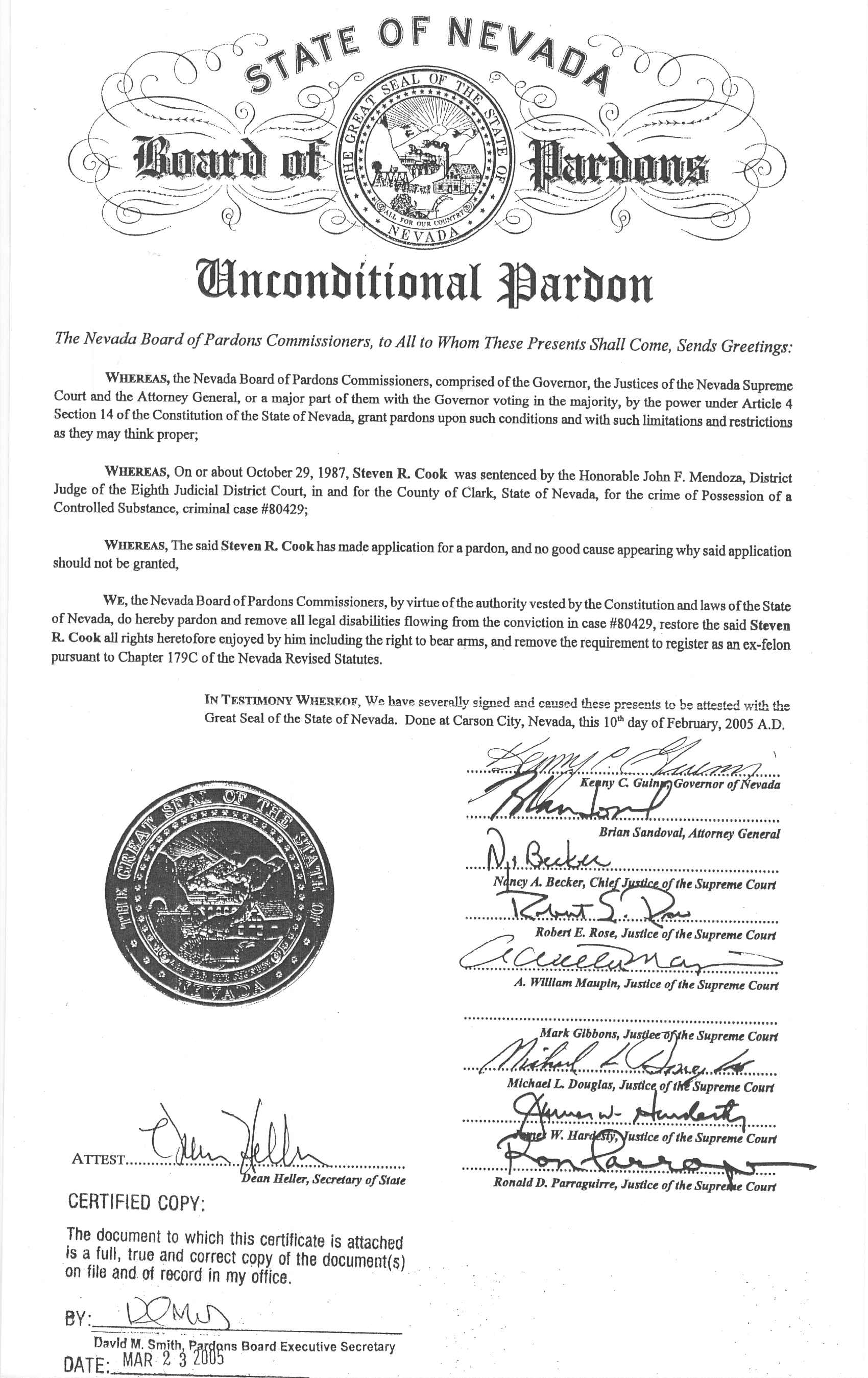






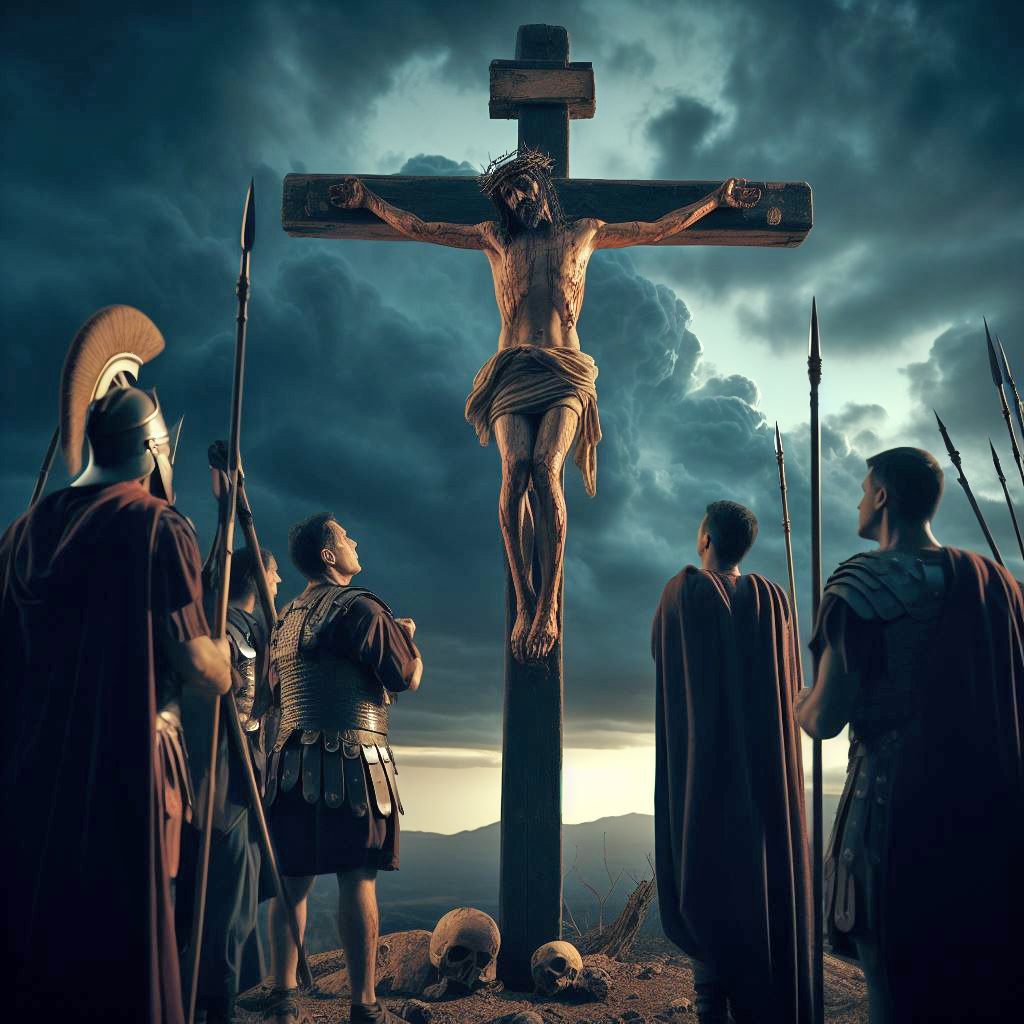









 Two of these divine qualities mentioned above—love and faithfulness—are specifically highlighted by Solomon, who instructed his son, “Do not let love and faithfulness leave you; bind them around your neck, write them on the tablet of your heart. Then you will find favor with God and people, and you will earn a good reputation.” (Prov 3:3-4). The word love translates the Hebrew noun chesed (חֶסֶד) which means love, kindness, loyalty, and mercy, often within the context of a covenant relationship. It is love that is loyal to a person because of promise. This is not a sentimental love, but a commitment-love, a loyal-love, one that is borne out of strength of character and moral integrity. It is used of “the faithful God who keeps covenant and steadfast love” (Deut 7:9). The word faithfulness translates the Hebrew noun emeth (אֱמֶת) which means to be firm, true, faithful, loyal, steadfast, or constant. It refers to someone who can be trusted to complete a task, like a “faithful messenger…who refreshes the soul of his employer” (Prov 25:13). Love signifies a commitment to a relationship, while faithfulness conveys the idea of staying the course and completing what has been started. The directive implies that love and faithfulness are not automatic qualities within us, but must be intentionally and actively cultivated.
 The phrase, “bind them around your neck” conveys a deliberate and self-imposed commitment to the qualities of love and faithfulness. This imagery suggests that these virtues might not remain with us naturally; therefore, we must intentionally fasten them to ourselves so they become a permanent part of who we are. Wearing them on the neck implies openness, much like displaying a beautiful gold necklace for others to see. The phrase “write them on the tablet of your heart” underscores the necessity of internalizing these virtues. Love and faithfulness should become so ingrained that they flow naturally in our words and actions. Just as words chiseled into stone are permanent, we must deliberately engrave these qualities on our hearts. This process takes time and requires consistent study, intentional reflection, and faithful application.
 Jesus said, “I am the Light of the world; he who follows Me will not walk in the darkness, but will have the Light of life” (John 8:12). And He also declared, “I have come as Light into the world, so that everyone who believes in Me will not remain in darkness” (John 12:46). When we trust in Christ as our Savior, God rescues us “from the domain of darkness” and transfers us “to the kingdom of His beloved Son” (Col 1:13). This domain of darkness refers to Satan’s kingdom, a spiritual realm in which the majority of this world live. When one hear abouts Christ and the good news of the gospel, it affords them the opportunity to “turn from darkness to light and from the dominion of Satan to God” (Acts 26:18). Writing to Christians in Ephesus, Paul said, “you were formerly darkness, but now you are light in the Lord; walk as children of light—for the fruit of the light consists in all goodness and righteousness and truth—trying to learn what is pleasing to the Lord” (Eph 5:8-10).
 To us who are in Christ, Paul writes, “walk as children of light” (Eph 5:8c). This is the Lord’s will for us. The directive assumes we can walk in darkness, otherwise it’s an unnecessary command. The word walk translates the Greek verb peripateō, which is used here as a metaphor for how we live. The verb is in the active voice, present tense, and imperative mood. The active voice means we have the responsibility to act as God directs, and the present tense refers to habitual conduct, and the imperative mood means it’s a command to be obeyed. To walk as children of light means living transparently before God who sees all we think, say, and do. It also means we live in way that reflects His glory for others to see, and we seek to bring others to God through Christ and His Word that they might know and walk with the Lord too. But those who love the darkness (John 3:19)—and they are the majority of humanity—will avoid spiritual Christians because our values and lifestyle reveal the darkness of their hearts and lives, and they want nothing to do with us and will avoid biblical conversation and fellowship at all costs, even resorting to violence when they feel threatened.
 Paul does not leave us guessing as to what the production of our walk with the Lord should look like, as he states, “for the fruit of the Light consists in all goodness and righteousness and truth” (Eph 5:9). The fruit refers to the qualities that are seen in God Himself (Gal 5:22-23), and when we are filled with the Spirit (Eph 5:15), and walk in the Spirit (Gal 5:16), the Light within us will shine forth and bear fruit for others to see. This requires us to walk in fellowship with God, to “walk in the Light as He Himself is in the Light” (1 John 1:7), which means submitting to Him (Jam 4:7) and walking by faith (2 Cor 5:7) as obedient-to-the-Word believers. But if we “walk in the darkness” (1 John 1:6), which is always a possibility for the Christian, there will be nothing noticeable to distinguish us from an unbeliever who lives in perpetual carnality (1 Cor 3:1-3).
 Those of us who learn and live God’s Word on a regular basis are “trying to learn what is pleasing to the Lord” (Eph 5:10). There’s only one way to live a life that is pleasing to the Lord, and that is to learn His Word and walk by faith (2 Cor 5:7; Heb 10:38). God has revealed Himself and His will through His written Word, and when we devote ourselves to the daily study of Scripture, we come to know what pleases the Lord. Every thought, word, and deed must be measured by the Word God as it speaks to our conversations, friendships, resources, work ethic, and every aspect of life. When we yield our lives to God and walk by faith in obedience to His Word, we know that it pleases Him, for “without faith it is impossible to please Him” (Heb 11:6).
 There are two kinds of righteousness that matter to Christians: positional righteousness and experiential righteousness. Positional righteousness refers to the believer’s legal standing before God, achieved through faith in Jesus Christ (John 3:16; 2 Cor 5:21). The moment a person believes in Jesus Christ as Savior, God declares that person righteous on the grounds that God’s perfect righteousness has been credited to their account (Rom 4:5-7). God gives His righteousness to one who believes in Christ as Savior. The Apostle Paul describes this as “the gift of righteousness” (Rom 5:17). It’s a free gift from God to us. This righteousness is not our own, which is relative to whatever standard we might follow, but God’s righteousness deposited in us. Paul also calls it “the righteousness which comes from God on the basis of faith” (Phil 3:9). When God looks at us, as Christians, He sees His righteousness in us and declares us justified in His sight (Rom 3:24, 28; Gal 2:16). This righteousness is unchangeable and eternal because it depends entirely on Christ’s finished work (John 19:30) and God’s grace (Eph 2:8-9). And it cannot be given back to God after it’s been received, for all God’s gifts are irrevocable (Rom 11:29).
 Experiential righteousness refers to the believer’s daily life and conduct as they grow in spiritual maturity and obedience to God’s Word (2 Tim 2:15; 3:16-17; Jam 1:22; 1 Pet 2:2). Often called practical righteousness, it involves living in a manner consistent with the believer’s positional righteousness. Scripture instructs us to “walk in a manner worthy of the calling with which you have been called” (Eph 4:1; cf. Col 1:10; Phil 1:27). Experiential righteousness is empowered by the Holy Spirit (Eph 5:18; Gal 5:16-25) and involves making choices that align with God’s moral standards as revealed in Scripture. The degree of experiential righteousness varies among believers, depending on their spiritual growth, volition, and discipline in applying God’s Word to their lives (Rom 6:13; Jam 1:22). In this sense, all believers practice relative righteousness, as some live more “rightly” than others (1 Sam 24:17; Jer 3:11) due to their greater knowledge and adherence to God’s Word.
 Let us be Christians who operate in humility, walking by faith, and seeking to live in a manner that pleases God (2 Cor 5:7; Heb 10:38; 11:6). Let us learn and live God’s Word (2 Tim 3:16-17; 1 Pet 2:2; Jam 1:21-22), being transformed by the renewing of our minds (Rom 12:2) and confessing our sins as needed to maintain fellowship with Him (1 John 1:9). Let us be filled with the Spirit (Eph 5:18), walk by the Spirit (Gal 5:16), and manifest the fruit of the Spirit in our daily lives (Gal 5:22-23). We should also “walk in love” (John 13:34-35; Eph 5:2), and “rejoice always, pray without ceasing, and give thanks in everything” (1 Th 5:16-18). Let us perform good deeds (Gal 6:10; Eph 2:10), advance to spiritual maturity (Heb 6:1), and “grow in the grace and knowledge of our Lord Jesus Christ” (2 Pet 3:18). Such lives glorify God (1 Cor 10:31) and edify others as we use our spiritual gifts in service to the body of Christ (Rom 12:6-8; 1 Pet 4:10-11). Let us press on toward this high calling, remembering that our labor in the Lord is not in vain (1 Cor 15:58; Phil 3:13-14).
 As Christians, God’s Word directs us not to worry about the future (Prov 12:25; Matt 6:25-34; Luke 12:22-31), to “Be anxious for nothing, but in everything by prayer and supplication with thanksgiving let your requests be made known to God” (Phil 4:6), and to “Cast all your anxiety on him because he cares for you” (1 Pet 5:7). This requires divine viewpoint thinking, disciplined mental focus, and a will to live by faith rather than succumbing to worry. It requires believers to “Watch over your heart with all diligence” (Pro 4:23a), to “destroy speculations and every lofty thing raised up against the knowledge of God, and take every thought captive to the obedience of Christ” (2 Cor 10:5), and to “keep seeking the things above, where Christ is, seated at the right hand of God” (Col 3:1).
 Wise preparation for the future, on the other hand, is marked by prudence and responsibility. It involves making plans based on sound judgment, taking into account potential challenges, and considering how best to address them. Wise preparation is grounded in trust in God’s sovereignty and provision, recognizing that while we plan, we ultimately rely on God for the outcome. Solomon wrote, “The plans of the heart belong to man, but the answer of the tongue is from the LORD” (Prov 16:1). Wise planning is proactive, born not out of fear but from a desire to be a good steward of the resources, time, and opportunities God gives us. Solomon wrote, “The plans of the diligent lead surely to advantage” (Prov 21:5a). The person who wants to build something will “first sit down and calculate the cost to see if he has enough to complete it” (Luke 14:28b). This is wise planning. Wisdom involves thoughtful, intentional action, not anxious fretting over things we cannot control.
 Let’s face it: life is not fair. Sometimes it is unfair to our disadvantage, but at other times, it is unfair to our advantage. It is interesting how we are prone to cry foul when life is unfair to our disadvantage but are more than glad to accept and rejoice when it is unfair to our benefit. This inconsistency highlights the human tendency to be self-centered and myopic rather than God-focused and biblically wise. Scripture reminds us that we are all undeserving of God’s goodness, for “There is no one righteous, not even one… for all have sinned and fall short of the glory of God” (Rom 3:10, 23). If God dealt with us strictly based on fairness, we would face His righteous judgment and eternal separation from Him.
 Ultimately, our focus should rest on God’s grace and purposes rather than temporal fairness. His ways are higher than our ways, and His thoughts higher than our thoughts (Isa 55:8-9), and we trust that His actions are always based on perfect wisdom. By keeping our eyes on His grace, we are reminded of the immeasurable blessings we have received, which far outweigh the injustices of life. In all circumstances, we can trust that God is just, merciful, and working all things together for good for those who love Him (Rom 8:28). In everything, we know that “God’s work is perfect, for all His ways are just; a God of faithfulness and without injustice, righteous and upright is He” (Deut 32:4).
 In every situation, we should turn to God in prayer, seeking His wisdom and strength to respond appropriately (Jam 1:5), and trust in His sovereignty, knowing that He will bring justice in His perfect timing (Rom 12:19). We are called to be “kindhearted and humble in spirit; not returning evil for evil or insult for insult, but giving a blessing instead” (1 Pet 3:8b–9a). Jesus serves as our ultimate example: “While being reviled, He did not revile in return; while suffering, He uttered no threats, but kept entrusting Himself to Him who judges righteously” (1 Pet 2:23). We are told, “Never take your own revenge, beloved, but leave room for the wrath of God, for it is written, ‘Vengeance is Mine, I will repay,’ says the Lord” (Rom 12:19). God has said, “If you do all that I say, then I will be an enemy to your enemies and an adversary to your adversaries” (Ex 23:22). Furthermore, “it is just for God to repay with affliction those who afflict you, and to give relief to you who are afflicted” (2 Th 1:6b-7a). God is both a defender and a dispenser of justice.
 The Judgment Seat of Christ evaluation will take place in heaven and Jesus Himself will be the Judge. Scripture tells us, “For we must all appear before the judgment seat of Christ, so that each one may be recompensed for his deeds in the body, according to what he has done, whether good or bad” (2 Cor 5:10; cf. Rom 14:10). Again, this is not a judgment concerning who gets into heaven. That decision is made in time by those who believe in Christ as their Savior, for “whoever believes in Him shall not perish, but have eternal life” (John 3:16), and the person who believes in Christ “has eternal life, and does not come into judgment, but has passed out of death into life” (John 5:24), and “there is now no condemnation for those who are in Christ Jesus” (Rom 8:1).
 That some Christians will be rewarded in heaven more than others means they possessed positive volition and made many good choices to know and walk with God, seeking His will above their own. The humble and maturing Christian is devoted to studying God’s Word (2 Tim 2:15; 3:16-17; 1 Pet 2:2), being filled with the Spirit (Eph 5:18), walking by means of the Spirit (Gal 5:16), living by faith (2 Cor 5:7; Heb 10:38), advancing to spiritual maturity (Heb 6:1), walking in love (Eph 5:2), doing good to others (Gal 6:10), being kind and forgiving (Eph 4:32), serving others spiritually (Phil 2:3-4; 1 Pet 4:10), and living “to the glory of God” (1 Cor 10:31). Such a life will glorify God in time and eternity and He will reward His faithful servant in the eternal state.
 In conclusion, the evaluation at the judgment seat of Christ underscores the importance of living a life that honors God, one that reflects positive volition, spiritual growth, and a commitment to His will. While all Christians are secure in their salvation through faith in Christ alone (John 3:16; 10:28; Rom 8:1), the rewards they receive will be determined by their faithfulness in walking with God (2 Cor 5:7), studying His Word (2 Tim 3:16-17; 1 Pet 2:2), and serving others in love (1 Pet 4:10). As we anticipate this evaluation, let us strive to be those who live wisely (Eph 5:15-17), walking by faith and seeking to glorify God in all things (1 Cor 10:31). In doing so, we will be rewarded for our devotion and service to Christ (2 Cor 5:10). Let us, therefore, live each day in light of eternity, with our eyes fixed on the prize that awaits those who faithfully follow Christ.
 The Bible reveals that some things are more important than life itself. For the apostle Paul, his call to ministry was the most important thing to him. When speaking to the Elders at Ephesus, Paul said, “I do not consider my life of any account as dear to myself, so that I may finish my course and the ministry which I received from the Lord Jesus, to testify solemnly of the gospel of the grace of God” (Acts 20:24). The word “dear” translates the Greek adjective timian (τιμίαν), which means “costly, precious, of great worth…held in honor, high regard” (BDAG, 1005). Paul is expressing that he does not regard his life as precious or valuable for his own sake. His words reflect a self-sacrificial attitude in which his commitment to fulfilling his God-given mission took precedence over personal safety or comfort. Jesus taught this principle when He said, “If anyone wishes to come after Me, he must deny himself, and take up his cross and follow Me. For whoever wishes to save his life will lose it; but whoever loses his life for My sake will find it” (Matt 16:24-25). Paul exemplified this sacrificial life, saying, “The life which I now live in the flesh I live by faith in the Son of God, who loved me and gave Himself up for me” (Gal 2:20b). He also declared, “I have suffered the loss of all things, and count them but rubbish so that I may gain Christ” (Phil 3:8b).
 Paul’s mission was “to testify solemnly of the gospel of the grace of God” (Acts 20:24c). This gospel reveals that salvation is a free gift from God, based solely on His grace and received through faith alone in Christ alone, apart from human works. The word “gospel” means “good news,” and for Paul, the essence of this good news is that “that Christ died for our sins according to the Scriptures, and that He was buried, and that He was raised on the third day according to the Scriptures” (1 Cor 15:3-4). When we trust in Jesus as our Savior (John 3:16; Acts 4:12; Rom 3:24-28), we receive forgiveness of sins (Acts 10:43; Eph 1:7), and the free gift of eternal life (John 10:28; Rom 6:23; Eph 2:8-9). The gospel excludes human merit or works as a basis for salvation (Rom 4:4-5; Gal 2:16; Eph 2:8-9; Tit 3:5). We are saved by the grace of God. Salvation is never what we do for God; rather, it’s what He has done for us through the death, burial, and resurrection of Jesus Christ, and it is a free gift, received by us with the empty hands of faith.
 The stability of Christians is largely predicated on the biblical content and continuity of their thinking. It is not only what they think, but what they continue to think that provides stability in their souls. When God’s Word—divine viewpoint—flows through their daily thoughts, it enables them to frame life from a divine perspective and respond properly from a position of strength. The more Christians study, memorize, and apply God’s Word, the greater the benefits they will experience in their walk of faith. Achieving this requires positive volition, a commitment to learning, and a willingness to live as obedient-to-the-Word Christians.
 Biblically, there will be times when it’s God’s will that you face hardships, such as when Joseph was sold into slavery (Gen 37:23-36; Psa 105:17-19), or Paul suffered as a minister for Christ (2 Cor 11:23-27). During those times of providential difficulty, God wants you to trust that He’s in control of the circumstances of your life and is directing the outcome for good, like He did with Joseph (Gen 45:5, 7, 50:20). Scripture states, “We know God works all things together for good to those who love Him, to those who are called according to His purpose” (Rom 8:28). Therefore, believers are instructed, “Trust in the LORD with all your heart and do not lean on your own understanding. In all your ways acknowledge Him, and He will make your paths straight” (Prov 3:5-6). It is God’s will that you trust His Word and walk by faith, to “Rest in the LORD and wait patiently for Him” (Psa 37:7), and “cast all our anxiety on Him, because He cares for you” (1 Pet 5:7), and “Be anxious for nothing, but in everything by prayer and supplication with thanksgiving let your requests be made known to God” (Phil 4:6). If you do this, then “the peace of God, which surpasses all comprehension, will guard your hearts and your minds in Christ Jesus” (Phil 4:7).
 Discipline of mind—controlling your thoughts—is vital to your walk of faith, for what you focus on shapes your mental and emotional state. Isaiah wrote, “The steadfast of mind You will keep in perfect peace, because he trusts in You” (Isa 26:3). Jeremiah said, “Blessed is the man who trusts in the LORD and whose trust is the LORD” (Jer 17:7). In times of trouble, you can take refuge in God, for “The LORD is good, a stronghold in the day of trouble, and He knows those who take refuge in Him” (Nah 1:7). As God’s child, you are called to “take every thought captive to the obedience of Christ” (2 Cor 10:5), and to “set your mind on the things above, not on the things that are on earth” (Col 3:2). If you know and practice these things, you’ll know the peace that comes from the Lord and the walk of faith.
 The spiritual life is inseparably connected to the walk of faith, for to “walk by the Spirit” (Gal 5:16) is to “walk by faith” (2 Cor 5:7). The former assumes the latter. God the Holy Spirit inspired the Scriptures (2 Tim 3:16-17; 2 Pet 1:20-21), ensuring the written text is God’s authoritative revelation, the very “Word of God, which performs its work in you who believe” (1 Th 2:13b). It follows that God the Holy Spirit will instruct us in the Word He authored.
 To walk by faith is important to the spiritual life. Faith is a mental activity that relies on information. Biblically, faith is never blind. It is never an irrational leap into the unknown. Rather, it is a reasonable response that follows reliable information. Faith trusts facts. For example, none of us have personally seen the resurrected Christ, yet the record of Scripture is historically true and reliable, based on eyewitness accounts of people who walked with Jesus (Luke 1:1-4; John 20:27, 30-31; 21:24; Acts 4:20; 10:39; 1 Cor 15:3-8; 1 Pet 5:1; 2 Pet 1:16-19; 1 John 1:1). After Jesus’ resurrection, He appeared to many people and gave proof of victory over sin and death. These eyewitnesses include Mary Magdalene and other women (John 20:10-18; Matt 28:8-9), two disciples on the road to Emmaus (Luke 24:13-32), the disciples without Thomas (John 20:19-25), the disciples with Thomas (John 20:26-29), the disciples by the Sea of Galilee (John 21:1-23), Peter, James, and more than 500 brethren at one time (1 Cor 15:5-7), the disciples at Jerusalem before His ascension (Acts 1:3-9), Stephen at the time of his martyrdom (Acts 7:56), Saul on the road to Damascus (Acts 9:1-6; 1 Cor 15:8), and John on the island of Patmos (Rev 1:9-18).
 Believing in Jesus as our Savior comes after we hear and accept as true the good news that Christ died for our sins, was buried, and rose on the third day (1 Cor 15:3-4), thus conquering sin and death. Jesus accomplished what we cannot—our eternal salvation. When we hear this good news of what Jesus has done for us, we can place our faith in Him (John 3:16; Acts 4:12) and be fully assured of forgiveness of sins (Acts 10:43; Eph 1:7) and eternal life (John 10:28; Rom 6:23). The benefits of the cross are applied to us the moment we believe in Jesus as our Savior. This simple act of faith results in our justification before God, “For we maintain that a man is justified by faith apart from works of the Law” (Rom 3:28), and “we have believed in Christ Jesus so that we may be justified by faith in Christ and not by the works of the Law” (Gal 2:16). Eternal salvation is by grace alone (Eph 2:8-9), through faith alone (Rom 3:24, 28; 5:1), in Christ alone (Acts 4:12).
 After being born again by faith alone in Christ alone, we are to continue in faith. Paul wrote, “as you have received Christ Jesus the Lord, so walk in Him” (Col 2:6). We received Jesus by faith, and after being born again, we are to “walk by faith, not by sight” (2 Cor 5:7). The word “walk” translates the Greek verb peripateō (περιπατέω), which is here used as a metaphor for how we live, behave, or habitually conduct our lives. To walk by faith means we learn and apply God’s Word to our lives (i.e., marriage, family, education, work, finances, etc.). It means obeying God’s directives, claiming His promises, and utilizing His resources for our daily problems. We are also instructed to “walk by the Spirit” and not the flesh (Gal 5:16). When we live by faith and depend on the Spirit for strength and guidance, we “walk in a manner worthy of the calling” with which we have been called (Eph 4:1).
 Ultimately, “whatever is not from faith is sin” (Rom 14:23). Faith starts with God and His directives and promises. Once we learn about God’s directives, provisions and promises, He expects us to live by them, to be “doers of the word, and not merely hearers who delude” ourselves (Jam 1:22). It is possible to learn God’s Word and not apply it by faith, which is why James wrote, “to one who knows the right thing to do and does not do it, to him it is sin” (Jam 4:17). It is a sin not to live by faith. The writer to the Hebrews warned his readers, saying, “Take care, brethren, that there not be in any one of you an evil, unbelieving heart that falls away from the living God” (Heb 3:12). After hearing God’s Word, it is evil for a Christian not to believe it. It’s evil because God’s Word is absolute truth (2 Sam 7:28; Psa 119:160; John 17:17), and rejecting or doubting it implies that God, who cannot lie (Num 23:19; Tit 1:2; Heb 6:18), is untrustworthy, which is an affront to His perfect nature. This evil behavior was exemplified by the Israelites in the wilderness, for after they’d been delivered from Egyptian bondage, they failed to live by faith (Num 14:11), angered the Lord (Psa 95:8-11), and so forfeited the blessing of inheriting the land (Heb 3:15-18). The danger for us as Christians is that we might know God’s directives and promises, but fail to apply them by faith, and never benefit from His blessings. The writer to the Hebrews said, “Therefore, let us fear if, while a promise remains of entering His rest, any one of you may seem to have come short of it. For indeed we have had good news preached to us, just as they also; but the word they heard did not profit them, because it was not united by faith in those who heard” (Heb 4:1-2).
 Though Peter had personally seen and heard Christ (2 Pet 1:16-18), he told his readers, “We have the prophetic word made more sure” (2 Pet 1:19a). Other translations read, “we possess the prophetic word as an altogether reliable thing” (2 Pet 1:19a NET), and “We also have the prophetic message as something completely reliable” (2 Pet 1:19a NIV). The words “more sure” translate the Greek adjective bebaios (βέβαιος) which means reliable, dependable, or trustworthy. According to BDAG, it refers to “something that can be relied on not to cause disappointment.”
 Living by faith is both a science and an art due to the interplay between objective truths and subjective experiences that characterize the faith journey. Faith is grounded in the objective truths of Scripture. Just as science relies on established laws and principles, living by faith involves understanding and applying biblical truths. This includes doctrines such as God’s character (i.e., He is righteous, merciful, loving, gracious, etc.), claiming His promises (i.e., He provides, never leaves, etc.), and the walk of faith that obeys God’s directives as they relate to life (i.e., marriage, education, finances, etc.). Just as scientific methods yield consistent results when applied correctly, living by faith produces reliable outcomes in the believer’s life. When principles of faith are properly and consistently applied—such as trust in God during trials or the practice of Bible study and prayer—believers can expect to experience spiritual growth, peace, and guidance. The art of living by faith involves the personal, subjective experience of our walk with God. Each believer’s journey is unique, with individual responses to challenges they face. How God dealt with Abraham was different than Jeremiah, who was different than Paul or John. Faith requires creativity in how one applies biblical truths to everyday life. And though each passage of Scripture has only one meaning, the applications can be many.
 At the moment of salvation, apart from the basics of the gospel, the believer’s mind is generally saturated with worldly thinking that needs to be expunged and replaced with divine viewpoint thinking via God’s Word. This renovation of the mind happens as we prioritize the intake and application of God’s Word to every aspect of life (i.e., education, marriage, finances, work, etc.). This means obeying the directive, “do not be conformed to this world, but be transformed by the renewing of your mind” (Rom 12:2). In this way, we are “trying to learn what is pleasing to the Lord” (Eph 5:10), and to “walk by faith and not by sight” (2 Cor 5:7). The walk of faith is what God expects of us, as He says, “My righteous one shall live by faith” (Heb 10:38), which we know pleases Him (Heb 11:6). As growing Christians who want to walk with the Lord, we need “the manifold wisdom of God” (Eph 3:10) rather than “the wisdom of this world” (1 Cor 3:19).
 When we face difficulties in life, the first area to be affected is our thinking. Having a focused mind that is properly calibrated to God’s Word is crucial for living successfully as a Christian. When Jeremiah faced the crisis of Jerusalem’s destruction by Nebuchadnezzar in 586 B.C., he experienced psychological and emotional disequilibrium, saying, “My soul has been rejected from peace; I have forgotten happiness. My strength has perished, and so has my hope from the LORD” (Lam 3:17-18). Here, Jeremiah was close to total despair. Huey states, Jeremiah “reached the lowest ebb of despair in verse 18 with the declaration that all his hope in the Lord had been destroyed…The sufferings were so deeply impressed in the heart of the victim that he found himself constantly thinking about them. His memory left him depressed and despondent.”
 After God brought Israel out of Egyptian captivity, He sought to humble and teach them His ways (Deut 8:1-2). God let them experience the hardship of hunger (Deut 8:3a), and then provided their nutritional needs to sustain them, and also ensured their clothing did not wear out (Deut 8:3b-4). God’s trial of privation was educational, “that He might make you understand that man does not live by bread alone, but man lives by everything that proceeds out of the mouth of the LORD” (Deut 8:3). The end result was that Israel was to “Know in your heart that as a parent disciplines his son, so the LORD your God disciplines you” (Deut 8:5).
 Solomon taught his son to accept God’s discipline, saying, “My child, do not despise discipline from the LORD, and do not loathe His rebuke. For the LORD disciplines those He loves, just as a father disciplines the son in whom he delights” (Prov 3:11-12). Concerning this passage, MacDonald states, “Too often we tend to think of discipline as meaning punishment, but it actually includes all that is involved in the proper training of a child, i.e., instruction, warning, encouragement, advice, correction, and chastening. Everything that God allows to come into our lives is purposeful.”
 God directs us to live holy and righteous lives, and He actively works in our lives to influence our behavior. He is, after all, our heavenly Father, and He loves us greatly. To be corrected by His Word is primary and optimal; however, if we are defiant, or become habitually rebellious, God will educate us by means of scourging (more severe punishment). God’s discipline is always tailored to the individual. The three days of suffering for Jonah (Jonah 1:17; 2:10; 3:1-3) was different than the seven years of suffering for Nebuchadnezzar (Dan 4:31-37). Furthermore, God’s discipline generally comes in stages (1 Cor 11:30), can result in physical death (1 John 5:16), and loss of eternal rewards (1 Cor 3:10-15; 2 John 1:8). Though carnal Christians may face terrible punishment from God in time, and loss of rewards in eternity, they will never face the lake of fire, (John 3:16; 10:28), for “there is now no condemnation for those who are in Christ Jesus” (Rom 8:1). All Christians have eternal life, and Jesus said, “they will never perish” (John 10:28a; cf., John 3:16; 5:27). Though God’s children should rightly fear His punishment in time, they should not fear their eternal destiny.
 The ideal form of self-discipline is seen in the children of God who devote themselves to studying and applying God’s Word on a regular basis. Discipline by learning Scripture is preferred over discipline by means of suffering. Paul wrote, “All Scripture is inspired by God and profitable for teaching, for reproof, for correction, for training in righteousness; so that the man of God may be adequate, equipped for every good work” (2 Tim 3:16-17). Here, the word “training” translates the Greek noun paideia (παιδεία), which refers to “the act of providing guidance for responsible living, upbringing, training, instruction.”
 Part of the fruit of the Spirit is self-control (Gal 5:23), and the Christian who is walking by means of the Spirit will show the gradual discipline of mind and life that is advancing toward spiritual maturity. The disciplined mind is a stable mind. It is one that responds to people and circumstances and does not react. It does not allow thoughts to run away like wild horses, but restrains them and brings them in to submission to God and His Word. It is a mind that suspends judgment on a matter until the facts are established, and then it renders a verdict. It is one that is governed by wisdom and not emotion. It focuses on dealing with the difficulties of each moment and leaves tomorrow’s troubles to God. Undisciplined Christians will never organize their thoughts and lives, and will never reach the heights to which God calls them.
 The English words disciple and discipline are linguistically related terms, revealing an important connection between the two concepts.
 Discipleship requires dedication and self-sacrifice. Jesus said, “If anyone wishes to come after Me, he must deny himself, and take up his cross and follow Me” (Matt 16:24), and “Whoever does not carry their own cross and come after Me cannot be My disciple” (Luke 14:27). The cross symbolizes self-denial and total commitment to God’s will. When Jesus commands us to deny ourselves and take up our cross, He calls us to surrender our personal desires, ambitions, and even our very lives to follow Him. Jesus’ own cross represented His ultimate obedience to the Father, leading to His sacrificial death for our salvation (Mark 10:45; John 12:32-33; 1 Cor 15:3-4). The cross was both an instrument of suffering and the means by which He accomplished God’s plan of salvation for everyone.
 Discipline, in the Bible, is twofold: God disciplines us as His children, and we are to be self-disciplined. God’s discipline is His ongoing correction and training that results in His people living righteous lives that conform to His character and will. The key OT terms for discipline are the verb yasar (יָסַר) and the noun musar (מוּסָר). Yasar means “to instruct…to chastise, rebuke…to teach, bring up.”
 God trains us to be self-disciplined, teaching us to exercise “self-control” (1 Cor 9:25-27; Gal 5:22-23) and to be fully committed to learning His Word, which is “profitable for teaching, for reproof, for correction, for training in righteousness” (2 Tim 3:16). Self-discipline is shown in the daily application of God’s Word to all aspects of our lives (whether in marriage, family, work, education, or finances). It requires focus, effort, dedication of time and resources, and the ability to resist distractions that pull us away from our walk with the Lord. As we mature, we are marked by a disciplined life of Bible study (2 Tim 2:15; 3:16-17; 1 Pet 2:2) and biblical meditation that recalibrates our minds to think with divine viewpoint (Psa 1:2; Rom 12:1-2), constantly being “nourished on the words of the faith and of sound doctrine” (1 Tim 4:6). In our advance to maturity, we directed to “walk by faith and not by sight” (2 Cor 5:7; cf. Heb 10:38), to be “doers of the word, and not merely hearers” (Jam 1:22), to “rejoice always” (1 Th 5:16), to “pray without ceasing” (1 Th 5:17), and to pursue “goodness and righteousness and truth, trying to learn what is pleasing to the Lord” (Eph 5:9-10). These are just a few things that characterize mature believers who practice biblical self-discipline. Ultimately, God’s purpose in this discipline is to shape us into the likeness of Christ, “to become conformed to the image of His Son” (Rom 8:29). Our journey of discipleship involves growing in Christ, and discipline is the ongoing process that guides and sustains that journey.
 All Christians are simultaneously justified before God and continue to struggle with sin. Both are true. We who have trusted in Christ as Savior have received judicial forgiveness of sins (Acts 10:43; Eph. 1:7), eternal life (John 10:28), and the gift of God’s righteousness (Rom. 5:17). Because God’s righteousness has been imputed to us, He declares us righteous in His sight. God’s righteousness is imputed to us through faith in Christ, meaning it is credited to our account as if it were our own. His righteousness becomes our righteousness. This is not based on our own works or merits but solely on Christ’s work on our behalf. In Romans, Paul wrote that “the righteousness of God has been manifested apart from the law…the righteousness of God through faith in Jesus Christ for all who believe” (Rom. 3:21-22). When we place our faith in Christ alone (John 3:16; Acts 4:12; 16:31), God’s perfect righteousness is credited to us. This imputation is the basis of our justification, the legal declaration by God that we are righteous in His sight, for “to the one who does not work, but believes on Him who declares the ungodly to be righteous, his faith is credited as righteousness” (Rom. 4:5). In God’s sight, a transfer has occurred—Christ took on our sin, and we received His righteousness (2 Cor. 5:21). This is “the gift of righteousness” that God gives freely to us who simply trust Christ as our Savior (Rom. 5:17). It is “the righteousness which comes from God on the basis of faith” (Phil. 3:9b). Because of this divine exchange, God no longer sees us as guilty but as righteous, for “God is the one who justifies” (Rom 8:33), and we are “justified by faith in Christ and not by the works of the Law” (Gal. 2:16). This fulfills the requirements of His holiness and justice, as sin is punished in Christ, and righteousness is freely given to us who trust in Him as our Savior. That’s grace!
 Further emphasizing this, when asked “which command in the law is the greatest?” (Matt. 22:36), Jesus responded, “You shall love the Lord your God with all your heart, and with all your soul, and with all your mind. This is the great and foremost commandment. The second is like it, ‘You shall love your neighbor as yourself’” (Matt. 22:37-39). Jesus’ answer reveals that love—both for God and for others—is the supreme commandment that underpins all other laws. Every other command, whether large or small, is fulfilled when these two foundational principles are kept (Matt. 22:40). This reinforces the idea that some commandments carry more weight, not because they are to be followed to the exclusion of others, but because they represent the core of godly behavior and form the basis for all righteous living.
 While it is never God’s will for us to sin (1 John 2:1), we inevitably do. If we leave our sin unconfessed, or sin greatly or repeatedly, the Lord will discipline us (Heb. 12:6). David wrote, “When I kept silent about my sin, my body wasted away through my groaning all day long. For day and night Your hand was heavy upon me; my vitality was drained away as with the fever heat of summer” (Ps. 32:3-4). These verses highlight the destructive nature of unconfessed sin, illustrating how it can lead to emotional anguish and physical decline. But then David handled his sin correctly, as God intended, saying, “I acknowledged my sin to You, and my iniquity I did not hide; I said, ‘I will confess my transgressions to the LORD’; and You forgave the guilt of my sin” (Ps. 32:5). This statement reflects the psalmist’s understanding that confession is essential for restoring a right relationship with God. Likewise, if we commit a grievous sin, God disciplines us, just as a loving father disciplines his child, for “the Lord disciplines the one He loves, and chastens every child whom He receives” (Heb. 12:6) This discipline is loving and corrective, intended to guide us back to righteousness. But if we harden our hearts and fail to respond to His correction, the consequences can become increasingly severe. In extreme cases, uncorrected sin can lead to physical illness or even death, as Paul wrote, “For this reason many among you are weak and sick, and a number sleep” (1 Cor. 11:30). Additionally, John wrote about the “sin unto death” (1 John 5:16), which refers to God terminating His errant children who persist in rebellion and refuse to correct their egregious sinful behavior.
 Under the Mosaic Law, the transmission and teaching of God’s Word to subsequent generations was primarily the responsibility of the parents who served as conduits through which God’s law was passed down to children. The instruction to parents was, “These words, which I am commanding you today, shall be on your heart. You shall teach them diligently to your sons and shall talk of them when you sit in your house and when you walk by the way and when you lie down and when you rise up (Deut 6:6-7). The phrase, “teach them diligently,” translates the Hebrew verb “shanan” (שָׁנָן), which means “to engrave or chisel on stone.” The verb is in the Piel stem, which makes it intensive (i.e., teach diligently). Here, the tongue of the parents is likened to a chisel they keep applying to their children’s minds in order to engrave God’s Word into their thinking (cf., Prov 6:20-23). Where and when was this activity of training to take place? Moses said, you “shall talk of them when you sit in your house and when you walk by the way and when you lie down and when you rise up” (Deut 6:7b). “Sitting” suggests times of rest, and “walking” speaks of activity. When you “lie down” suggests evening time, and when you “rise up” suggests the morning hours. These form a double merism which encompass of all of life. In this way, Deuteronomy is aimed at subsequent generations, that they might learn God’s will and faithfully transmit it to their children, who will pass it along to their children, and so on.
 There is similar instruction in the NT where Paul directed Christians fathers to raise their children “in the discipline and instruction of the Lord” (Eph 6:4). Hoehner notes, “the training and admonition come from the Lord or are prescribed by the Lord through fathers.”
 In the New Testament, prophets were not only those who received direct revelation from God but also served as teachers of His Word. Their role involved both the foretelling of future events (Acts 11:27-28; 21:10-11) and the forth-telling or proclamation of God’s truth, which included explaining and applying existing Scripture. This dual function meant that prophets also acted as teachers in the early church, helping believers understand doctrine and the teachings of Christ. The role of prophets as teachers is seen in passages like 1 Corinthians, where Paul said, “One who prophesies speaks to men for edification and exhortation and consolation” (1 Cor 14:3), which were all aspects of instruction and spiritual growth. Prophets, by God’s guidance, helped to build up the church, teaching what had already been revealed in Scripture while also giving inspired messages. Their role was critical before the completion of the New Testament, as they served as communicators of God’s will and truth, similar to how teachers expound upon Scripture today. Hoehner notes, “New Testament prophets were gifts to the church to provide edification, exhortation, and comfort (1 Cor 14:3). They probably revealed God’s will to the church when the biblical canon was incomplete. Since the apostles and prophets were foundational, they did not exist after the first generation of believers.”
 Evangelists in the Bible were primarily focused on proclaiming the gospel and sharing the good news of Jesus Christ, but their role also included teaching. Evangelists were responsible for bringing the message of salvation to unbelievers and helping new converts understand the basics of the Christian faith. In Ephesians 4:11, evangelists are among the list of communication gifts—or gifted persons—God has provided to His church. This shows that their role, like the others listed, was to build up and strengthen the church (Eph 4:12). Evangelists did not just preach a simple message of salvation; they would have needed to teach the foundational truths of the gospel and explain what it meant to live as a disciple of Christ. Philip the evangelist is a good example. In Acts 8, he not only preached the gospel to the Ethiopian eunuch but also explained the meaning of Isaiah 53 and taught about Jesus (Acts 8:26-34). When the eunuch asked Philip about Isaiah 53:7-8, we’re told, “Then Philip opened his mouth, and beginning from this Scripture he preached Jesus to him” (Acts 8:35). Philip’s role in that encounter included teaching, since he had to guide the eunuch in understanding Scripture.
 Christians have the individual responsibility of studying God’s Word directly as well as through gifted teachers. This will help advance their spiritual life to they can grow to maturity (2 Tim 2:15; Heb 5:12-14; 1 Pet 2:2; 2 Pet 3:18). They are personally accountable to God for what they learn and how they live. If Christians can find a good Bible teacher and learn from him, they are blessed. However, no Bible teacher is perfect in his teaching, so Christians must be like the Bereans, “examining the Scriptures daily” (Acts 17:11) to verify the teaching is biblical. Furthermore, spiritual growth is a gradual process that requires discipline, perseverance, and a commitment to moving beyond the basics of the faith. The goal is to reach spiritual maturity, reflecting the fullness of Christ, which prepares believers for effective service and eternal rewards.
 Abraham had a recurring habit of lying about his relationship with his wife, Sarah. In Genesis 12, fearing for his life, Abraham told Sarah, “Please say that you are my sister so that it may go well with me because of you, and that I may live on account of you” (Gen 12:13). Later, in Genesis 20, he did it again, telling Abimelech, “She is my sister” (Gen 20:2). After God intervened and saved Sarah, Abraham admitted that he had instructed her, saying, “Everywhere we go, say of me, ‘He is my brother’” (Gen 20:13b). This pattern of behavior reveals a habitual sin. Tremper Longman states, “Here we have an example of a habitual sin. After the first occurrence when he went to Egypt (Gen 12:10–20), he knew that God was displeased with his behavior, but he continued to struggle with his self-protective lying until at least this point in his life.”
 At the moment of faith in Christ, God’s righteousness is gifted to the believer (Rom 5:17; cf. 2 Cor 5:21; Phil 3:9), who is at once made right with God and declared just in His sight. Scripture reveals that “God is the one who justifies” (Rom 8:33), and “who justifies the ungodly” (Rom 4:5). This is a work of God alone. Divine justification is not by human works at all, “for there is none righteous, not even one” (Rom 3:10), “for all have sinned and fall short of the glory of God” (Rom 3:23). Rather, Paul reveals we are “justified as a gift by His grace through the redemption which is in Christ Jesus” (Rom 3:24). Good works are not a prerequisite, corequisite, or postrequisite to salvation (Rom 4:4-5; Eph 2:8-9; Tit 3:5). That is, beyond simple faith in Christ, nothing is required of us before, during, or after we believe in Him as our Savior. According to Geisler, “Justification is an instantaneous, past act of God by which one is saved from the guilt of sin—his record is cleared and he is guiltless before the Judge” (Rom 8:1).”
 Once saved, God calls His children to a lifelong process of sanctification, which refers to our progressive walk of righteousness over time. It is the life we live after being justified, and this process continues until we leave this world, either by death or rapture. To be righteous in conduct is the lifelong process whereby we advance to spiritual maturity and live in conformity with the character and will of God as revealed in His Word. The sanctified life requires us to learn and live God’s Word (2 Tim 2:15; 1 Pet 2:2; 2 Pet 3:18), walk by faith (2 Cor 5:7; Heb 10:38), be filled with the Spirit (Eph 5:18), walk by the Spirit (Gal 5:16), and advance to spiritual maturity (Heb 6:1). Sanctification requires positive volition on our part. This is obvious by the use of NT verbs that are in the imperative mood (i.e., commands), which require the Christian to obey. According to Thieme, “Experiential sanctification is commanded but not guaranteed. While God in grace provides the resources, opportunities, instructions, and encouragement, the believer himself chooses whether to execute the spiritual life.”
 As Christians, God calls us to “pursue righteousness, faith, love, and peace, with those who call on the Lord from a pure heart” (2 Tim 2:22; cf. 1 Tim 6:11), to “present yourselves to God as those alive from the dead, and your members as instruments of righteousness to God” (Rom 6:13b), and to “present your members as slaves to righteousness” (Rom 6:19a). Addressing the Christians at Ephesus, Paul wrote, “you were formerly darkness, but now you are Light in the Lord; walk as children of Light, for the fruit of the Light consists in all goodness and righteousness and truth, trying to learn what is pleasing to the Lord” (Eph 5:8-10). Peter also wrote, “He Himself bore our sins in His body on the cross, so that we might die to sin and live to righteousness” (1 Pet 2:24a). Righteous living—that’s what God desires from us. He wants our thoughts, words, and actions to align with His righteous character and His written Word as it applies to us as Christians. This requires positive volition and a commitment to the Lord (Rom 12:1-2), to learn His Word (2 Tim 3:16-17; 1 Peter 2:2) and live His Word by faith (2 Cor 5:7; Heb 10:38).
 I tried to reason with her on multiple occasions about work-related matters, but she wouldn’t listen and appeared closed-minded. She then began a process of elimination by marginalizing me, ignoring me in person, and in public settings. This tactic made me feel isolated, devalued, and unsupported, which felt like a betrayal and was very demoralizing. Her acts of rejection, ignoring me, and social isolation were very painful and caused me to experience psychological and emotional disequilibrium. Her lack of communication created uncertainty, making me feel insecure about my job status, performance, and future with the company. Her betrayal as a trusted supervisor hurt me. Biblically, David experienced the pain of betrayal, lamenting, “My friend, the one I trusted completely, the one who shared my food, has turned against me” (Psalm 41:9). Even Jesus “was deeply troubled” when Judas was about to betray Him (John 13:21). As people, none of us are exempt from the hurt caused when a trusted person turns against us for no good reason.
 My first course of action was to reprioritize my life and give attention to what mattered most. The years of dealing with a toxic boss had negatively impacted my marriage. After reflecting on my situation at work, I decided to step down from my position and assume a lesser role that removed me from daily interaction with my supervisor. I had to take a cut in pay, but I thought it was necessary given my painful circumstances at work. The subsequent separation from my boss was healthy, as it removed me from the line of fire. It took me a few months to recalibrate my thoughts and feelings, but after seeking medical help and digging deeply into God’s Word, the dark clouds rolled away, and the sun began to shine again in my life. What follows are some of the practices I employed during my time of dealing with a toxic boss, and these continue to be part of my daily routine.
 Meditate on God’s Word. David wrote of the righteous person who delights “in the law of the LORD, and in His law he meditates day and night” (Psa 1:2; cf. Josh 1:8). Elsewhere it is written, “O how I love Your law! It is my meditation all the day” (Psa 119:97). Paul wrote, “Let the word of Christ richly dwell within you, with all wisdom teaching and admonishing one another with psalms and hymns and spiritual songs, singing with thankfulness in your hearts to God” (Col 3:16). Meditating on Scripture involves more than just reading it. It encompasses a consistent practice of engaging with the text, allowing its teachings to permeate the mind. This process includes regularly reading passages from the Bible and taking time to ponder their meanings and implications. Throughout the day, meditation on Scripture encourages reflection on how its principles apply to daily life. This practice helps integrate biblical wisdom into everyday living and supports spiritual growth. This was essential for me during this difficult time.
 Live by faith. I understand the Christian life starts and ends with faith, which provides stability for my soul during difficult times. God said, “My righteous one shall live by faith” (Heb 10:38a). I need to trust God at His Word, claiming His promises and obeying His directives. Scripture teaches me to “walk by faith, not by sight” (2 Cor 5:7) and to “Trust in the LORD with all your heart and do not lean on your own understanding. In all your ways acknowledge Him, and He will make your paths straight” (Prov 3:5-6). As a Christian, I need to “trust in Him at all times” (Psa 62:8a) because “God is our refuge and strength, a very present help in trouble” (Psa 46:1). My challenge was to make sure my faith was greater than my feelings.
 Pray for leadership. God’s Word directs me to pray for leaders, and I made it a discipline to pray for my boss on a daily basis. Paul wrote, “I urge that entreaties and prayers, petitions and thanksgivings, be made on behalf of all men, for kings and all who are in authority, so that we may lead a tranquil and quiet life in all godliness and dignity” (1 Tim 2:1-2). Praying for leadership is an act of faith and obedience to God, even though a leader may be unjust. I did not approve of my supervisor’s values and practices, but I did not hate her either. I chose to pray for her and to seek God’s best in her life.
 Realize God uses difficulties to develop my character. God sometimes places me in the furnace of affliction to burn away the dross of weak character and to refine the golden qualities He wants to see in me. And whenever He turns up the heat, He never takes His hand off the thermostat. My response is always to be one of faith, as I trust Him in the trial. Paul wrote, “we also exult in our tribulations, knowing that tribulation brings about perseverance; and perseverance, proven character; and proven character, hope” (Rom 5:3-4). To “rejoice” in problems is surely an act of faith. James wrote similarly, saying, “Consider it all joy, my brethren, when you encounter various trials, knowing that the testing of your faith produces endurance; and let endurance have its perfect result, so that you may be mature and complete, lacking in nothing” (Jam 1:2-4). My faith was not always as strong as I would have liked, and there were times when darkness invaded my soul. Still, I learned to apply these verses to my boss and situation and, over time, grew stronger.
 Let God deal out retribution. It is valid for Christians to operate from a place of justice, but never revenge. Scripture states, “Do not say, ‘I will repay evil;’ wait for the LORD, and He will save you” (Prov 20:22). It also says, “Never pay back evil for evil to anyone. Respect what is right in the sight of all men. If possible, so far as it depends on you, be at peace with all men. Never take your own revenge, beloved, but leave room for the wrath of God” (Rom 12:17-19a). Additionally, it is written, “See that no one repays another with evil for evil, but always seek after that which is good for one another and for all people” (1 Th 5:15). Peter wrote, “All of you be harmonious, sympathetic, brotherly, kindhearted, and humble in spirit; not returning evil for evil or insult for insult, but giving a blessing instead; for you were called for the very purpose that you might inherit a blessing” (1 Pet 3:8-9). God will dispense justice in His time and way, as Paul states, “It is only just for God to repay with affliction those who afflict you, and to give relief to you who are afflicted” (2 Th 1:6-7). I chose to operate from a divine viewpoint and to place the matter in God’s hands, letting Him administer justice as He sees fit.
 Forgive the offender. I chose to forgive my boss, even though she did not apologize or change her behavior. I think of the words of Jesus, who said, “But if you do not forgive others their sins, your Father will not forgive your sins” (Matt 6:15). It’s interesting that Jesus prayed for those who crucified Him, saying, “Father, forgive them” (Luke 23:34). This did not remove the guilt of His attackers but did express the heart of Jesus toward those who harmed Him. Wanting to be like my Savior, I chose to have a forgiving heart toward my boss. Unconditional forgiveness benefits me personally, for holding on to unforgiveness is like drinking poison and hoping the other person dies. It doesn’t work out very well for me.
 Take time to rest and pray. As a caregiver, it’s important that I make time to rest and pray, for I cannot pour from an empty vessel. Even Jesus, during His earthly ministry, made time to get away by Himself to rest and pray. In Luke’s Gospel, we’re told, “Jesus Himself would often slip away to the wilderness and pray” (Luke 5:16), and “He went off to the mountain to pray, and He spent the whole night in prayer to God” (Luke 6:12; cf. Matt 14:23). Making time for rest is a necessity for good mental health. Lewis Sperry Chafer wrote, “It is a serious thing to remove the element of relaxation and play from any life. We cannot be normal physically, mentally, or spiritually if we neglect the vital factor in human life. God has provided that our joy shall be full” (Lewis S. Chafer, He That Is Spiritual, p. 61).
 The Bible reveals God is holy.
 The third Person of the Trinity bears the specific title of the Holy Spirit (John 14:26), which emphasizes His righteousness and separateness from sin (Isa 63:10; Eph 4:30). Jesus, as the Son of God, embodies the holiness of God in human form. Scripture tells us that Jesus was “holy, innocent, pure, and set apart from sinners” (Heb 7:26). Jesus lived and interacted with sinners (i.e., eating with them, attending weddings, etc.), but He never had sinful thoughts, spoke sinful words, or acted in sinful ways. No matter what was happening around Him, Jesus never crossed the line into sin. Without abandoning righteousness, He loved and spoke truth, displayed compassion, helped the weak, and rebuked the arrogant. He was always holy in thought, word, and deed, and though near to others, He was still “set apart from sinners” (Heb 7:26).
 Christians living in the dispensation of the church age are called to holy living. Peter wrote, “like the Holy One who called you, be holy yourselves also in all your behavior; because it is written, ‘you shall be holy, for I am holy’” (1 Pet 1:15-16). God, who is our Father, is holy, and He calls for His children to live holy lives. For Christians, living holy to the Lord is accomplished by advancing to spiritual maturity and living as obedient-to-the-Word believers (Heb 6:1). It means learning God’s Word (Psa 1:2-3; Ezra 7:10; 2 Tim 2:15; 3:16-17; 1 Pet 2:2), living in submission to Him (Rom 12:1-2; Jam 4:7), walking by faith (2 Cor 5:7; Heb 10:38; 11:6), being filled with the Spirit (Eph 5:18), walking by means of the Spirit (Gal 5:16), accepting trials that help us grow (Jam 1:2-4), being devoted to prayer (Col 4:2; 1 Th 5:17; Eph 6:18), worship (Heb 13:15), being thankful (1 Th 5:18), fellowshipping with other believers (Heb 10:24-25), serving others (Gal 5:13; 6:10; 1 Pet 4:10; Phil 2:3-4), and taking advantage of the time we have (Eph 5:15-16). On the negative side, it means not loving the world (Jam 4:4; 1 John 2:15-16), nor quenching the Spirit (1 Th 5:19), nor grieving the Spirit (Eph 4:30). If we turn to sin—and that’s always a possibility—it means we are not living holy lives as God expects. When Christians sin, it does not result in loss of salvation, but loss of fellowship with God. It also means that if we continue to live sinfully, that God may discipline us (Heb 12:5-11), and deny us eternal rewards (1 Cor 3:10-15; 2 John 1:8). Humble believers acknowledge their sin, and God restores them to fellowship when they confess it to Him, seeking His forgiveness (1 John 1:9).
 When Jesus was on the cross, He prayed for those who crucified Him, saying, “Father, forgive them; for they do not know what they are doing” (Luke 23:34). From this passage we see that Jesus harbored no hatred toward His attackers who crucified Him. Certainly His attackers were operating on hatred and were not seeking forgiveness, yet Jesus asked the Father to forgive them. That’s unconditional love.
 Conditional forgiveness has a give-and-take dynamic and depends on certain conditions being fulfilled by the offender who has stopped causing harm, confessed his sin to us, and seeks reconciliation. When this happens, we are to forgive and let him back into our lives, assuming they’ve corrected their bad behavior. Jesus said, “Be on your guard! If your brother sins, rebuke him; and if he repents, forgive him. And if he sins against you seven times a day, and returns to you seven times, saying, ‘I repent,’ forgive him” (Luke 17:3-4). This is an amazing statement, for if the offender repeats the same sin over and over, presumably against us, our first order is to rebuke that person for their sin. And if the person who keeps repeating the same sin comes to us, even seven times in a day, and says, “I repent”, then each time, we are to forgive him. Forgive. That’s the directive. This kind of forgiveness requires faith, for it will never be accomplished by feelings. Jesus’ apostles understood this and “said to the Lord, ‘Increase our faith!’” (Luke 17:5). Forgiveness is an act of faith. When we forgive others, we are obeying the directive to “Be kind to one another, tender-hearted, forgiving each other, just as God in Christ also has forgiven you” (Eph 4:32).
 In our relationship with God, there are two kinds of forgiveness. One is judicial and the other is parental. Judicial forgiveness is the forgiveness we receive from God when we stand before Him as the Judge of all humanity. This forgiveness occurs at the moment of faith in Christ, where “everyone who believes in Him receives forgiveness of sins” (Acts 10:43; cf. Eph 1:7; Col 1:14). This is a one-and-done event that is never repeated, as we are “forgiven us all our transgressions” (Col 2:13). Parental forgiveness is the ongoing forgiveness we receive from God as our Father and is repeated many times throughout a believer’s life. Judicial forgiveness brings us into a right relationship with Him at the moment of faith in Christ. Parental forgiveness restores our fellowship with Him. Joseph Dillow states, “There are two kinds of forgiveness in the New Testament. One pertains to our eternal salvation (justification by faith), and the other to our temporal fellowship with the Father.”
 Judicial forgiveness relates to our eternal salvation and right relationship with God. Paul wrote, “In Him we have redemption through His blood, the forgiveness of our trespasses, according to the riches of His grace” (Eph 1:7), and God has “forgiven us all our transgressions, having erased the certificate of debt, with its obligations, that was against us and opposed to us, and has taken it out of the way by nailing it to the cross” (Col 2:13b-14). God’s forgiveness is not arbitrary, as though He simply releases someone from their sin-debt without any payment for the offenses that were committed. The payment for sin was not made by us, but Christ. Peter states, “you were not redeemed with perishable things like silver or gold from your futile way of life inherited from your forefathers, but with precious blood, as of a lamb unblemished and spotless, the blood of Christ” (1 Pet 1:18-19). God’s judicial forgiveness was made possible by the blood of Christ, which refers to His sacrificial atoning death on the cross where He died in our place, where “Christ died for sins once for all, the just for the unjust, so that He might bring us to God” (1 Pet 3:18). The blood of Christ is the only coin of the heavenly realm that the Father accepts as payment for our sin debt. This is the forgiveness we receive because Christ shed His blood on the cross and paid the penalty for our sins. Harold Hoehner notes, “The shedding of blood is necessary (Lev 17:11; Eph 2:13; 1 Pet 1:19) for without it there is no forgiveness of sins (Heb 9:22), and Paul makes it clear that God has been propitiated in Christ’s redemption, which was in connection with his blood (Rom 3:24–25), and that one is justified by means of Christ’s blood (Rom 5:9).”
 The second kind of forgiveness is the parental forgiveness we receive as God’s children who have committed sin and broken fellowship with our Father. As Christians, we continue to live in a fallen world with all sorts of external temptations, and we continue to possess a sin nature that tempts us internally. The sin nature is what Paul referred to when he gave instruction to “make no provision for the flesh in regard to its lusts” (Rom 13:14), and to “lay aside the old self, which is being corrupted in accordance with the lusts of deceit” (Eph 4:22). Paul, as a Christian, described his own struggle with ongoing sin (Rom 7:14-20), saying, “I find then the principle that evil is present in me, the one who wants to do good” (Rom 7:21). As Christians, we constantly deal with internal struggles as along we live in this world, as we have two opposing natures. Paul wrote of this struggle, saying, “the flesh sets its desire against the Spirit, and the Spirit against the flesh; for these are in opposition to one another, so that you may not do the things that you please” (Gal 5:17). When we yield to temptation, whether internal or external, we sin, which means we are operating according to Satan’s world-system (1 John 2:15-16), have grieved the Holy Spirit (Eph 4:30), and broken fellowship with God as we are walking in the darkness and not practicing the truth (1 John 1:6). At that moment we are sinning saints, and we are not in fellowship with God. Being honest with God and ourselves is important, for “If we say that we have no sin, we are deceiving ourselves and the truth is not in us…[and] If we say that we have not sinned, we make Him a liar and His word is not in us” (1 John 1:8, 10). When we accept this truth, we can then be humble and honest with God and come before His throne of grace and find mercy (Heb 4:16).
 Eternal life is what we have at the moment we trust Christ as our Savior. John wrote, “whoever believes in Him will have eternal life” (John 3:15), and “God so loved the world, that He gave His only begotten Son, that whoever believes in Him shall not perish, but have eternal life” (John 3:16). And Jesus pointed others to Himself, saying, “For this is the will of My Father, that everyone who beholds the Son and believes in Him will have eternal life, and I Myself will raise him up on the last day” (John 6:40; cf., John 10:28), and “Truly, truly, I say to you, he who believes has eternal life” (John 6:47). Jesus, when saying the believer “has” eternal life in John 6:47, used the Greek verb echō (ἔχω – to have or possess), which is in the present tense, meaning it’s a right-now-truth. That is, eternal life is what the believer possesses at the moment of faith in Christ. This eternal life is connected with being in a relationship with Jesus Christ. John wrote, “God has given us eternal life, and this life is in His Son. He who has the Son has the life; he who does not have the Son of God does not have the life” (1 John 5:11-12).
 The gospel is the solution to a problem. The problem for us is that God is holy, mankind is sinful, and we cannot save ourselves. Salvation is never what we do for God; rather, it’s what He’s done for us through the Person and work of Jesus who is the Son of God incarnate (John 1:1, 14; 20:28; Heb 1:8; 1 John 4:2), whose sacrificial death on the cross atoned for our sins (Rom 6:10; 1 Pet 3:18; 1 John 2:2), who was resurrected (Rom 6:9; 1 Cor 15:3-4), and who grants eternal life to those who place their trust solely in Him (John 3:16-18; 10:28; Acts 4:12; 16:31). Jesus died for everyone (John 3:16; Heb 2:9; 1 John 2:2), but the benefits of the cross, such as forgiveness of sins (Eph 1:7), and eternal life (John 10:28), are applied only to those who believe in Him as Savior.
 All humanity is quite competent to produce sin, but utterly inept and powerless to produce the righteousness God requires for acceptance. Scripture reveals we are helpless, ungodly, sinners, and enemies of God (Rom 5:6-10), and prior to our salvation, we were dead in our trespasses and sins (Eph 2:1). We cannot save ourselves. Only God can forgive sins (Eph 1:7; Col 1:13-14), and only God can give the gifts of righteousness (Rom 5:17; 2 Cor 5:21; Phil 3:9) and eternal life (John 10:28) that make us acceptable in His sight. Our good works have no saving merit, as God declares righteous “the one who does not work, but believes in Him who justifies the ungodly” (Rom 4:5a), for “a man is not justified by the works of the Law…since by the works of the Law no flesh will be justified” (Gal 2:16), for “by grace you have been saved through faith; and that not of yourselves, it is the gift of God; not as a result of works, so that no one may boast” (Eph 2:8-9), and God saves us, but “not on the basis of deeds which we have done in righteousness” (Tit 3:5a). We cannot save ourselves any more than we can stop the rotation of the earth, jump across the Grand Canyon, or run at the speed of light. Christ alone saves. No one else. Nothing more.
 The Bible teaches that we are “justified as a gift by His grace through the redemption which is in Christ Jesus” (Rom 3:24), and “justified by faith apart from works of the Law” (Rom 3:28). Salvation is free, and it is received freely by “the one who does not work, but believes in Him who justifies the ungodly, his faith is credited as righteousness” (Rom 4:5). Our salvation was accomplished entirely by Jesus at the cross when He shed His blood at Calvary, for we are redeemed “with precious blood, as of a lamb unblemished and spotless, the blood of Christ” (1 Pet 1:19). And because our salvation was accomplished in full at the cross, it means there’s nothing for us to pay. Nothing at all. Salvation is a gift, given freely to us who don’t deserve it. That’s grace, which is unmerited favor, underserved kindness, unwarranted love, unearned generosity, and unprovoked goodness. Scripture reveals, “For by grace you have been saved through faith; and that not of yourselves, it is the gift of God; not as a result of works, so that no one may boast” (Eph 2:8-9). Salvation is never what we do for God; rather, it’s what He’s done for us by sending His Son into the world to live a righteous life and die a penal substitutionary death on the cross in our place, “the just for the unjust, so that He might bring us to God” (1 Pet 3:18).
 God’s children are called “to walk in a manner worthy of the calling with which you have been called” (Eph 4:1), to “conduct yourselves in a manner worthy of the gospel of Christ” (Phil 1:27), to “walk in a manner worthy of the Lord, to please Him in all respects, bearing fruit in every good work and increasing in the knowledge of God” (Col 1:10), and to “walk in a manner worthy of the God who calls you into His own kingdom and glory” (1 Th 2:12). In biblical language, the term “walk” often represents one’s way of life or conduct. It’s a metaphor for the journey of life and how one navigates it. To walk “worthy” emphasizes the importance of living in a manner that is fitting or appropriate for the calling we have received as Christians. We are children of God by faith in Christ (Gal 3:26), adopted brothers and sisters to the King of kings and Lord of lords, and our performance in life should match our position in Christ. Salvation is free. It’s a gift, paid in full by the Lord Jesus who died on Calvary. God’s gift is received freely, by grace, no strings attached, and is received by faith alone in Christ alone (John 3:16; Acts 4:12; 16:31; Eph 2:8-9). That’s all. However, living the sanctified life as a new Christian is radical and calls for commitment to God. This requires positive volition and dedication to learning and living God’s Word on a daily basis. It means prioritizing and structuring our lives in a way that factors God and His Word into everything. It means bringing all aspects of our lives—marriage, family, education, work, finances, resources, entertainment, etc.—under the authority of Christ. This is the sanctified life when we learn Scripture (Psa 1:2-3; Jer 15:16; Ezra 7:10; 2 Tim 2:15; 3 :16-17; 1 Pet 2:2; 2 Pet 3:18), walk by faith (2 Cor 5:7; Heb 10:38; 11:6), and advance to spiritual maturity (Heb 6:1). As we advance, God’s Word will saturate our thinking and govern our thoughts, values, words, and actions. A sign of maturity is when God and His Word are more real and dominant than our experiences, feelings, or circumstances. This is the place of spiritual maturity and stability.
 As those who have been redeemed by the blood of Christ, we have been transferred from Satan’s “domain of darkness” (Col 1:13) and placed into the family of God. Our new status is as “children of God” (John 1:12; cf., Rom 8:16; Phil 2:15). John wrote, “See how great a love the Father has bestowed on us, that we would be called children of God; and such we are” (1 John 3:1a). We do not come into the world as natural born children of God; rather, we are naturally born “in Adam” (1 Cor 15:21-22), as “sons of disobedience” (Eph 2:2), and are “by nature children of wrath” (Eph 2:3). But at the moment of faith in Christ, we receive “adoption as sons” (Rom 8:15; cf. Gal 4:5; Eph 1:5). The term adoption derives from the Greek word huiothesia (υἱοθεσία) which, according to BDAG, refers to “those who believe in Christ and are accepted by God as God’s children…with full rights.”
 Shrewdness is a quality that God’s people should possess. By shrewdness, I mean possessing divine wisdom that leads to thoughtful, wise, and sensible behavior. In the NT, Jesus instructed His disciples, saying, “I send you out as sheep in the midst of wolves; so be shrewd as serpents and innocent as doves” (Matt 10:16). In this perilous world filled with potential harm from wolf-like individuals, Christians are urged not to adopt a similar aggressive stance or conform to worldly standards. Unlike wolves, who hunt for self-interest, believers are called to emulate the traits of sheep and innocent doves—animals that pose no threat and actively avoid unnecessary conflict. As followers of Christ, our role is that of peacemakers rather than troublemakers. Despite the dangers and hostile forces at play in the world, Jesus doesn’t remove us from the environment but advises us to be “shrewd as serpents” (Matt 10:16b). The word shrewd translates the Greek adjective phronimos (φρόνιμος), which pertains to “understanding associated with insight and wisdom, sensible, thoughtful, prudent, wise.”
 Jesus loved the Father (John 14:31) and submitted Himself to do the Father’s will (Matt 26:39-44; cf. Rom 5:19; Phil 2:5-8), which included enduring the illegal trials of His accusers, as well as the eventual mockings, beatings, and crucifixion. All that Jesus suffered was prophesied in Scripture (Gen 3:15; Psa 22:16-18; Isa 50:4-7; 52:14; 53:3-12; Matt 26:67-68; Mark 10:32-34). God the Father was in complete control of the circumstances surrounding the trials and crucifixion of Jesus (Acts 2:23; 4:27-28). Though unjustly attacked, Jesus knew He was doing the Father’s will (John 6:38; 10:14-18; 12:27; 18:11) and did not retaliate against His attackers. Peter wrote, “while being reviled, He did not revile in return; while suffering, He uttered no threats, but kept entrusting Himself to Him who judges righteously” (1 Pet 2:23).
 Those who are children of Satan are called “sons of disobedience” (Eph 2:2), are under “the dominion of Satan” (Acts 26:18), and reside in his “domain of darkness” (Col 1:13; cf., Rom 2:19). These walk “in the futility of their mind” (Eph 4:17b), and are “darkened in their understanding, excluded from the life of God because of the ignorance that is in them, because of the hardness of their heart” (Eph 4:18). Paul said that Satan “has blinded the minds of the unbelieving so that they might not see the light of the gospel of the glory of Christ, who is the image of God” (2 Cor 4:4). But these are not unwilling victims; for though they are born into Satan’s kingdom and “held captive by him to do his will” (2 Tim 2:26), they also enjoy what he offers and are said to “love the darkness rather than the Light” (John 3:19). The word love in this passage translates the Greek verb agapao (ἀγαπάω), which is in the active voice and means they willingly love the darkness of Satan’s world system and all their affections are tied to it. They continue as residents of his kingdom by choice and not by chance. Freedom awaits them if they want it. Freedom in Christ. But they don’t want freedom. And when given the opportunity to be liberated from their captor, they prefer to clutch their chains of familiar pleasures and practices than to step into the unknown freedom and responsibilities of liberty in Christ. Jesus said of them, “you are unwilling to come to Me so that you may have life” (John 5:40).
 It is to our benefit to realize we live in a fallen world, and when we walk with God, in total devotion to Christ, the world will reject us. Jesus said, “If the world hates you, you know that it has hated Me before it hated you. If you were of the world, the world would love its own; but because you are not of the world, but I chose you out of the world, because of this the world hates you” (John 15:18-19). We understand that the gospel of grace and solid Bible teaching will, on occasion, threaten other people’s pride and power, and we should not be surprised when they react negatively and with hostility, either verbally or physically. If possible, we are to get along with others and pursue peace (Rom 12:18), but never at the price of neglecting our mission to preach the gospel (Mark 16:15), or gather together for Bible study (Acts 2:42; 2 Tim 2:15), fellowship (Heb 10:25), worship (Eph 5:19-20), and prayer (1 Th 5:17). Because we live in a fallen world, there will be times when we must choose whether we will serve God or man. Of course, the correct choice is, “We must obey God rather than men” (Acts 5:29; cf. Dan 3:18). And though we may enjoy periods of peace and blessing, the world is currently under Satan’s control, which means it will only get worse, not better. As Christians, we are both realistic and optimistic about the world and the future. Realistic that we will not win the world to Christ during our time on earth (though not for want of effort by sharing the gospel and Bible teaching), and optimistic because we know Christ is coming back and will make everything right when He returns. Lastly, we must keep our focus on God and His Word (Isa 26:3; Col 3:2, 16), as it provides mental and emotional stability when trouble comes (and it will). Adversity is inevitable, and we must handle it by wisdom and faith.
 The apostle Paul was committed to the Lord and to the ministry to which he was called. The Lord was faithful to provide for him and to meet his basic needs. Sometimes others supported Paul and his ministry, and in this way, were conduits of God’s grace. At others times, Paul’s needs were met when God opened doors for him to have employment. Either way, God provided. And Paul trusted the Lord, whatever his situation, whether he had few resources or many. Paul told Timothy, “If we have food and shelter, with these we shall be content” (1 Tim 6:8). And Paul practiced what he preached, saying, “I have learned to be content in whatever circumstances I am in. I know how to get along with humble means, and I also know how to live in prosperity; in any and every circumstance I have learned the secret of being filled and going hungry, both of having abundance and suffering need” (Phil 4:11-12). Here is a stable soul; one that trusts the Lord to provide.
 However, because Paul was not always financially supported by others, there were times he had to work to meet his needs. Luke tells us that Paul was a tentmaker by trade (Acts 18:2-3). This meant Paul had skill working with his hands. When addressing the elders at the church at Ephesus, Paul said, “You yourselves know that these hands ministered to my own needs and to the men who were with me” (Acts 20:34). And to the Christians in Thessalonica, he said, “we did not eat anyone’s bread without paying for it, but with labor and hardship we kept working night and day so that we would not be a burden to any of you” (2 Th 3:8). This meant that Paul had to do physical work at times in order to meet his daily needs. This is true perhaps for the majority of ministers today who work a full time job to pay the bills and then volunteer their spare time to study the Bible and teach it to others.
 Biblically, it’s right that a pastor be compensated for his work of ministry. Paul wrote of “those who work hard at preaching and teaching” (1 Tim 5:17), saying of them, “For the Scripture says, ‘You shall not muzzle the ox while he is threshing,’ and ‘The laborer is worthy of his wages’” (1 Tim 5:18). Paul wrote elsewhere, saying, “If we sowed spiritual things in you, is it too much if we reap material things from you?” (1 Cor 9:11), and “the Lord directed those who proclaim the gospel to get their living from the gospel” (1 Cor 9:14), and “The one who is taught the word is to share all good things with the one who teaches him” (Gal 6:6). Concerning Paul’s statement in Galatians, Arnold Fruchtenbaum wrote, “The point is that if one is benefiting spiritually from any teacher—be he a pastor, a Sunday School teacher, an author, or a radio teacher—if one is being blessed by these ministries, if he is learning Scripture from them, then he is obligated to share his material goods with the teacher. He should be financially supporting those from whom he is receiving spiritual benefits.”
 The more I understand biblical Christianity, the more I think our advance to maturity involves being willingly disadvantaged that others might receive an advantage. To be voluntarily disadvantaged means I am deprived of something so that others might gain an asset, an edge, a benefit, or an opportunity they might not have otherwise. This is charitable on my part, in which I give for the benefit of others. This is how Jesus lived, as He said, “For even the Son of Man did not come to be served, but to serve, and to give His life a ransom for many” (Mark 10:45). Jesus voluntarily gave His life on the cross that others might obtain what they could not receive by any other means; forgiveness of sins and eternal life. What was a disadvantage to Him resulted in a benefit to us.
 Solomon wrote, “A good name is better than a good perfume, and the day of one’s death is better than the day of one’s birth” (Eccl 7:1). This seems antithetical to our worldly culture. That’s fine. God’s Word always challenges our secular viewpoint. A good name speaks of a good character, and a good character is more desirable than a good perfume. But why does Solomon say a good name is better than a good perfume? I’m glad you asked. In the ancient world, perfume was used at funerals to mask a body’s decay, and it was used on all, both the good and the evil. But whereas the pleasant aroma of good perfume is temporary, a good name will endure. It will endure to the end of one’s life and beyond. For this reason Solomon says, “the day of one’s death is better than the day of one’s birth.” But what is Solomon talking about? Why is the day of one’s death better than the day of one’s birth? I’m glad you asked. A birth marks a beginning of life, one with numerous possibilities, either for wisdom or folly, righteousness or wickedness, goodness or evil. Though there are forces at work (within and without) to push and pull us one way or another, our life is what we make it. And our value system and the daily choices we make, whether biblical or worldly, will direct us onto the path of righteousness or wickedness, and every moment is a choice to continue along that path or turn from it. For the righteous, as long as we are alive and walking with the Lord, there’s the possibility our good name may become ruined if we turn from that path. But if we maintain our goodness and integrity to the end of our life, our good reputation will be sealed forever. And among the righteous, “A good name is to be more desired than great wealth, and favor is better than silver and gold” (Prov 22:1), and “The memory of the righteous is blessed, but the name of the wicked will rot” (Prov 10:7). The death of the righteous is like the setting of the sun on a beautiful day, with bright rays shining through the clouds and lighting the sky on fire for all to enjoy and revel in its glory.
 This article is written primarily to the one who has recently been released from jail or prison. The intention of the article is to provide some helpful advice to be successful. I write to let you know that success is possible after a life in prison, as long as one measures success by the right metric. For the Christian, that metric is God and His Word, and success is measured primarily by it. People and societies have their own metrics for success, and Christians must be careful to abide by society’s norms, as long as they don’t conflict with God’s. This requires wisdom and discernment.
 Study God’s Word: Learning God’s Word allows you to operate from a biblical worldview and to frame your life from the divine perspective. You are to “study to show yourself approved to God as a worker who does not need to be ashamed, rightly handling the Word of truth” (2 Tim 2:15). And “Like newborn babes, long for the pure milk of the Word, so that by it you may grow in respect to your salvation” (1 Pet 2:2). Your walk of faith is critical, and you will often face obstacles from a world that cares little about you; a world that also has satanic forces that are set against you. But God is with you and for you (Rom 8:31-39), to give wisdom, grace, and strength to advance in this world, and you must live moment by moment staying close to God and relying on Him for everything. Realize that adversity is inevitable, but stress is optional, as you can take up the shield of faith and protect yourself from the fiery darts of the enemy (Eph 6:16).
 Be Devoted to Prayer: Paul said, “Devote yourselves to prayer, keeping alert in it with an attitude of thanksgiving” (Col 4:2), and “pray without ceasing” (1 Th 5:17). Prayer is essential to spiritual success as you need to have upward communication with God to express yourself to Him. Prayer is the means by which you make requests to God, believing He has certain answers ready for you, and that you just need to ask (Jam 4:2). Life can be stressful, and developing the habit of prayer allows you to alleviate the pressures by “casting your cares upon the Lord, because He cares for you” (1 Pet 5:7).
 Let Your Past Help Others: Learn to let your past help others who face similar struggles. For over fifteen years I’ve had the privilege of teaching God’s Word in jails and prisons. For me to go back into that environment has been a blessing for me and the inmates that come to Bible class. Many have come to faith in Christ, and others have been helped in their walk with the Lord. My past experience of being in jail half a dozen times (mainly for petty drug offenses) and then going to prison allowed me to speak to others and offer helpful guidance. I’ve published two books that are specifically written for inmates, shared the gospel many times, and explained how to live spiritually while incarcerated. In this way, my past experience has been a help to others.

 Toward the end of Moses’ life, the Lord called Moses and Joshua to a special meeting (Deut 31:14), and appointed Joshua as Moses’ successor. It was at this meeting the Lord told Moses, “Behold, you are about to lie down with your fathers; and this people will arise and play the harlot with the strange gods of the land, into the midst of which they are going, and will forsake Me and break My covenant which I have made with them” (Deut 31:16). Here, the Lord informed Moses that those he’d led in the path of righteousness for forty years would begin a journey into apostasy after his death. Surely this was difficult news for Moses to hear.
 The prophet Isaiah was given a vision of the Lord (Isa 6:1-7), which was followed by a call to ministry (Isa 6:8a). Isaiah answered the call, saying, “Here am I. Send me!” (Isa 6:8b). But then Isaiah was told his ministry would be met with negative volition and his words would have a hardening effect upon those who were already committed to wickedness (Isa 6:9-10). When Isaiah asked, “how long” his difficult ministry would last (Isa 6:11a), the Lord answered, “Until cities are devastated and without inhabitant, houses are without people and the land is utterly desolate, the LORD has removed men far away, and the forsaken places are many in the midst of the land” (Isa 6:11b-12). Isaiah was faithful to the Lord for many years, even though his audience rejected his message.
 Of course, there’s no greater display of leadership than the Lord Jesus, Who spoke perfect truth all the time and called others to trust in Him (John 14:1) and to follow Him (Matt 4:19). During His time of ministry on the earth, as the God-Man, Jesus was the perfect leader. He repeatedly offered His kingdom to the nation (Matt 4:19; 10:7), was “full of grace and truth” (John 1:14), healed to sick (Matt 8:13; 12:15), raised the dead (Matt 27:52-53; Luke 7:14-15), fed the masses (Matt 14:19-20; 15:35-38), and perfectly executed the Father’s will. Near the end of His ministry, Jesus said to the Father, “I glorified You on the earth, having accomplished the work which You have given Me to do” (John 17:4). All that Jesus said and did was perfect; yet, the majority of those who heard His message and saw His miracles rejected Him (John 3:19; 12:37). Jesus was faithful to do His Father’s will, and though He was rejected at His first coming (Matt 12:24; John 19:15), He will be welcomed at His second coming, when all Israel will say, “Blessed is He Who comes in the name of the Lord” (Matt 23:39). At that time, “all Israel will be saved” (Rom 11:26), and Messiah will begin His reign on the earth (Rev 20:1-6).
 Virtue love and personal love are distinct. Personal love is based on an individual’s particular likes and affections, which fluctuate and change. Personal love is no greater than the person whose desires and feelings vacillate. Virtue love is greater, because it is tied to God and His love. God’s love is stable, constant, sacrificial, and does good to everyone. Virtue love is based on God’s truth. True love requires truth, otherwise, it becomes a lesser form of love that is subject to personal whims. According to R. B. Thieme Jr., “For human love to succeed, God’s perfect, unchanging truth must be the source, pattern, and basis of that love. Mankind can truly love only by possessing the virtue that derives from God Himself (1 John 4:9–10).”
 Being a godly servant glorifies God, benefits others in their walk with the Lord, and helps us advance to spiritual maturity. Having a servant’s heart is in line with that of our Lord, Jesus Christ, who said, “For even the Son of Man did not come to be served, but to serve, and to give His life a ransom for many” (Mark 10:45). Jesus, when speaking to His disciples, said, “The kings of the Gentiles lord it over them; and those who have authority over them are called ‘Benefactors.’ But it is not this way with you, but the one who is the greatest among you must become like the youngest, and the leader like the servant” (Luke 22:25-26). Paul wrote, “For you were called to freedom, brethren; only do not turn your freedom into an opportunity for the flesh, but through love serve one another” (Gal 5:13). And Peter wrote, “As each one has received a special gift, employ it in serving one another as good stewards of the manifold grace of God” (1 Pet 4:10). No greater picture of servanthood can be found than when Jesus, the King of kings and Lord of lords became the Servant of servants and washed the disciples’ feet (John 13:1-17). But service to others can happen only when they are open to receiving what is offered. Jesus offered truth and love and grace to others (John 1:14; 14:6), but He was rejected by the majority of those who saw and heard Him (John 1:11; 3:19; 5:39-40; 12:37; Matt 23:37). Being a Christian servant means being obedient to God first, following His Word and walking with Him. Below are a few examples of what being a Christian servant does not mean:
 We observe a personal revival in Psalm 119, where the Psalmist positively received God’s Word and it led to holiness of conduct. The psalmist said, “How can a young man keep his way pure? By keeping it according to Your word” (Psa 119:9). He then said, “Your word I have treasured in my heart, that I may not sin against You” (Psa 119:11). When God’s Word was received into his heart, it reformed his behavior for the better. He went on to pursue God’s Word further so that it might work in his life, revitalizing him. He said, “My soul cleaves to the dust; revive me according to Your word” (Psa 119:25), and “This is my comfort in my affliction, that Your word has revived me” (Psa 119:50), and “I am exceedingly afflicted; revive me, O LORD, according to Your word” (Psa 119:107), and “Plead my cause and redeem me; revive me according to Your word” (Psa 119:154).
 First, we see an example of corporate revival in Judah during the reign of King Josiah (2 Ki 22:1). The revival began when a copy of Deuteronomy was found in the temple and was read to the king who responded positively to its message (2 Ki 22:8-20). King Josiah then read God’s Word to his people. Scripture reveals the king “went up to the house of the LORD and all the men of Judah and all the inhabitants of Jerusalem with him, and the priests and the prophets and all the people, both small and great; and he read in their hearing all the words of the book of the covenant which was found in the house of the LORD” (2 Ki 23:2). Apparently the leadership and people responded positively to God’s Word, as they followed King Josiah in many good and godly reforms. The benefit was that Judah was largely purged of idolatry and the temple restored to its proper place of function (2 Ki 23:1-25). However, after Josiah died in 609 B.C., his reforms did not last, as the four subsequent kings all did evil in the sight of the Lord, and this led to Judah and Jerusalem being destroyed by the Babylonians in 586 B.C.
 Third, Paul taught Scripture in Ephesus for two years (Acts 19:9-10), and “all who lived in Asia heard the word of the Lord” (Acts 19:10). Paul’s preaching was received by many, which led to regeneration and social reforms. Luke tells us, “many of those who practiced magic brought their books together and began burning them in the sight of everyone” (Acts 19:19). The result was that “the word of the Lord was growing mightily and prevailing” (Acts 19:20). Paul eventually left Ephesus after a great conflict (Acts 20:1)
 David continues, saying, “He only is my rock and my salvation, my stronghold; I shall not be greatly shaken” (Psa 62:2). David’s confidence in God produced stability in the face of adversity, which meant he would not be greatly shaken (מוֹט mot). Here, David’s mental and emotional state is secure, because God is his rock, deliverer, and stronghold. According to Tremper Longman, “While circumstances conspire to upset his life and fill him with anxiety (see vv. 3–4), he relaxes in his relationship with God. He knows that the solution to his troubles comes from God who is his salvation. Through his use of metaphors of protection, he reveals his belief that God will not let those who assault him overwhelm him.”
 When David shifted his focus from God to the problem, it appears his soul became agitated, which required him to refocus back on the Lord, in order that he might be calm again. In principle, the stability of the believer is predicated on the biblical content and continuity of his thinking. Biblical self-talk is a feature of growing believers who, by discipline of mind and will, place their faith in the Lord. Adversity in this world is inevitable, but how we handle it is optional. When adversity arises because of the sinful actions of others, we must not allow our thoughts to run away into fear or frustration (which is the default mechanism of our lower nature). Rather, we must take our thoughts captive (2 Cor 10:5), arresting and isolating those aberrant beliefs that cause unwarranted stress in the soul. It is a benefit to us that we discipline our minds to focus on God and His Word, which bring about cognitive and emotional stability (Isa 26:3; Col 3:1-2). In the growing believer, this takes years to master, but the end result is that our faith will be strengthened, and we will enjoy greater stability in our souls; a stability that honors the Lord, strengthens us, and edifies others.
 David says of his enemies, “in the balances they go up; they are together lighter than breath” (Psa 62:9b). The balances (מאֹזֵן mozen), in this statement, seem to refer to the scales of divine judgment. That is, when these people are viewed from the divine perspective, there is nothing to them but the optic of weighty importance. According to Ross, “People think they are important, but in fact they are nothing more than a wisp of air, insignificant and worthless—and so they are unrighteous, of no value to God.”
 David closes out his psalm, saying, “Once God has spoken; twice I have heard this: that power belongs to God; 12 and lovingkindness is Yours, O Lord, for You recompense a man according to his work” (Psa 62:11-12). David reports that “Once God has spoken” to him, which means that what follows is divine perspective. David also says, “twice I have heard this”, which, according to Radmacher, “is a convention of wisdom literature to use a number and then raise it by one (Prov 30:11–33). The point here is that David has heard the message with certainty.”
 In 2 Timothy 2:11-13, Paul provided Timothy a short theological statement that seems to reflect a doctrinal creed in the early church. The words may have been set to music as a hymn. Paul’s statement can be broken into four parts, each beginning with a conditional clause (εἰ). The four parts are: “if we died with Him”, “if we endure”, “if we deny Him”, and “if we are faithless.” Paul introduces these four parts with the phrase, It is a trustworthy statement (πιστὸς ὁ λόγος). The phrase is common to Paul, as he employs the exact wording elsewhere (1 Tim 1:15; 3:1; 4:9; Tit 3:8). The phrase is intended to emphasize the trustworthiness of what follows. The NASB changes the typeset in verses 11-13 to show the saying is poetic or hymnic in nature. According to Thomas Constable, “It may have been part of a baptismal ceremony, a hymn, or a catechism. It consists of four couplets: two positive and two negative. Each couplet represents a condition that Paul assumed to be real, not hypothetical, since each is a first-class condition in the Greek text.”
 First, “For if we died with Him, we will also live with Him” (2 Tim 2:11b). This phrase parallels Paul’s words in Romans, where he states, “Now if we have died with Christ, we believe that we shall also live with Him” (Rom 6:8; cf. Col 3:3). The phrase, For if we died with Him (εἰ γὰρ συναπεθάνομεν) refers to our being united with Christ in His death on the cross. In a very real sense, we were with Jesus on the cross. His death is our death. Death means separation. Spiritual death is separation from God in time. The Second Death is separation from God in eternity (Rev 20:14). Those who died with Christ will never experience the Second Death in the Lake of Fire. As Christians, we died with Christ when He died on the cross (Rom 6:8-11). He bore the punishment that rightfully belongs to us. Though Christ’s death is sufficient for all (Heb 2:9; 1 John 2:2), it is effective to those who believe in Him as Savior (John 3:16; Eph 1:7). The blessed benefit for us who have trusted Christ as Savior is that we will live with Him (καὶ συζήσομεν). The phrase, we will live, translates the future active indicative of συζάω suzao. The future tense points to a reality yet to come for the Christian, and the indicative mood is declarative for a statement of fact. This seems to refer to the future resurrection life that is ours in Christ (1 Cor 15:20-23).
 Second, “if we endure, we will also reign with Him” (2 Tim 2:12a). The phrase if we endure (εἰ ὑπομένομεν) refers to phase two of the Christian life; that is, our sanctification, in which we advance to spiritual maturity, which glorifies God and edifies others. Biblically, there are three aspects to our salvation: justification, sanctification, and glorification. Put differently, it means we are saved from the penalty of sin (John 5:24; Rom 8:1, 34; Gal 2:16), the power of sin (Rom 6:11; Col 3:5), and ultimately from the presence of sin (1 John 3:2-3, 5; cf. Rom 8:17). The first and third aspects of our salvation are entirely the work of God. However, our sanctification requires us to exercise our minds and wills in conformity with the mind and will of God. As Christians, we must endure the hardships of life and advance spiritually. To endure (ὑπομένω hupomeno), according to BDAG, means “to maintain a belief or course of action in the face of opposition, stand one’s ground, hold out, endure.”
 Third, “if we deny Him, He also will deny us” (2 Tim 2:12b). To deny (ἀρνέομαι arneomai), according to BDAG, means “to disclaim association with a person or event, deny, repudiate, disown.”
 Fourth, “if we are faithless, He remains faithful, for He cannot deny Himself” (2 Tim 2:13). Some Bible scholars believe Paul shifts here to talk about unbelievers who are faithless (i.e., MacDonald, Farstad). However, Paul’s use of we—which would include himself and Timothy—rules out that possibility. To be faithless (ἀπιστέω apisteo), according to BDAG, refers to “one lacking a sense of obligation (of disloyal soldiers) of relation of humans to God or Jesus.”
 Paul, when writing to his young friend, Timothy, says, “discipline yourself for the purpose of godliness” (1 Tim 4:7).
 A baby believer may be spiritual because he is rightly related to the Holy Spirit and operating by God’s Word to the degree he knows it. Because of limited knowledge of God’s Word, he often defaults to human viewpoint in many situations and falls under the control of his sin nature, thus making him a carnal Christian (1 Cor 3:1-4). In contrast, the mature believer has a greater depth of knowledge concerning God’s Word and utilizes it often as the Spirit leads. The word practice (ἕξις hexis) refers to “a repeated activity—practice, doing again and again, doing repeatedly.”
 As a growing Christian I want to be wise in the ways of God and His Word. But this requires commitment and many choices throughout my life. I realize the wise are wise by choice and never by chance. That is, no one is accidentally wise. This is also true for being just, loving, gracious, kind, and merciful, for these and other godly virtues are the product of many good choices over the years. Some of our spiritual disciplines include:
 The apostle Paul, during his missionary activities in Derbe and Lystra (Acts 16:1a), met a young man whose name was Timothy. This meeting was according to God’s providence, as the Lord brought these two together to serve in ministry. In the book of Acts we learn that Timothy was “the son of a Jewish woman who was a believer, but his father was a Greek” (Acts 16:1b), and that Timothy “was well spoken of by the brethren who were in Lystra and Iconium” (Acts 16:2). That is, Timothy had a good reputation as a growing believer. It appears that Timothy grew up in a home where his mother was a believer, but his father was not. Paul saw Timothy as a valuable asset and wanted him “to go with him” (Acts 16:3) on his missionary travels to help lead others to Christ. Timothy responded positively to God’s call and was used by the Lord.
 Timothy was a good disciple and helpful minister to Paul, and this because he was positive to the Lord and walked in His Word. But Timothy’s godly life was no accident. He’d been influenced by his mother and grandmother who helped shape his character. Paul wrote to Timothy, “I am mindful of the sincere faith within you, which first dwelt in your grandmother Lois and your mother Eunice, and I am sure that it is in you as well…and that from childhood you have known the sacred writings which are able to give you the wisdom that leads to salvation through faith which is in Christ Jesus” (2 Tim 1:5; 3:15). Timothy’s mother and grandmother had a big influence on his upbringing, which led to his conversion and spiritual growth. The spiritual seeds they’d planted in his young heart sprouted and flourished into a productive spiritual ministry. Later, God used the apostle Paul to help Timothy advance further in his spiritual journey, and Timothy grew to be a blessing to others.
 After years of ministry, as Paul approached the end of his life, he wrote two letters to Timothy, to instruct and encourage him further in his walk with the Lord. Paul directed Timothy, “Be diligent to present yourself approved to God as a workman who does not need to be ashamed, accurately handling the word of truth” (2 Tim 2:15). Timothy needed to study God’s Word for himself, as it would help advance his knowledge of God and His will. Paul told Timothy, “All Scripture is inspired by God and profitable for teaching, for reproof, for correction, for training in righteousness; so that the man of God may be adequate, equipped for every good work” (2 Tim 3:16-17). And, as Timothy advanced in ministry, he was to be faithful to “preach the word; to be ready in season and out of season; to reprove, rebuke, exhort, with great patience and instruction” (2 Tim 4:2). The godly influence that started with Timothy in his home, grew into a successful life and ministry to others.
 I am greatly touched by Timothy’s story. As a young boy growing up in southern California, I was blessed with
  Proverbs 3:5-6 is perhaps one of the best-known passages in all of Scripture. These words written by Solomon are found on many plaques, posters, and paintings that hang on home and office walls. Like any proverb, it encapsulates a big truth in a small phrase. The words are an exhortation to trust in God in everything we do (Prov 3:5-6a), with a promise that He will make our paths straight if we comply (Prov 3:6b). As believers who are called to “walk by faith” (2 Cor 5:7), we are to know God’s Word and rely on it more than our own inadequate understanding. As believers, our walk of faith requires a discipline of mind and will, for fear and pride—our perennial enemies of the heart—can derail our walk if we let them.
 If we turn away from the Lord and trust in mankind (or any created thing), then we place our confidence in something that is, by its very nature, weak and subject to failure. Elsewhere, Solomon wrote, “He who trusts [בָּטַח batach] in his riches will fall, but the righteous will flourish like the green leaf” (Prov 11:28), and “He who trusts [בָּטַח batach] in his own heart is a fool, but he who walks wisely will be delivered” (Prov 28:26). And a psalmist penned, “Do not trust [בָּטַח batach] in princes, in mortal man, in whom there is no salvation” (Psa 146:3). I don’t think these verses are to be taken to mean we never trust in people at all, for practical living requires it. Rather, the idea is that we do not trust in things, self, or others to provide direction or meet needs that only God can provide.
 The word acknowledge translates the Hebrew verb יָדָע yada, which means to know. But this is not merely an academic knowledge of God’s Word, but the experiential knowledge that one has by applying the truth of Scripture. Living by faith is a two-step process. First, it requires us to know God’s Word, which means studying it carefully and thoroughly on a regular basis (Psa 1:2; 2 Tim 2:15). Second, it means we make choices in the light of His revelation and follow His directives and cling to His promises, being “doers of the word, and not merely hearers” who deceive ourselves (Jam 1:22). To acknowledge the Lord is an intentional act, in which we consciously and purposefully set our minds upon the Lord and insert His Word into everything we think, say, and do. And “the LORD knows the way of the righteous” (Psa 1:6), as we walk with Him in the light of His truth. But this way of living can be risky business as we cast ourselves fully upon the Lord, trusting that His ways are best and that He will keep His promises to us, all in His time and way.